
Analyzed Product Profile
Gina Tricot
This Analyzed Product Profile is based on 15 distinct analyzed products, a small catalogue sample. Median, range, and material mix describe those products only — not Gina Tricot as a whole.
Sample and scores
Most common materials
Counted by distinct product, not fiber percentage. One product can appear in several rows.
| Material | Products |
|---|---|
| Polyester | 12 |
| Polyamide | 9 |
| Elastane | 7 |
| Wool | 5 |
| Acrylic | 3 |
| Cotton | 3 |
Category mix
| Category | Products |
|---|---|
| Sweaters | 7 |
| Pants | 6 |
| Activewear | 2 |
| Coats and Jackets | 1 |
| Pajamas | 1 |
| Shirts | 1 |
Highest-scoring analyzed products
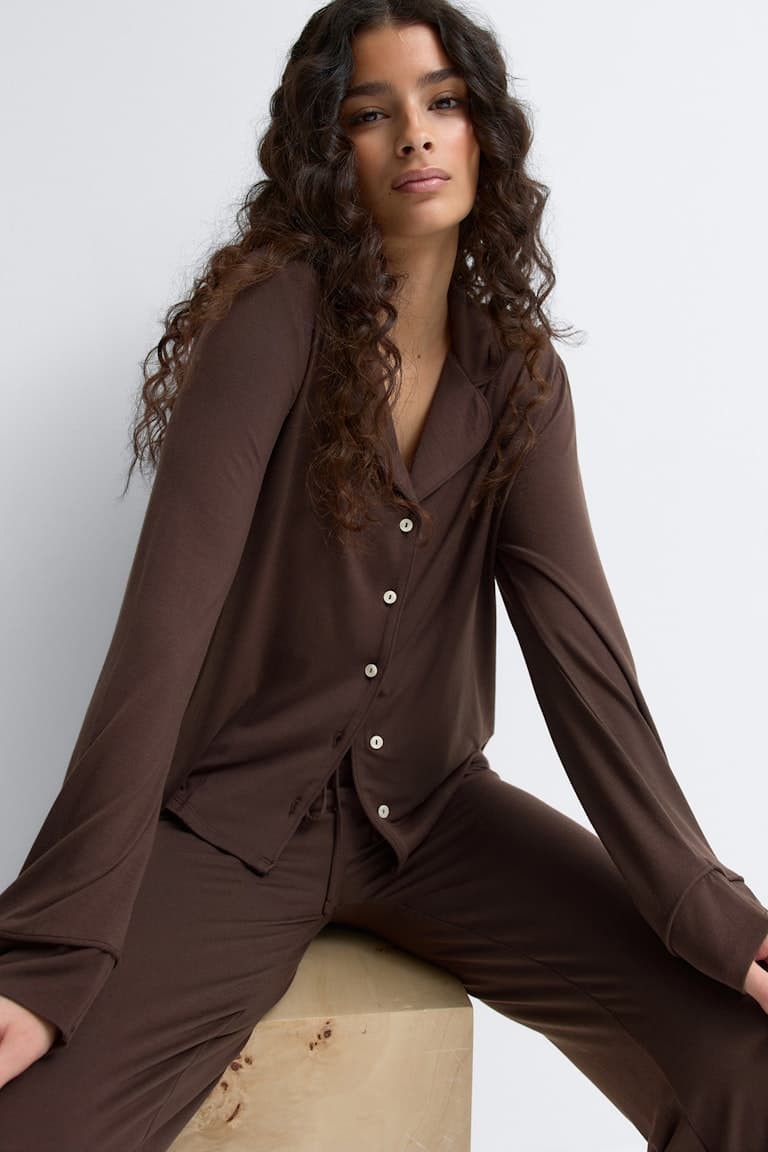
Soft pyjamas shirt
Gina Tricot

Iconic Hoodie
Gina Tricot
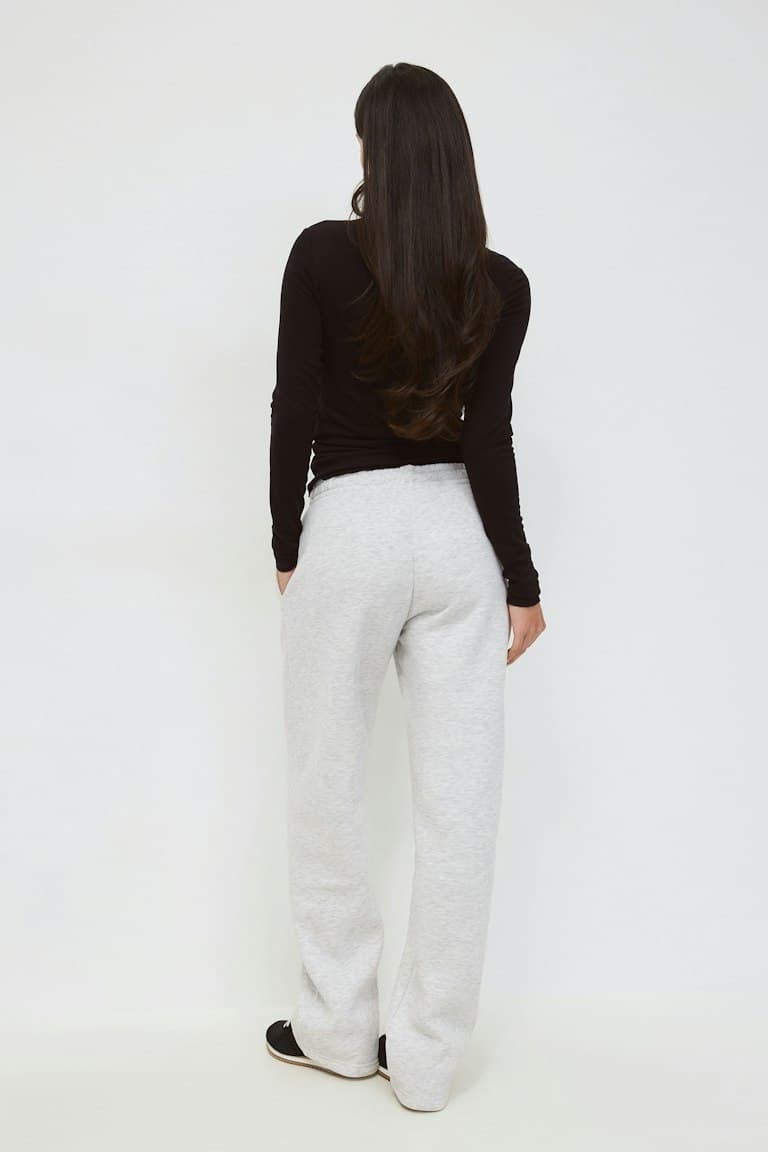
Iconic sweatpants
Gina Tricot
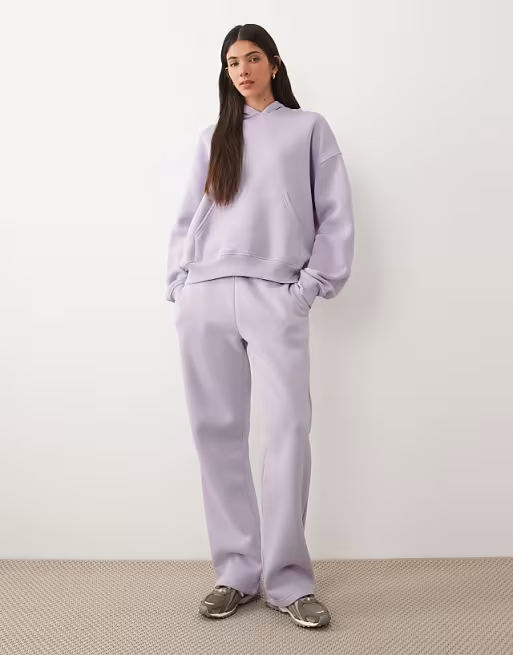
Pantalon de jogging d'ensemble coupe droite ample - Violet lavande
Gina Tricot
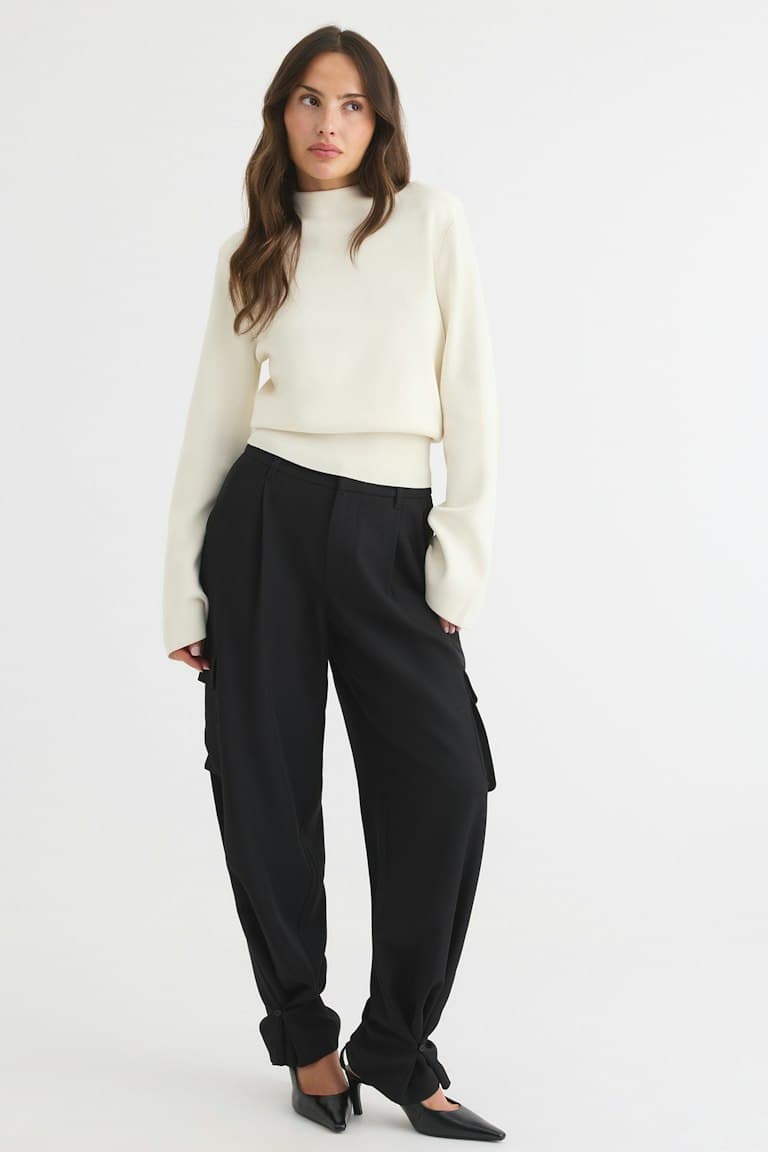
Knitted shoulder pad top
Gina Tricot
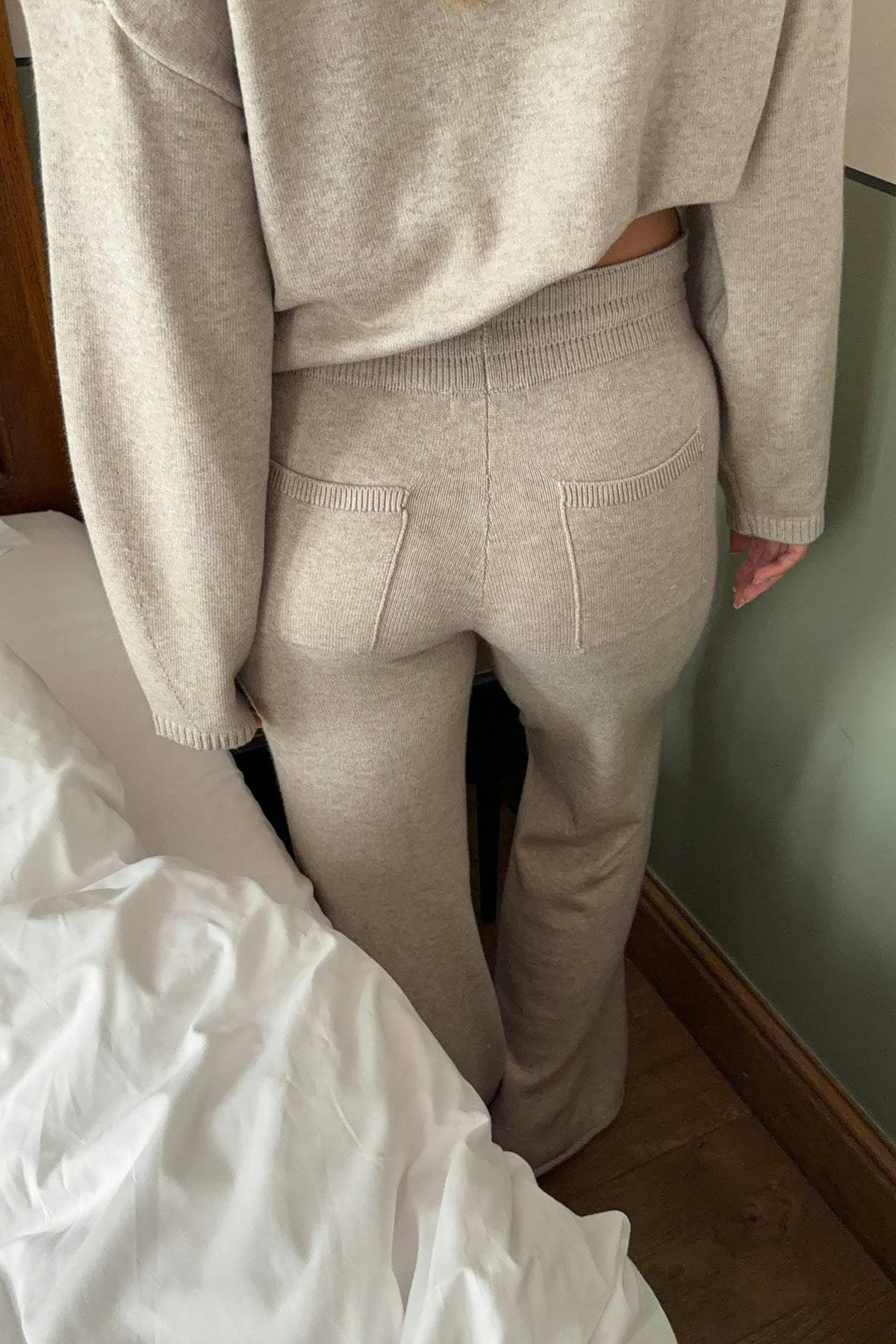
Knitted loungewear trousers
Gina Tricot
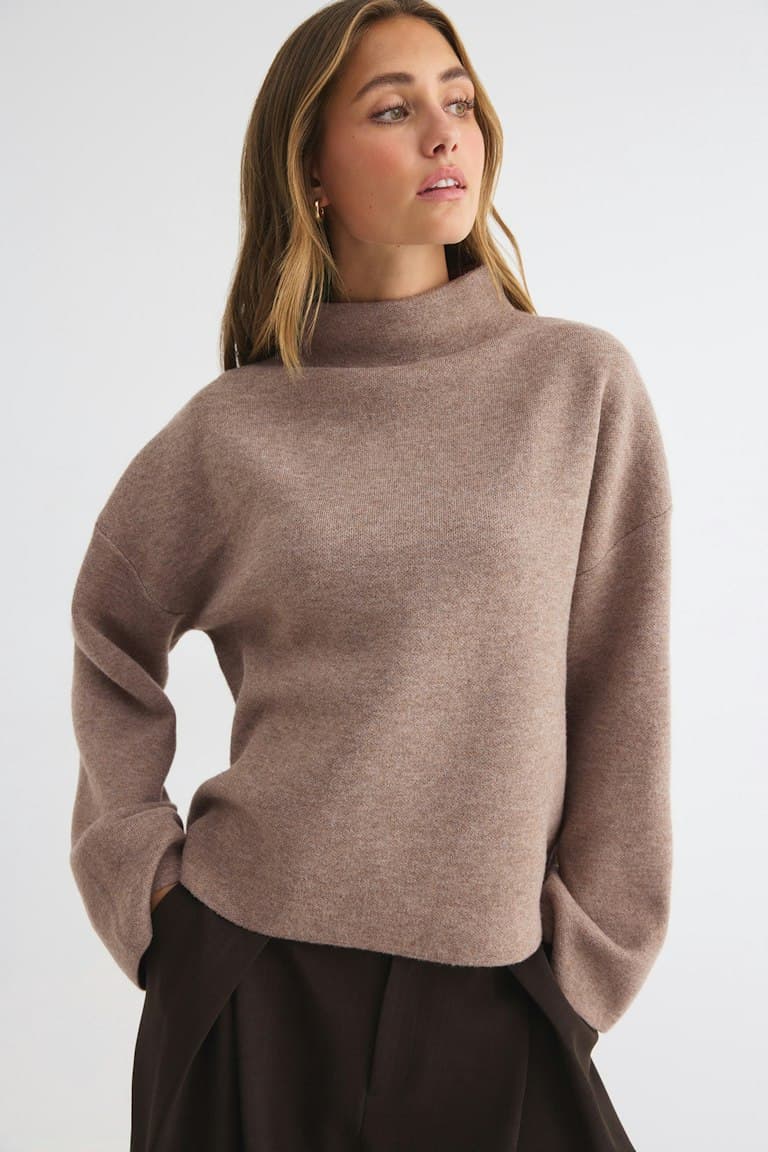
Funnel neck knitted sweater
Gina Tricot

Knitted zip cardigan
Gina Tricot
How these scores are produced
Product scores on this page are produced automatically. We read the composition and certification details a retailer discloses on the product page, match each material to our research database, and apply the published clothing-score process: every product starts at 100; five material factors — microplastics, PFAS, material half-life, production energy, and fiber shedding — apply penalties weighted by how much of the garment that material makes up; a sixth factor, azo dyes, applies to the garment as a whole; and a small adjustment reflects whether any certification was disclosed. GOTS, bluesign, OEKO-TEX Standard 100, and Cradle to Cradle can also mark a product azo-dye-free. We do not lab-test garments. The Analyzed Product Profile then summarizes those product scores. It is not a corporate sustainability score, and it is not the retired LLM brand assessment.
Are you this brand?
If a figure on this page is wrong, send a correction. We aim to respond within 24 hours. A review can temporarily hide a disputed claim; it is not an automatic permanent removal.
Sourced corporate evidence
These are sourced claims, not a corporate score. Missing topics are not assessed, not scored as zero.
Gina Tricot states that 74% of its products contained more sustainable materials in 2023.
company_disclosure
Published 2023-12-31
Gina Tricot states that its CO2e emissions per product decreased by 9% in 2023.
company_disclosure
Gina Tricot states that its climate targets were validated by the Science Based Targets initiative.
company_disclosure
Published 2023-12-31
Gina Tricot states that it published its Tier 1 and Tier 2 supplier lists online.
company_disclosure
Published 2023-12-31
Gina Tricot's animal welfare policy applies to suppliers and covers all products sold under the Gina Tricot brand; the retrieved policy states that version 2 took effect on 2024-02-01.
company_disclosure
Published 2024-02-01
Gina Tricot states that its animal-welfare requirements include supplier cooperation on due-diligence strategies and compliance with certification-specific requirements where applicable.
company_disclosure
Published 2024-02-01
WWF states that it and Gina Tricot began collaborating at the end of 2019 to develop a water strategy covering Gina Tricot's operations from suppliers through consumers.
ngo
Published 2023-11-23
Gina Tricot's 2023 sustainability report states that the company launched a rental model for party wear in stores.
company_disclosure
Published 2023-12-31
Gina Tricot's 2023 sustainability report states that the company replaced its plastic online bag with an FSC-certified paper bag.
company_disclosure
Published 2023-12-31
- Not assessed — Current quantitative performance across carbon, energy, water, labour, and animal-welfare metrics