
Analyzed Product Profile
J. Press
This Analyzed Product Profile is based on 9 distinct analyzed products, a small catalogue sample. Median, range, and material mix describe those products only — not J. Press as a whole.
Sample and scores
Most common materials
Counted by distinct product, not fiber percentage. One product can appear in several rows.
| Material | Products |
|---|---|
| Cotton | 5 |
| Cashmere | 3 |
| Wool | 3 |
Category mix
| Category | Products |
|---|---|
| Shirts | 6 |
| Coats and Jackets | 2 |
| Sweaters | 2 |
Highest-scoring analyzed products
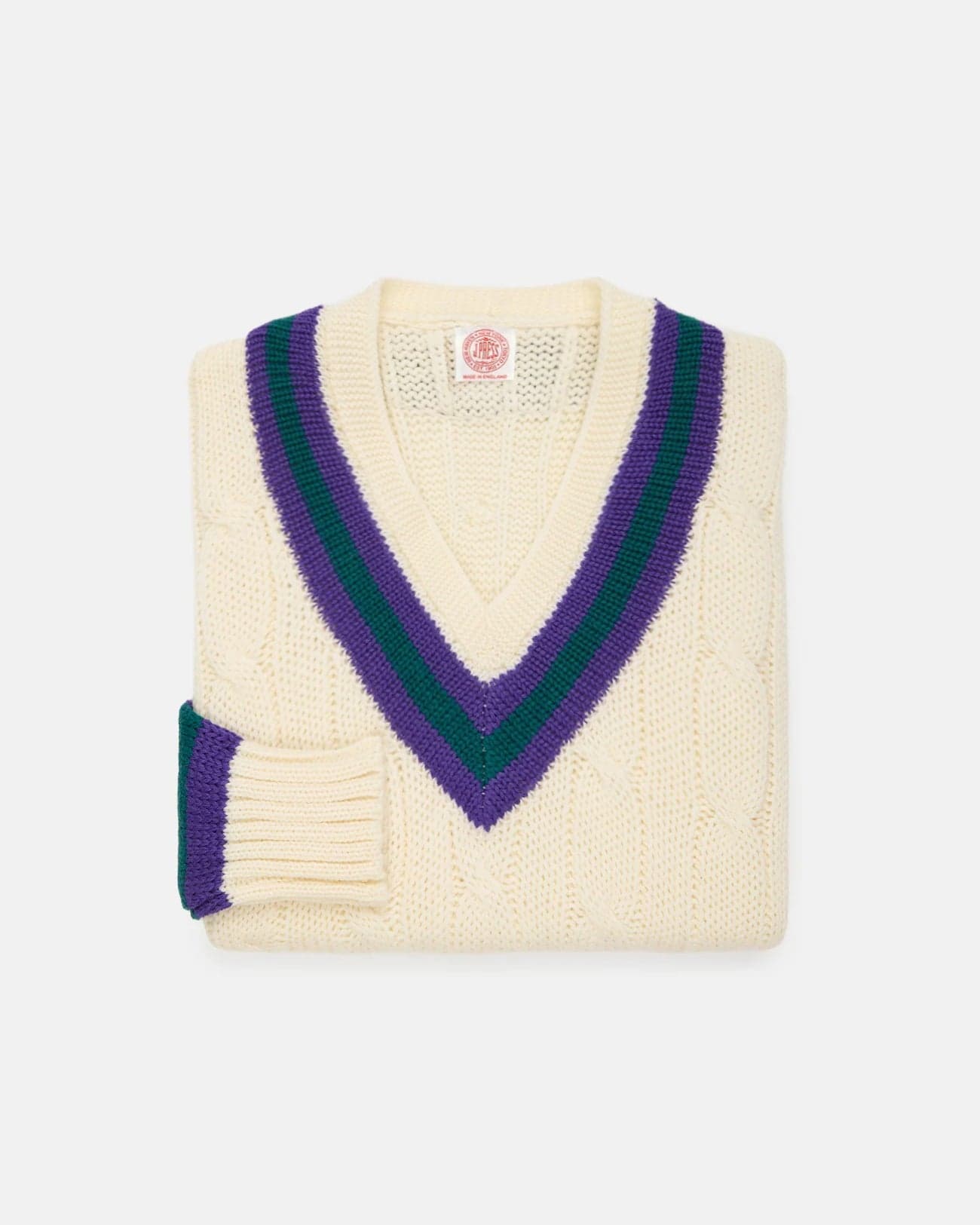
Made-in-England Purple & Green Cable Knit Wool Cricket Sweater
J. Press
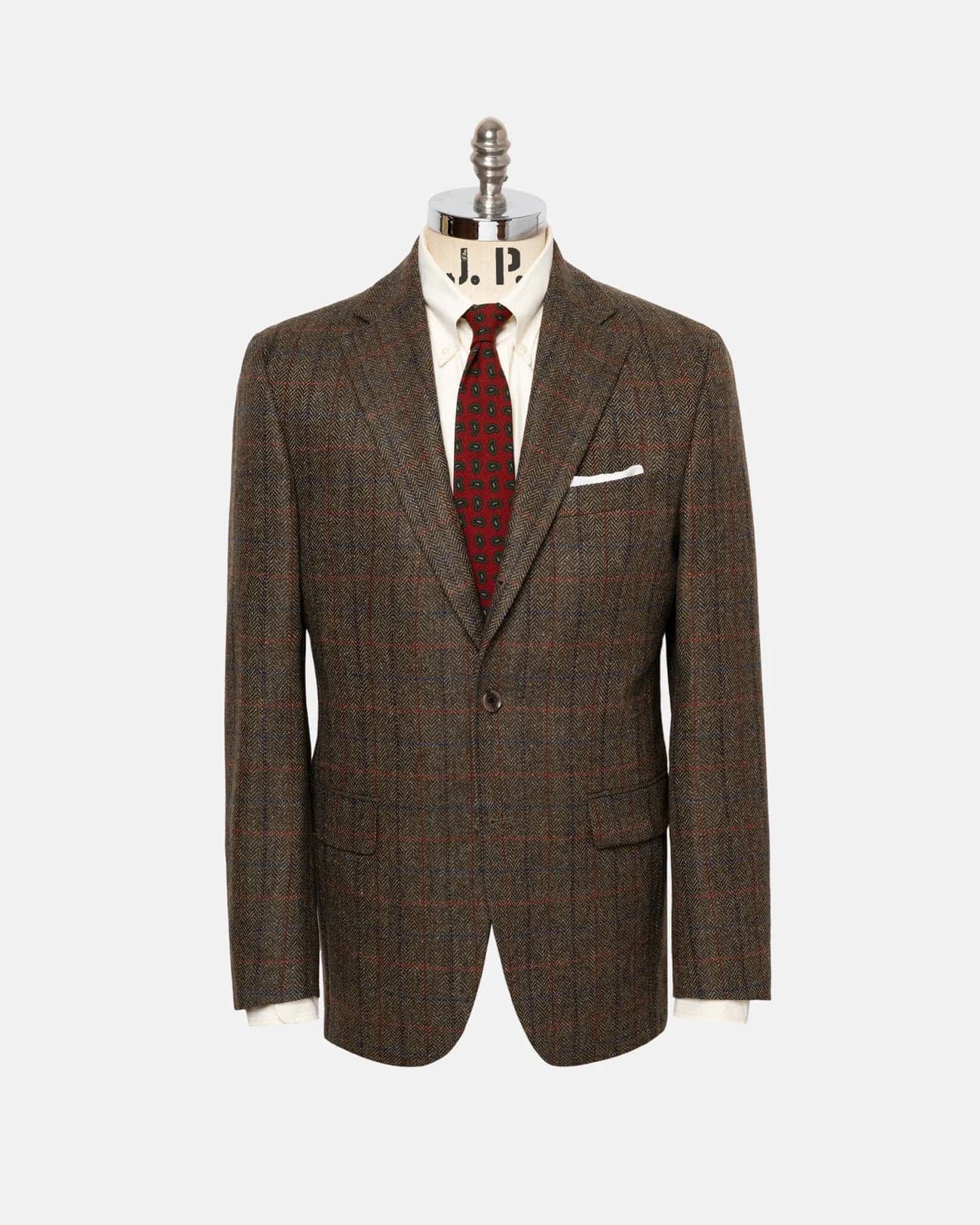
Made-in-Canada Olive Herringbone Wool/Cashmere Sport Coat
J. PRESS
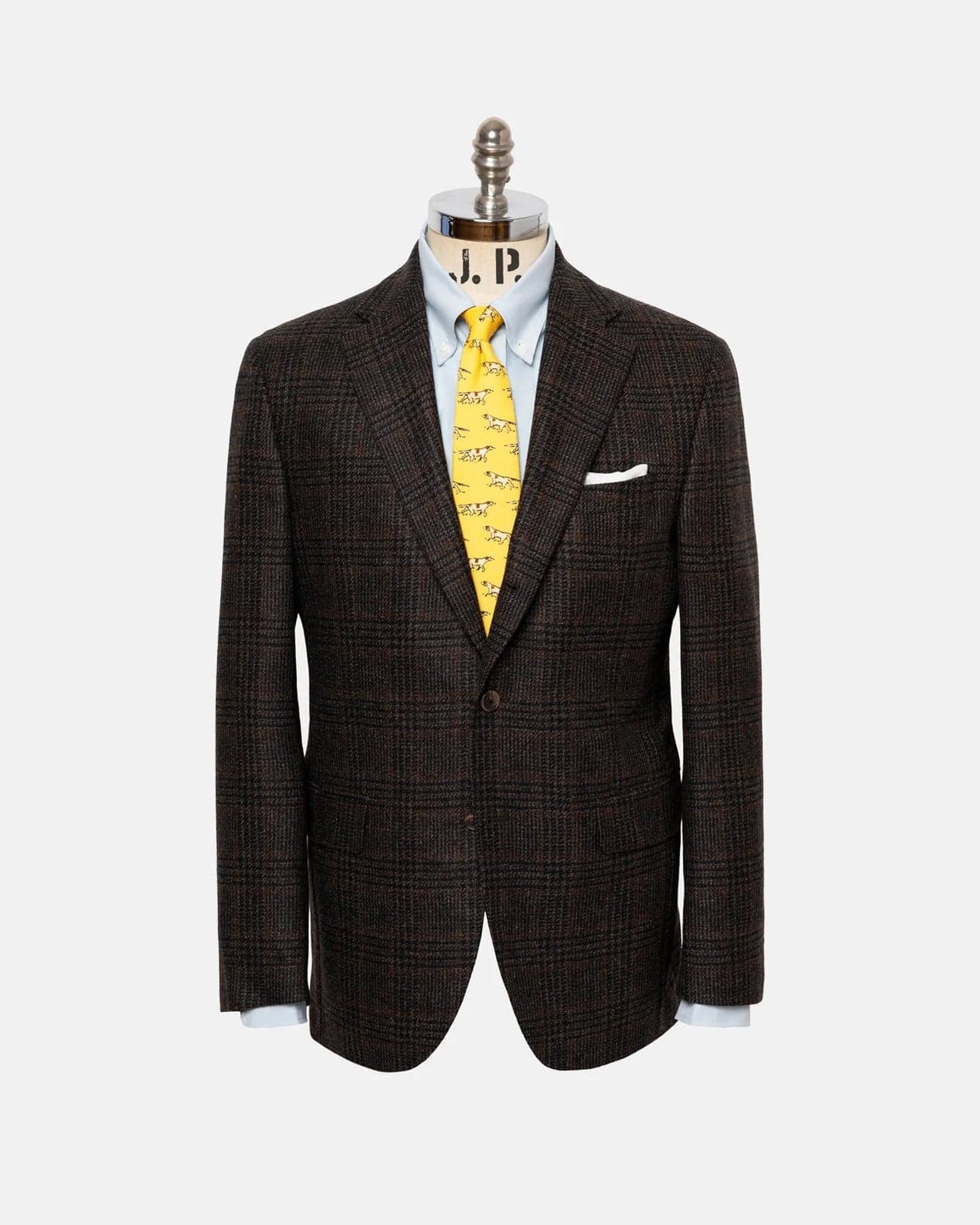
Made-in-Canada Brown Plaid Wool/Cashmere Sport Coat
J. PRESS
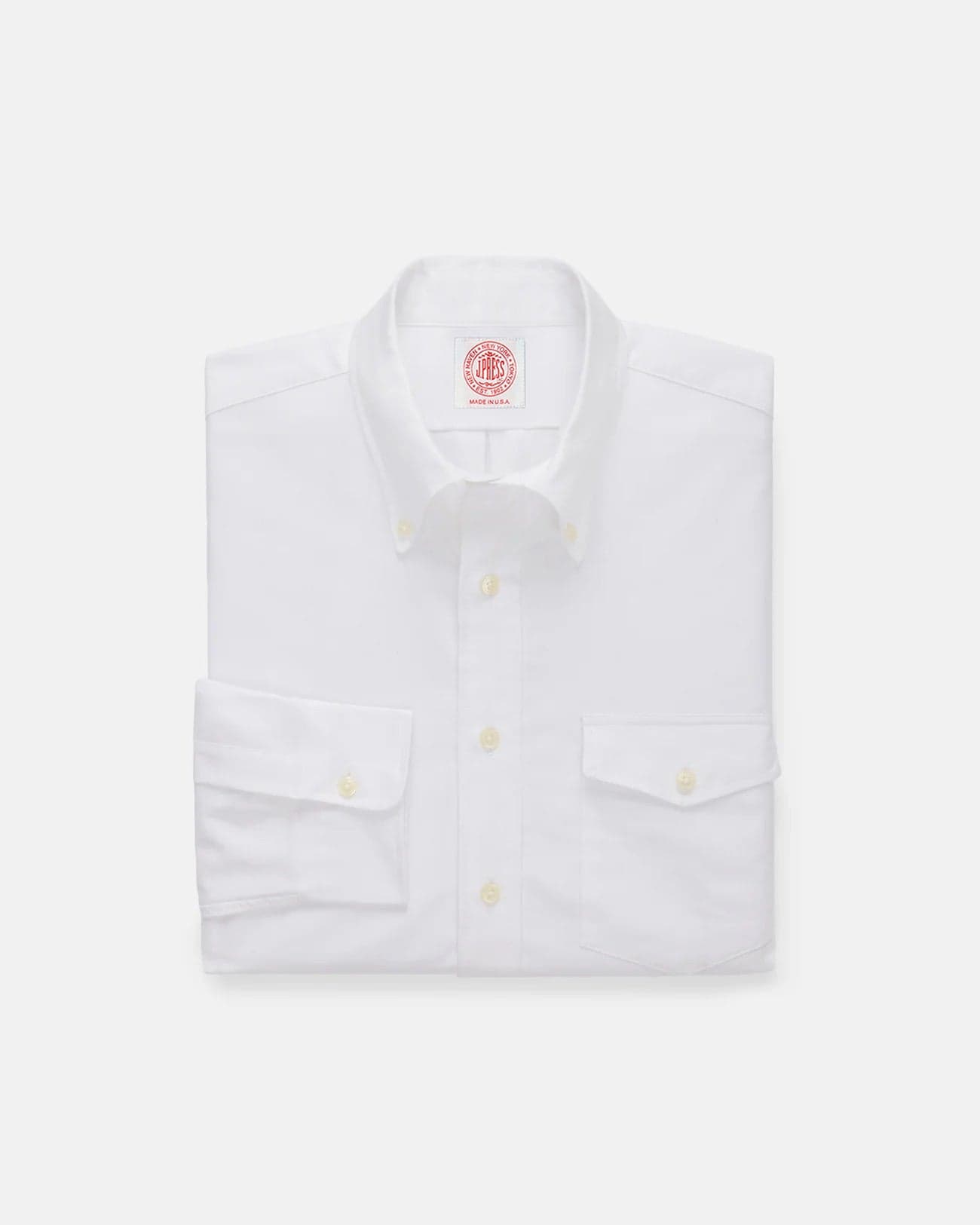
Made-in-USA Flap Pocket White Oxford Cloth Button Down Shirt - Classic Fit
J. Press
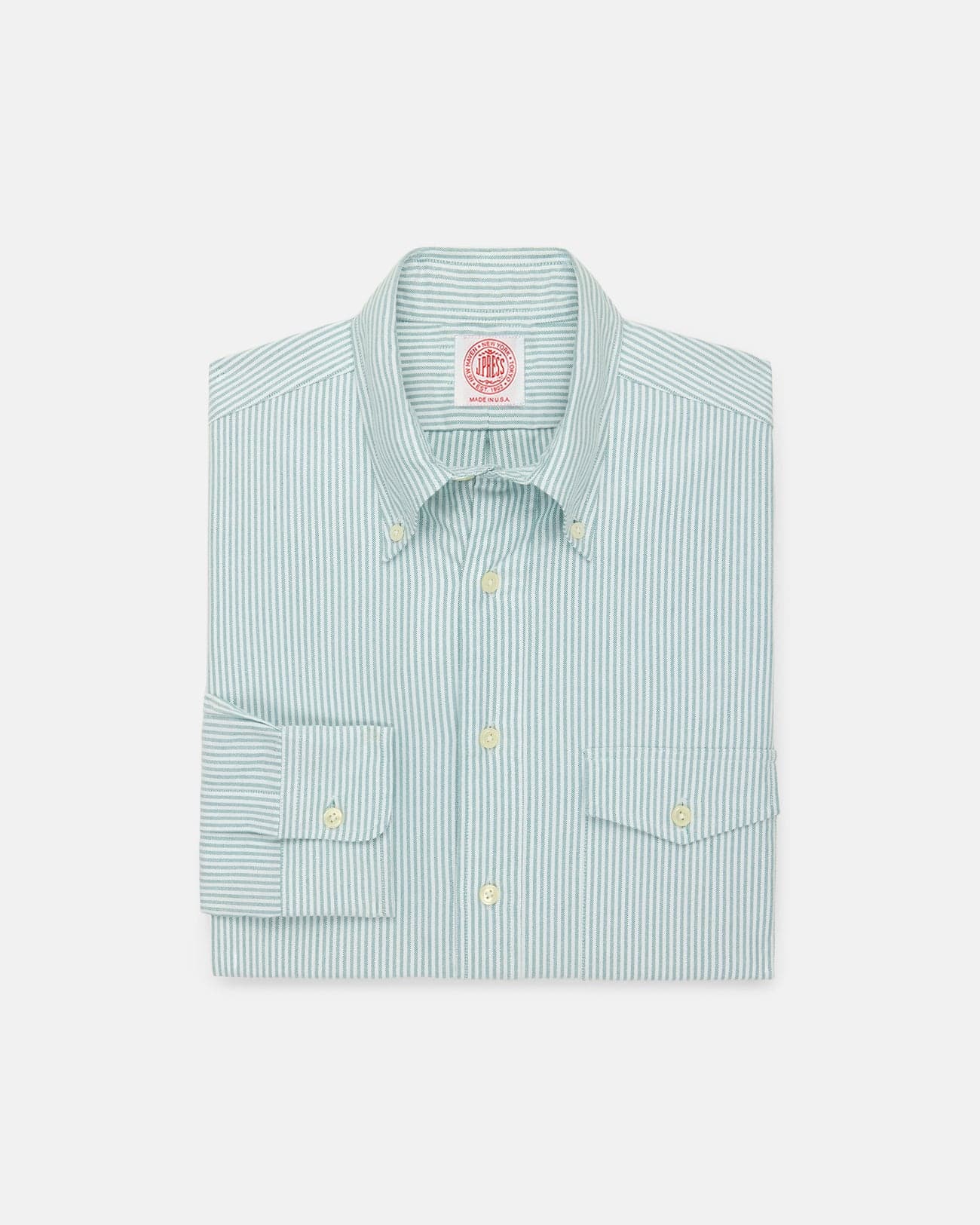
Made-in-USA Flap Pocket Green University Stripe Oxford Cloth Shirt - Classic Fit
J. PRESS
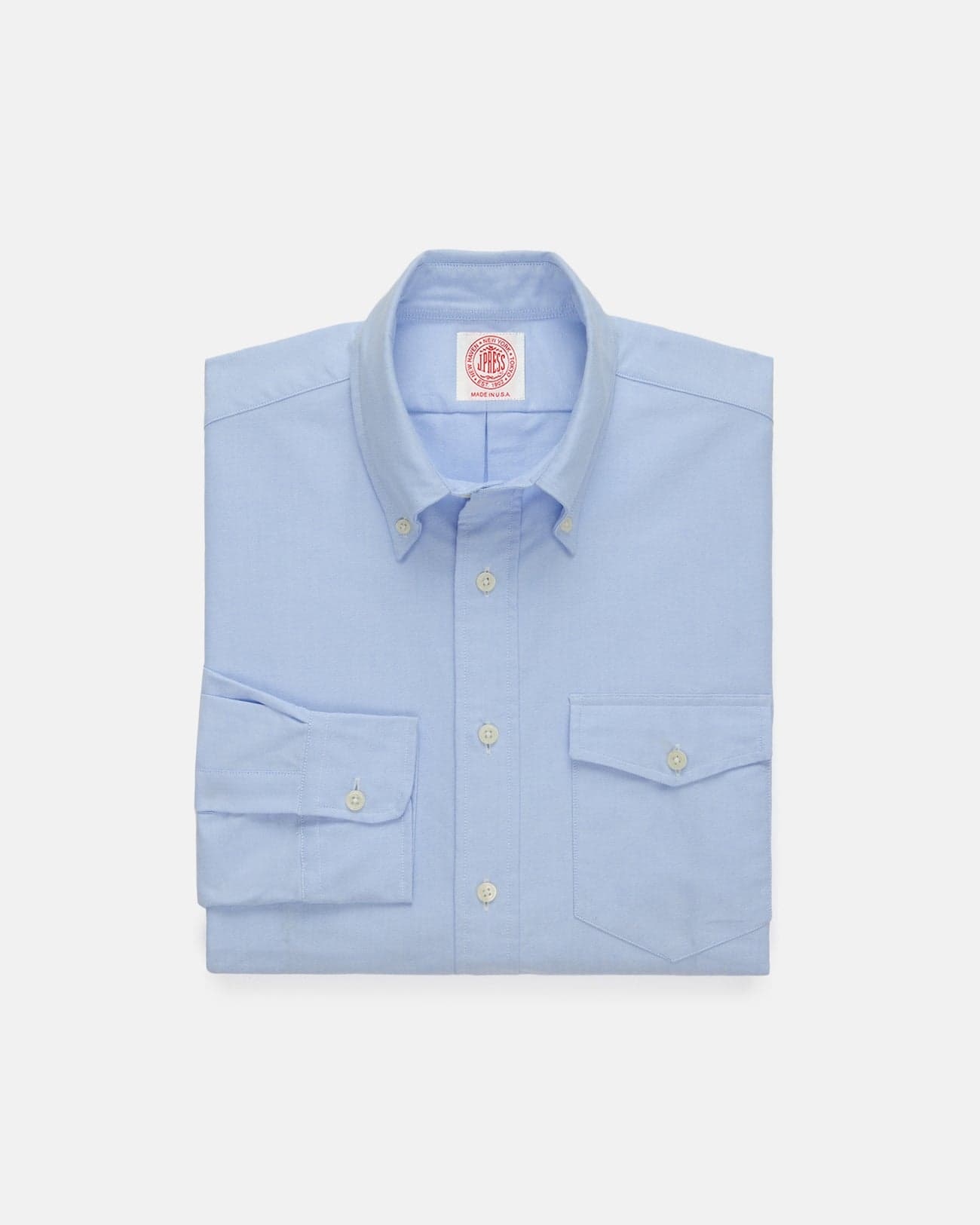
Made-in-USA Flap Pocket Blue Oxford Cloth Button Down Shirt - Classic Fit
J. PRESS
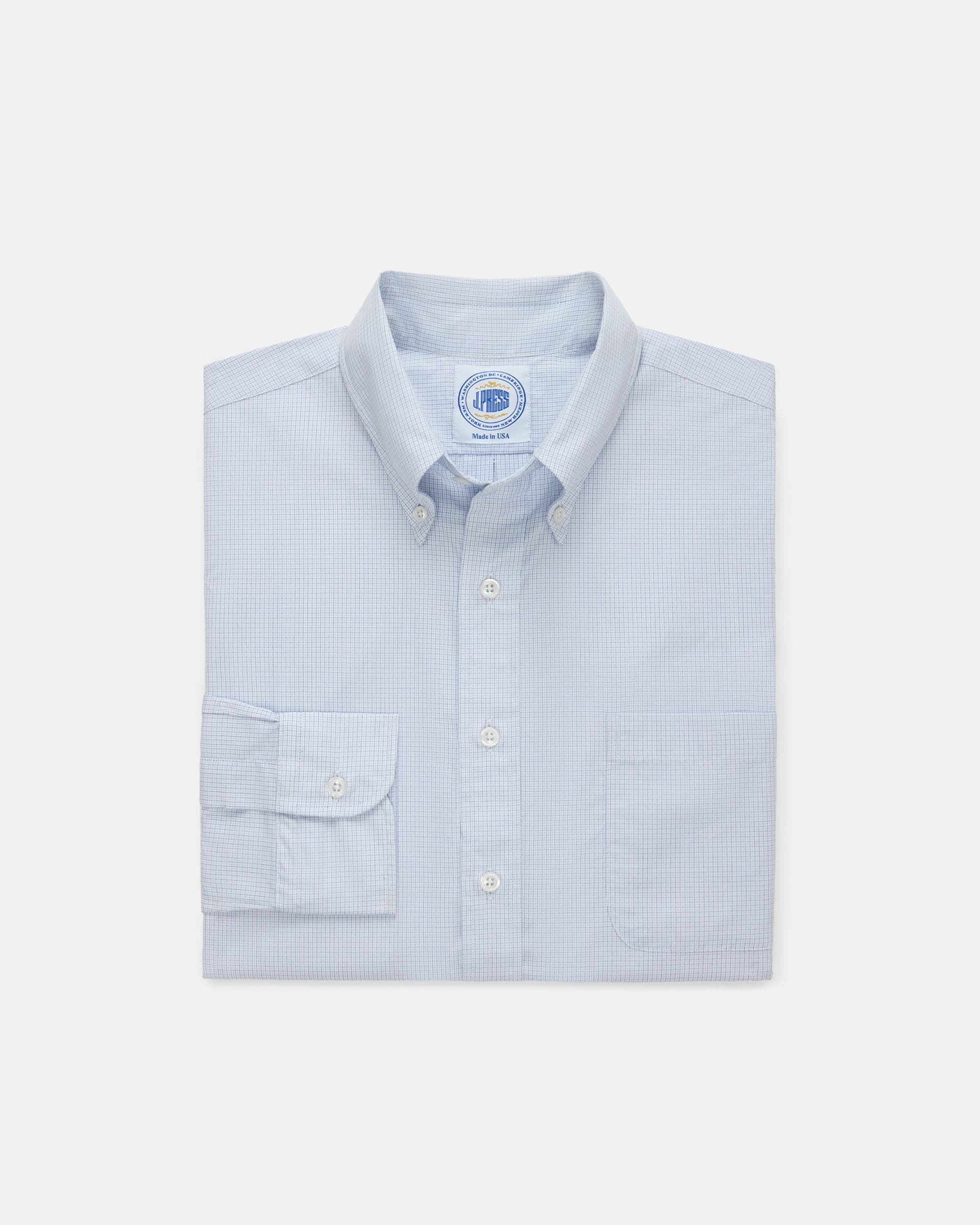
Made-in-USA Thomas Mason Blue Mini Tattersall Button Down Shirt - Classic Fit
J. PRESS
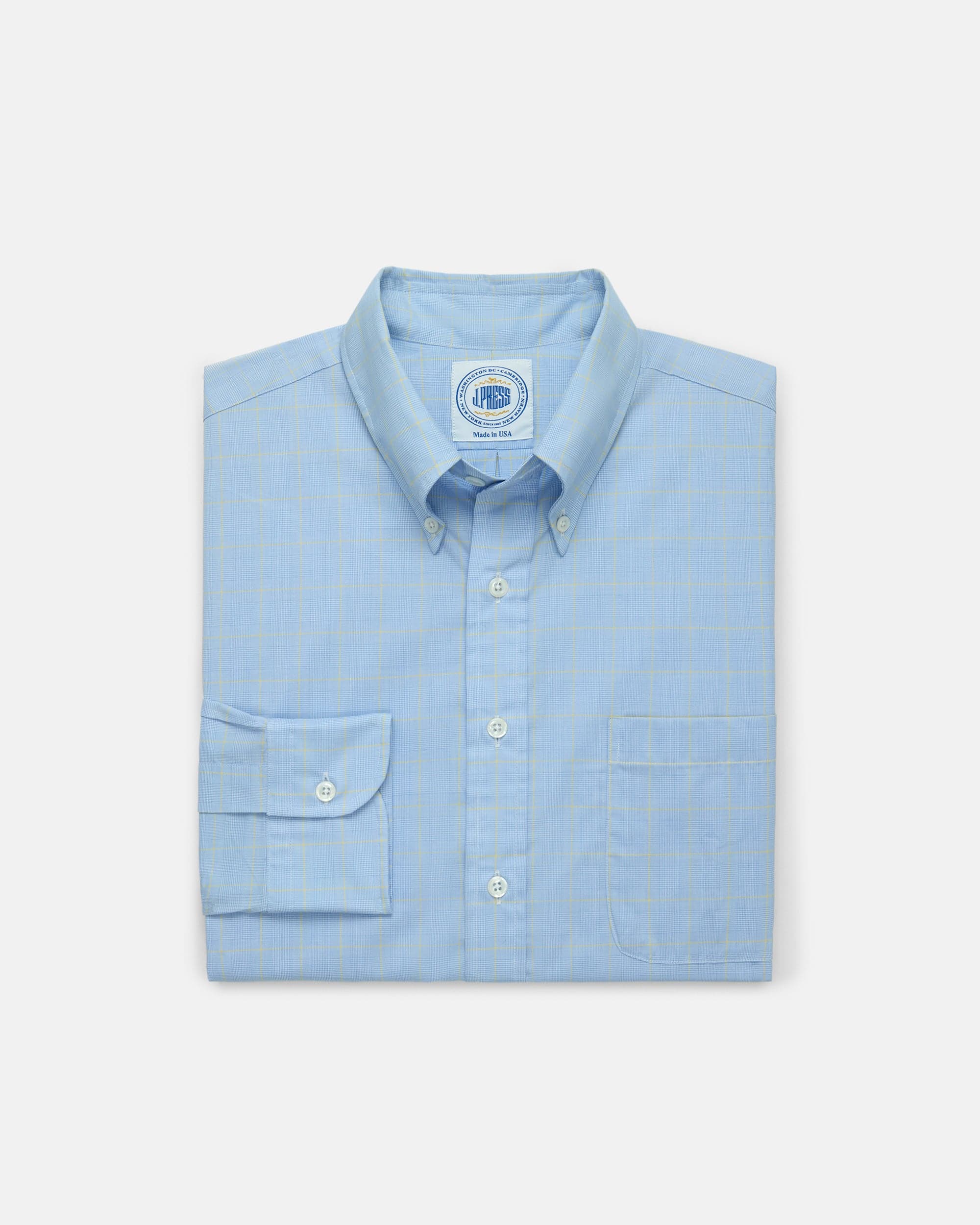
Made-in-USA Thomas Mason Blue & Yellow Glen Plaid Button Down Shirt - Classic Fit
J. Press
How these scores are produced
Product scores on this page are produced automatically. We read the composition and certification details a retailer discloses on the product page, match each material to our research database, and apply the published clothing-score process: every product starts at 100; five material factors — microplastics, PFAS, material half-life, production energy, and fiber shedding — apply penalties weighted by how much of the garment that material makes up; a sixth factor, azo dyes, applies to the garment as a whole; and a small adjustment reflects whether any certification was disclosed. GOTS, bluesign, OEKO-TEX Standard 100, and Cradle to Cradle can also mark a product azo-dye-free. We do not lab-test garments. The Analyzed Product Profile then summarizes those product scores. It is not a corporate sustainability score, and it is not the retired LLM brand assessment.
Are you this brand?
If a figure on this page is wrong, send a correction. We aim to respond within 24 hours. A review can temporarily hide a disputed claim; it is not an automatic permanent removal.
Sourced corporate evidence
These are sourced claims, not a corporate score. Missing topics are not assessed, not scored as zero.
J. Press states that it was founded at Yale University in New Haven in 1902 by Jacobi Press.
company_disclosure
J. Press describes itself as a clothier offering tailored and casual clothing, including navy blazers, suits, ties, Oxford-cloth button-down shirts, and sweaters.
company_disclosure
J. Press states that many of its products are made by hand in the United States, including in New York, Massachusetts, Connecticut, and Georgia, as well as in Japan, Scotland, England, Italy, and Canada.
company_disclosure
The J. Press U.S. product catalogue lists apparel identified as made in the United States, Canada, the United Kingdom, and other countries, including shirts, trousers, jackets, and sweaters.
company_disclosure
J.PRESS Japan describes a botanical-dyed garment series using natural dyes and states that it views this as a step toward lower-environmental-impact, sustainable clothing production.
company_disclosure
Good On You’s February 2024 assessment states that J.PRESS traces some of its supply chain, but found no evidence that it ensures living wages in its supply chain or supports diversity and inclusion in its supply chain.
other
Published 2024-02-01
Good On You’s February 2024 assessment states that it found no evidence of an animal-welfare policy for J.PRESS and that the brand appears to use leather, wool, angora, and exotic animal hair.
other
Published 2024-02-01
Good On You’s February 2024 assessment states that J.PRESS uses few lower-impact materials and that it found no evidence of actions to protect biodiversity in the brand’s supply chain.
other
Published 2024-02-01
- Not assessed — Carbon emissions, energy use, and water use
- Not assessed — Labour standards beyond the retrieved third-party assessment
- Not assessed — Animal-welfare practices beyond the retrieved third-party assessment