
Analyzed Product Profile
MUJI
This Analyzed Product Profile is based on 8 distinct analyzed products, a small catalogue sample. Median, range, and material mix describe those products only — not MUJI as a whole.
Sample and scores
Most common materials
Counted by distinct product, not fiber percentage. One product can appear in several rows.
| Material | Products |
|---|---|
| Cotton | 5 |
| Lyocell | 2 |
| Recycled Polyester | 2 |
| Elastane | 1 |
Category mix
| Category | Products |
|---|---|
| Pajamas | 4 |
| Blankets | 2 |
| Shirts | 2 |
| Activewear | 1 |
| Comforters | 1 |
| Pants | 1 |
Highest-scoring analyzed products
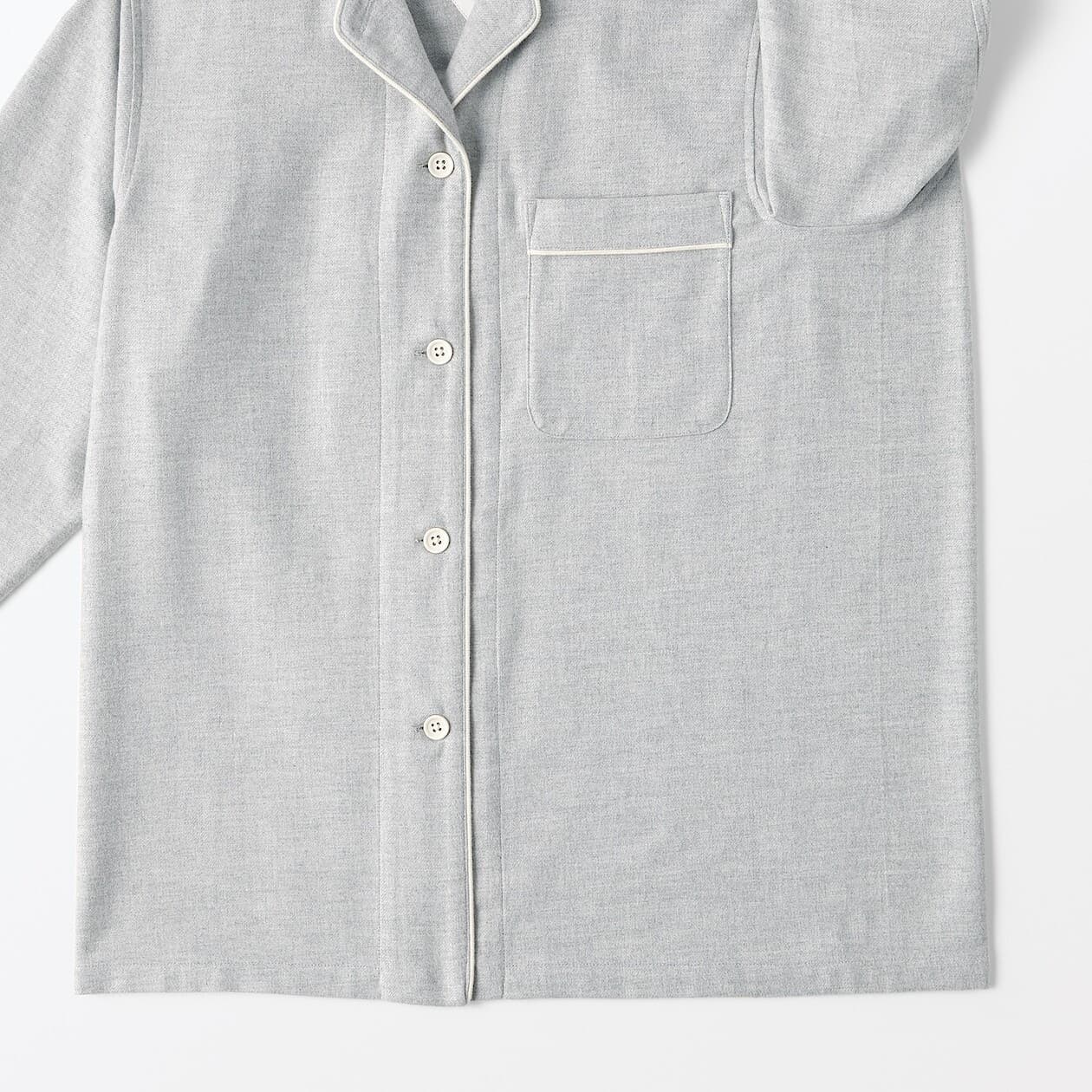
Pyjama flanelle sans couture latérale pour femme
MUJI
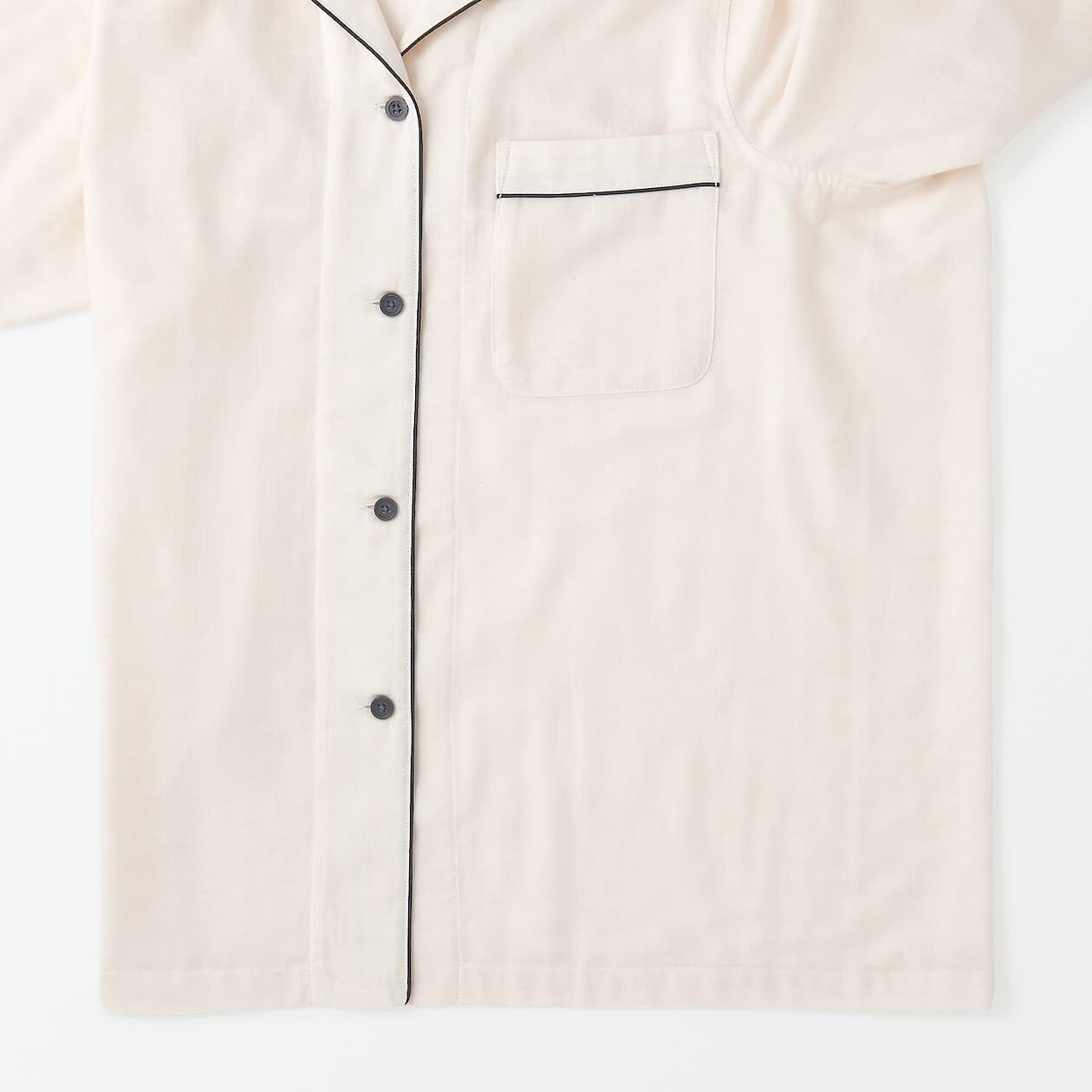
Pyjama femme en coton léger à manches longues
MUJI
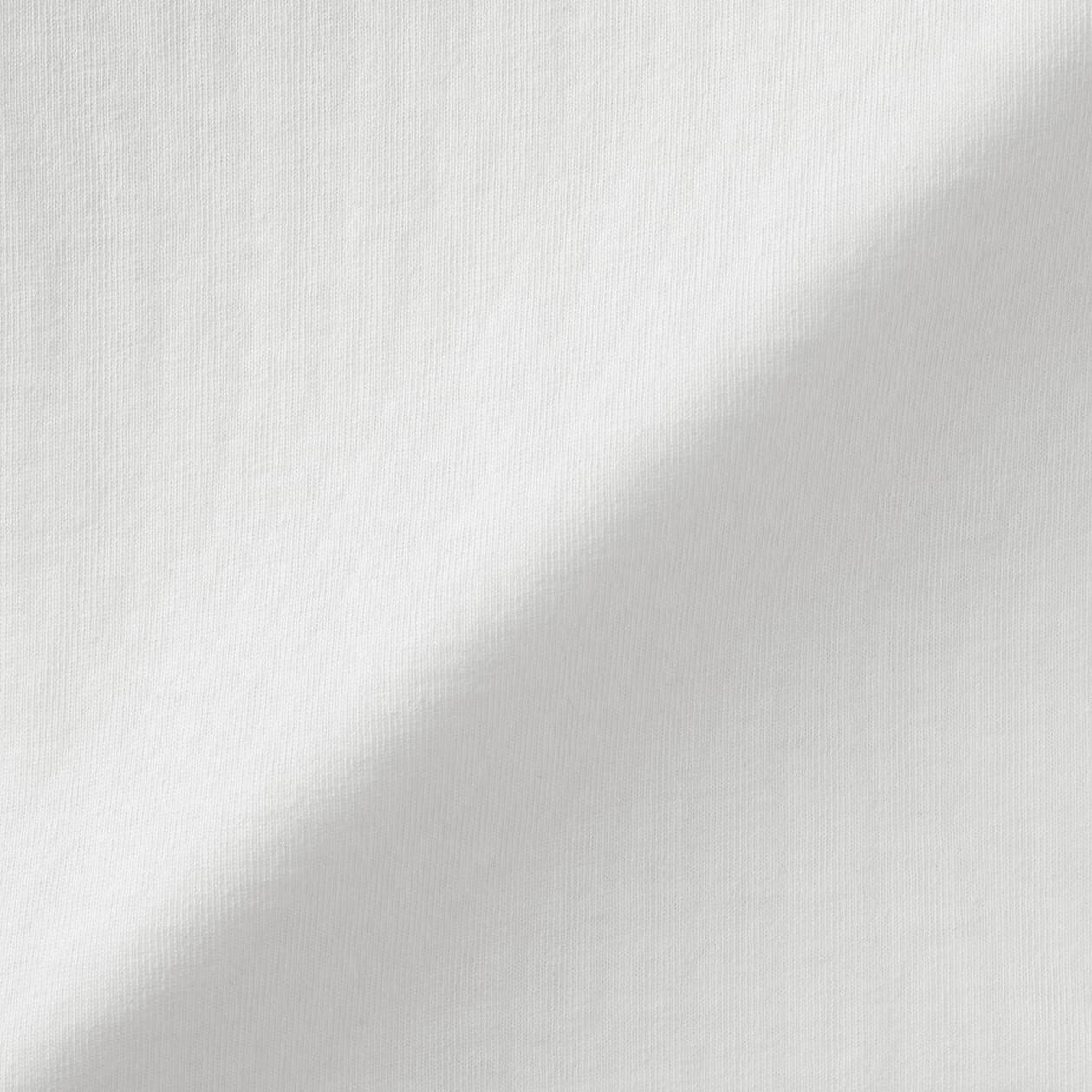
T‐shirt en jersey de coton épais manches courtes pour homme
Muji

Polo en coton piqué délavé pour homme
Muji

Ensemble pyjama à manches courtes en satin de lyocell pour femme
MUJI
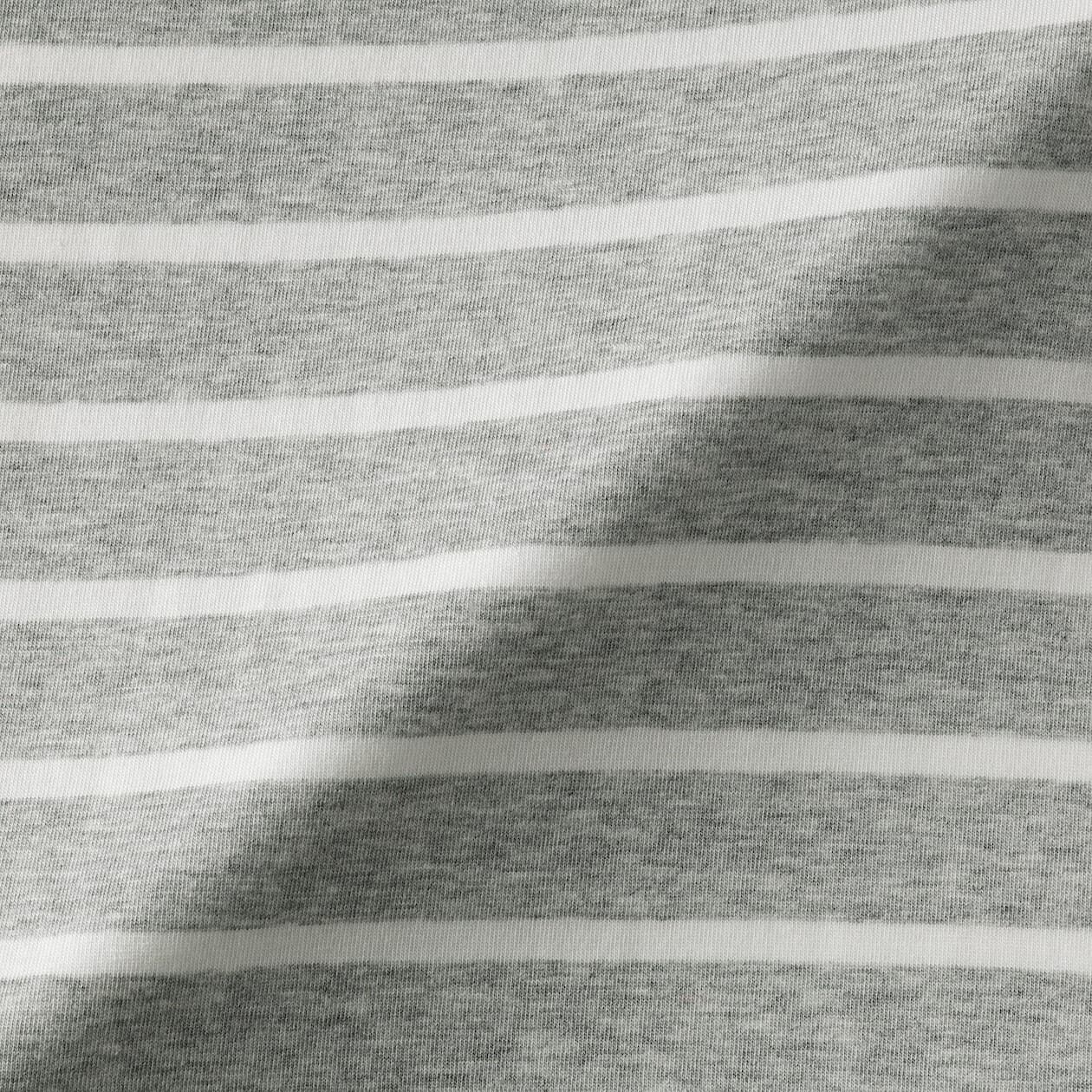
Ensemble de détente en coton Cool Touch à manches courtes pour femme
MUJI
Couverture extra‐chaude en fibres chaudes recyclées ‐ 180 x 200 cm
MUJI
Couverture légère en fibres chaudes recyclées ‐ 180 x 200 cm
MUJI
How these scores are produced
Product scores on this page are produced automatically. We read the composition and certification details a retailer discloses on the product page, match each material to our research database, and apply the published clothing-score process: every product starts at 100; five material factors — microplastics, PFAS, material half-life, production energy, and fiber shedding — apply penalties weighted by how much of the garment that material makes up; a sixth factor, azo dyes, applies to the garment as a whole; and a small adjustment reflects whether any certification was disclosed. GOTS, bluesign, OEKO-TEX Standard 100, and Cradle to Cradle can also mark a product azo-dye-free. We do not lab-test garments. The Analyzed Product Profile then summarizes those product scores. It is not a corporate sustainability score, and it is not the retired LLM brand assessment.
Are you this brand?
If a figure on this page is wrong, send a correction. We aim to respond within 24 hours. A review can temporarily hide a disputed claim; it is not an automatic permanent removal.
Sourced corporate evidence
These are sourced claims, not a corporate score. Missing topics are not assessed, not scored as zero.
Ryohin Keikaku states that cotton made up 64.7% of the fibre materials procured for MUJI apparel developed in FY2025/8.
company_disclosure
Ryohin Keikaku reports a target of 100% procurement of environmentally and socially responsible cotton for MUJI apparel, including organic, sustainably harvested, and recycled cotton.
company_disclosure
Ryohin Keikaku states that MUJI has used organic cotton since 1999 and that all cotton used in its apparel has been organic cotton since 2018.
company_disclosure
Published 2021-04-14
- Not assessed — Independent verification of all MUJI apparel sustainability claims