



Greener Closet

Jeans and denim

Scored jeans, ranked by disclosed materials

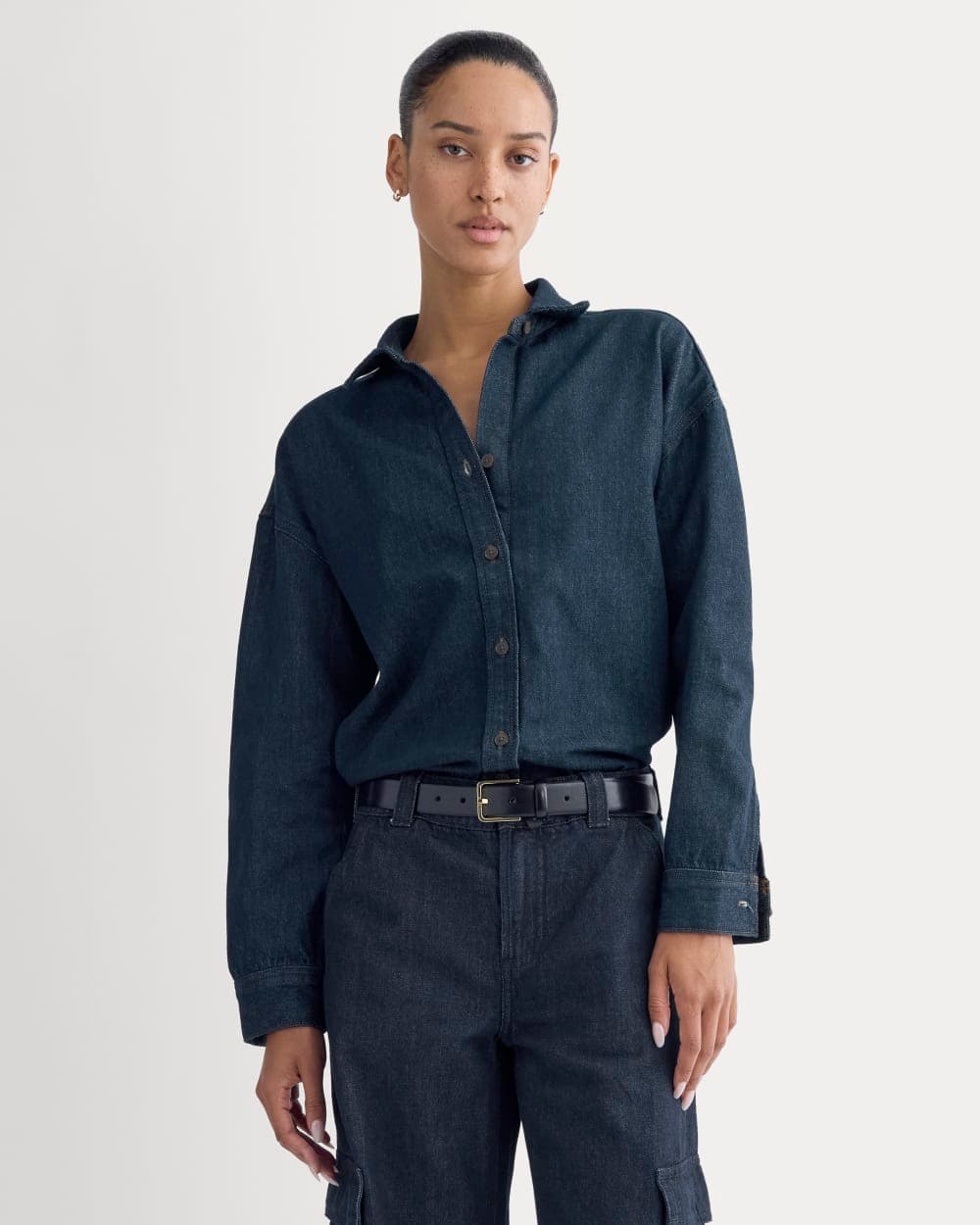
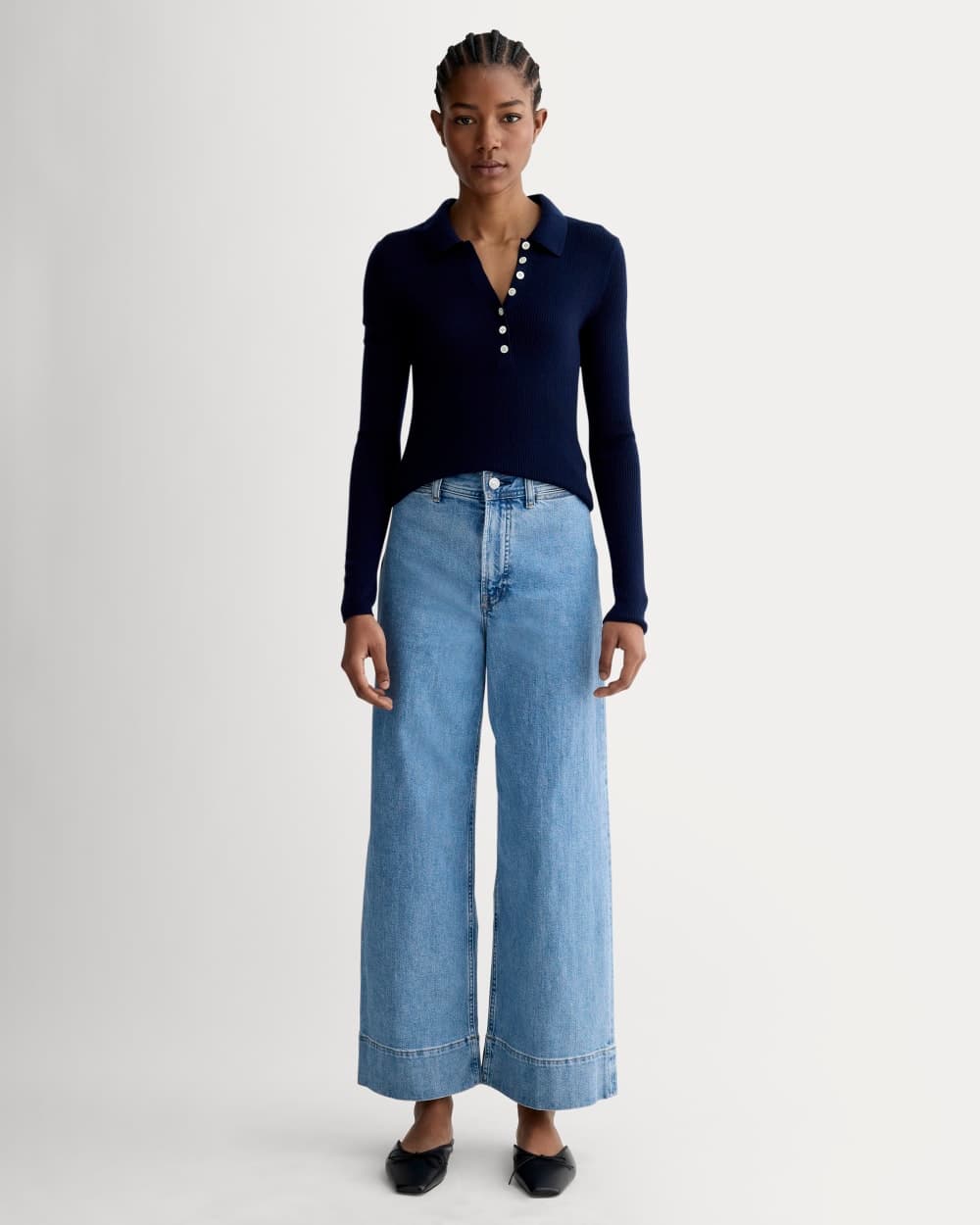
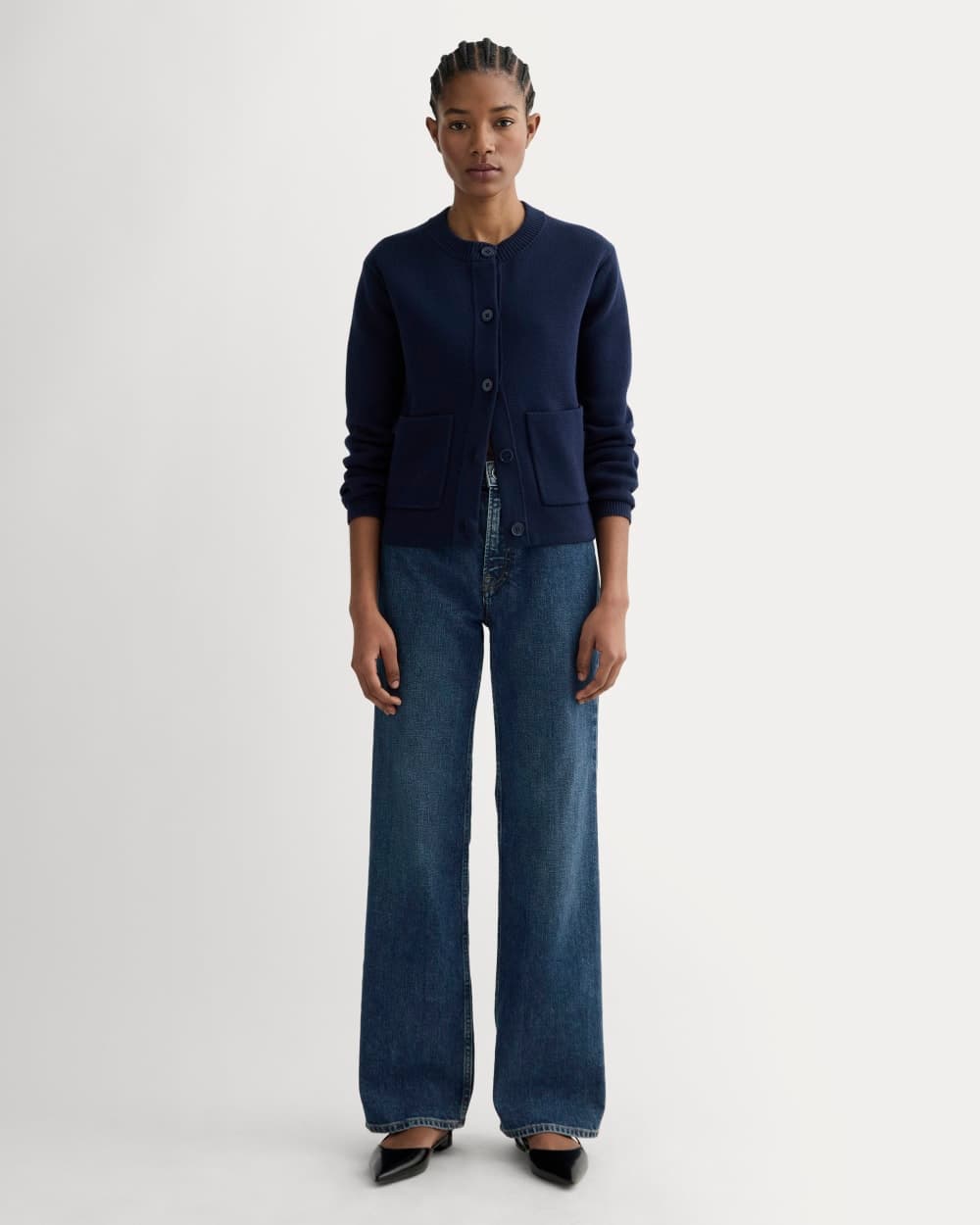
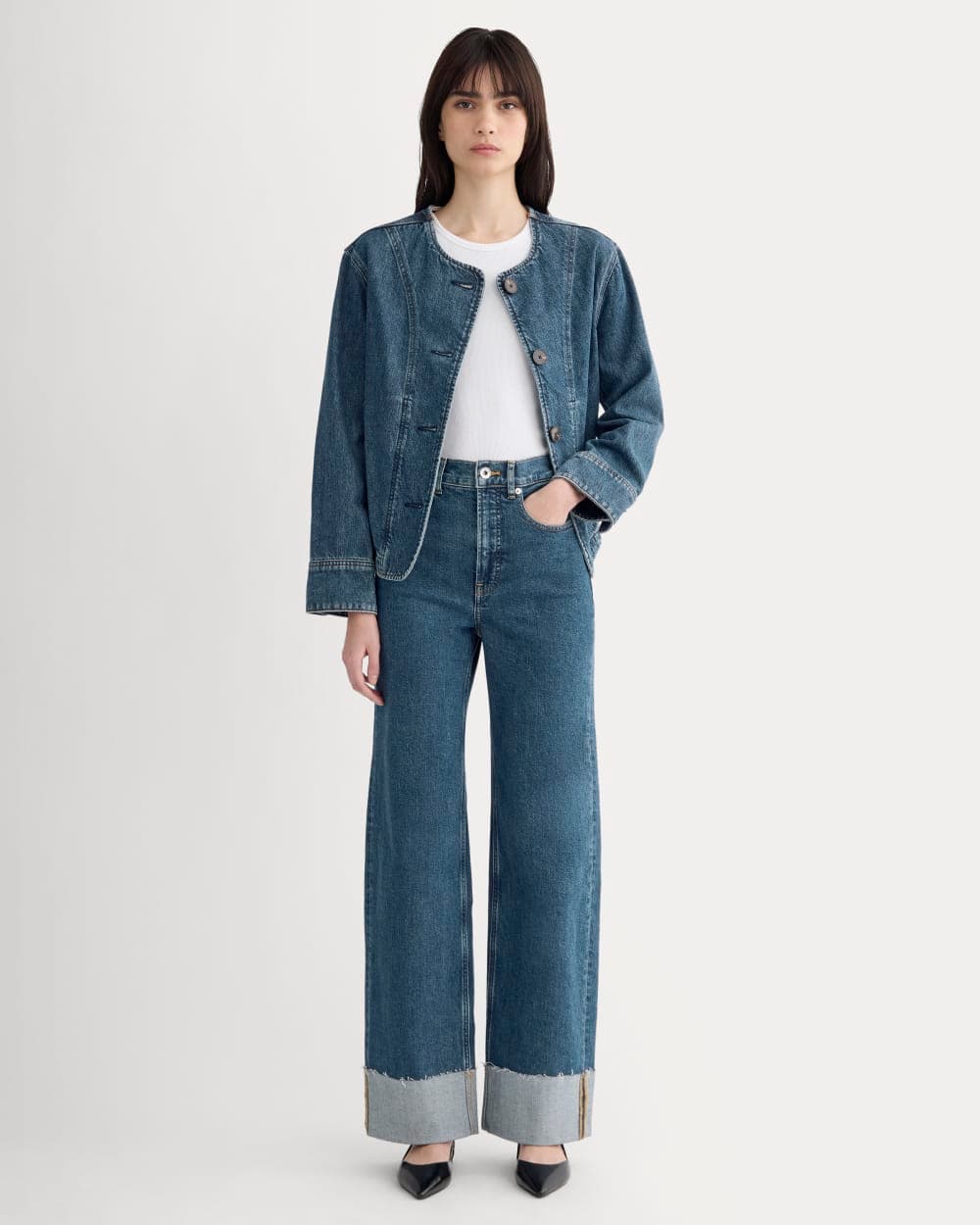
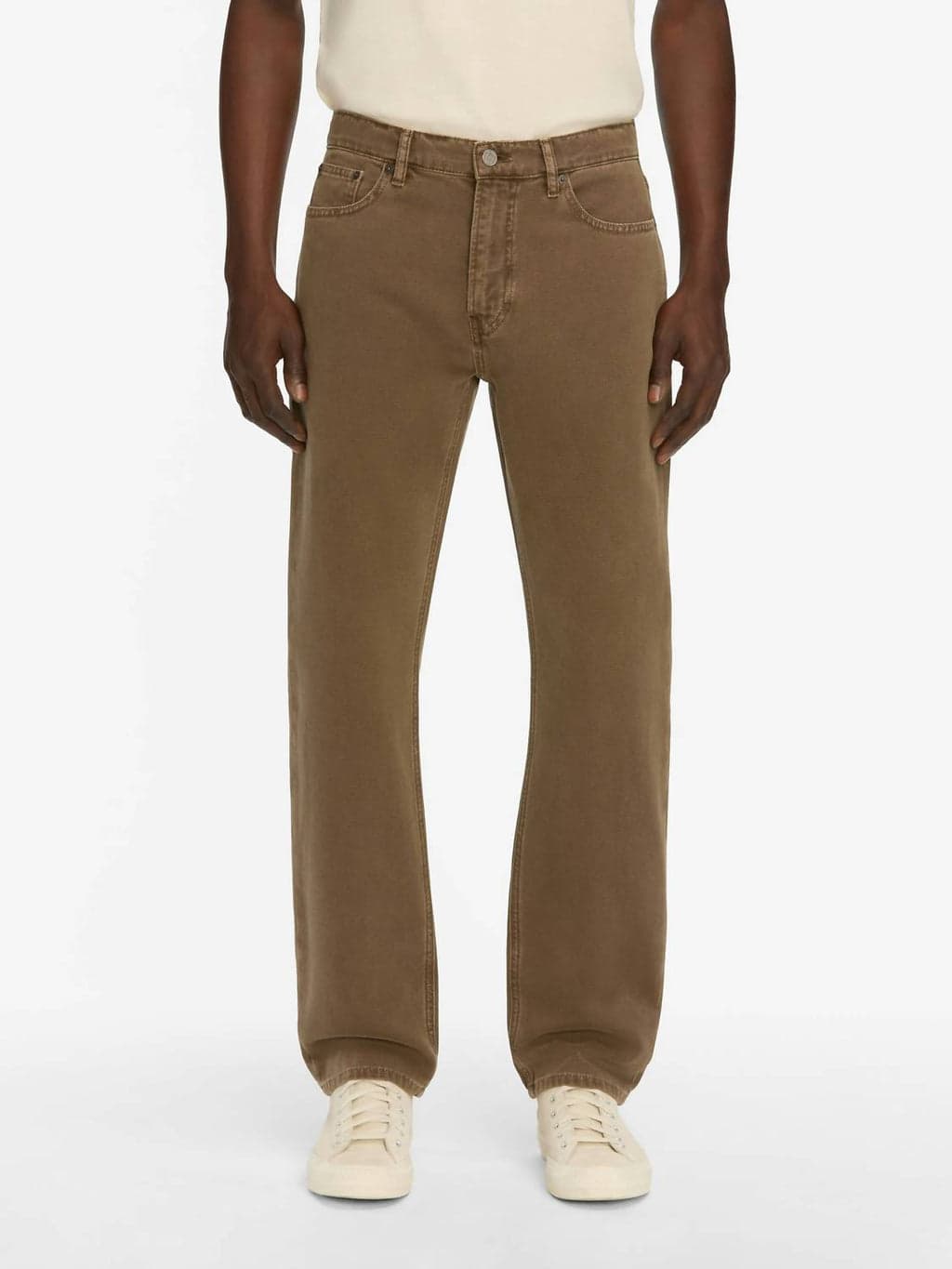
Most jeans are cotton. The score gap is usually the stretch yarn and whatever finish the listing is selling. This page ranks the denim we have already analyzed so you can see those blends instead of guessing from the word “selvedge” or “eco.”

Stain- or water-repellent denim marketing is a finish question. Without product-specific chemistry, PFAS status is unknown.

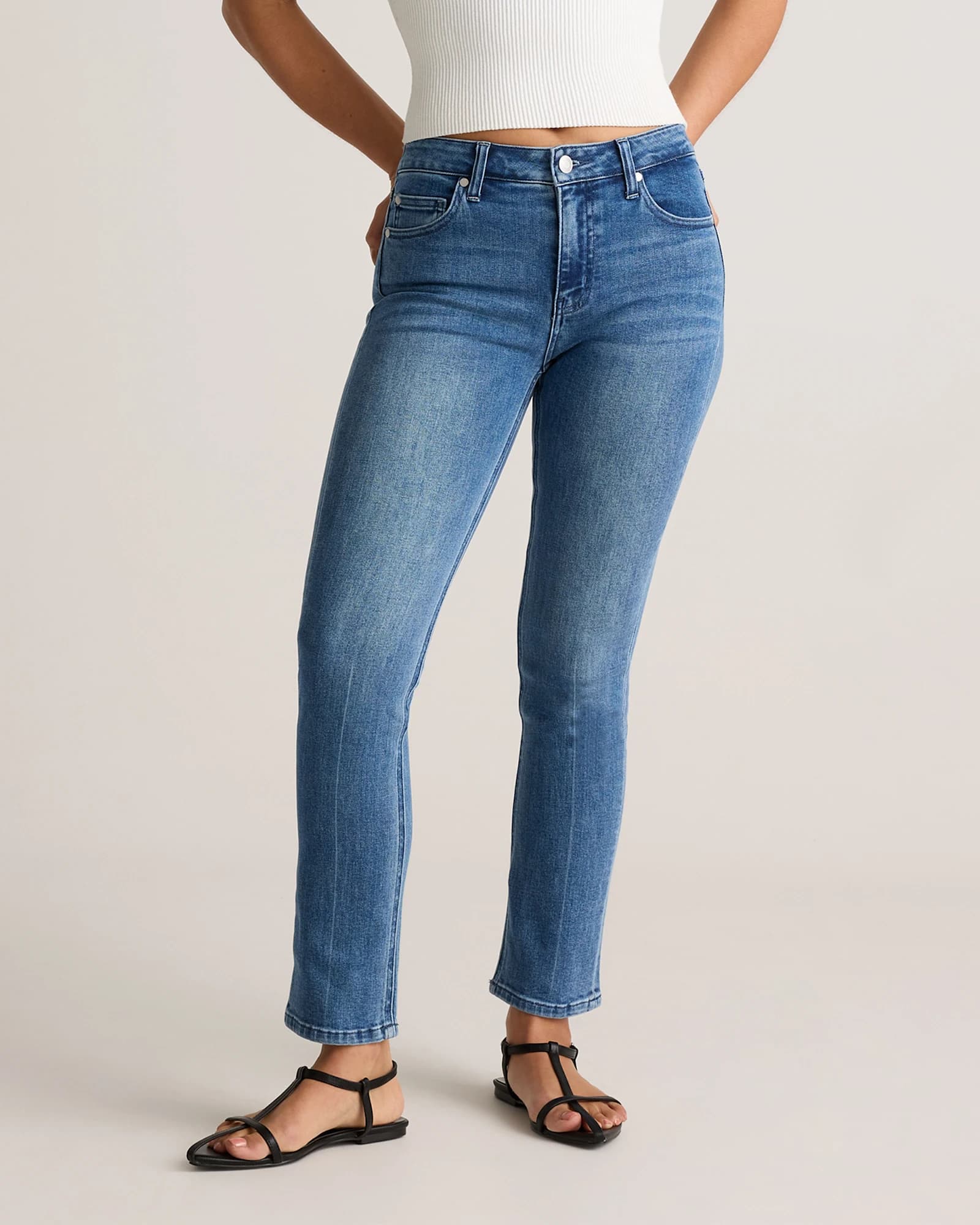
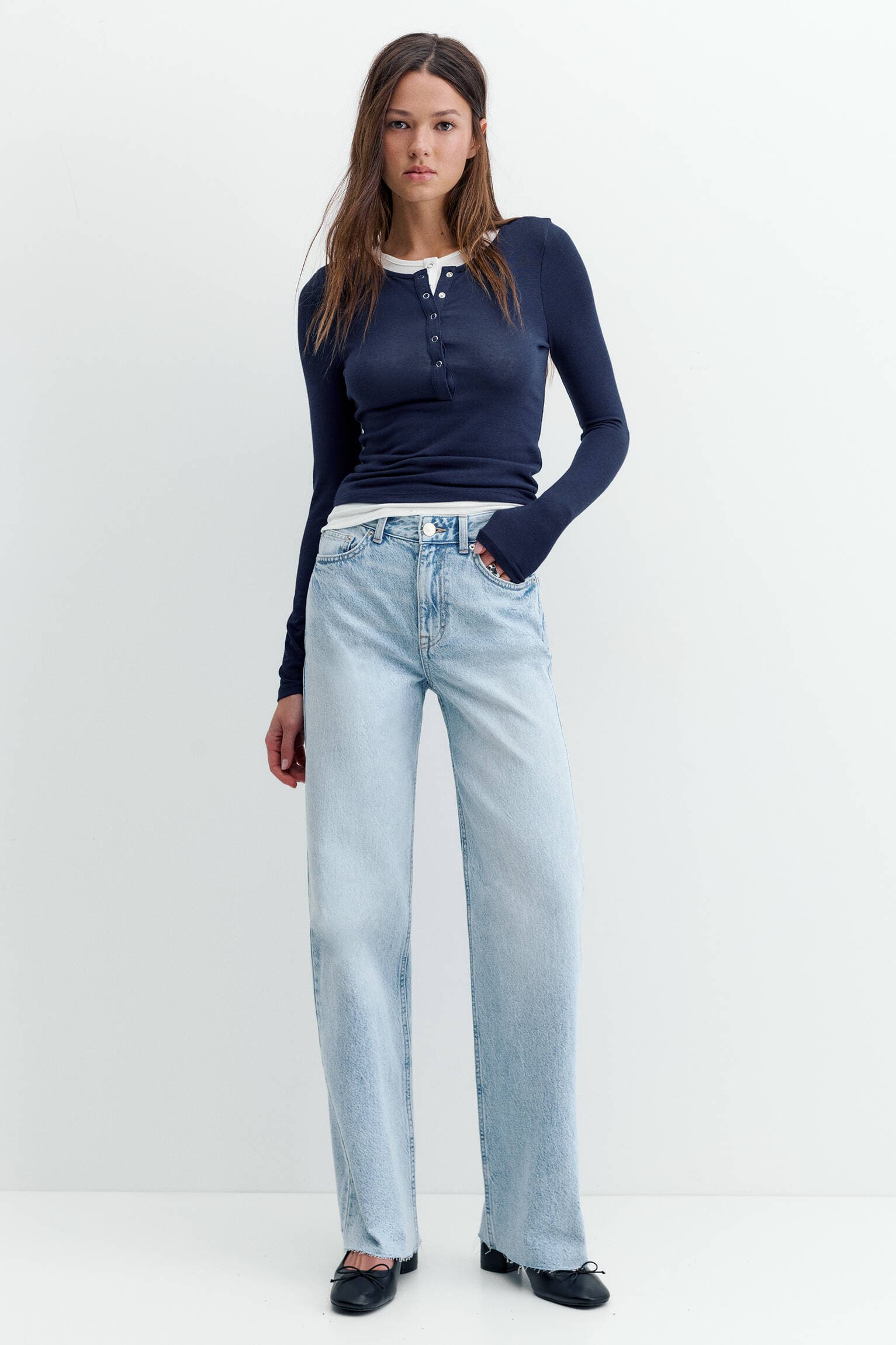
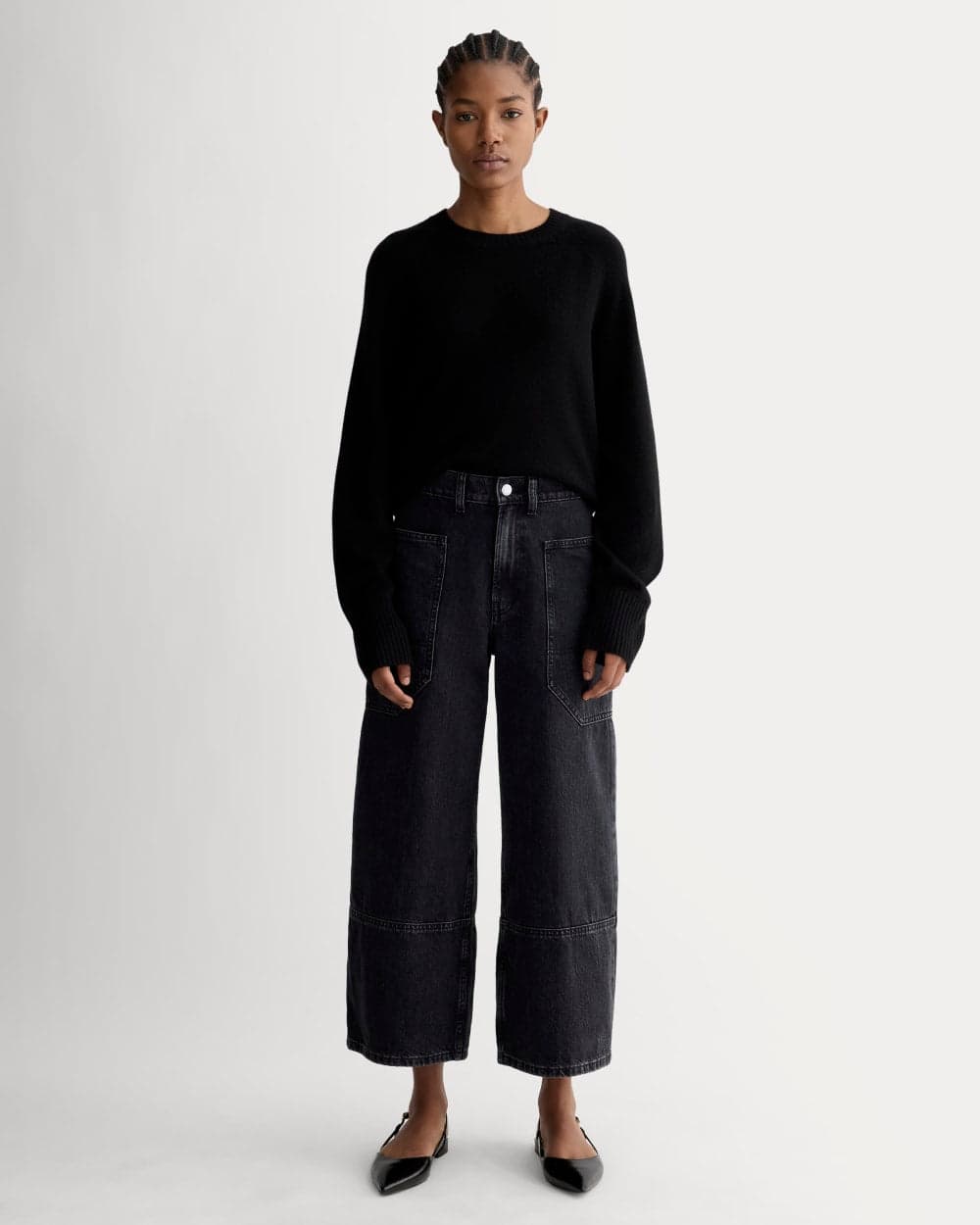
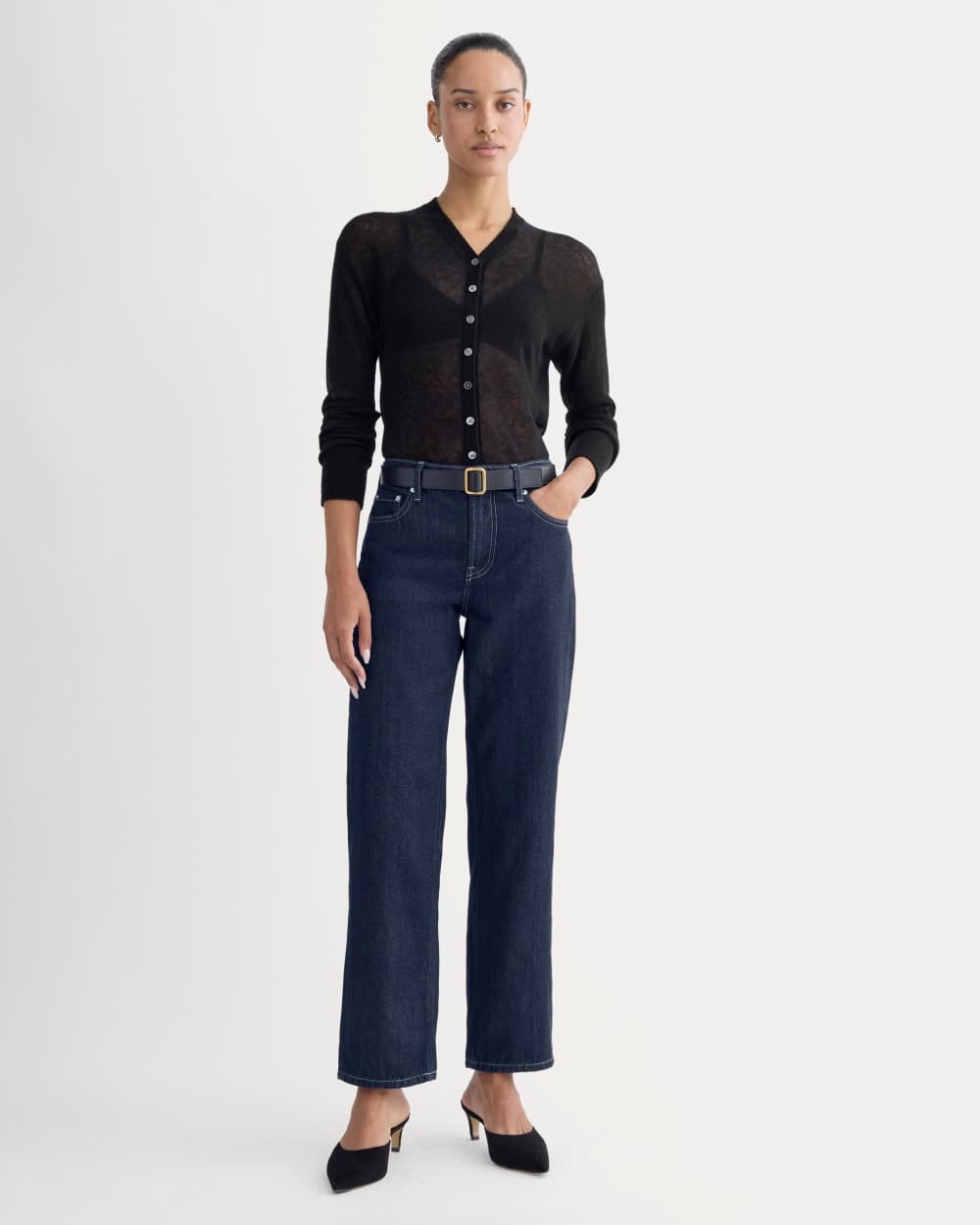
Highest-scoring jeans and denim we have analyzed

159 visible scored products match this category.

View all top-scored products

What to check on a jeans label

  1. 100% cotton or organic cotton denim usually ranks higher than stretch pairs that add elastane or polyester.
  2. A little elastane is how a lot of modern jeans fit. That is different from a poly-stretch denim that is no longer mostly cotton.
  3. Hemp shows up in some heavier denim. It is a plant bast fiber, not a gimmick name, and it usually scores well when it is a real percentage of the fabric.

Shopping for a specific brand?

See how popular jeans and denim brands stack up and find higher-scoring picks.

Have a specific item in mind?

Paste the product URL into the analyzer or paste the fabric label into the homepage checker. Both work without an account.

Jeans questions

Are rigid cotton jeans always the highest scoring?

They often rank well because the blend is simple. A high score still does not speak to dyes, finishing chemistry, or whether a water-repellent claim was backed by product-specific evidence.

Is stretch denim automatically a poor score?

No. A mostly cotton jean with a little elastane is a different blend from polyester-stretch denim. Read the percentages.

How do you score jeans?

Each product starts at 100 and is scored from its disclosed material composition and available certification information. Material-level penalties across six factors are combined in proportion to the stated fiber blend. The score compares available evidence. It is not a medical or product-safety certification. The methodology page has the details.