The usual better tradeoff, not a natural fiber
This is not a list of plant or animal fibers. It is the synthetic feedstock that usually ranks higher inside a category that is almost entirely synthetic.

Swimwear
There is no widely available cotton bikini that behaves like swimwear. This page ranks the suits we have scored, which are mostly polyester or nylon, and treats water-repellent finishes as a PFAS question rather than pretending a plant-fiber swap is on the rack.
Recycled polyester is still polyester for shedding. The usual “better” pick in this category is a recycled-poly suit without a DWR story, not a claim that the suit is PFAS-free.
23 visible scored products match this category.
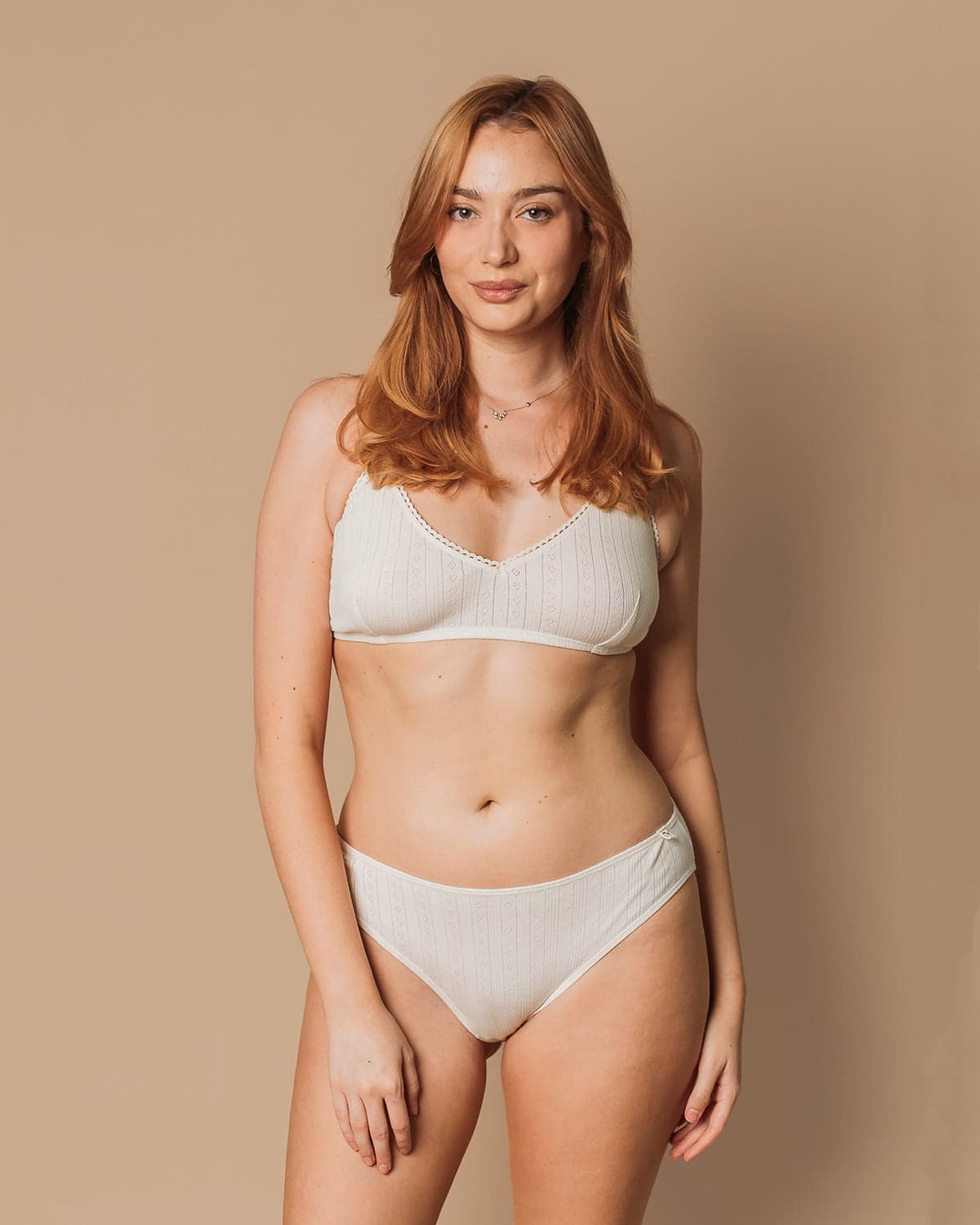
Q for Quinn

Q for Quinn
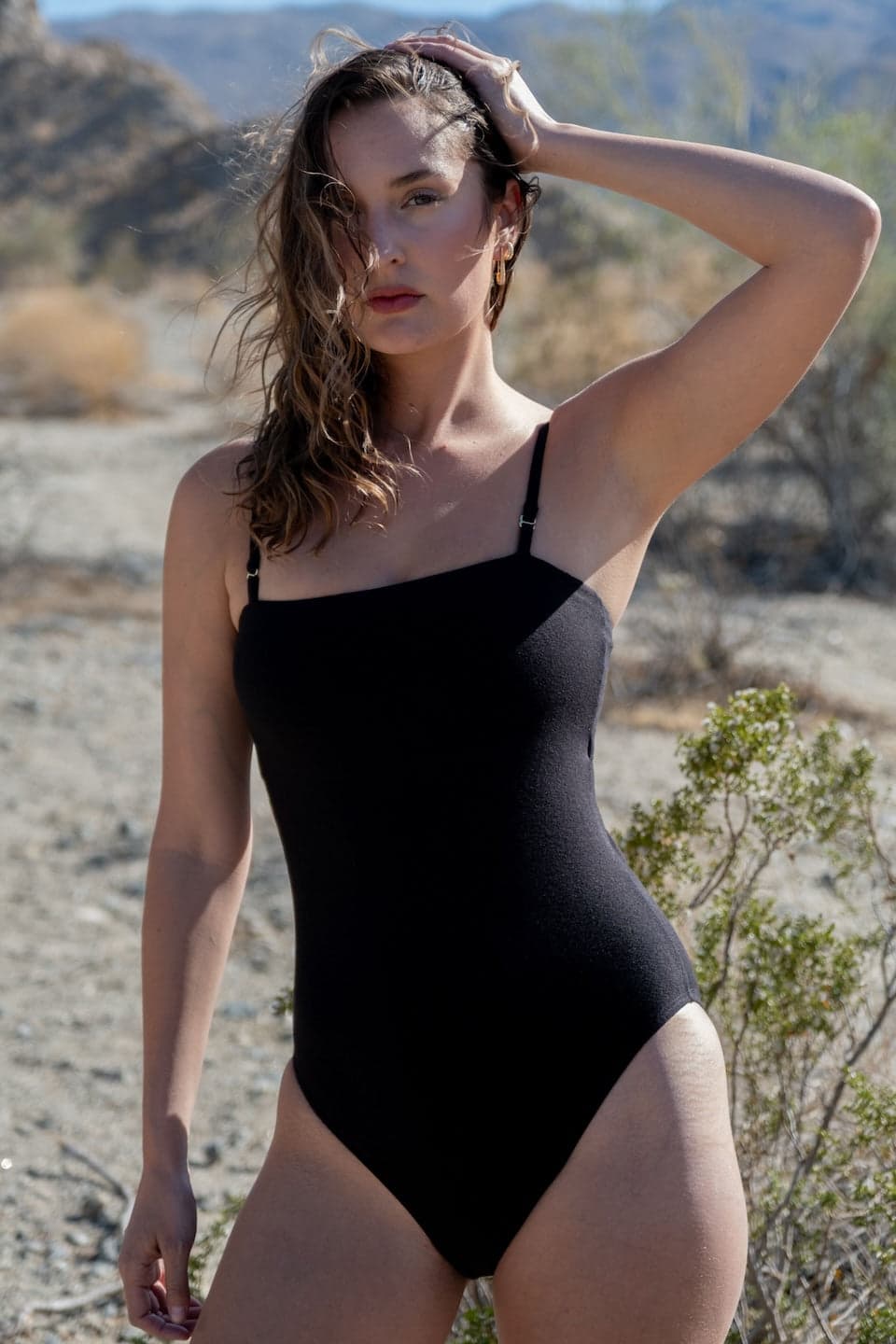
BeachCandy

Mighty Good Basics
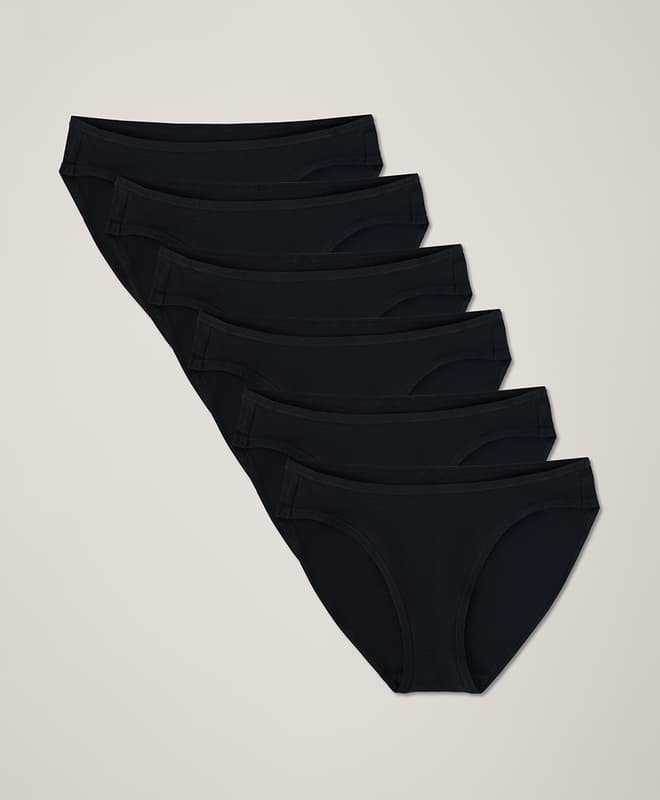
Pact

BeachCandy

Subset
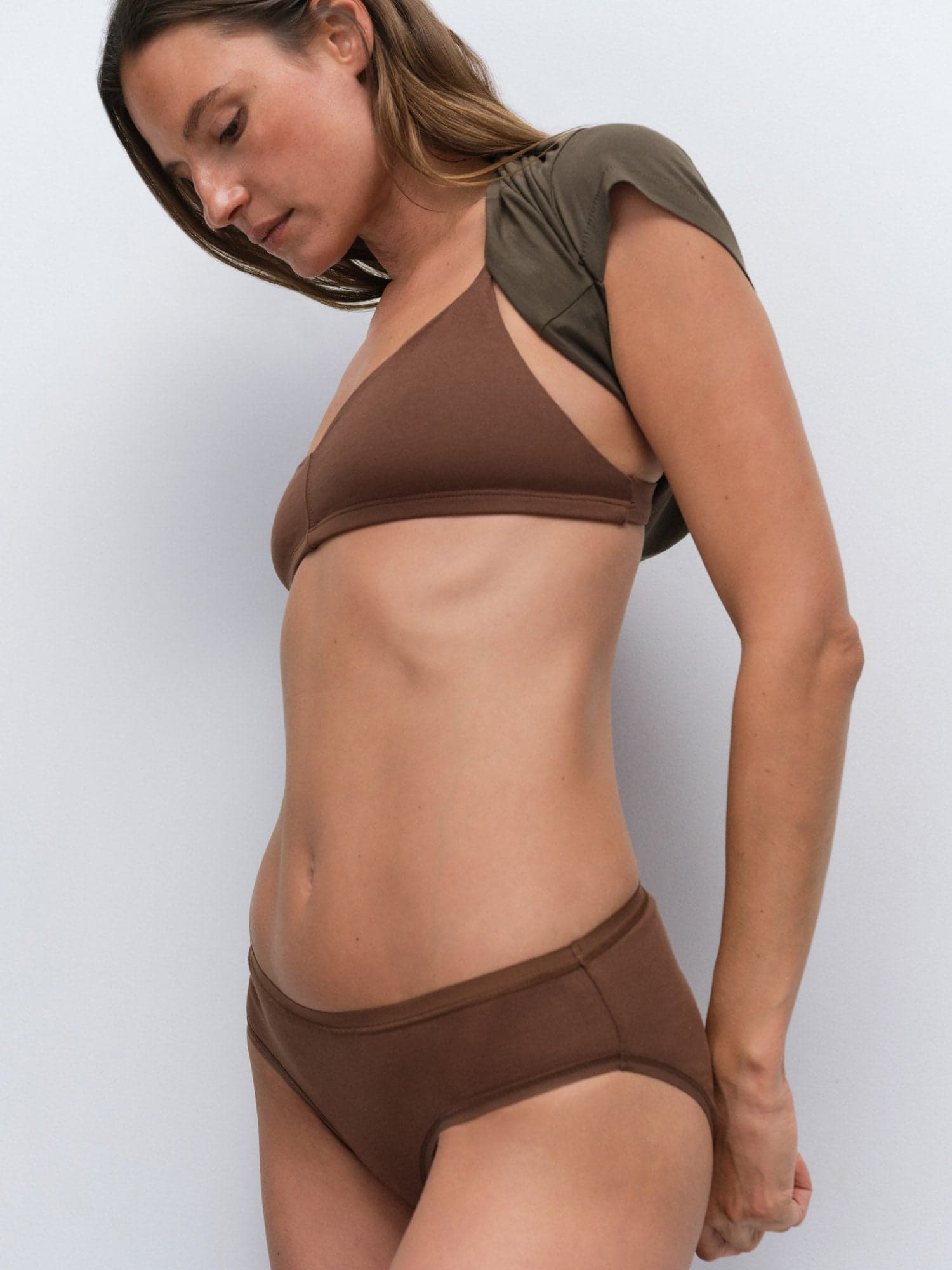
MATE the Label
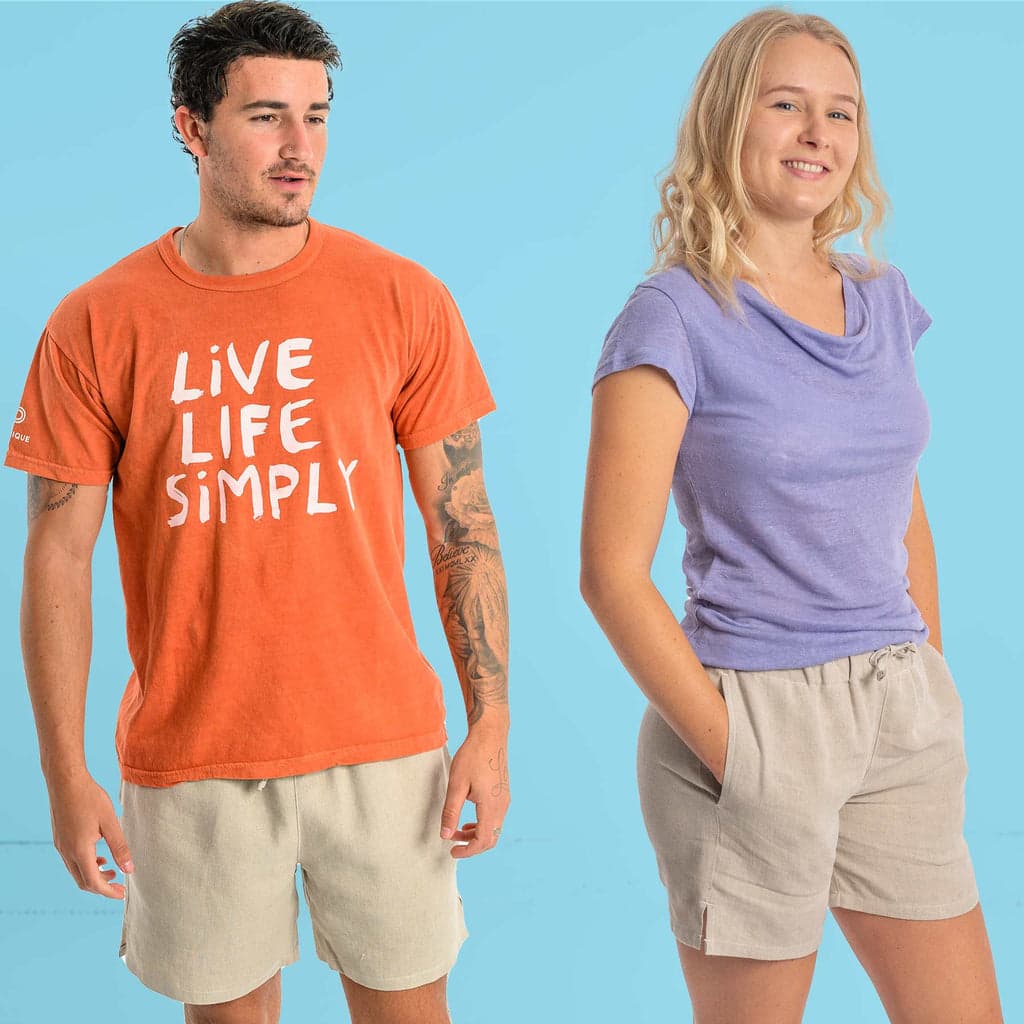
Rawganique
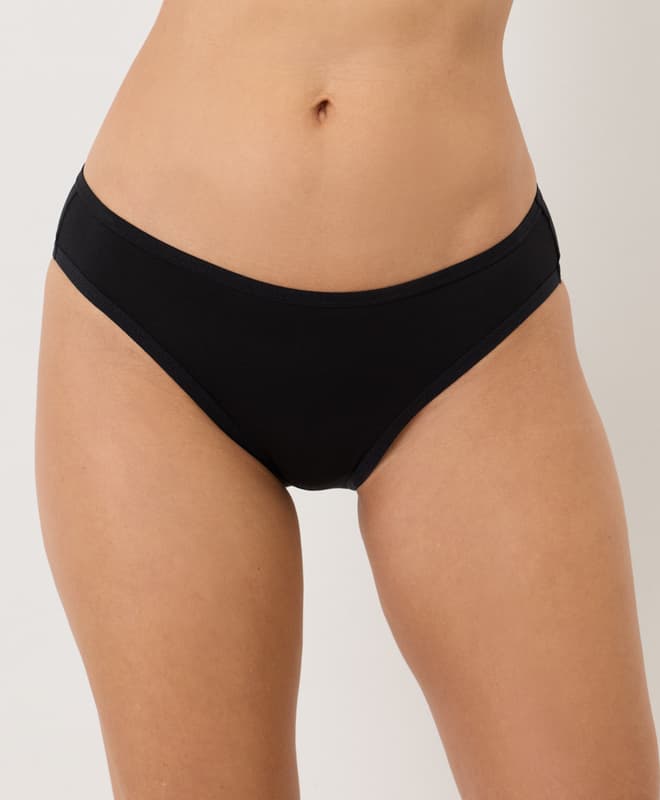
PACT

Pact

NATASHA TONIC

Pact

NATASHA TONIC
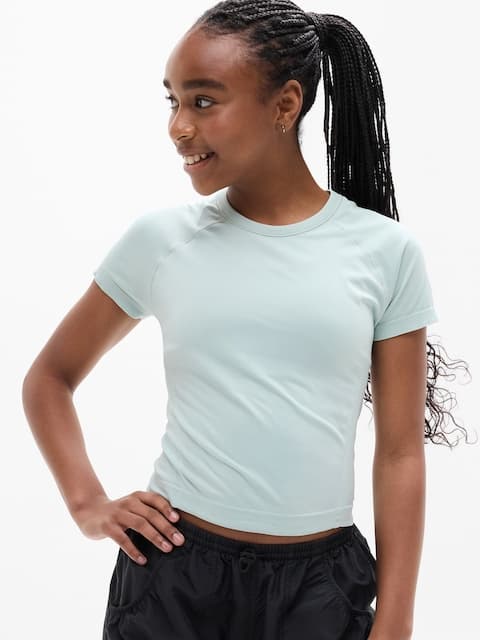
Athleta
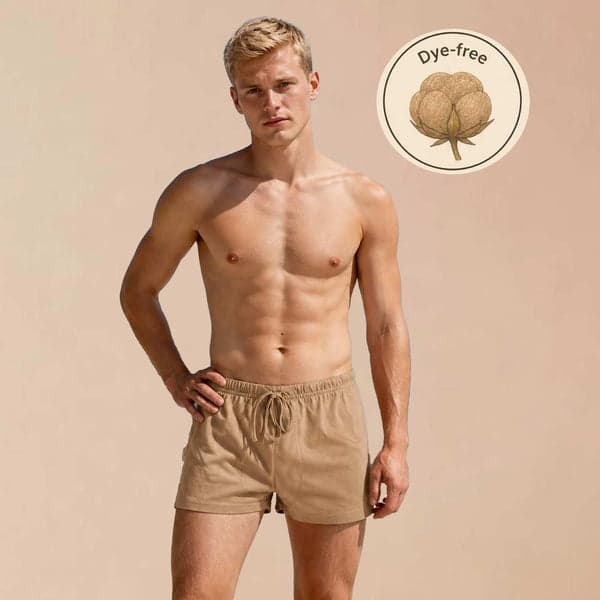
Rawganique
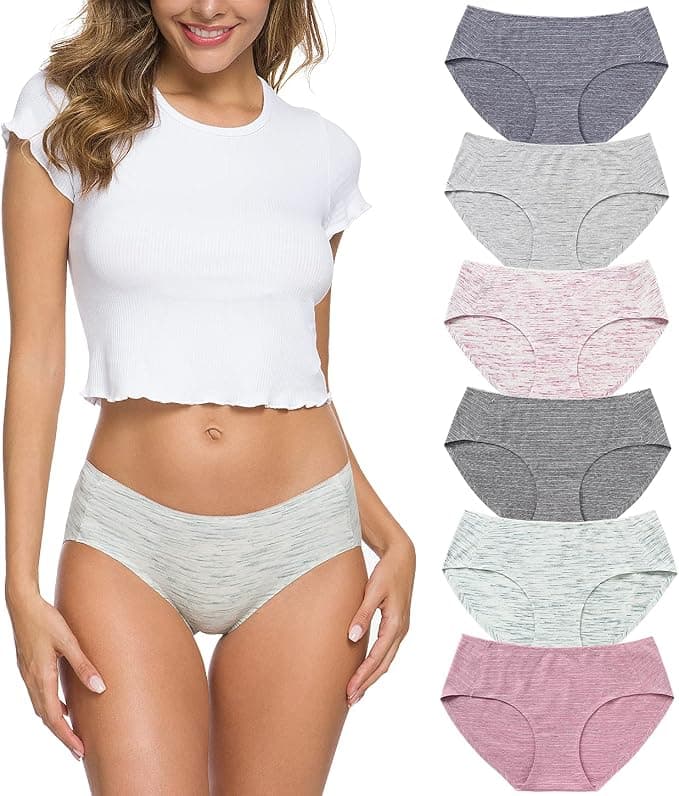
Wealurre
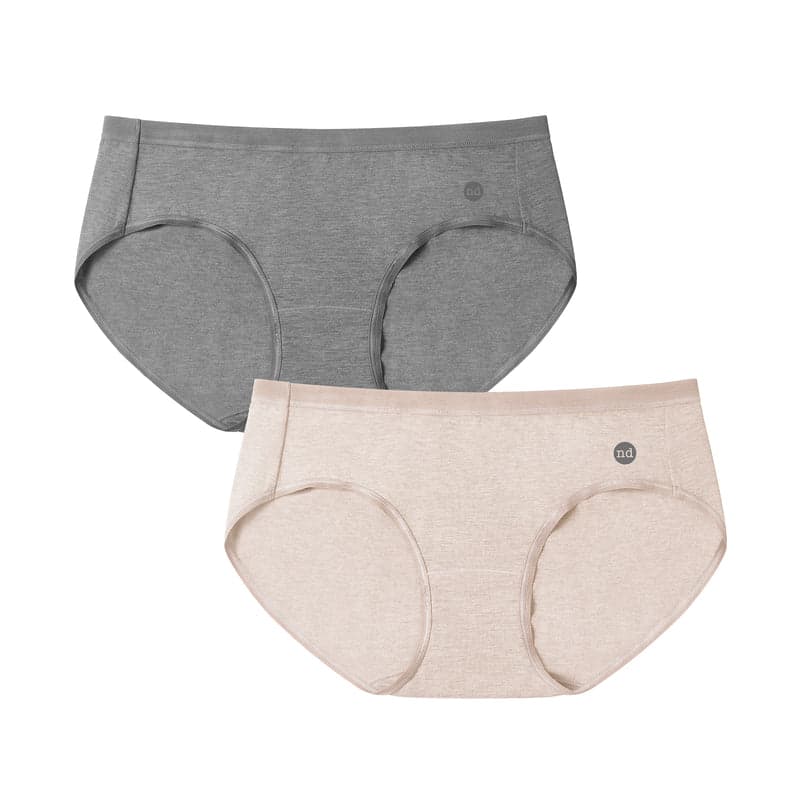
Nest Designs
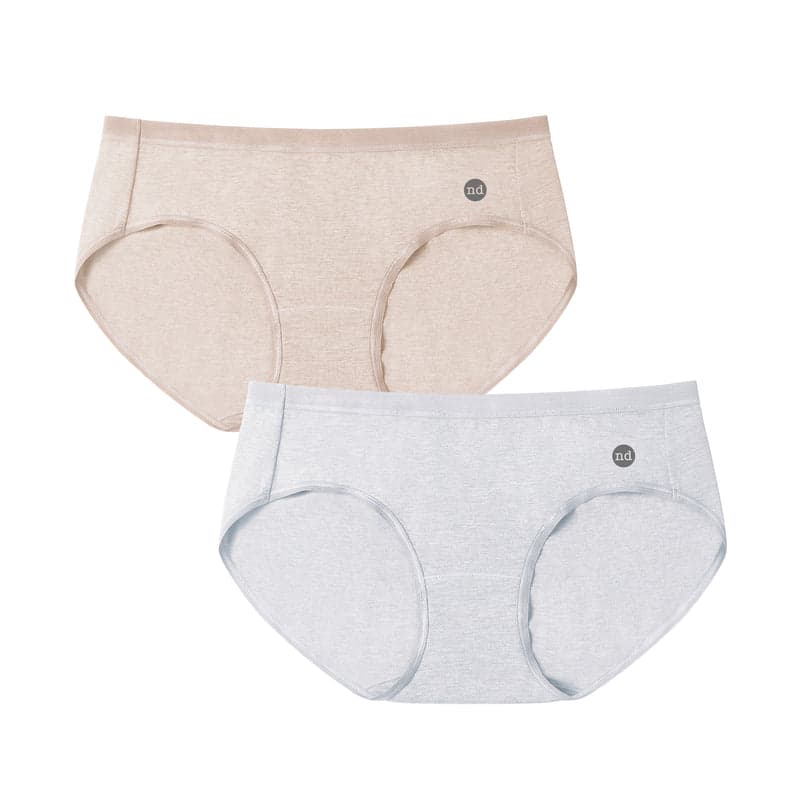
Nest Designs

Bombas
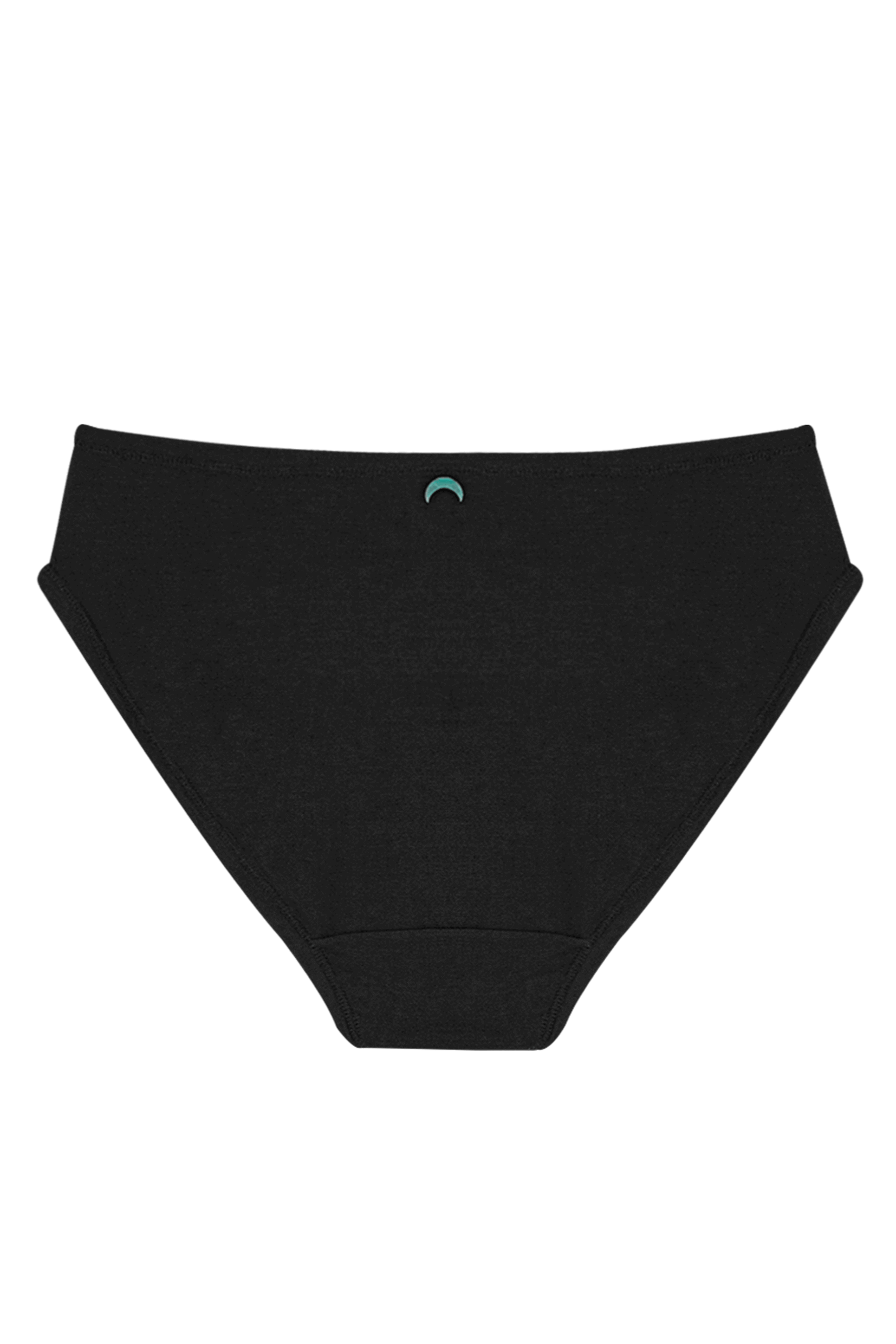
huha
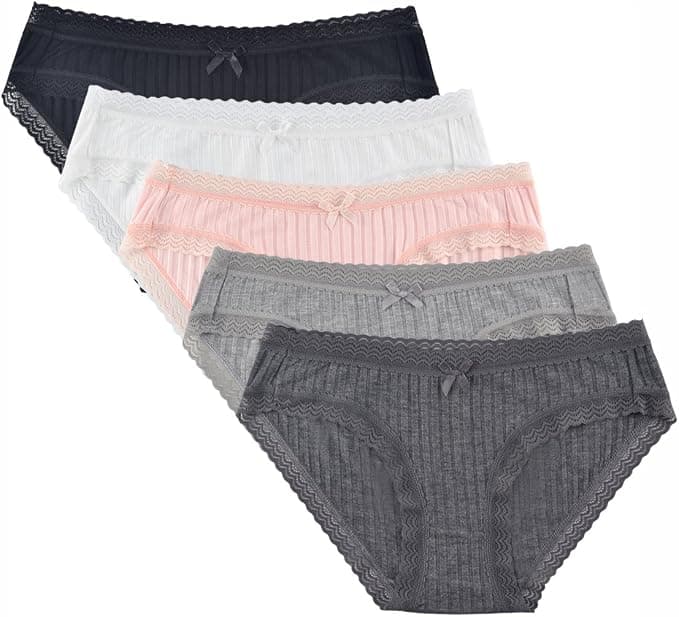
KNITLORD
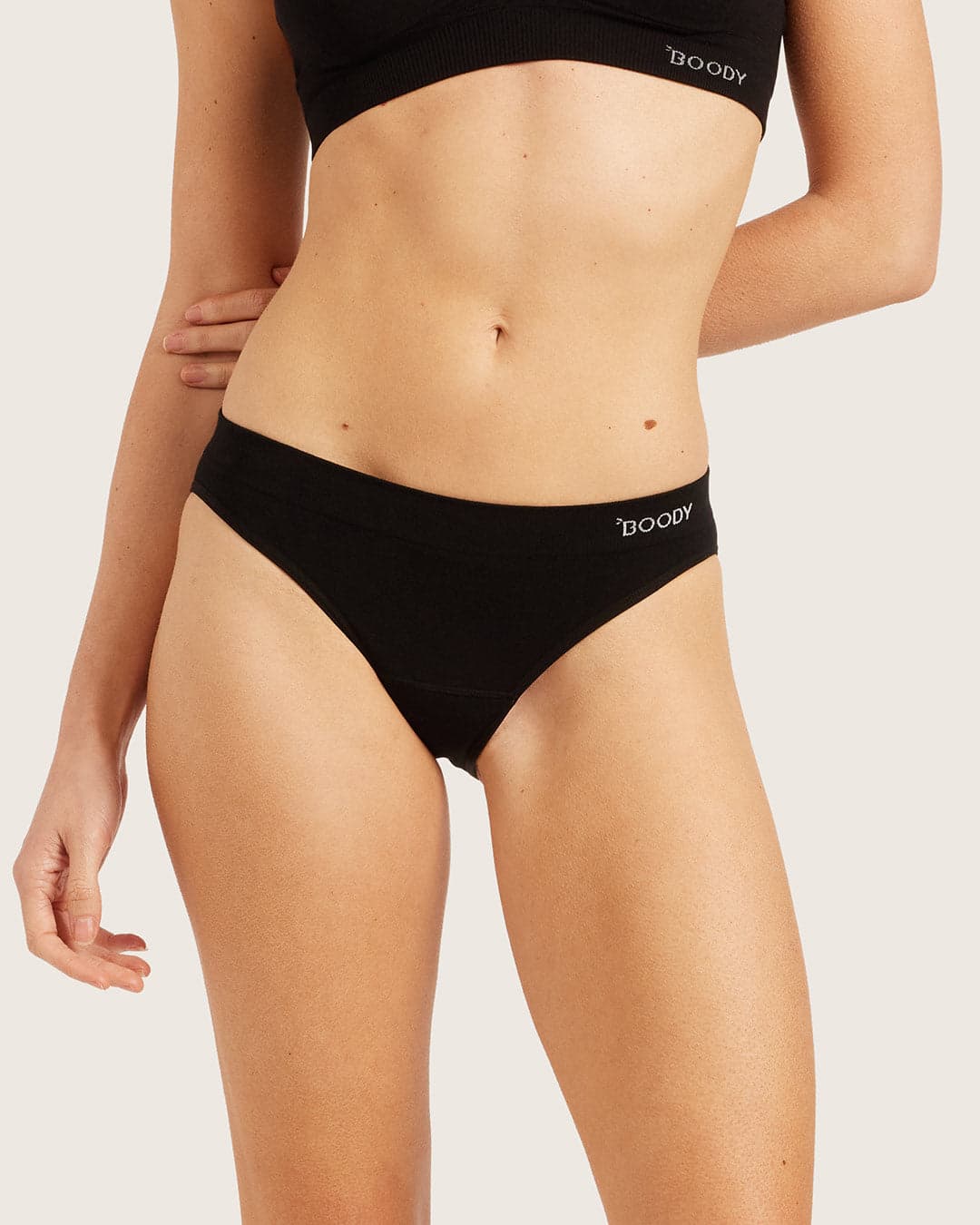
Boody
This is not a list of plant or animal fibers. It is the synthetic feedstock that usually ranks higher inside a category that is almost entirely synthetic.
Swimwear is one of the categories most consistently flagged for PFAS-based water-repellent finishes. It is also one of the highest microplastic-shedding garments. Recycled-polyester swimwear without DWR finishes is usually the better tradeoff in the catalog we have, not a natural-fiber alternative.
Paste the product URL into the analyzer or paste the fabric label into the homepage checker. Both work without an account.
Because they are not how almost any swimsuit is made. Putting them on this page would imply a swap that shoppers cannot make. The honest comparison is among polyester, recycled polyester, nylon, elastane, and whatever finish the listing discloses.
Not because it is recycled. PFAS questions attach to water-repellent and similar finishes. We only use a PFAS-free or fluorine-free statement when it is product-specific and says what it covers.
Each product starts at 100 and is scored from its disclosed material composition and available certification information. Material-level penalties across six factors are combined in proportion to the stated fiber blend. The score compares available evidence. It is not a medical or product-safety certification. The methodology page has the details.