
Your Guide to Choosing Healthier Eco Friendly Socks
Organization-authored. Editorial policy · Report an error
Eco-friendly socks are those made, dyed, and finished in a way that minimizes harm to human health. While material choice—like organic cotton or wool—is part of the equation, the most significant factors are the invisible ones: pesticide residues from farming, harmful chemicals in dyes, and microplastics shed during washing. A health-first approach focuses on what touches your skin and what you might inhale in your home.
What People Commonly Assume
It’s easy to see why people think natural fibers like cotton are automatically "good" and synthetics are "bad." The logic is reasonable—plant-based materials feel closer to nature and less chemically intensive. That instinct often points in a healthier direction.
However, a material’s label is not the whole story. Conventionally grown cotton, for instance, is one of the most pesticide-heavy crops in the world. This is where the tradeoff becomes less obvious, and context matters more than simple rules.
The Health Tradeoffs of Sock Materials
The material pressed against your skin all day has practical implications for your health. What works for a sweaty workout is different from what’s best for sensitive skin worn under shoes for eight hours. This is not about “good” or “bad” materials, but about making an informed decision for your specific needs.
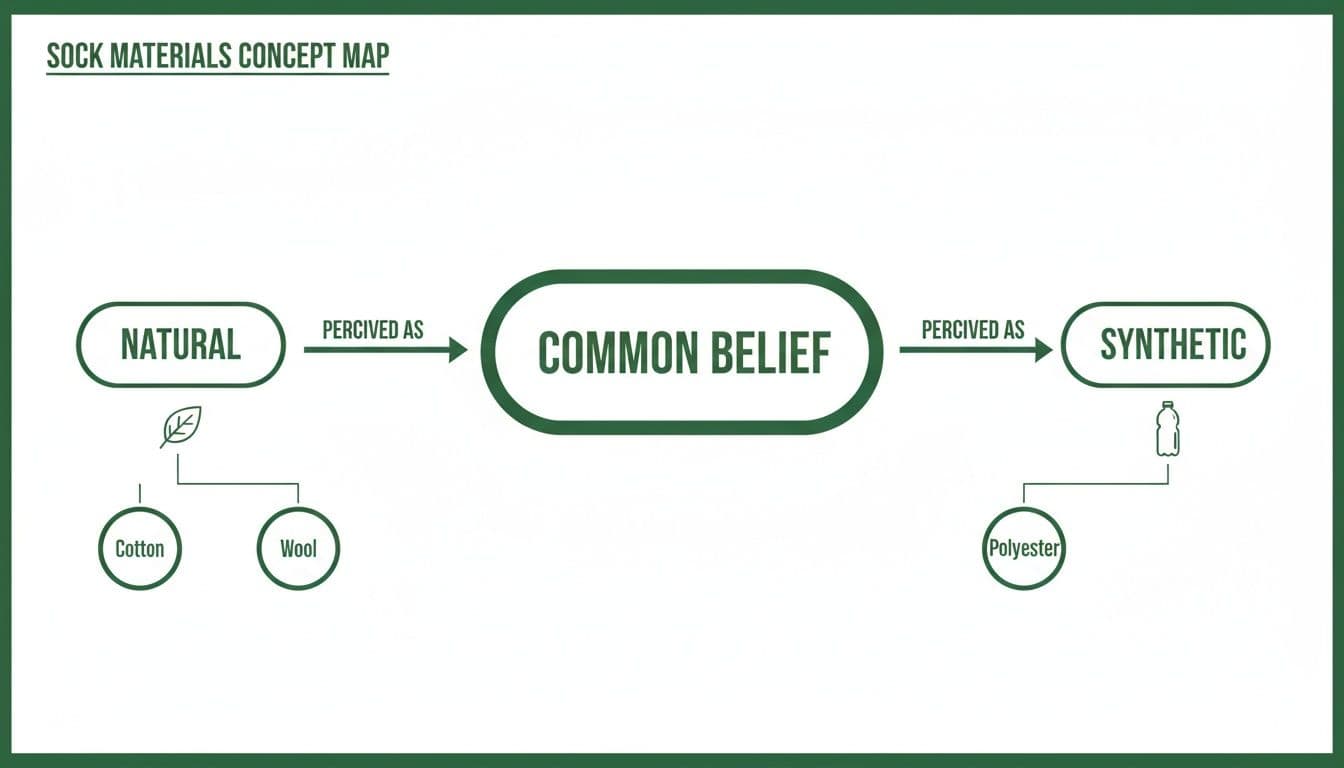
Here are the tradeoffs for common sock fibers:
-
Organic Cotton: Its main health advantage is the near-zero pesticide residue on the final fabric. The tradeoff is performance. Cotton absorbs moisture and holds it against the skin, creating a damp environment that can be problematic for foot health during exercise.
-
Wool (especially Merino): Excellent at managing moisture and temperature, keeping feet dry. The potential concern is skin sensitivity. For some individuals, wool is an allergen that can cause direct irritation and itchiness.
-
Recycled Synthetics (Polyester, Nylon): These are durable and highly effective at wicking sweat away from the skin. The cost is microplastic shedding. With every wash, these fabrics release microscopic plastic fibers into laundry wastewater and the air inside your home—where they can be inhaled.
-
Bamboo Viscose: The fabric itself is soft and has some moisture-wicking properties. The tradeoff occurs during production. Turning woody bamboo into soft fabric requires a harsh chemical process. Without a "closed-loop" system, these chemicals can be released into the environment.
-
Dyes & Finishes: This isn't about the fiber, but what's added to it. Many vibrant socks use azo dyes, a class of colorants that can break down on contact with skin and release carcinogenic compounds.
What to Look for on Labels
Since you can’t test a sock yourself, third-party certifications are the most reliable tool for verifying a product’s health and safety claims. They provide independent proof that goes beyond marketing language.
-
GOTS (Global Organic Textile Standard): Look for this if you are prioritizing organic, natural fibers. It ensures the material is at least 95% certified organic and prohibits the use of many harmful chemicals—like specific azo dyes and heavy metals—throughout the entire production process.
-
Oeko-Tex STANDARD 100: This certification focuses on the safety of the final product. It confirms that every component, from the thread to the elastic, has been tested for a list of harmful substances and is safe for direct skin contact. This is a crucial checkpoint for both synthetic and natural fiber socks.
-
Specific Claims: A direct claim like “PFAS-free” is a strong positive signal. It means the sock was not treated with “forever chemicals” for stain or water resistance. Vague terms like "eco-friendly" are less useful.
Key Takeaways
Choosing a healthier sock is about understanding specific risks and looking for verifiable proof, not just picking a "green" material.
- Focus on what touches your skin. The primary health concerns are pesticide residues, harmful dyes, and finishing chemicals.
- Trust certifications over marketing claims. GOTS and OEKO-TEX are your most reliable indicators of a sock's safety.
- Every material has a tradeoff. Organic cotton is great for sensitive skin but poor for sweaty activity; synthetics wick sweat well but shed microplastics.
- Your laundry routine matters. Washing synthetic socks in cold water and using a filter bag can significantly reduce the release of microplastic fibers into your home's air and local waterways.
Limitations and Uncertainty
Our analysis is based on publicly available research, brand disclosures, and third-party certifications. We do not conduct our own lab testing. Retailer disclosure gaps are common, which can make a complete, side-by-side comparison of all products difficult. Furthermore, research on the health impacts of textile chemicals and microplastics is still evolving. Individual sensitivity to materials and chemicals also varies.
Scored products matching this guide
See all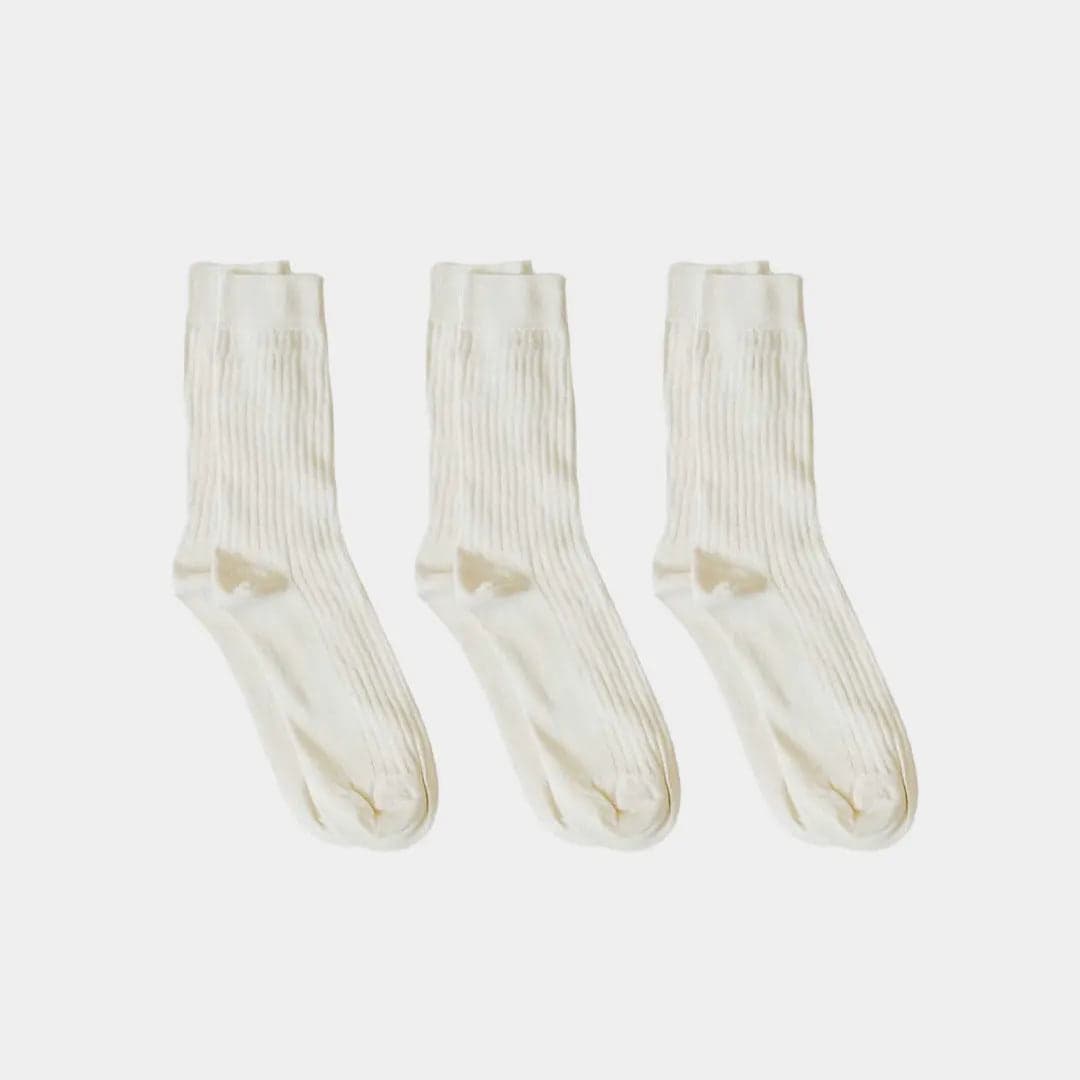
Natural (no dye) Adult Ribbed Socks - 100% Organic Cotton
Brand: Q for Quinn
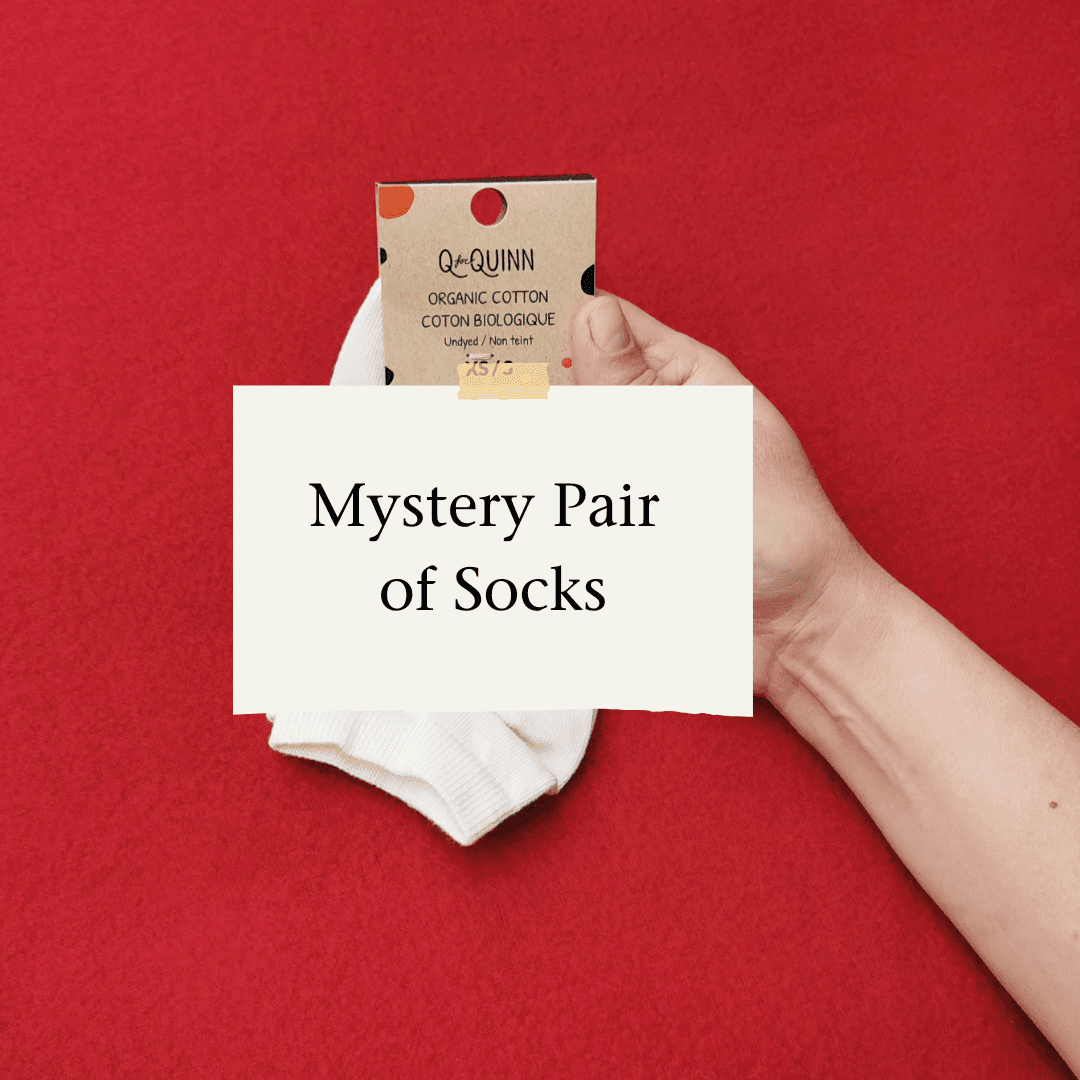
Mystery Pair - Organic Cotton Adult Socks
Brand: Q for Quinn
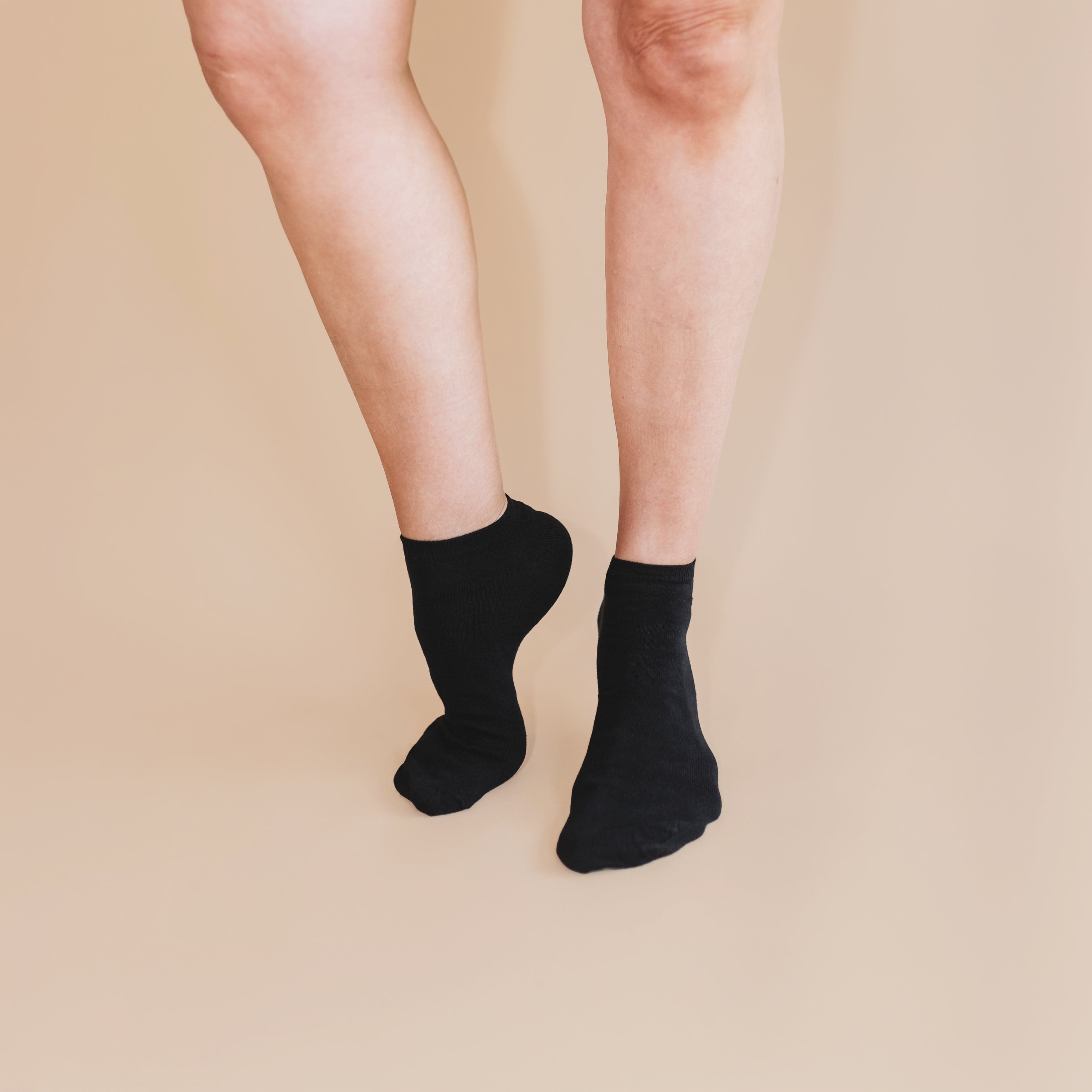
Everyday Adult Lightweight Ankle Socks - 98% Organic Cotton
Brand: Q for Quinn
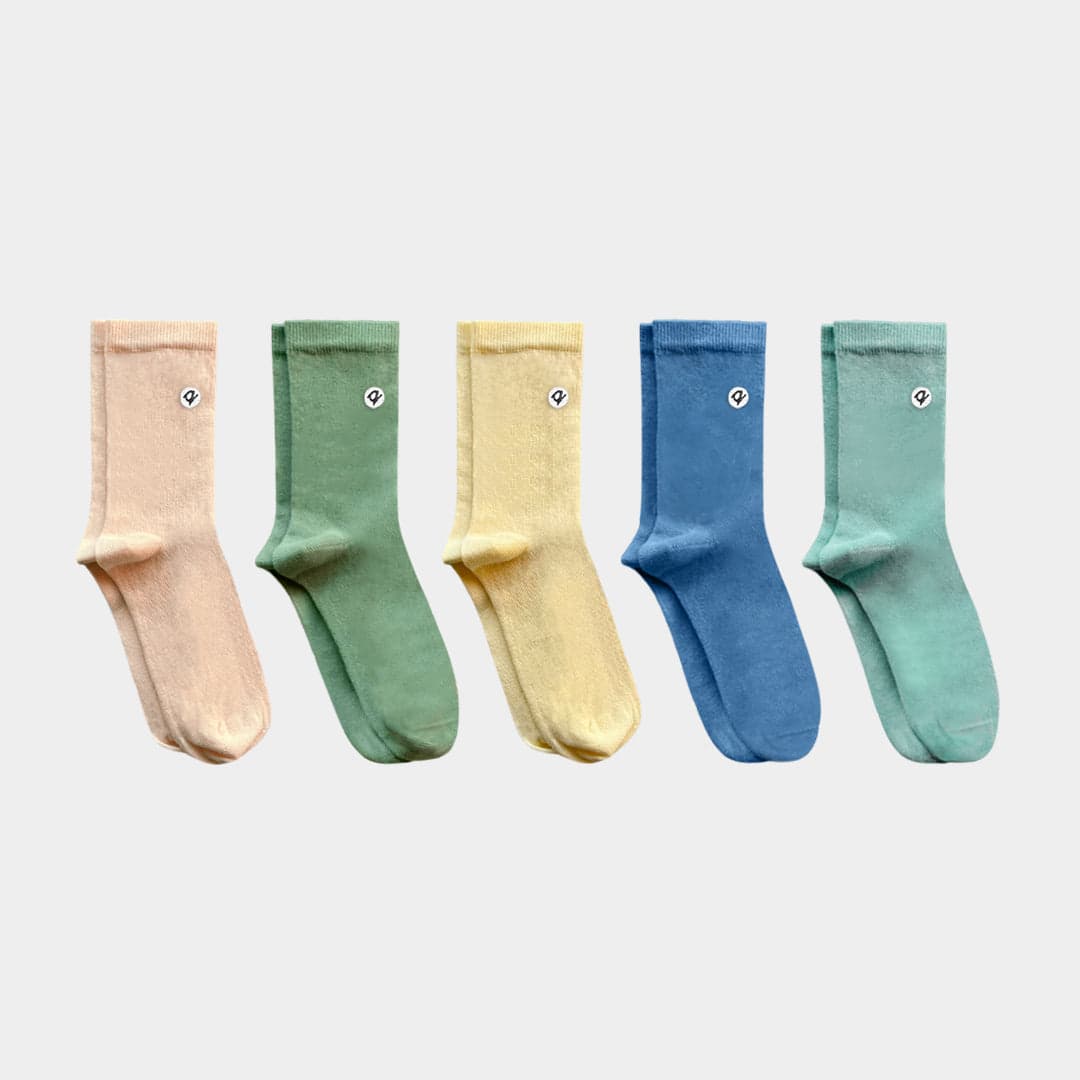
Organic Pastels Adult Socks (5 pairs) - 98% Organic Cotton
Brand: Q for Quinn