
Is Everlane a Good Brand? A Health-First Analysis
Organization-authored. Editorial policy · Report an error
From a human health perspective, asking “is Everlane a good brand?” reveals a set of tradeoffs. The brand uses some excellent natural fibers like GOTS-certified organic cotton. However, it also relies heavily on synthetic materials—especially recycled polyester and elastane—which raises potential concerns about what touches your skin.
This is a story about material choices. You will find these synthetics in popular items like leggings and activewear. This brings up questions about everything from chemical residues left over from manufacturing to the shedding of microplastics with every wash.
What People Commonly Assume About Everlane
It’s easy to see why people think of Everlane as one of the “good guys.” The brand’s identity was built on the idea of ‘Radical Transparency,’ complete with photos of factory floors and pricing breakdowns for each product. This marketing creates a feeling that buying from Everlane is an inherently better choice.
We see the transparency on pricing and it’s reasonable to assume that clarity extends to everything else, from fair wages to the chemicals used to dye the clothes. This is where the story they tell and the reality of their materials can diverge. The core assumption is that transparency in one area means transparency in all areas.
The Health Tradeoffs of Shopping at Everlane
The honest answer isn't a simple yes or no. When you buy from Everlane, you are navigating a series of tradeoffs—especially concerning the materials that sit against your skin.
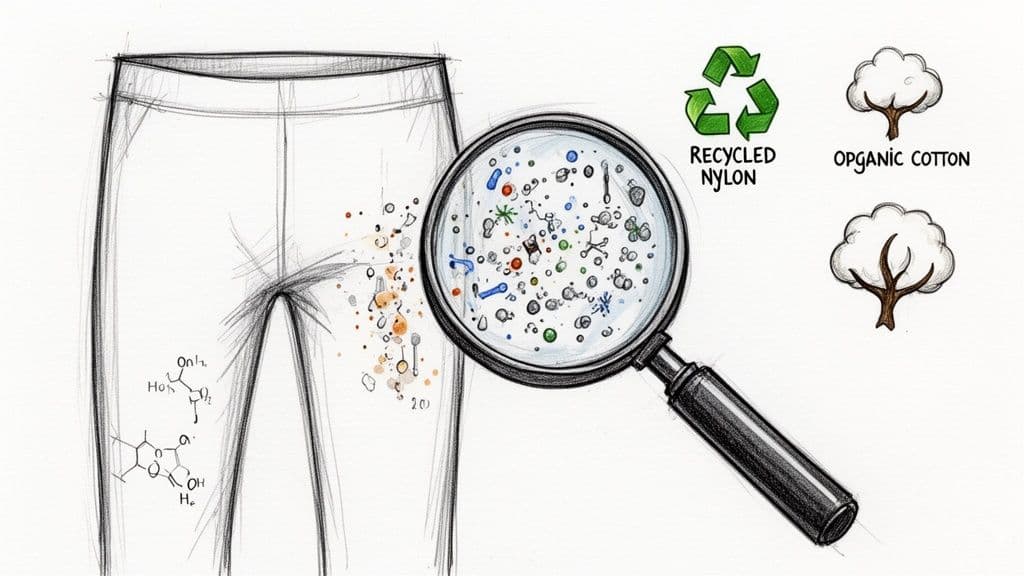
Consider a pair of their popular Perform Leggings, which are made from recycled nylon and elastane. On one hand, using recycled plastic seems positive. But the tradeoff is that those leggings shed tiny synthetic fibers every time you wash them. This contributes to microplastic pollution, which is now found in our water, food, and bodies.
When looking at an Everlane tag, here are the key material tradeoffs to consider:
- Recycled Synthetics (Nylon, Polyester): The benefit is keeping plastic out of landfills. The potential concern is that it still sheds microplastics when worn and washed. The recycling process itself can be chemically intensive, and it’s difficult to know what residues remain in the final garment.
- Conventional Cotton: This crop is known for its heavy reliance on pesticides. It is suspected that some chemical residues can remain in the finished fabric, which is a consideration for anything worn directly against the skin.
- Organic Cotton: Everlane’s use of GOTS certified organic cotton is a clear positive. This certification ensures the cotton is grown without synthetic pesticides and processed according to strict environmental and social criteria. This is a much better choice for what touches your skin.
- Dyes and Finishes: Brands rarely disclose the specific chemicals used for color and performance features. That bright sweater may use azo dyes, some of which can release chemicals suspected of being carcinogenic. This creates an information gap for making an informed decision.
This is where the analytical judgment becomes less obvious. A brand can be transparent about its factory locations while remaining quiet about its chemical management policies.
Quality, Durability, and Your Health
The single most alarming issue isn’t a specific material, but the throwaway cycle created by clothes that don't last. A garment’s lifespan is a critical factor. Durability isn't just about value; it's a health issue. A poorly made item that you have to replace just doubles your exposure to whatever it was made from.
While Everlane's quality is often a step up from typical fast fashion, customer reviews on durability are inconsistent. For every shopper who loves their sweater for years, another complains about a t-shirt that lost its shape in months.
Think about it this way: if you buy a set of organic cotton t-shirts but they warp after a few washes, you’ve essentially purchased fast fashion at a premium price. Your effort to choose a healthier product is undermined by poor construction. Your everyday context matters here. Wearing recycled polyester leggings for a sweaty all-day hike is a different exposure scenario than wearing an organic cotton t-shirt for a few hours at home.
Behind the 'Radical Transparency' Curtain
Everlane deserves credit for getting people to think about where their clothes come from. But the transparency it offers has limits.
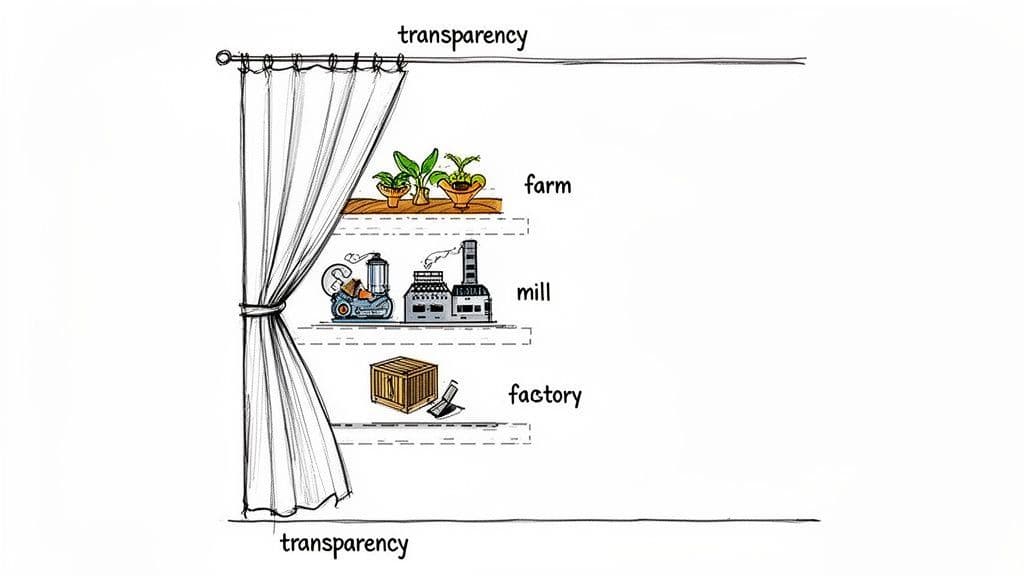
The brand is good at showing its Tier 1 factories, where garments are cut and sewn. The problem is that this is the last step. The earlier parts of the supply chain—the Tier 2 mills that dye fabric and the Tier 3 farms that grow fibers—are often not disclosed. This is where many of the biggest health and environmental issues can be found.
After a rocky financial period, the brand reported its most profitable year in 2023. This turnaround, detailed by Business of Fashion, could provide the stability to invest more deeply in its supply chain. You can explore the full revenue projections for Everlane on ecdb.com.
The most critical link between a business model and your health is how it dictates material choices. A model prioritizing growth and accessible pricing will almost always lean on cheaper, easier-to-source synthetic materials over more expensive, certified natural fibers. Their use of smart operational choices, like Everlane's efficient product photography, helps manage costs.
What to Look For
When shopping at Everlane, look for specific labels and materials to make a more informed choice from a health standpoint.
- Check for 100% GOTS Certified Organic Cotton: This is your best bet for avoiding pesticide residues and ensuring stricter processing standards.
- Prioritize Natural Fibers: Choose items made from 100% natural materials like wool, linen, or TENCEL™ Lyocell over synthetic blends when possible.
- Scrutinize Recycled Synthetics: If you opt for recycled polyester or nylon, understand the tradeoff between waste reduction and potential microplastic shedding.
- Read Customer Reviews on Durability: Pay close attention to comments about pilling, shrinking, or items falling apart to avoid pieces that won't last.
Key Takeaways
- It’s About Tradeoffs: Everlane offers some healthier choices like organic cotton but also relies heavily on synthetics with potential health concerns.
- Transparency Has Limits: The brand’s ‘Radical Transparency’ primarily covers final-stage factories, leaving gaps in the raw material and processing stages.
- Quality is Inconsistent: Durability varies widely, which can undermine the health benefits of choosing a better material if the garment needs to be replaced quickly.
- Look for Certifications: The GOTS label on their organic cotton products is a reliable indicator of a healthier material choice.
Limitations and Uncertainty
This analysis is based on publicly available information from the brand and third-party reports. We have not conducted our own lab testing on Everlane products for chemical residues. Research on the long-term health impacts of microplastics and certain textile chemicals is still evolving.