
Sustainable Activewear Brands: Fiber Mix, Finishes & Named Options
Organization-authored. Editorial policy · Report an error
Sustainable activewear still needs a disclosed fiber mix and a product-specific finish check. Recycled polyester and nylon remain plastics. Use named options below for a next step, not a medical ranking.
Activewear options with a disclosed fiber mix
Selection reviewed 2026-09-05. These are named next steps with disclosed-composition evidence. They are not a medical ranking, a PFAS-free guarantee, or wear-tested dupes.
- Named brands with a workout use case: stretch, sweat, or outdoor layers.
- Example garments come from the current visible catalog when a matching record exists.
- Recycled polyester and nylon remain plastics. They are not ranked as non-toxic because they are recycled.
- Affiliate compensation does not affect order.
Vuori
Performance tees and joggers shoppers actually search
The evidence guide and alternatives hub separate disclosed blends from PFAS or non-toxic slogans.
Do not treat Vuori as PFAS-free from a fiber label. Use the evidence article for what current sources show.
Current catalog example: Birch Jogger (25/100; Polyamide 71%, Cotton 26%, Elastane 3%). Price and availability are not used in this ranking; check the current retailer listing. Retailer source recorded in the catalog
Patagonia
Outdoor training and trail layers
Finish and recycled-feedstock claims can be compared on scored items instead of a lifestyle headline.
Performance water resistance is where PFAS questions still belong, product by product.
Current catalog example: Men's Terrebonne Joggers (28/100; Recycled Polyester 100%; listed certifications: Fair Trade Certified, bluesign® approved). Price and availability are not used in this ranking; check the current retailer listing. Retailer source recorded in the catalog
Quince
Lower-intensity training and everyday athletic basics
Natural-fiber essentials in the catalog give a non-polyester comparison set for some workouts.
Cotton and cashmere are poor substitutes for high-abrasion, high-stretch sessions.
Current catalog example: Power-Up High-Rise Training Short (14/100; Recycled Nylon 77%, Spandex 23%). Price and availability are not used in this ranking; check the current retailer listing. Retailer source recorded in the catalog
MATE the Label
Studio and recovery layers in organic cotton
Scored cotton tees are a concrete next step when synthetics are the tradeoff you want to avoid.
Organic cotton holds sweat. It is not a replacement for every performance knit.
Current catalog example: Organic Stretch Midi Legging with Pockets (91/100; Organic Cotton 92%, Spandex 8%; listed certifications: Global Organic Textile Standard (GOTS)). Price and availability are not used in this ranking; check the current retailer listing. Retailer source recorded in the catalog
Some product links may be affiliates. Compensation never changes scores or this shortlist.
The fabric touching your skin during a workout matters for your health. Workouts change sweat and friction. That does not let a product page measure chemical absorption or a health outcome from a specific pair of leggings. The goal is not to find a single "best" material, but to understand the tradeoffs involved so you can make an informed decision based on your personal health priorities and performance needs.
What People Commonly Assume
It’s reasonable to think high-performance activewear requires synthetic fabrics. For decades, materials like polyester and nylon have dominated the market because they offer a reliable combination of stretch, compression, and moisture-wicking. This association is reinforced by professional athletes and performance-focused marketing, creating a strong belief that only petroleum-based fabrics can handle a serious workout. This perspective, however, often overlooks what these materials are and what chemicals are used to achieve that performance.
The Tradeoffs
No single fabric is universally "good" or "bad." The right choice depends on your activity, skin sensitivity, and personal health priorities. Here are the practical implications of common material choices.
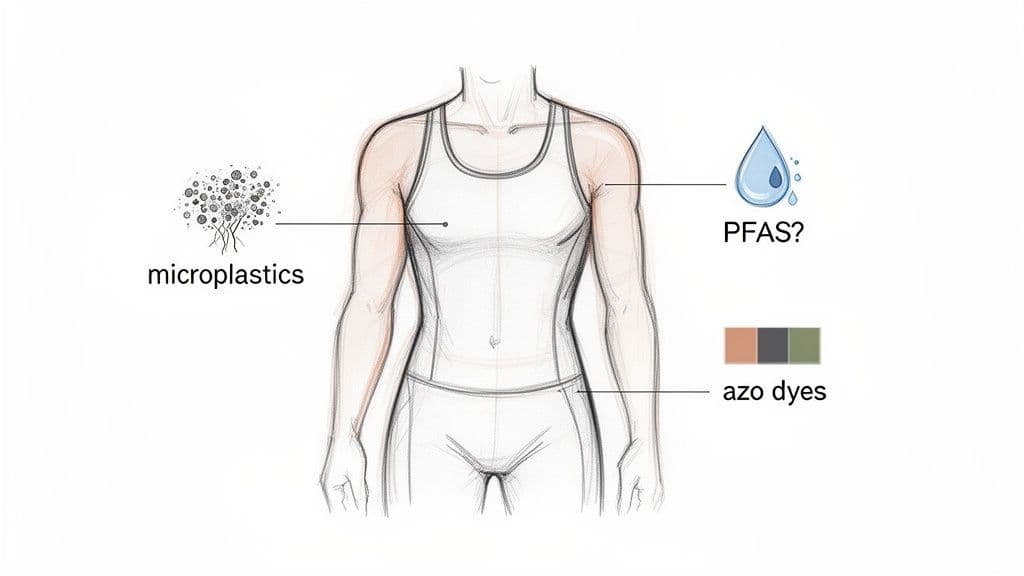
- Synthetic Fabrics (Polyester, Nylon): These materials excel at wicking sweat and providing durable stretch, which is critical for high-intensity exercise. The primary tradeoffs are microplastic shedding during every wash cycle and potential exposure to chemical finishes. For instance, a fleece-lined legging washed weekly contributes to a steady accumulation of microplastics in household dust and wastewater.
- Natural Fibers (Organic Cotton, Merino Wool): These options eliminate microplastic concerns and are often gentler on the skin. Organic cotton is highly breathable but absorbs moisture, making it less suitable for intense, sweaty workouts where it can become heavy and cause chafing. Merino wool is a natural performance fiber that regulates temperature well, but it is less durable under high friction and comes at a higher cost.
- Recycled Synthetics (rPET): Using recycled materials reduces landfill waste and the energy required for production compared to virgin synthetics. This is a significant environmental benefit. However, from a health perspective, the material is still a plastic that sheds microfibers and may be treated with the same performance chemicals—like PFAS for water resistance—as its virgin counterpart. This is where the tradeoff becomes less obvious.
- Cellulosic Fibers (TENCEL™ Lyocell): Derived from wood pulp, these materials offer a middle ground. They are soft, breathable, and manage moisture well, making them excellent for moderate activities like yoga or hiking. Their primary limitation is lower durability and compression compared to traditional synthetics, which may not be sufficient for high-impact sports.
What to Look For on Labels
Decoding a product page is a key skill. Ignore vague marketing terms like “eco-friendly” and focus on specific, verifiable details.
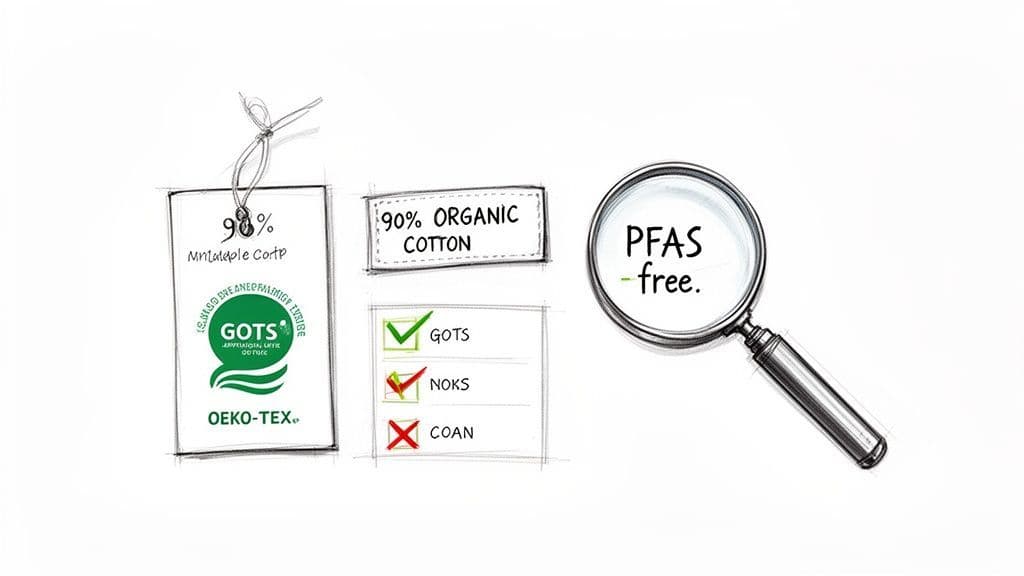
- Precise Material Composition: Look for exact percentages, such as "90% GOTS Certified Organic Cotton, 10% Elastane." This level of detail signals transparency and gives you the information needed to assess the fabric touching your skin. OEKO-TEX STANDARD 100 tests certified articles against current harmful-substance criteria and product-class limits, which can include certain dyes and PFAS-related parameters depending on the current standard. Verify the certificate.
- Explicit Chemical Statements: Search for direct claims like “PFAS-free” or "dyed without heavy metals." Responsible brands are increasingly providing this information upfront. This is often the clearest indicator that a product was designed with health as a priority.
Key Takeaways
- Focus on What Touches Your Skin: During exercise, sweat and friction increase. Prioritize disclosed fiber mix and product-specific finish claims; do not treat a workout as proof of higher chemical absorption from a given SKU.
- Context Matters: The "best" activewear material depends entirely on the activity. A fabric ideal for yoga is likely unsuitable for marathon training.
- Look for Proof, Not Promises: Rely on specific details like fabric percentages and third-party certifications (GOTS, OEKO-TEX®) rather than general "green" marketing claims.
- Understand the Compromise: Every material involves a compromise. Recycled polyester reduces waste but sheds microplastics; organic cotton is clean but holds sweat. Making an informed decision means choosing the tradeoff you are most comfortable with.
Limitations and Uncertainty
This analysis is based on publicly available brand information and existing material science research. We do not conduct our own lab testing on products. Furthermore, research into the long-term health effects of microplastic exposure and low-dose chemical absorption through skin is still evolving. Individual sensitivity to materials and chemicals also varies.
Scored products matching this guide
See all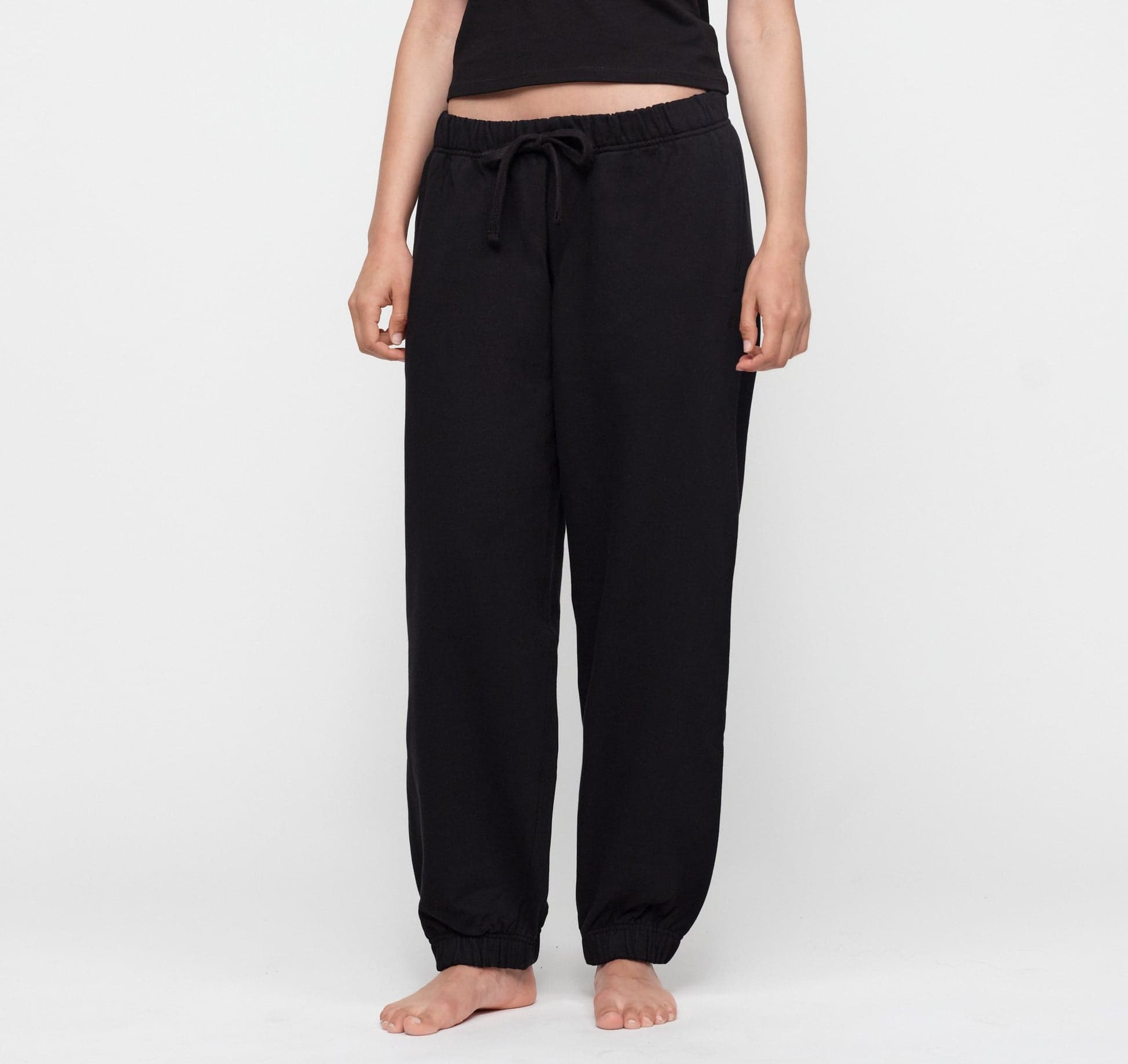
Weekend Joggers
Brand: Organic Basics
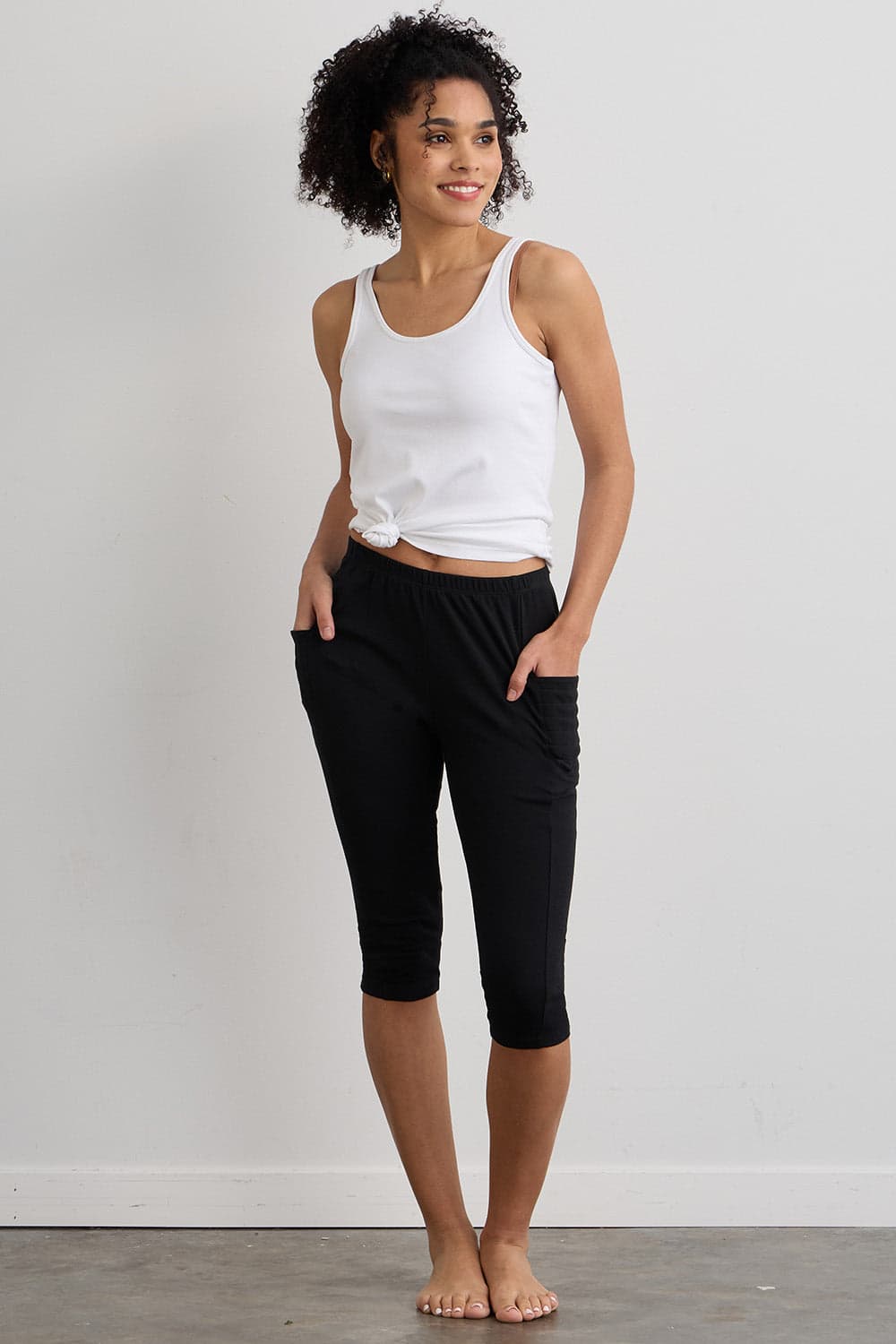
Women's Organic 100% Cotton Capri Leggings with Pockets
Brand: Fair Indigo
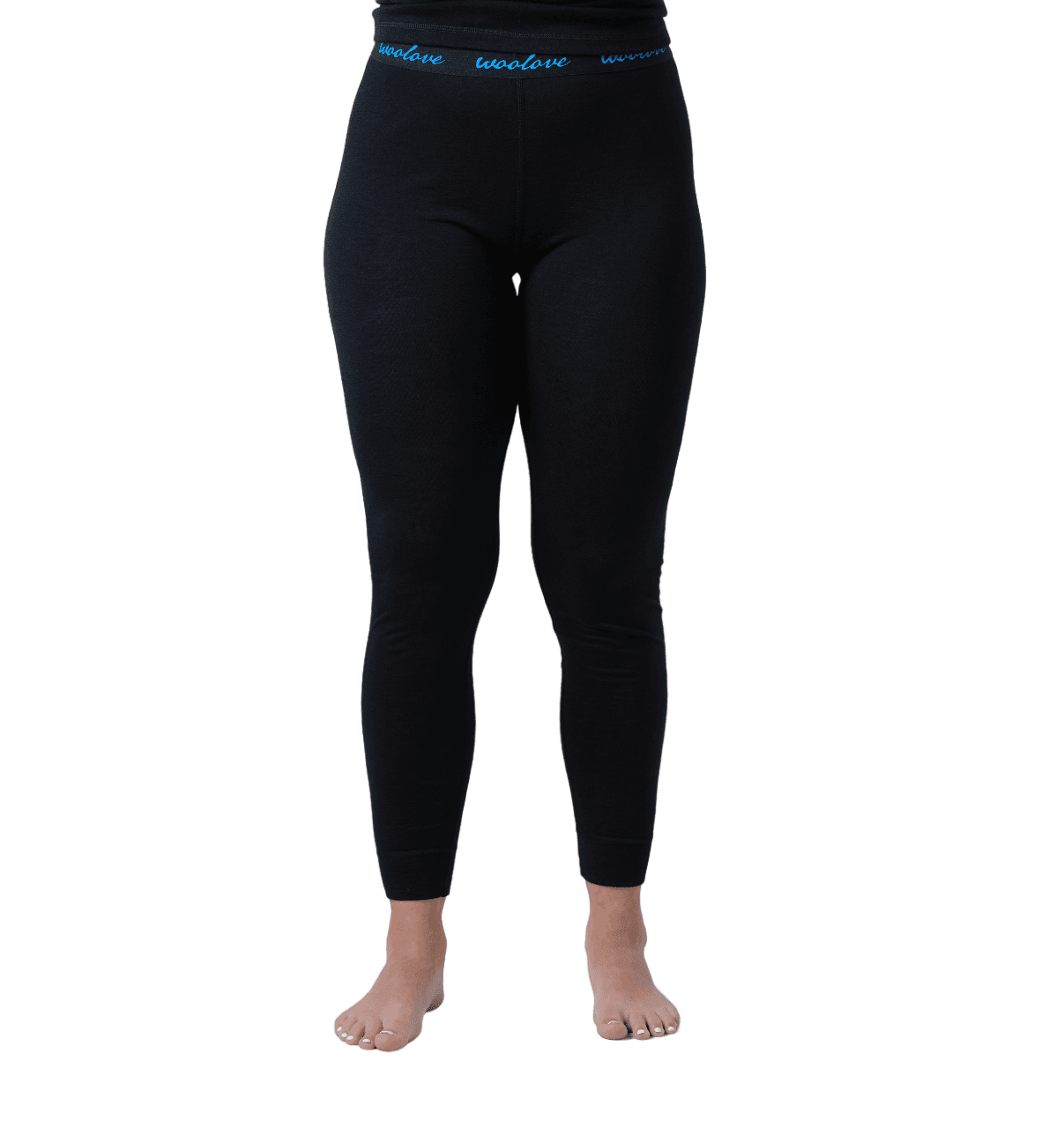
Women's Merino Wool Leggings
Brand: Woolove Apparel
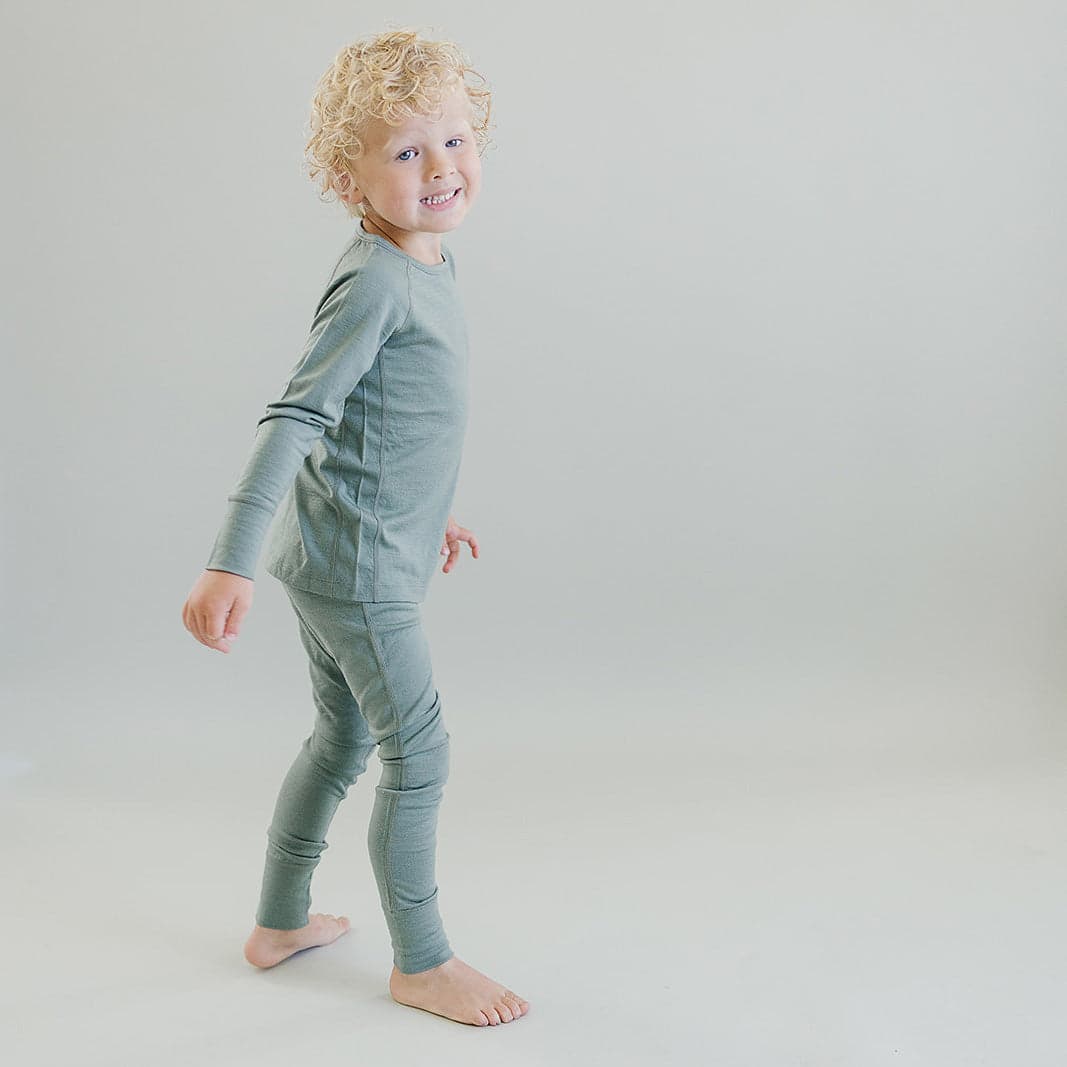
Kids Merino Wool Base Layer, Leggings, Sage
Brand: Woolino