
What Touches Your Skin Matters: A Health-First Guide to Clothing Materials
Choosing sustainable clothing materials involves more than environmental impact; it includes a direct analysis of what those materials mean for your health. This guide frames fabric choices around potential human health effects, focusing on factors like chemical exposure, fiber shedding, and biodegradability. This isn't about fear—it's about information to help you make an informed decision.
Rethinking Sustainable Clothing Materials
It’s common to equate "sustainable" with "good for the planet." That seems reasonable. But a health-first approach expands this definition to include what is good for your body also.
This perspective examines a material’s full lifecycle—from raw material to finished garment—to identify potential tradeoffs.
A Lifecycle Approach to Health
To make an informed choice, it is useful to assess a material’s impact from beginning to end.
-
Growth and Sourcing: Considers how raw materials are grown or created. Conventional cotton, for example, is associated with heavy water and/or pesticide use.
-
Processing and Manufacturing: Examines how raw fibers are turned into fabric. This stage may introduce treatments like azo dyes or PFAS "forever chemical" finishes.
-
Wear and Care: Assesses how the material behaves during use. A primary concern is fiber shedding, which can release microplastics from synthetic fabrics.
-
Disposal and End-of-Life: Looks at what happens to a garment after use. Does it biodegrade, or does it persist in a landfill for centuries?
Demand for materials perceived as better is growing. The sustainable fashion market is projected to reach $58.18 billion by 2033, according to market analysis. You can find more details in research on sustainable fashion market trends.
The key takeaway is that no material is perfect. Understanding the tradeoffs involved with each choice allows you to align your purchases with your personal health standards.
Six Factors That Define a Material's Health Impact
Labeling a fabric as "natural" or "synthetic" does not provide a complete health profile. It helps a little bit, but there is much more nuance involved.
A material's journey from raw fiber to finished garment often involves multiple chemical processes. To assess potential health implications, we analyze five factors that we believe matter when it comes to human health.
1. Microplastic and Fiber Shedding
Synthetic fabrics like polyester, nylon, and acrylic shed microscopic plastic particles known as microplastics during wear and washing. These particles, less than 5 millimeters long, can enter waterways and become airborne, leading to potential inhalation or ingestion.
Research into the long-term health effects is ongoing. However, evidence suggests these particles may accumulate in the body and are associated with inflammation.
Natural fibers also shed, but their fibers are biodegradable. They decompose and return to the ecosystem, unlike plastic-based fibers which can persist for centuries.
2. PFAS and Forever Chemicals
Per- and polyfluoroalkyl substances (PFAS) are a class of synthetic chemicals often used for stain-resistant, water-repellent, and wrinkle-free finishes on clothing. They are called "forever chemicals" because they do not readily break down in the environment or the body.
PFAS are associated with a range of health concerns, including hormonal disruption and an increased risk for certain cancers. Because they are often applied as surface treatments, they can be in direct contact with skin.
3. Azo Dyes and Chemical Sensitivities
Azo dyes account for 60-70% of all dyes used in the textile industry. While most are stable, certain types can break down and release chemicals called aromatic amines, some of which are classified as carcinogens.
This breakdown can be triggered by contact with skin, sweat, or bacteria. Other potentially hazardous substances, such as carcinogenic, mutagenic, or reprotoxic (CMR substances), can also be present in textiles. Certifications like GOTS and OEKO-TEX® test for many of these specific chemicals.
4. Material Half-Life and Biodegradability
A material's half-life refers to the time it takes to decompose. It is a useful metric for understanding its long-term health and environmental persistence.
-
Natural Fibers: Materials like cotton, linen, and hemp are biodegradable and decompose within months or a few years.
-
Synthetic Fibers: Polyester and nylon can have a half-life ranging from 20 to 200 years, during which they may continue to shed microplastics and leach chemical additives.
A material that biodegrades quickly poses a lower long-term risk of contributing to the persistent chemical load in the environment.
5. Production Energy and Residual Chemicals
The energy required to manufacture a fabric can correlate with its chemical intensity. High-energy processes, such as those used to convert petroleum into synthetic fibers, may leave trace chemical residues in the final product.
While modern manufacturing aims to remove harmful precursors, these subtle residues contribute to the overall chemical profile of a garment.
An Honest Look at Common Sustainable Materials
Analyzing clothing materials through a health-first lens reveals a world of tradeoffs. No single fabric is universally "good" or "bad"(although some are close). The goal is to provide the information needed to decide what is appropriate for you.
People often assume labels like "organic" or "recycled" signify the best possible choice. That makes sense. But, while these labels can indicate improvements over conventional options, they don't always tell the whole story.
Organic Cotton
Organic cotton is grown without synthetic pesticides or GMOs, reducing the initial chemical load. However, context matters.
-
The Tradeoffs: While avoiding pesticide exposure is a clear health benefit, cotton is a water-intensive crop, which presents a significant environmental tradeoff. The "organic" label typically applies only to the farming stage. Unless a garment has a comprehensive certification like GOTS, it could still be processed with potentially harsh dyes and finishing chemicals.
-
What To Look For: Prioritize certifications like GOTS that verify the entire production chain, not just the raw fiber.
For context on different cotton types, this article on what is quilting cotton fabric provides a useful overview.
Hemp and Linen
Hemp and linen (from the flax plant) are durable natural fibers that require significantly less water than cotton and are naturally pest-resistant.
-
The Tradeoffs: These materials can feel rough initially but soften with washing and wear. They are also prone to wrinkling. Processing hemp and flax is more labor-intensive than cotton, which often results in a higher price.
-
What To Look For: Like with cotton, the dyeing and finishing processes are critical. Look for undyed or naturally dyed options and check for certifications that regulate chemical use.
Tencel™ Lyocell
Tencel™ is a brand name for lyocell, a fiber made from wood pulp in a "closed-loop" system where over 99% of the water and non-toxic solvents are reused. It is known for its soft feel and moisture-wicking properties.
-
The Tradeoffs: Manufacturing lyocell is more energy-intensive than processing cotton or linen. Not all lyocell is made with the same sustainable process, making the Tencel™ brand name a key indicator of a closed-loop system. While strong, it may not be as rugged as hemp.
-
What To Look For: The Tencel™ brand specifically, as seen on products like these Tripulse Pro Tencel Leggings, to ensure the closed-loop production standard.
Recycled Polyester
Recycled polyester (rPET), often made from plastic bottles, is presented as an environmental solution by diverting waste from landfills. The health tradeoffs, however, are significant.
-
The Tradeoffs: Recycled polyester sheds microplastics just like virgin polyester, contributing to plastic particle contamination. The original plastic bottles may contain chemical additives, like antimony, that can carry over into the fabric. Finally, it is not a circular solution; most rPET cannot be recycled back into clothing and is instead downcycled, delaying its disposal.
-
What To Look For: If choosing recycled polyester for performance reasons, consider washing it infrequently and using a microfiber-catching laundry bag to reduce fiber shedding.
How to Read Labels and Certifications Effectively
A standard clothing label provides limited information, usually just the fiber content and country of origin. Most of us are trained to focus on fiber type. But that overlooks potential health implications of synthetic blends and the invisible chemical treatments that brands are not required to disclose.
According to industry data, synthetic fibers make up 69% of all fibers used and are projected to climb to 73% by 2030. With the market for sustainable fabrics set to grow, understanding labels is critical. Even though the synthetics market if projected to grow on a percentage basis, we should still see some new sustainable fabrics come to market just like we've seen in the past decade. You can review more data on sustainable fabric market trends on technavio.com.
What Labels Don't Tell You
Standard labels omit crucial health-related details.
-
Finishing Treatments: A label will not mention PFAS treatments for stain resistance or formaldehyde resins for wrinkle prevention.
-
Dye Chemistry: The specific types of dyes used are not disclosed.
-
Pesticide Residue: For non-organic fibers, there is no information about potential pesticide residues.
This information gap is why third-party certifications are valuable. They act as independent auditors for the parts of the supply chain that labels do not cover.
Understanding Key Certifications
Certifications verify specific claims about how a product was made. For an example of how these appear on products, see this 100% Regenerative Organic Certified Cotton Layering Tee.
-
GOTS (Global Organic Textile Standard): This standard verifies that the entire production process—from harvesting to manufacturing—is organic and socially responsible. GOTS restricts many harmful chemicals, including specific azo dyes and heavy metals.
-
OEKO-TEX® Standard 100: This certification focuses on testing the finished garment for a list of substances known to be harmful to human health. It acts as a final safety check on the product you buy.
GOTS provides assurance about the entire production process, while OEKO-TEX® provides assurance about the safety of the final product.
What to Look For on Labels
Use this checklist to analyze a garment's tag.
-
Check the Fiber Content: Prioritize single-material natural fibers like 100% Organic Cotton.
-
Scan for Certifications: Look for GOTS or OEKO-TEX® logos.
-
Question Vague Terms: Be cautious with terms like "eco-friendly" if they are not always backed by a verifiable certification.
-
Note the 'Made In' Information: Country of origin can provide context about manufacturing regulations.
Key Takeaways
Making informed choices about clothing materials is not about perfection, but about understanding tradeoffs.
-
Focus on What Touches Your Skin: Prioritize natural, certified materials for items with prolonged skin contact, like underwear, base layers, and sleepwear.
-
Accept Tradeoffs: No material is perfect. Organic cotton uses significant water, while recycled polyester sheds microplastics. Choose based on the tradeoffs you are most comfortable with.
-
Prioritize Natural, Biodegradable Fibers: Choosing materials like organic cotton, linen, hemp, and Tencel™ Lyocell helps you avoid the persistent problems associated with synthetics, namely microplastic shedding.
-
Use Certifications as a Guide: You don't need to be a textile expert. Let certifications like GOTS (Global Organic Textile Standard) and OEKO-TEX® Standard 100 help do some of the verification for you.
Limitations and Uncertainty
It is important to acknowledge what is not known. Retailer disclosures are often incomplete. Brands are not required to list specific dyes, chemical finishes, or coatings applied to a garment, making a full health assessment difficult.
Additionally, individual sensitivity varies. A material that is fine for one person may cause a reaction in another. Scientific understanding of the long-term health effects of microplastic exposure and textile chemicals is also still evolving.
This guide is a framework for making decisions with the information currently available.
A Few Common Questions
Here are answers to some frequently asked questions about sustainable clothing materials.
Is Recycled Polyester a Good Option?
The answer depends on your priorities. Recycled polyester (rPET) reduces landfill waste and reliance on virgin petroleum, which is an environmental benefit.
From a health perspective, the tradeoffs are notable.
-
Microplastic Shedding: Recycled polyester sheds microplastics during wear and washing - maybe even more than virgin synthetics.
-
Chemical Carryover: Chemical additives from the original plastic bottles may be present in the final fabric.
-
Not Circular: Most rPET clothing cannot be recycled again, only downcycled.
For performance wear where synthetics may be 'necessary', recycled polyester can be an option, but regenerated cellulose fibers have many of the same performances properties as synthetics without the health drawbacks.
What Is the Most Important Factor to Look For?
To have the most significant positive impact on your health, focus on this: minimize direct and prolonged skin contact with synthetic materials and unknown chemical finishes.
Prioritizing natural, undyed, and GOTS-certified fabrics for items worn against the skin is an effective strategy for reducing daily chemical exposure.
Does Washing New Clothes Remove Harmful Chemicals?
Washing new clothes can help remove some residual surface dyes and finishing agents.
However, a wash will not remove chemicals bonded to the fibers, such as PFAS treatments. It will also not prevent a synthetic garment from shedding microplastics throughout its life.
At Greener Closet, we analyze these details for you. Our scoring system provides a clear, health-first rating for clothing, helping you make choices that align with your standards. Analyze product URLs whenever you are shopping online.
Top-rated products on Greener Closet
See all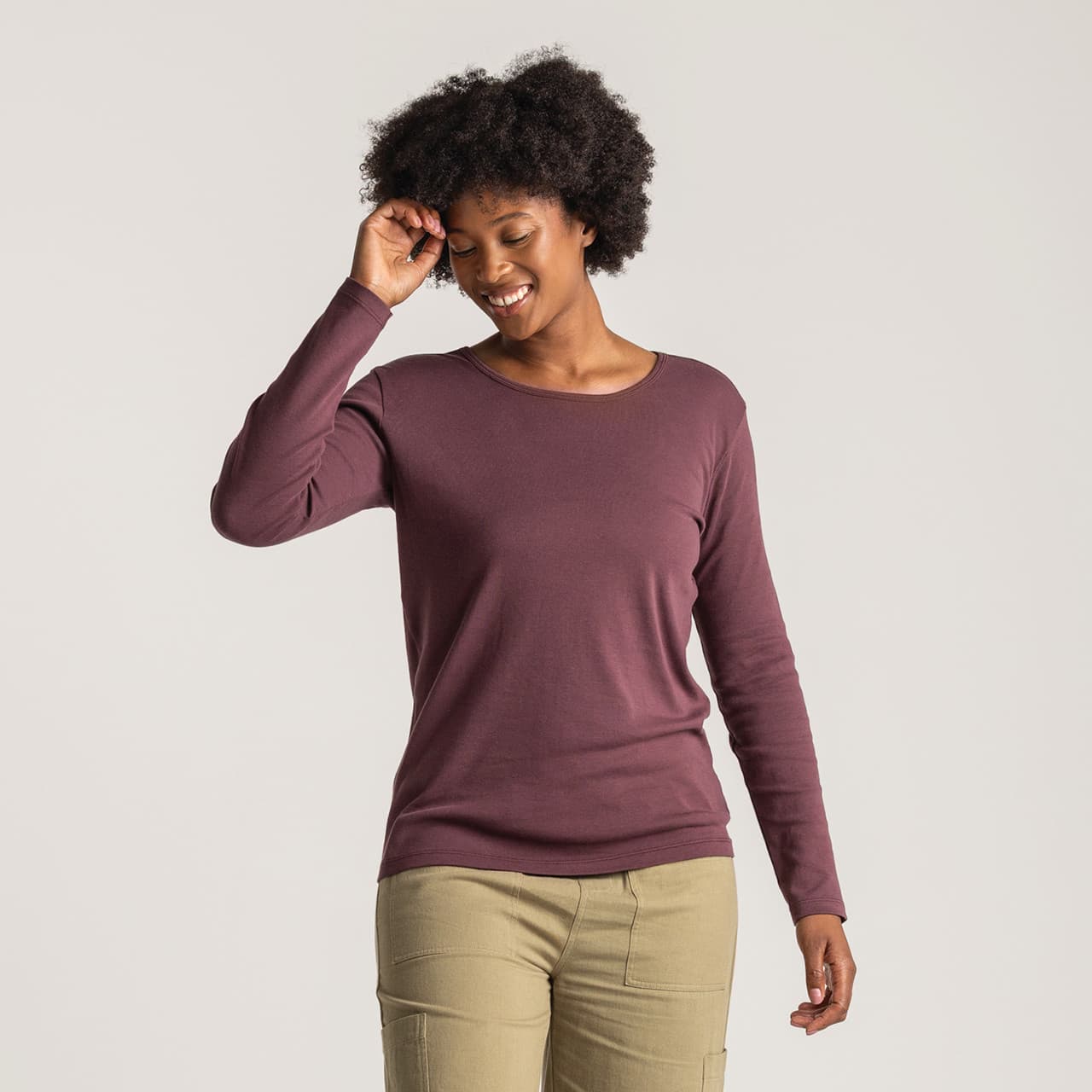
100% Regenerative Organic Certified® Cotton - Layering Tee
Brand: Maggie's Organics
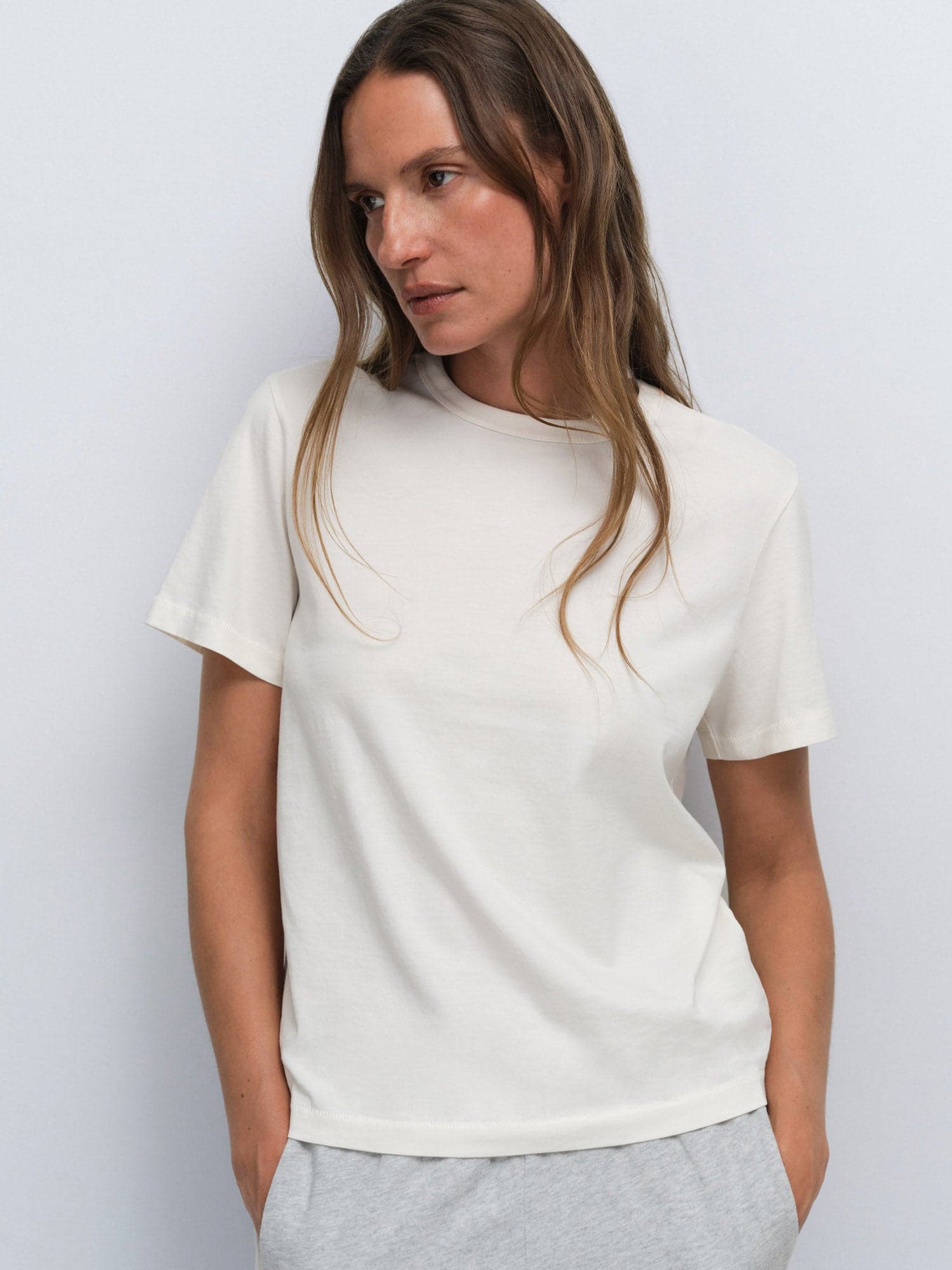
Organic Pima Classic Tee
Brand: Mate
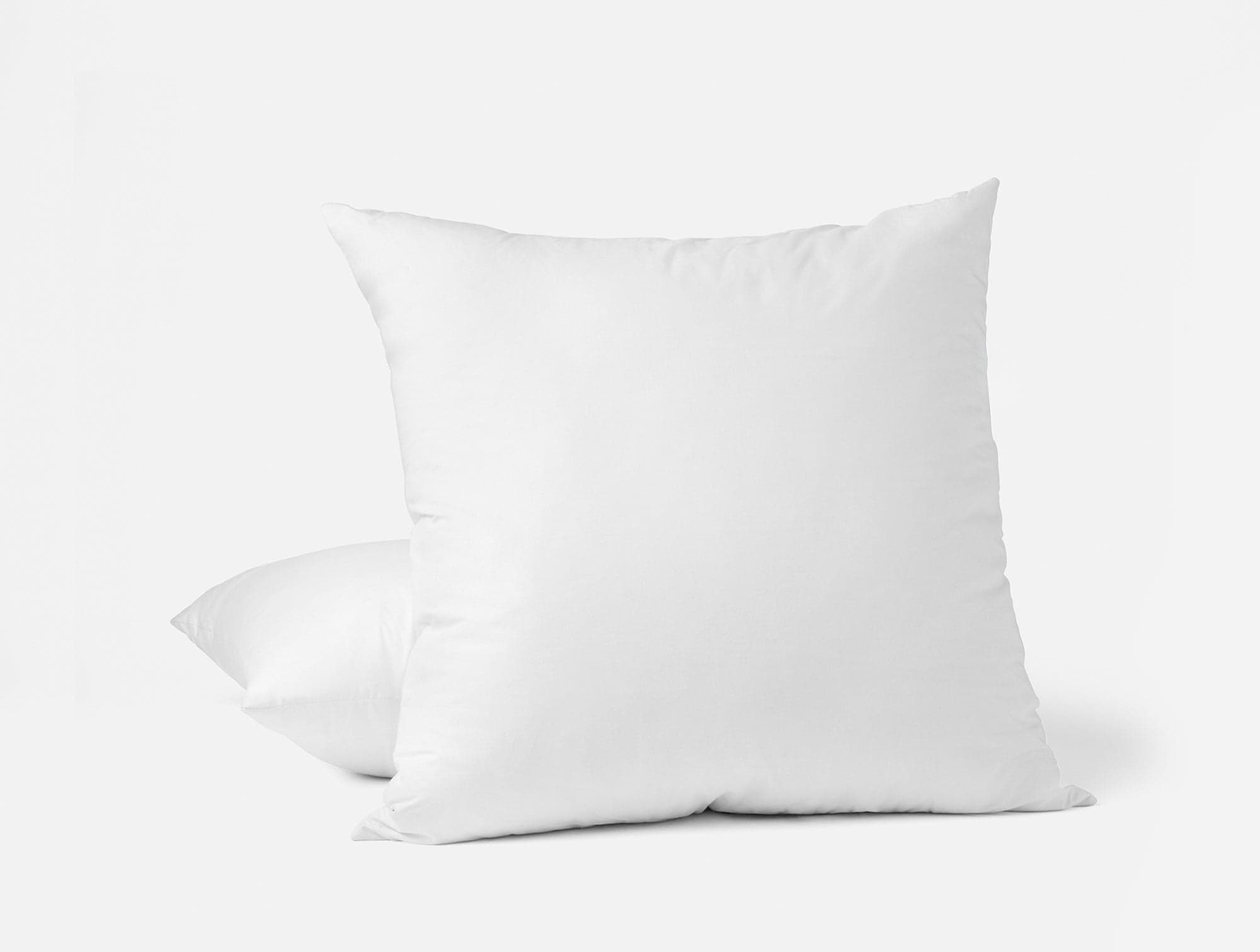
Recycled Down Feather Throw Pillow Insert
Brand: Coyuchi
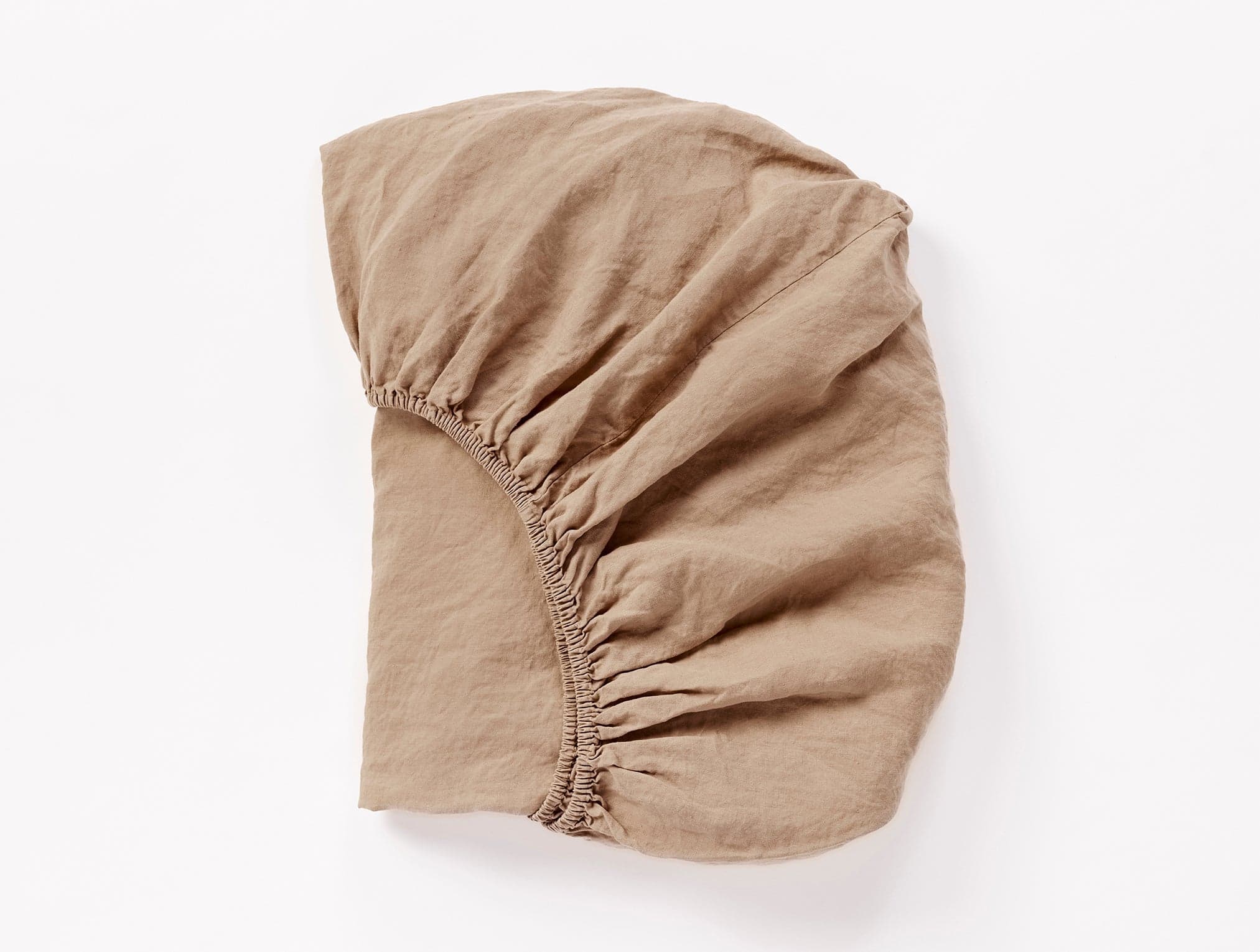
Organic Relaxed Linen Fitted Sheet
Brand: Coyuchi