
Analyzed Product Profile
Asket
This Analyzed Product Profile is based on 7 distinct analyzed products, a small catalogue sample. Median, range, and material mix describe those products only — not Asket as a whole.
Sample and scores
Most common materials
Counted by distinct product, not fiber percentage. One product can appear in several rows.
| Material | Products |
|---|---|
| Organic Cotton | 4 |
| Wool | 2 |
| Cashmere | 1 |
| Merino Wool | 1 |
| Recycled Wool | 1 |
Category mix
| Category | Products |
|---|---|
| Sweaters | 4 |
| Shirts | 2 |
| Shorts | 1 |
Highest-scoring analyzed products
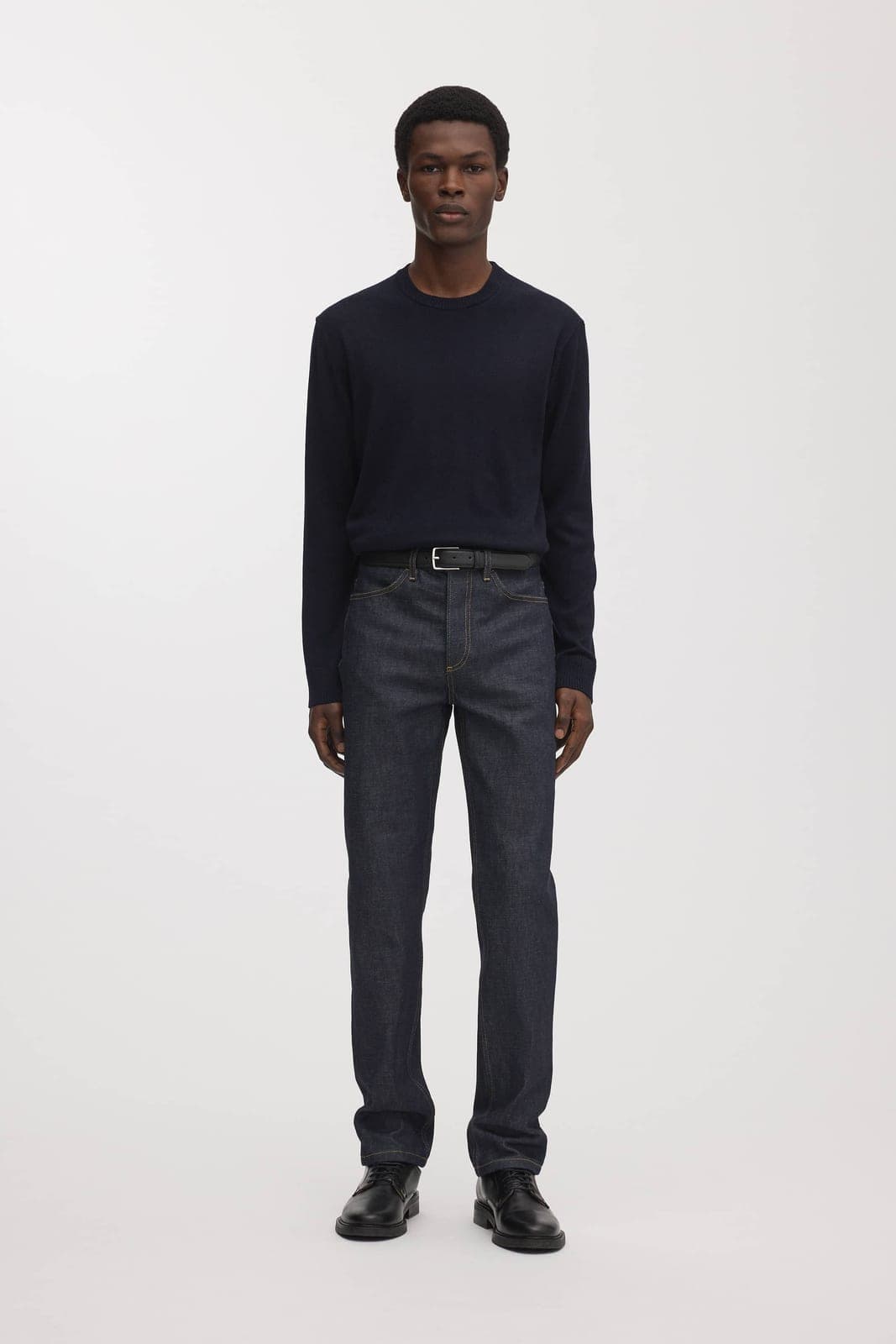
The Merino Sweater
Asket
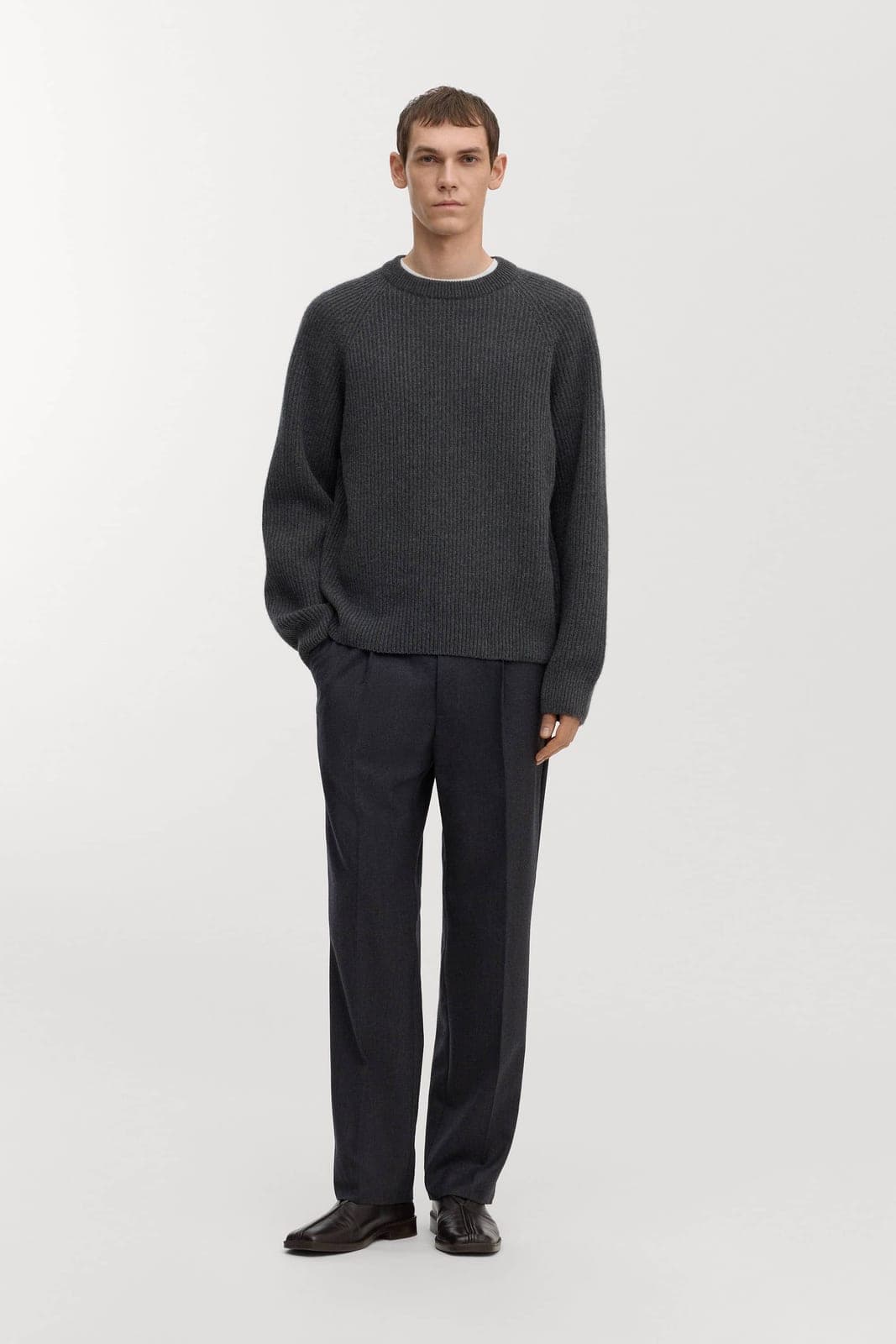
The Heavy Wool Sweater
Asket
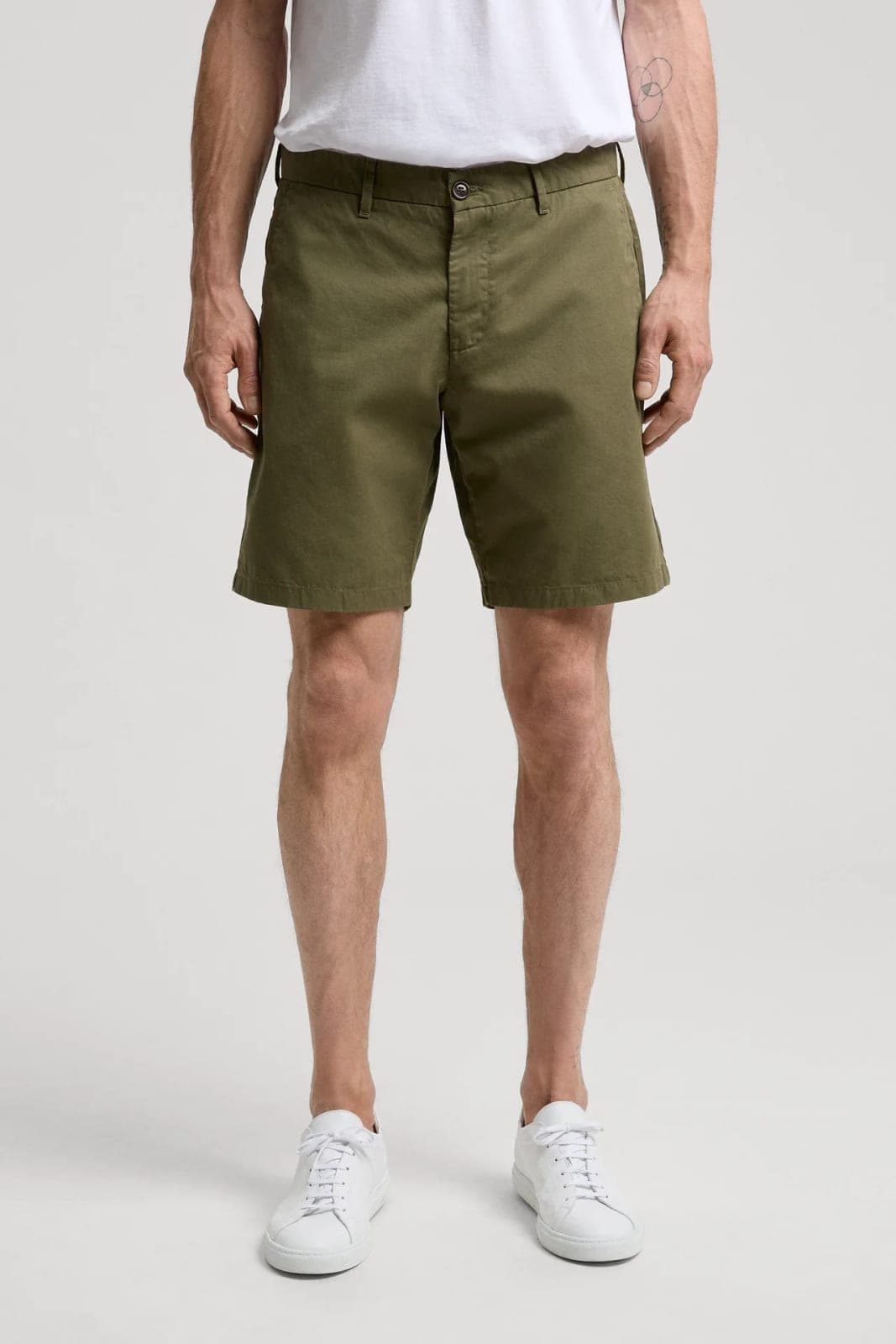
The Shorts
Asket
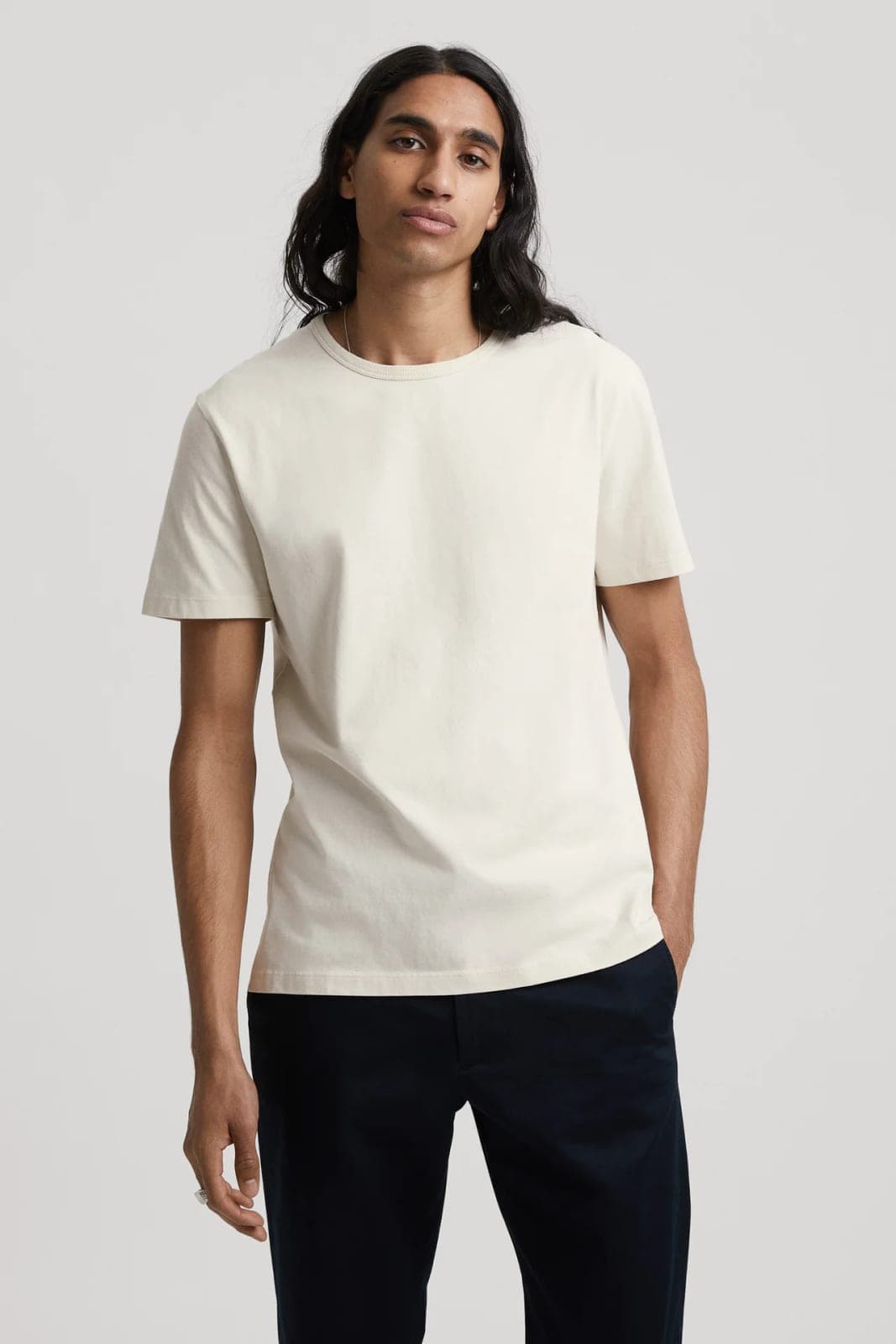
The T-Shirt
Asket
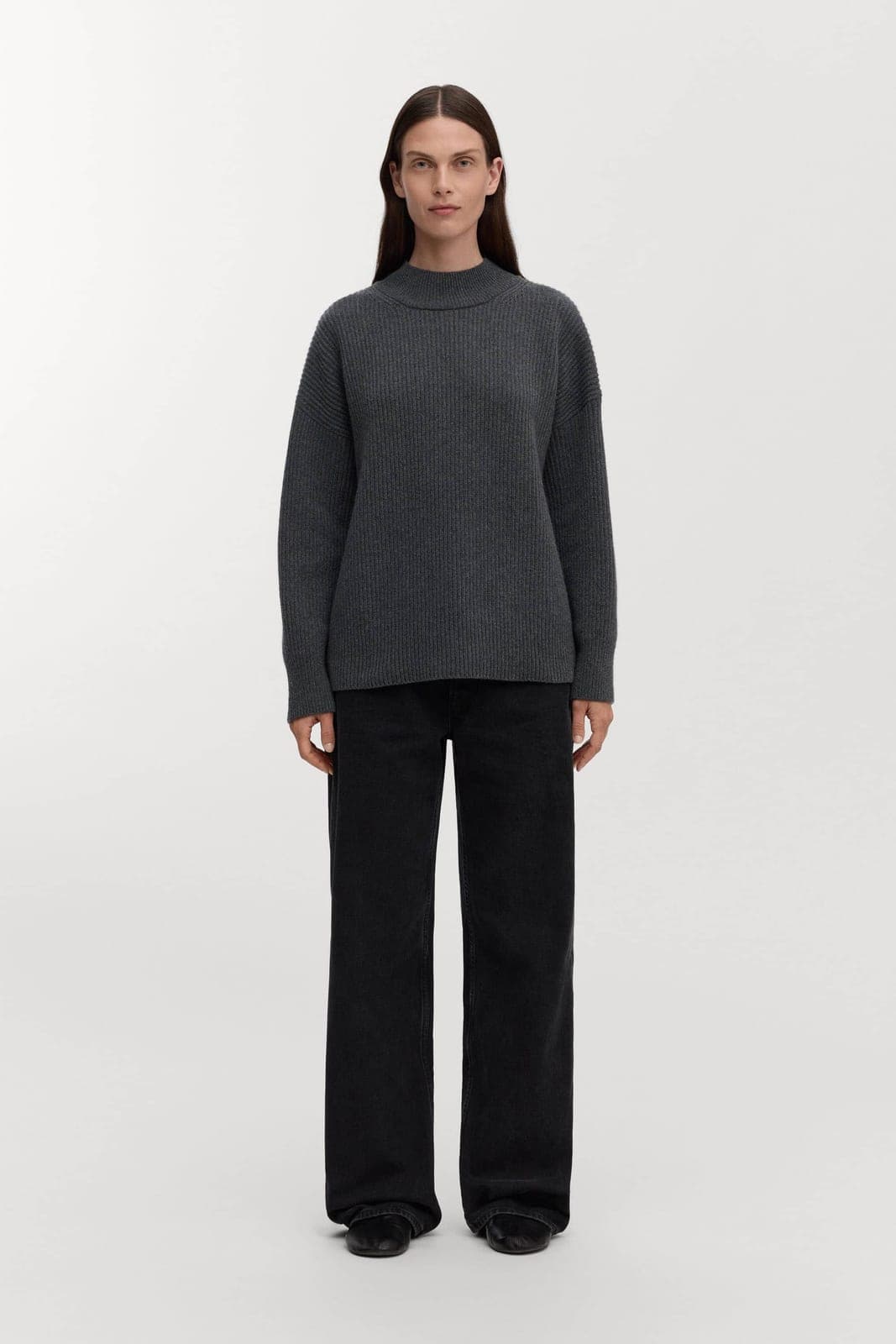
The Mock Neck Sweater - Coming Soon
Asket
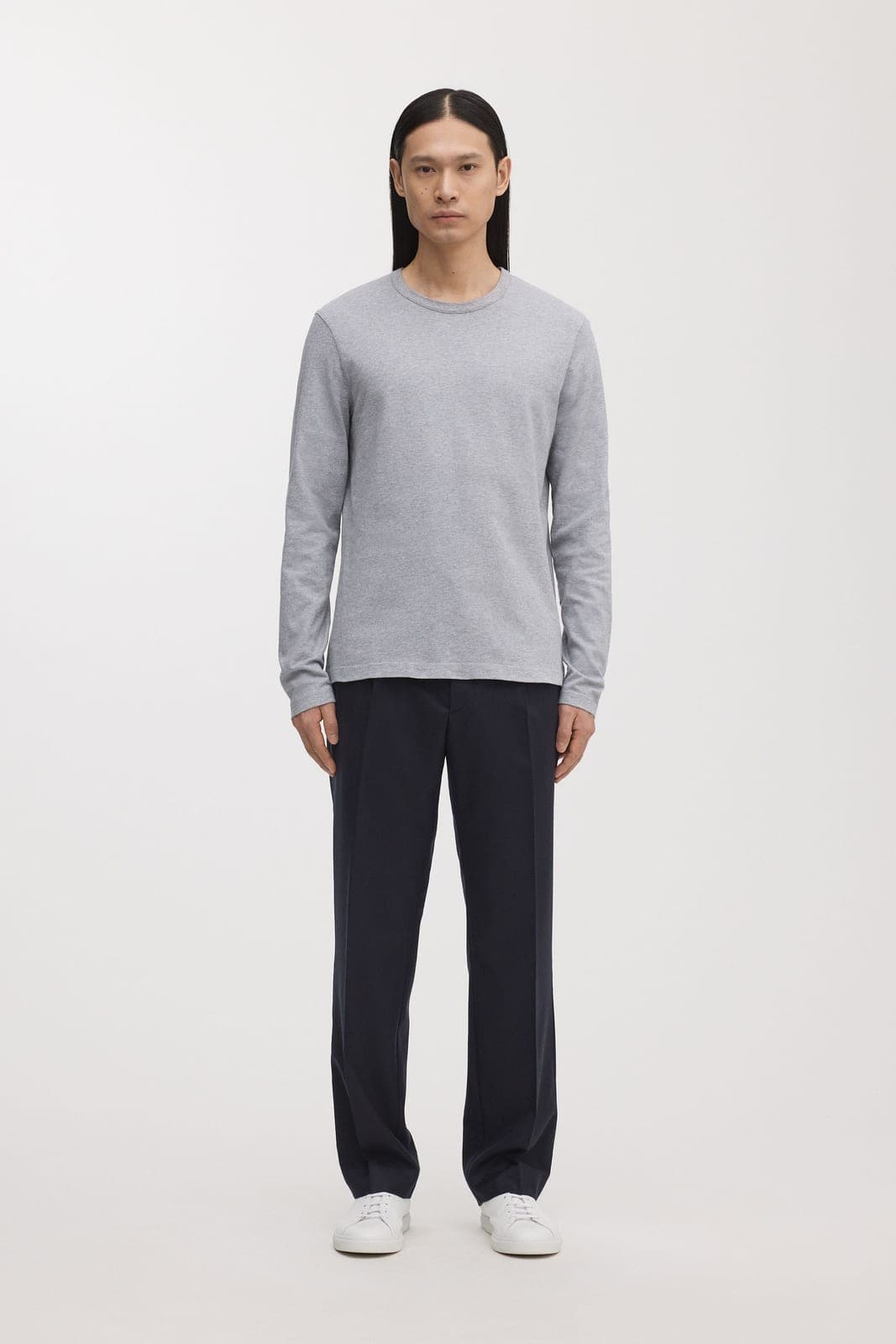
The Long Sleeve T-Shirt
Asket
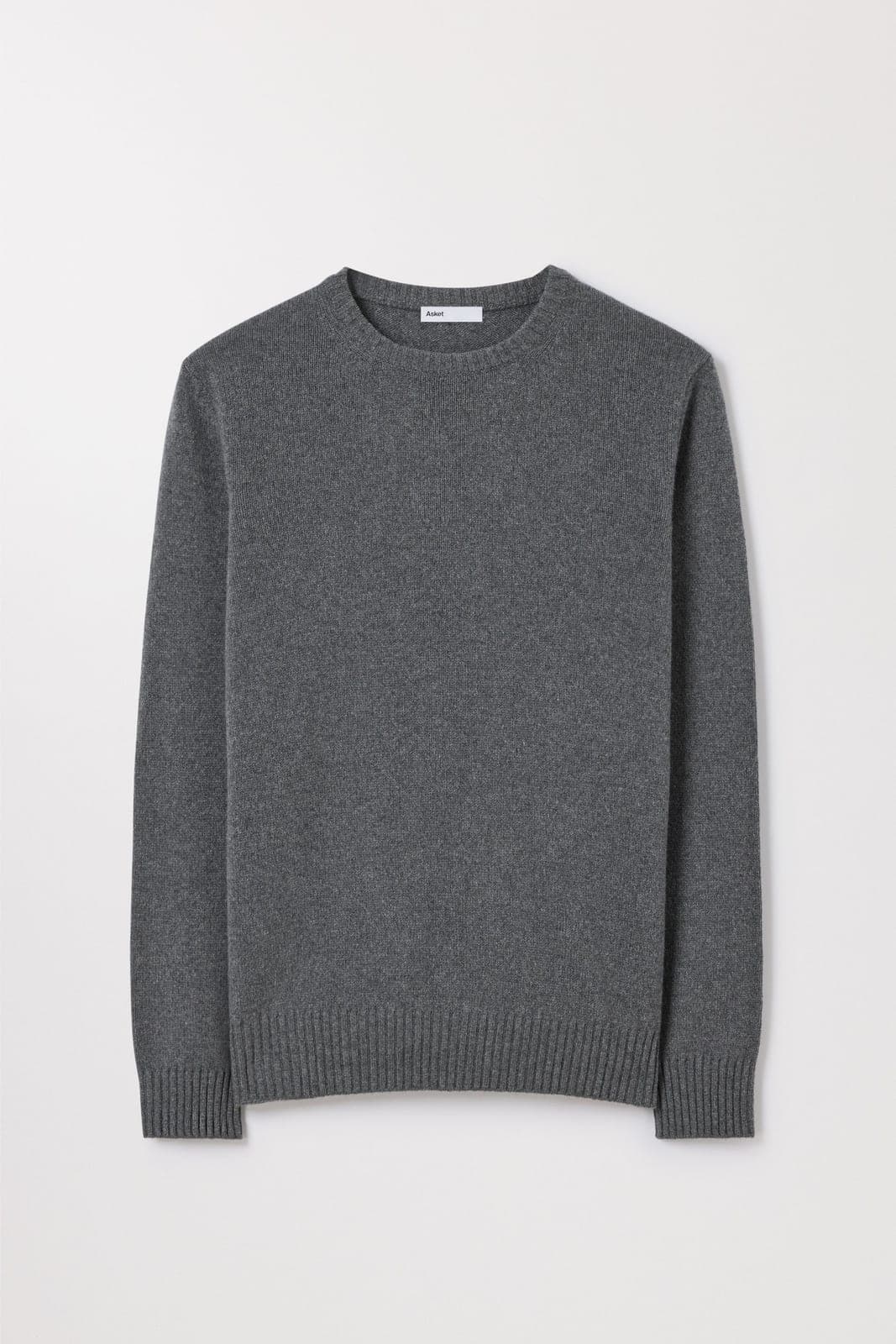
The Cashmere Sweater
Asket
How these scores are produced
Product scores on this page are produced automatically. We read the composition and certification details a retailer discloses on the product page, match each material to our research database, and apply the published clothing-score process: every product starts at 100; five material factors — microplastics, PFAS, material half-life, production energy, and fiber shedding — apply penalties weighted by how much of the garment that material makes up; a sixth factor, azo dyes, applies to the garment as a whole; and a small adjustment reflects whether any certification was disclosed. GOTS, bluesign, OEKO-TEX Standard 100, and Cradle to Cradle can also mark a product azo-dye-free. We do not lab-test garments. The Analyzed Product Profile then summarizes those product scores. It is not a corporate sustainability score, and it is not the retired LLM brand assessment.
Are you this brand?
If a figure on this page is wrong, send a correction. We aim to respond within 24 hours. A review can temporarily hide a disputed claim; it is not an automatic permanent removal.
Sourced corporate evidence
These are sourced claims, not a corporate score. Missing topics are not assessed, not scored as zero.
ASKET states that it manufactures its garments exclusively in Italy and Portugal, and that 90% of its fabrics, yarns, and trims come from European mills and suppliers.
company_disclosure
ASKET states that it uses exclusively natural, biodegradable, and renewable fibers, sourced from traced farms and mills.
company_disclosure
ASKET states that it provides free garment repairs in its stores, complimentary spare parts worldwide, and buy-back services for unwanted garments for resale or recycling.
company_disclosure
ASKET states that it traces every facility involved in every process and component of each garment, and publishes traceability information on garment labels and product pages.
company_disclosure
ASKET states that it provides a cost breakdown for every garment on its product pages and publishes each garment's environmental footprint, along with packaging and shipping impacts at checkout.
company_disclosure
ASKET reports that, by the end of 2023, its collection consisted of 79% A and B fibers, 16% C fibers, 5% D fibers identified as conventional cotton, and 0% E fibers under its material-classification system.
company_disclosure
ASKET states that unwanted ASKET garments are accepted through its revival program and are intended for resale or recycling, with the stated aim of keeping them in use and out of landfill.
company_disclosure
Good On You lists Global Recycled Standard among ASKET's certifications.
ngo
Published 2026-06-25
Good On You states that ASKET traces most of its supply chain and visits its suppliers regularly, while noting that it found no evidence that workers in the supply chain are paid living wages.
ngo
Published 2026-06-25
- Not assessed — Carbon emissions and climate targets
- Not assessed — Water use and wastewater
- Not assessed — Labour conditions and living wages
- Not assessed — Animal welfare