
Analyzed Product Profile
ASOS DESIGN
This Analyzed Product Profile is based on 8 distinct analyzed products, a small catalogue sample. Median, range, and material mix describe those products only — not ASOS DESIGN as a whole.
Sample and scores
Most common materials
Counted by distinct product, not fiber percentage. One product can appear in several rows.
| Material | Products |
|---|---|
| Cotton | 5 |
| Polyester | 3 |
| Viscose | 3 |
| Elastane | 2 |
Category mix
| Category | Products |
|---|---|
| Pajamas | 5 |
| Pants | 2 |
| Shirts | 2 |
| Tanks | 2 |
| Shorts | 1 |
Highest-scoring analyzed products
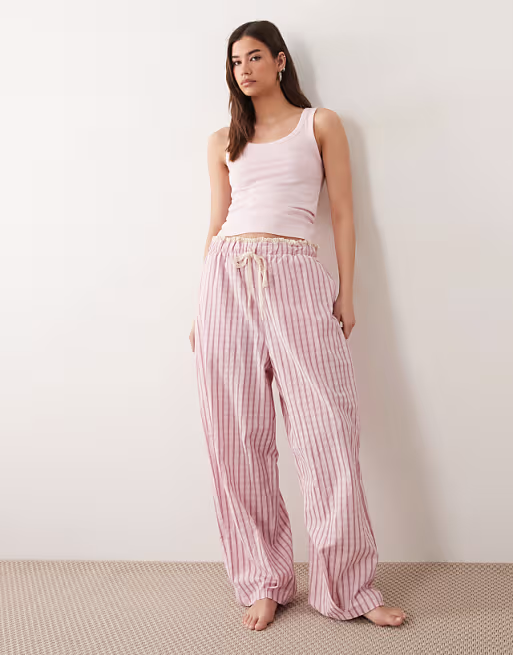
Pantalon de pyjama texturé à carreaux avec taille bordée de dentelle - Rose
Brand: ASOS DESIGN
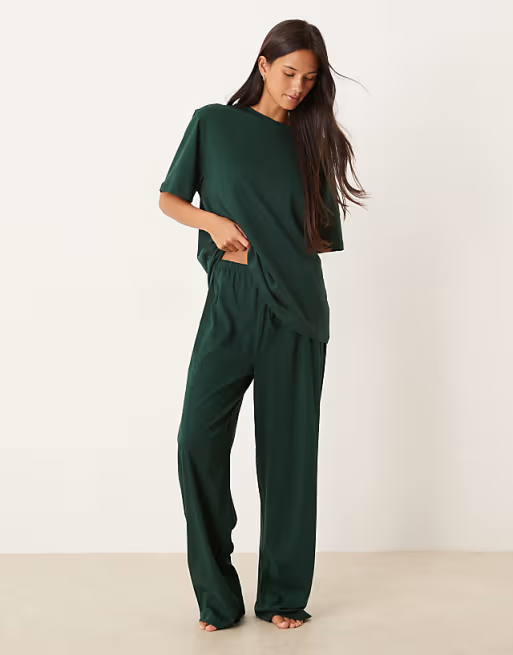
Pantalon de pyjama à assortir en coton - Vert forêt
Brand: ASOS DESIGN
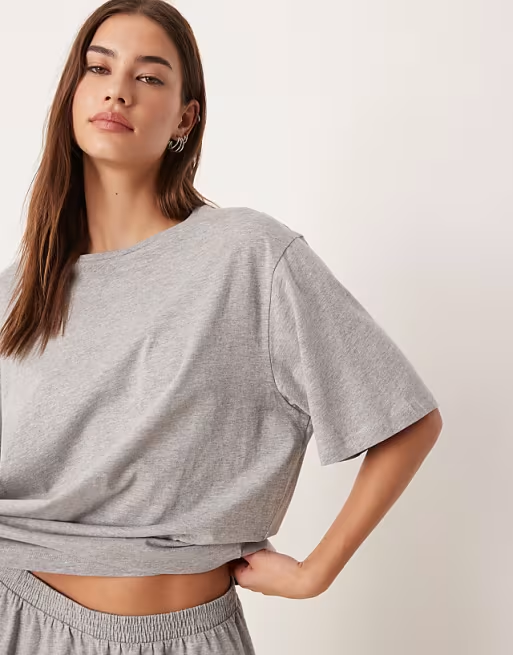
Mix & Match - T-shirt de pyjama oversize en coton - Gris chiné
Brand: ASOS DESIGN
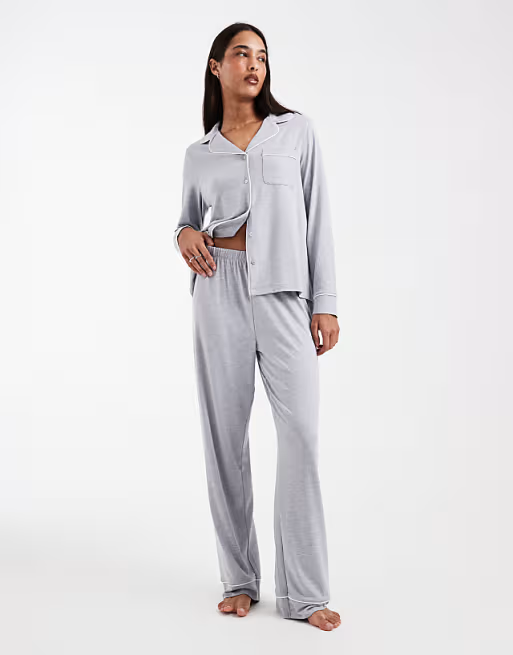
Pyjama ultra doux avec pantalon et chemise à manches longues et liserés contrastants - Gris chiné
Brand: ASOS DESIGN
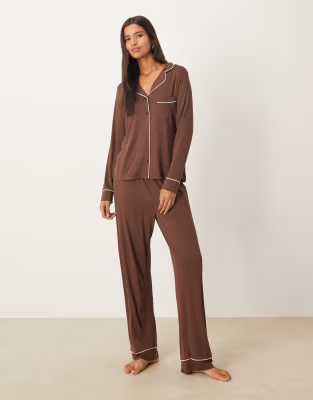
Ensemble de pyjama ultra doux avec chemise manches longues et pantalon - Chocolat
Brand: ASOS DESIGN
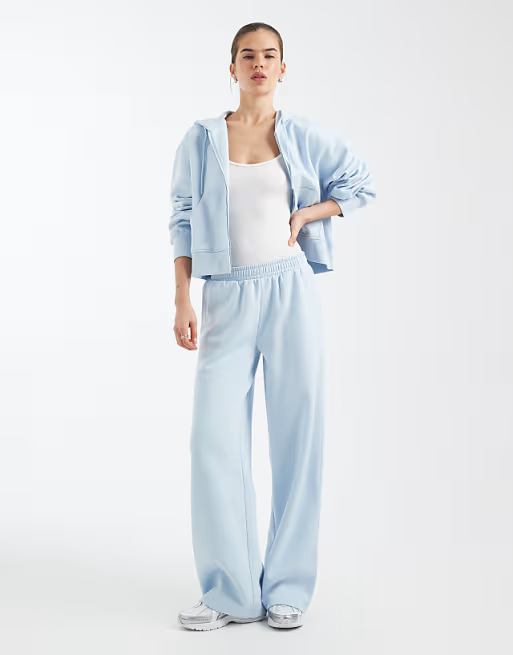
Pantalon de jogging ample à envers brossé - Bleu pastel
Brand: ASOS DESIGN
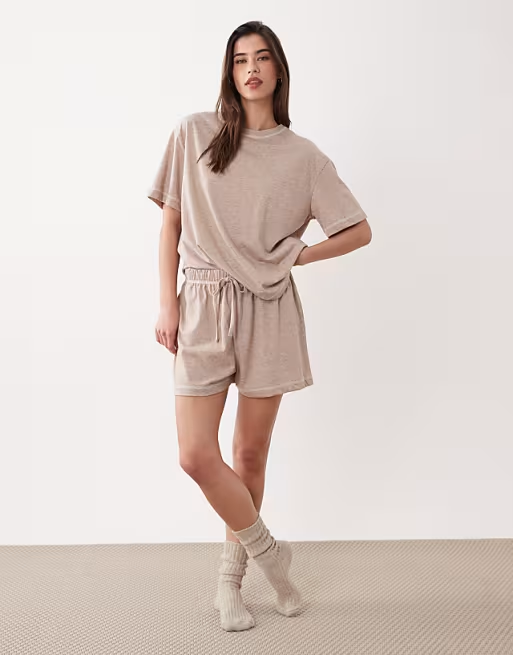
Essentials - Pyjama avec t-shirt oversize et short - Marron chiné
Brand: ASOS DESIGN
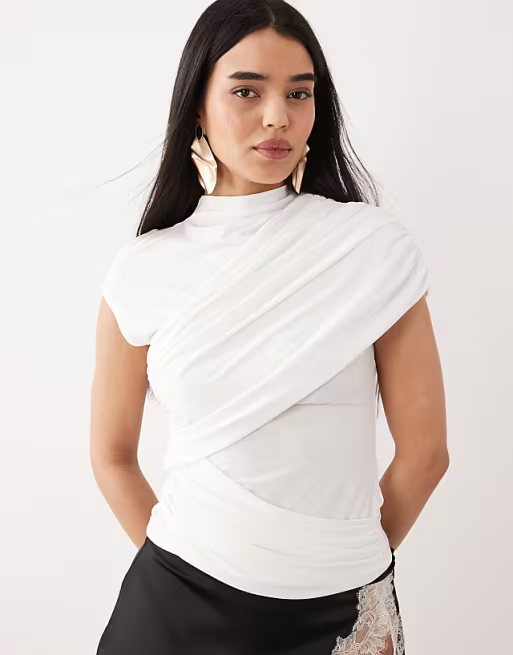
Top près du corps froncé à détail drapé - Crème
Brand: ASOS DESIGN
How these scores are produced
Product scores on this page are produced automatically. We read the composition and certification details a retailer discloses on the product page, match each material to our research database, and apply the published clothing-score process: every product starts at 100; five material factors — microplastics, PFAS, material half-life, production energy, and fiber shedding — apply penalties weighted by how much of the garment that material makes up; a sixth factor, azo dyes, applies to the garment as a whole; and a small adjustment reflects whether any certification was disclosed. GOTS, bluesign, OEKO-TEX Standard 100, and Cradle to Cradle can also mark a product azo-dye-free. We do not lab-test garments. The Analyzed Product Profile then summarizes those product scores. It is not a corporate sustainability score, and it is not the retired LLM brand assessment.
Are you this brand?
If a figure on this page is wrong, send a correction. We aim to respond within 24 hours. A review can temporarily hide a disputed claim; it is not an automatic permanent removal.
Sourced corporate evidence
These are sourced claims, not a corporate score. Missing topics are not assessed, not scored as zero.
ASOS identifies ASOS DESIGN as an ASOS Brand. The brand interprets major trends with an ASOS-specific design approach and includes the ASOS Curve, Tall, Petite and Maternity size ranges.
company_disclosure
- Not assessed — ASOS DESIGN-specific carbon, energy, water, labour, and animal-welfare performance metrics