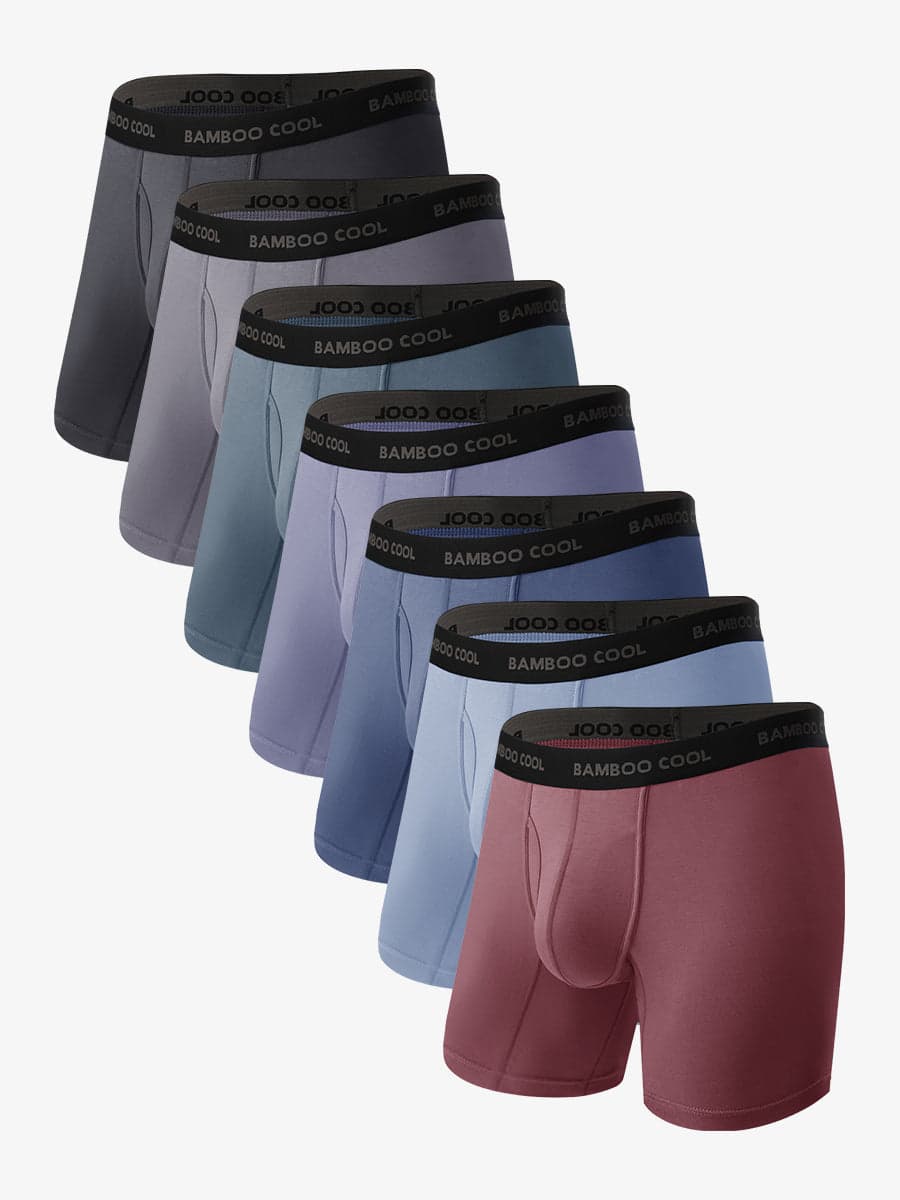
Greener Closet

BAMBOO COOL

Last analyzed: 4/30/2026

Overall score
68/100

Summary

BAMBOO COOL demonstrates a solid commitment to sustainability through the use of certified bamboo materials, ethical labor practices, and initiatives like sustainable packaging and dope dyeing to reduce environmental impact. However, there is room for improvement in areas such as providing comprehensive data on water conservation, energy efficiency, carbon footprint, and waste reduction within their manufacturing processes. Enhancing transparency and implementing circular economy initiatives would further strengthen their sustainability profile.

Categories

10 total

Animal Welfare and Cruelty-Free
9/10

BAMBOO COOL's product line focuses on bamboo-based apparel, which inherently does not involve animal-derived materials. This suggests a commitment to animal welfare and cruelty-free practices. While no specific certifications are mentioned, the nature of their products indicates a strong alignment with cruelty-free principles.

Certifications and Standards
8/10

BAMBOO COOL's products are certified by reputable organizations, including the Forest Stewardship Council (FSC) and OEKO-TEX® STANDARD 100. These certifications ensure that their bamboo is sourced from responsibly managed forests and that their fabrics are free from harmful chemicals. Additionally, their adherence to the Business Social Compliance Initiative (BSCI) standards reflects a commitment to ethical labor practices. While these certifications are significant, providing more detailed information about the scope and audits of these certifications would offer greater assurance.

Ethical Labor Practices and Fair Wages
8/10

BAMBOO COOL adheres to the Business Social Compliance Initiative (BSCI) standards, ensuring their factories provide fair wages and safe working environments. Their supply chain transparency is verified through annual third-party audits, demonstrating a strong commitment to ethical labor practices. While these measures are commendable, providing more detailed information on audit results and worker welfare programs would offer additional assurance.

Transparency and Traceability
7/10

BAMBOO COOL demonstrates a commendable level of transparency by providing detailed information about their sourcing and manufacturing processes. They disclose partnerships with certified fiber brands like BAMSILK™ and outline their commitment to ethical production standards. However, while they mention certifications such as FSC and OEKO-TEX, specific details about their supply chain partners and the extent of these certifications are limited. Enhancing the depth of publicly available information would further strengthen their transparency efforts.

Sustainable Material Sourcing
7/10

BAMBOO COOL emphasizes the use of bamboo viscose, highlighting its rapid growth and minimal need for pesticides or fertilizers. They source their bamboo from responsibly managed or organically grown wild bamboo forests. However, the environmental impact of bamboo fabric largely depends on the processing methods used. While BAMBOO COOL mentions using environmentally responsible methods, specific details about their processing techniques are not extensively provided. Greater transparency in this area would enhance their sustainability profile.

Waste Reduction and Sustainable Packaging
7/10

BAMBOO COOL has transitioned to FSC-certified, plastic-free packaging designed to minimize waste and maximize recyclability. This initiative reflects a proactive approach to reducing packaging waste. However, information on waste reduction strategies within their manufacturing processes is limited. Expanding their waste management practices and providing detailed reporting would further enhance their sustainability efforts.

Water Conservation and Pollution Control
6/10

BAMBOO COOL employs dope dyeing techniques, which significantly reduce water usage compared to traditional dyeing methods. This approach saves approximately 10.5 kg of water per garment. However, comprehensive data on their overall water conservation strategies and pollution control measures throughout the production process are limited. Providing more detailed information on these practices would strengthen their commitment to environmental stewardship.

Circularity and Product Longevity
6/10

BAMBOO COOL emphasizes the durability and quality of their products, suggesting a focus on product longevity. They are also exploring advanced bamboo viscose options like bamboo lyocell and bamboo modal, which offer enhanced sustainability and comfort. However, specific programs or initiatives promoting product circularity, such as recycling or take-back schemes, are not mentioned. Implementing such programs would strengthen their commitment to a circular economy.

Energy Efficiency and Renewable Energy
5/10

BAMBOO COOL indicates that a growing share of their supply chain is powered by solar energy, contributing to lower energy costs and annual CO₂ reduction. However, specific data on the percentage of renewable energy used and overall energy efficiency measures are not provided. Detailed reporting on energy consumption and renewable energy integration would enhance their sustainability credentials.

Overall Carbon Footprint and Emissions
5/10

While BAMBOO COOL mentions initiatives like dope dyeing and renewable energy usage that contribute to CO₂ reduction, they do not provide comprehensive data on their overall carbon footprint or specific emission reduction targets. Implementing and disclosing a full carbon accounting and setting clear reduction goals would demonstrate a stronger commitment to mitigating climate impact.