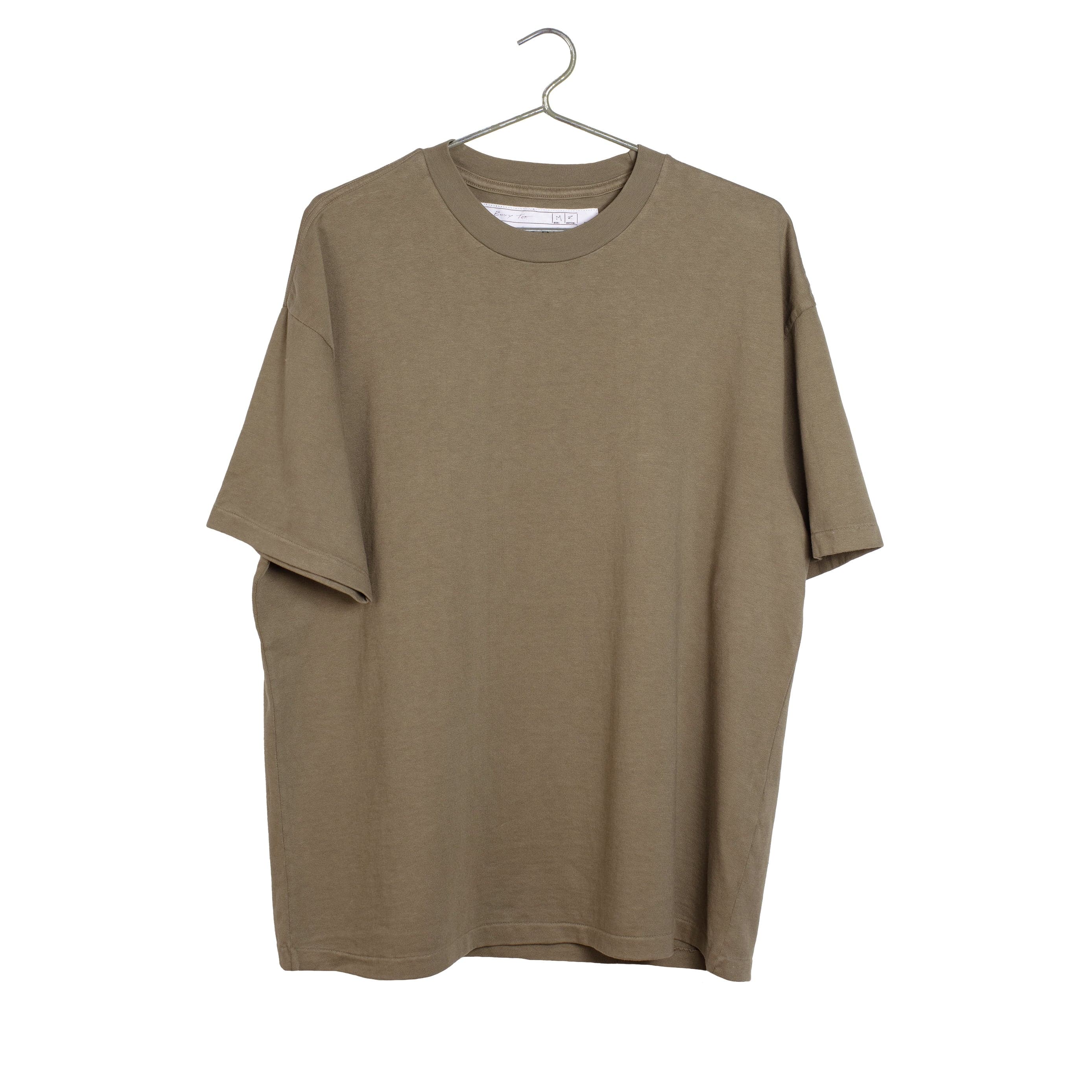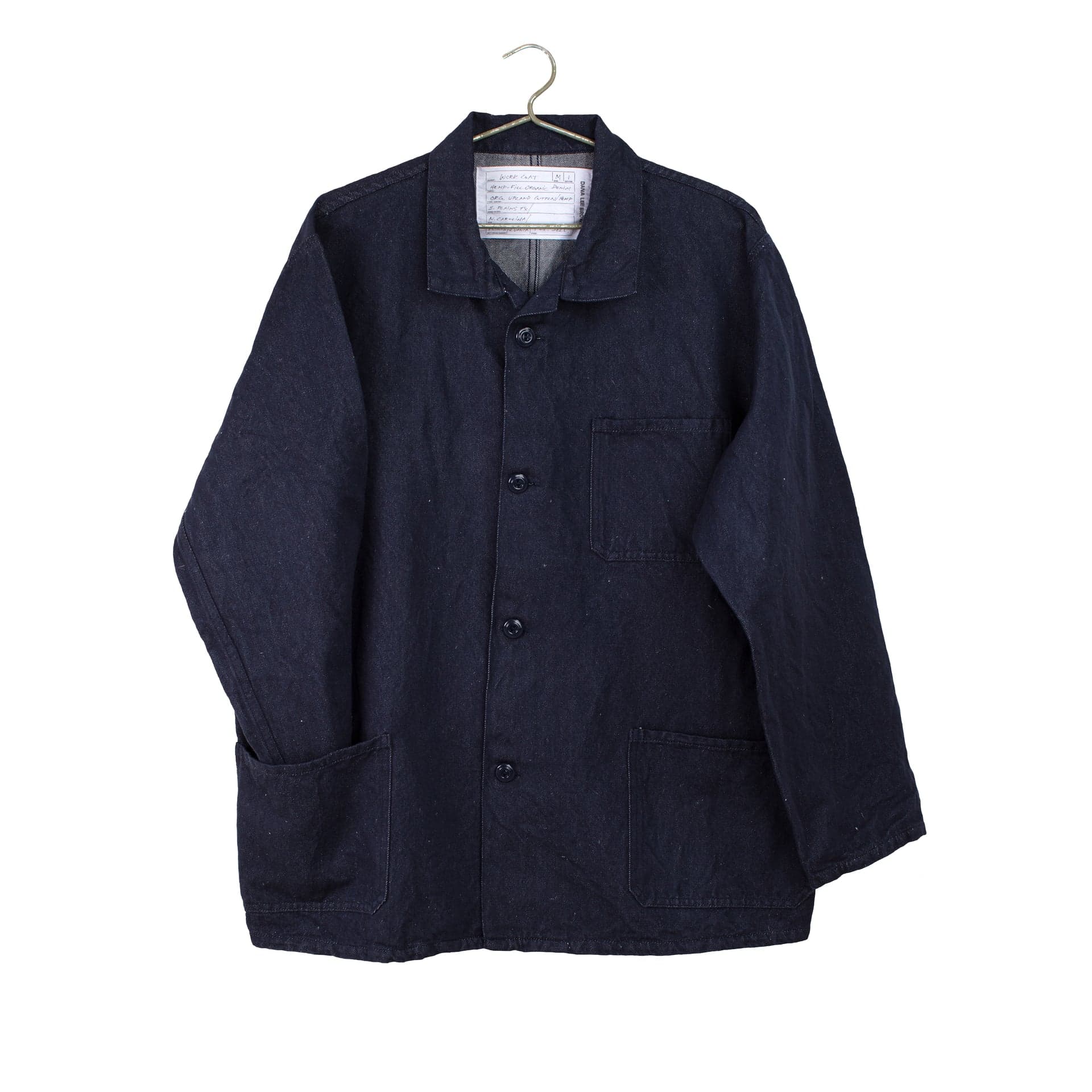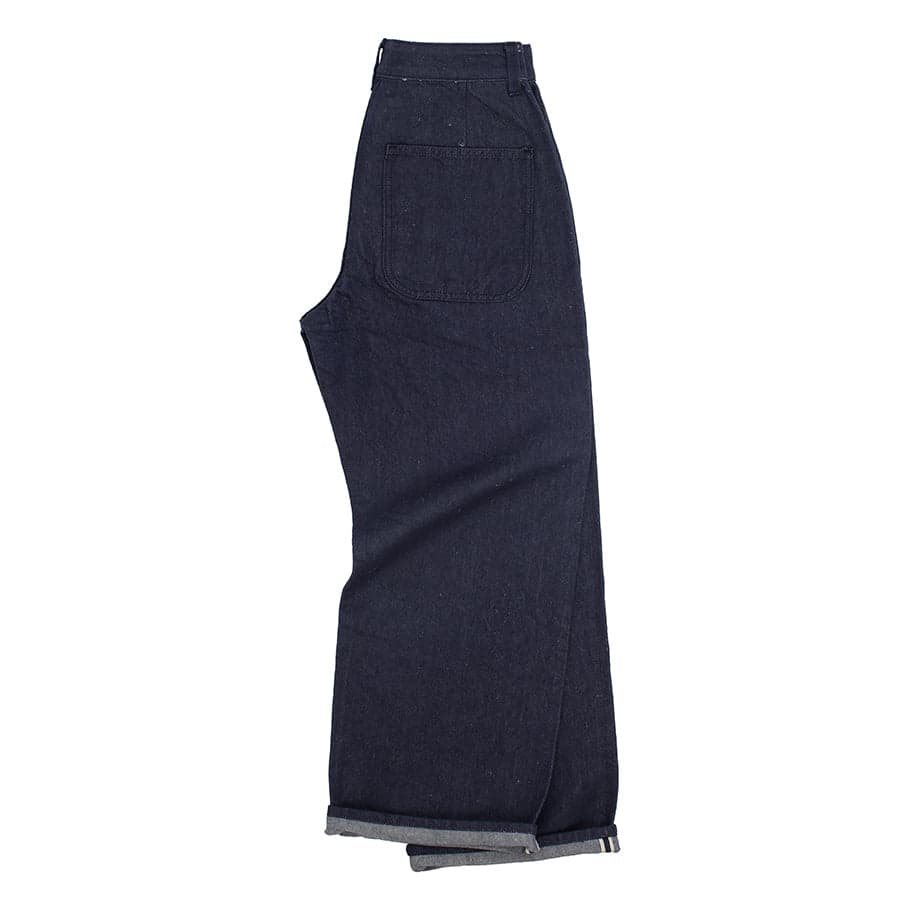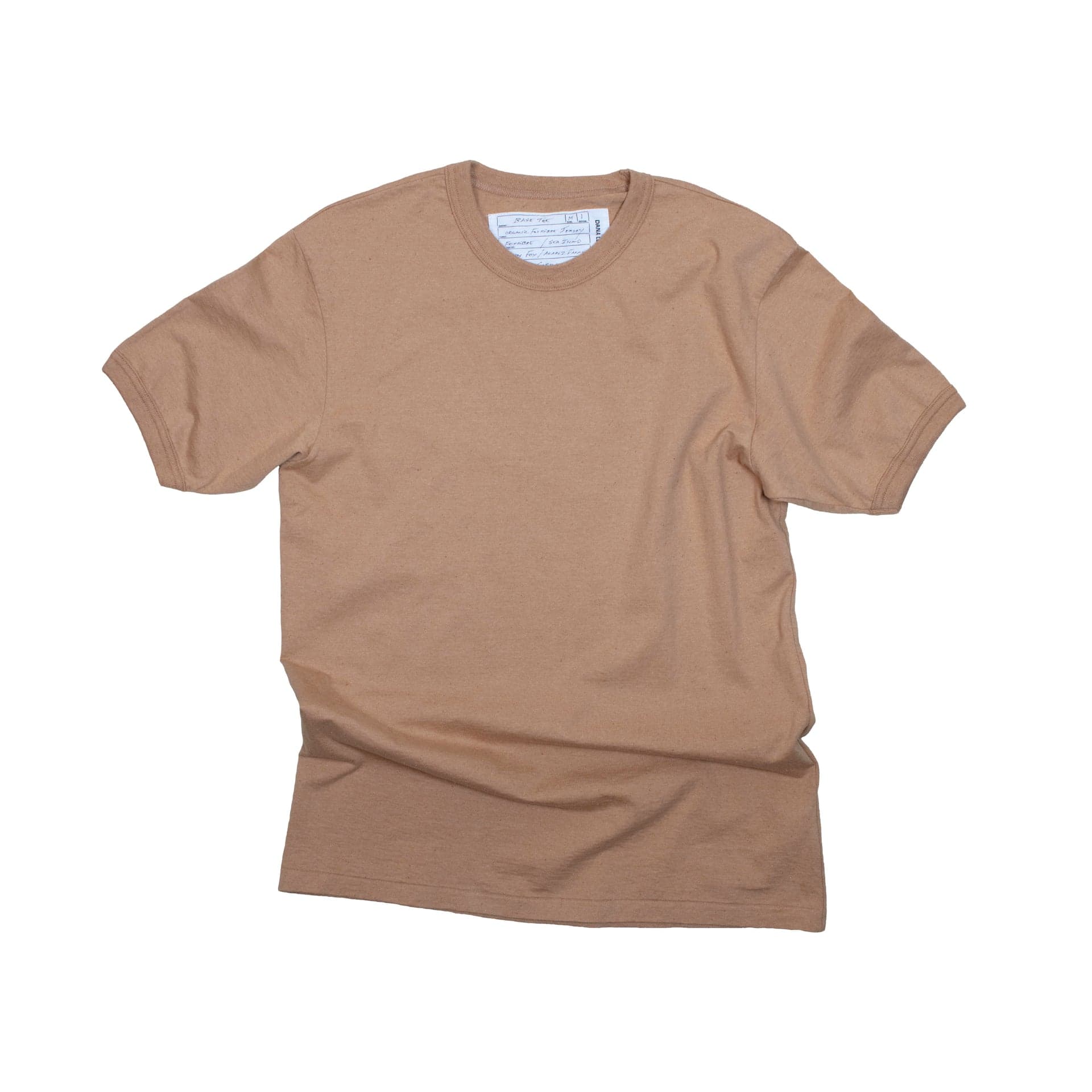
Summary
Dana Lee Brown exhibits a strong commitment to sustainability through local sourcing, transparency, and the use of natural materials. The brand's focus on regional supply chains and natural dyes indicates a thoughtful approach to environmental impact. However, the lack of publicly available information on certifications, energy practices, and labor conditions presents challenges in fully assessing their sustainability performance. Providing more detailed data in these areas would enhance transparency and allow for a more comprehensive evaluation.
Categories
10 total
The brand sources natural fibers grown and raised from the Cascadian Coastline to the Maritimes, collaborating with farms and supply chains within North America. This approach supports local economies and reduces the carbon footprint associated with long-distance transportation. ([danaleebrown.com](https://danaleebrown.com/pages/process?utm_source=openai))
Dana Lee Brown demonstrates a strong commitment to transparency by providing detailed information about the origins of their materials and the processes involved in garment production. The brand collaborates closely with North American farms and supply chains, ensuring traceability from soil to garment. Each piece carries a label chronicling its journey, beginning with the soil. ([danaleebrown.com](https://danaleebrown.com/pages/process?utm_source=openai))
Dana Lee Brown designs garments with longevity in mind, using high-quality materials and timeless designs that encourage prolonged use. This approach aligns with principles of circularity by promoting extended product lifecycles. ([scoutmagazine.ca](https://scoutmagazine.ca/on-soil-up-production-and-starting-a-fibre-revolution-with-dana-lee/?utm_source=openai))
By focusing on local sourcing and production within North America, Dana Lee Brown likely reduces transportation-related emissions. However, without comprehensive data on their overall carbon footprint, a complete assessment is not possible.
Dana Lee Brown uses wool sourced from sheep raised with regenerative practices on farms in Ontario and California. While this suggests a consideration for animal welfare, detailed information on the treatment of animals and adherence to specific welfare standards is not provided. ([fairdare.org](https://www.fairdare.org/blog/fair-brand-dana-lee-brown?utm_source=openai))
Dana Lee Brown utilizes natural dyes, such as regeneratively grown indigo and foraged plants like walnut hulls, which are generally less harmful to water systems compared to synthetic dyes. However, specific data on water usage and pollution control measures during production are not readily available. ([fairdare.org](https://www.fairdare.org/blog/fair-brand-dana-lee-brown?utm_source=openai))
The brand collaborates with local farms and supply chains, which may support fair labor practices. However, specific information about labor conditions, fair wages, or third-party audits is not available, making it challenging to assess this category comprehensively.
While Dana Lee Brown emphasizes sustainable practices, there is limited publicly available information regarding third-party certifications or adherence to specific industry standards. The brand's focus on local and organic materials suggests a commitment to high standards, but the lack of formal certifications makes it challenging to fully assess this aspect.
The brand's emphasis on high-quality, durable garments suggests a commitment to waste reduction through product longevity. Specific information about packaging materials and waste management practices is not provided, making it difficult to evaluate this aspect fully.
There is limited information regarding the brand's energy consumption practices or use of renewable energy sources in their production processes. Without specific data, it's difficult to assess their performance in this category.