
Analyzed Product Profile
Etam
This Analyzed Product Profile is based on 8 distinct analyzed products, a small catalogue sample. Median, range, and material mix describe those products only — not Etam as a whole.
Sample and scores
Most common materials
Counted by distinct product, not fiber percentage. One product can appear in several rows.
| Material | Products |
|---|---|
| Cotton | 6 |
| Elastane | 1 |
| Organic Cotton | 1 |
| Viscose | 1 |
Category mix
| Category | Products |
|---|---|
| Pajamas | 5 |
| Pants | 2 |
| Shirts | 2 |
| Tanks | 2 |
| Underwear | 2 |
| Bras | 1 |
Highest-scoring analyzed products

T-shirt de pyjama manches courtes en coton
Etam
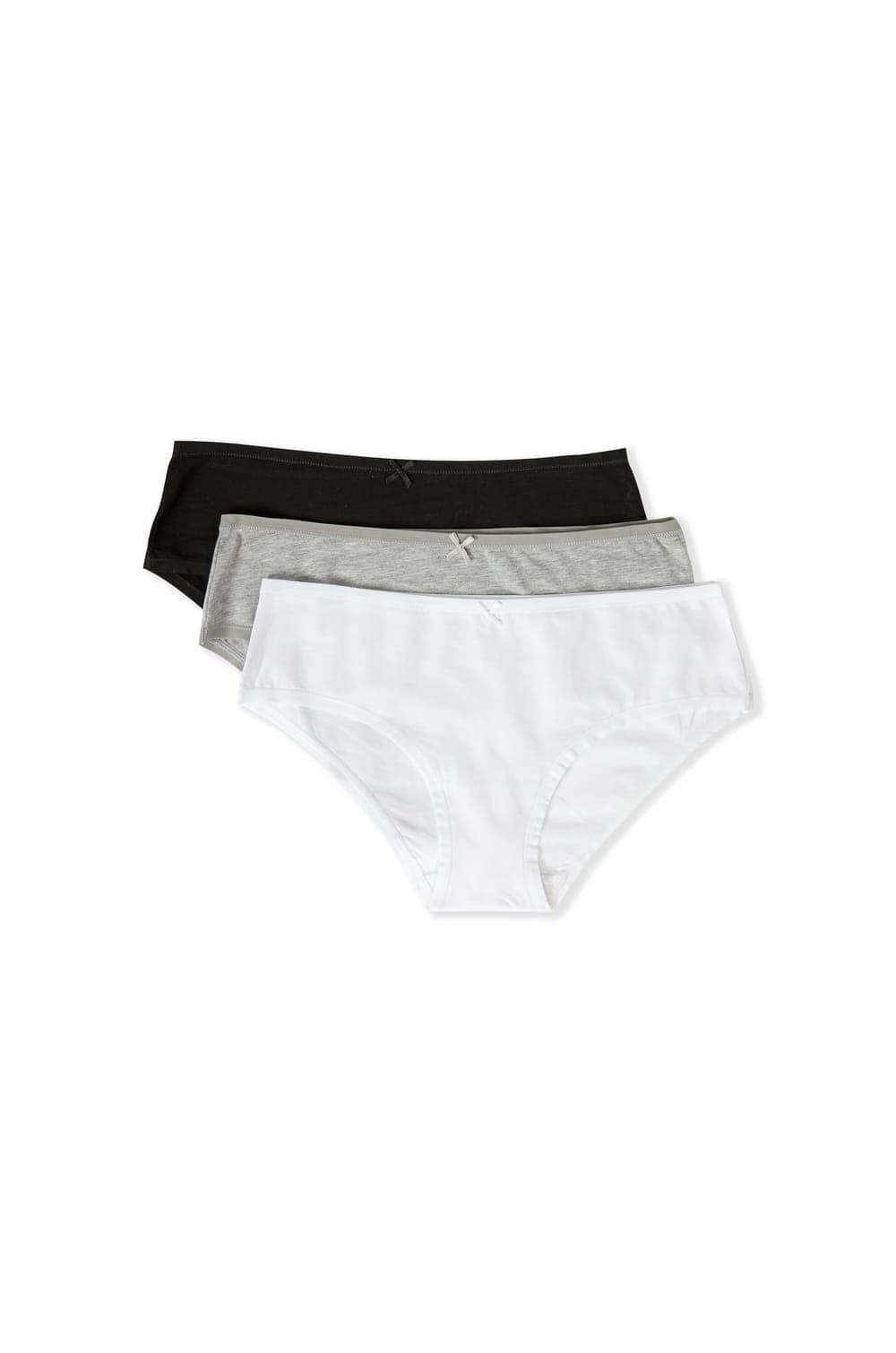
Lot de 3 shortys en coton
Etam
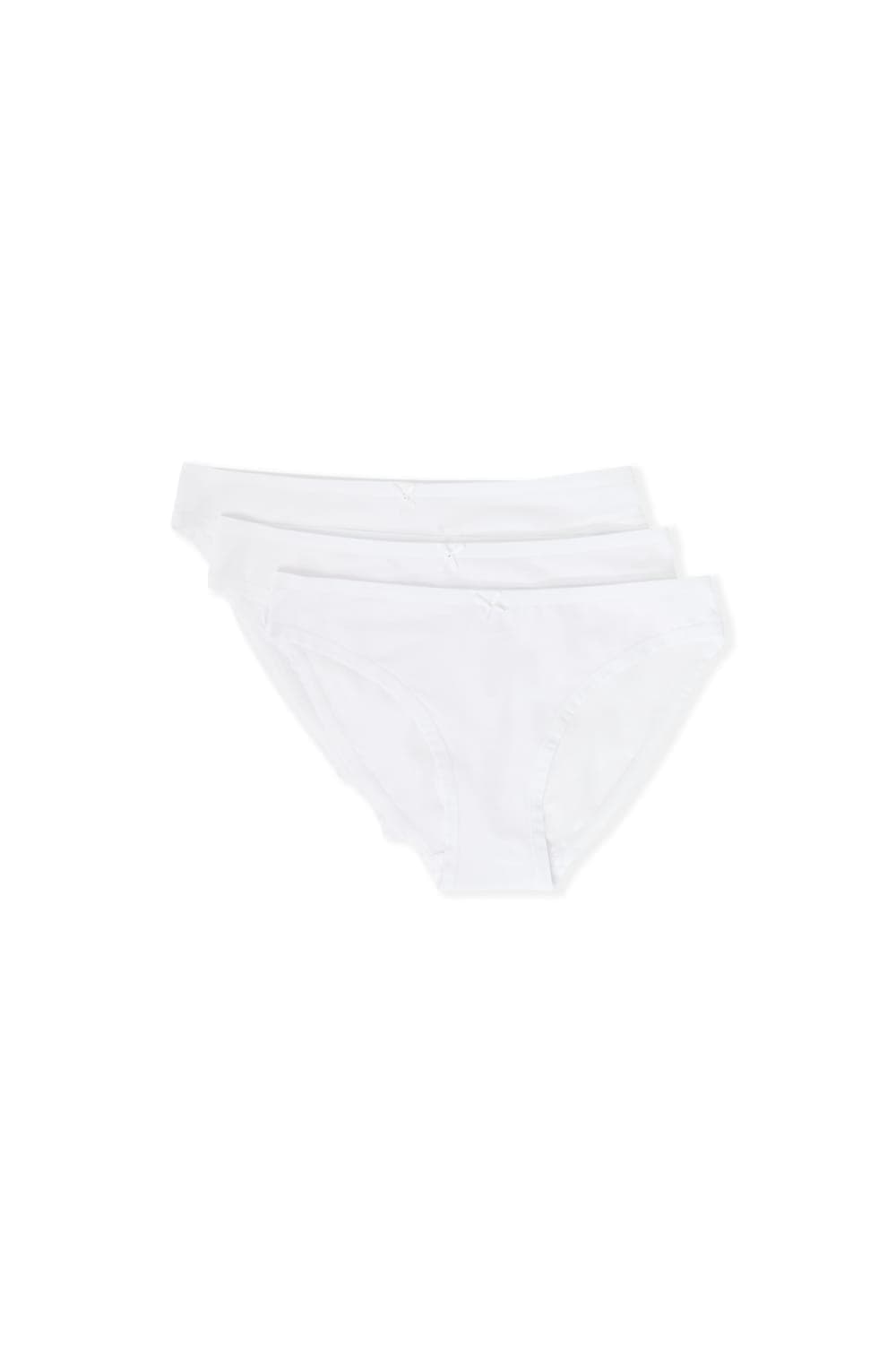
Lot de 3 culottes en coton
Etam
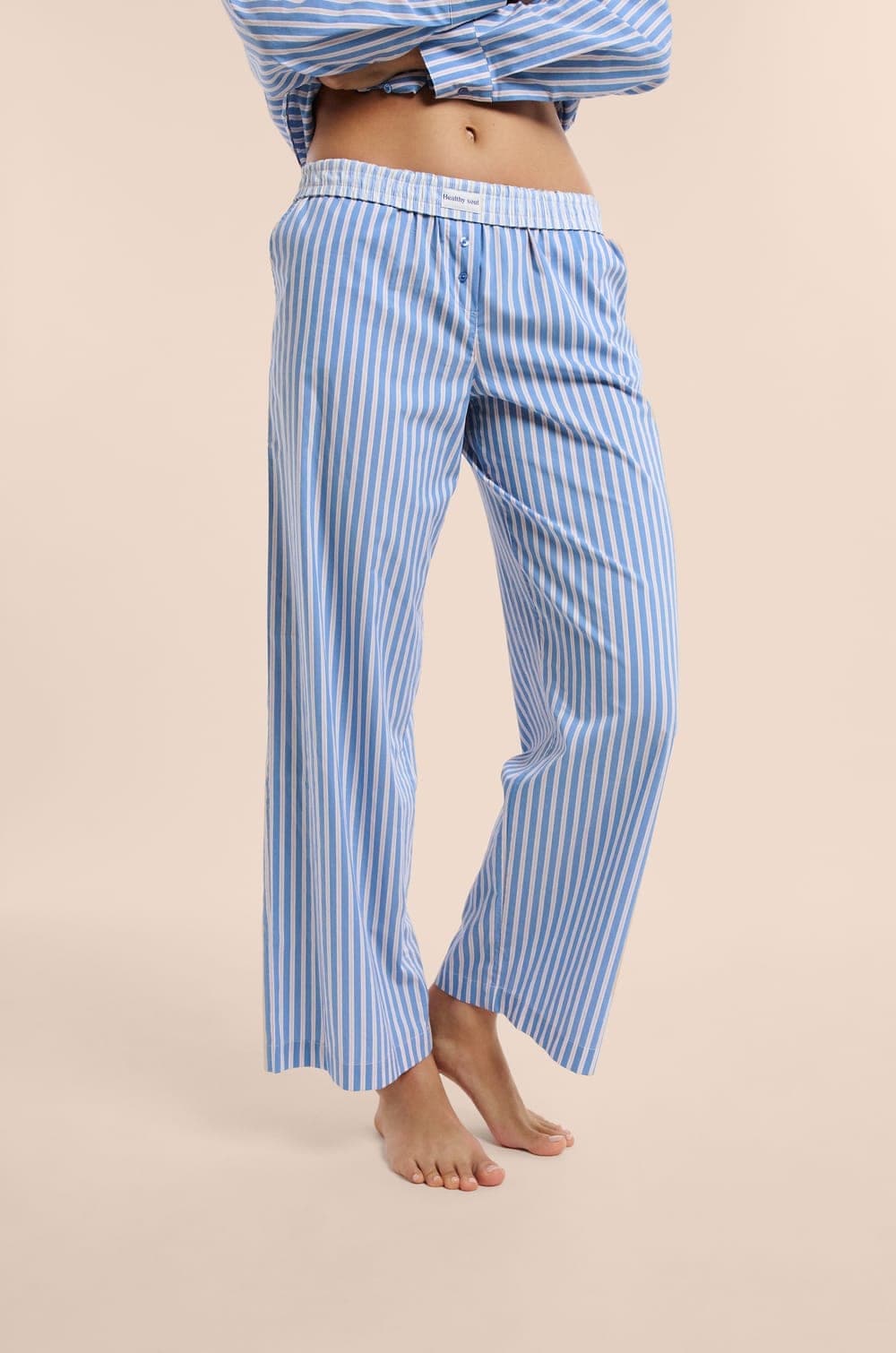
Pantalon de pyjama à rayures avec coton
Etam
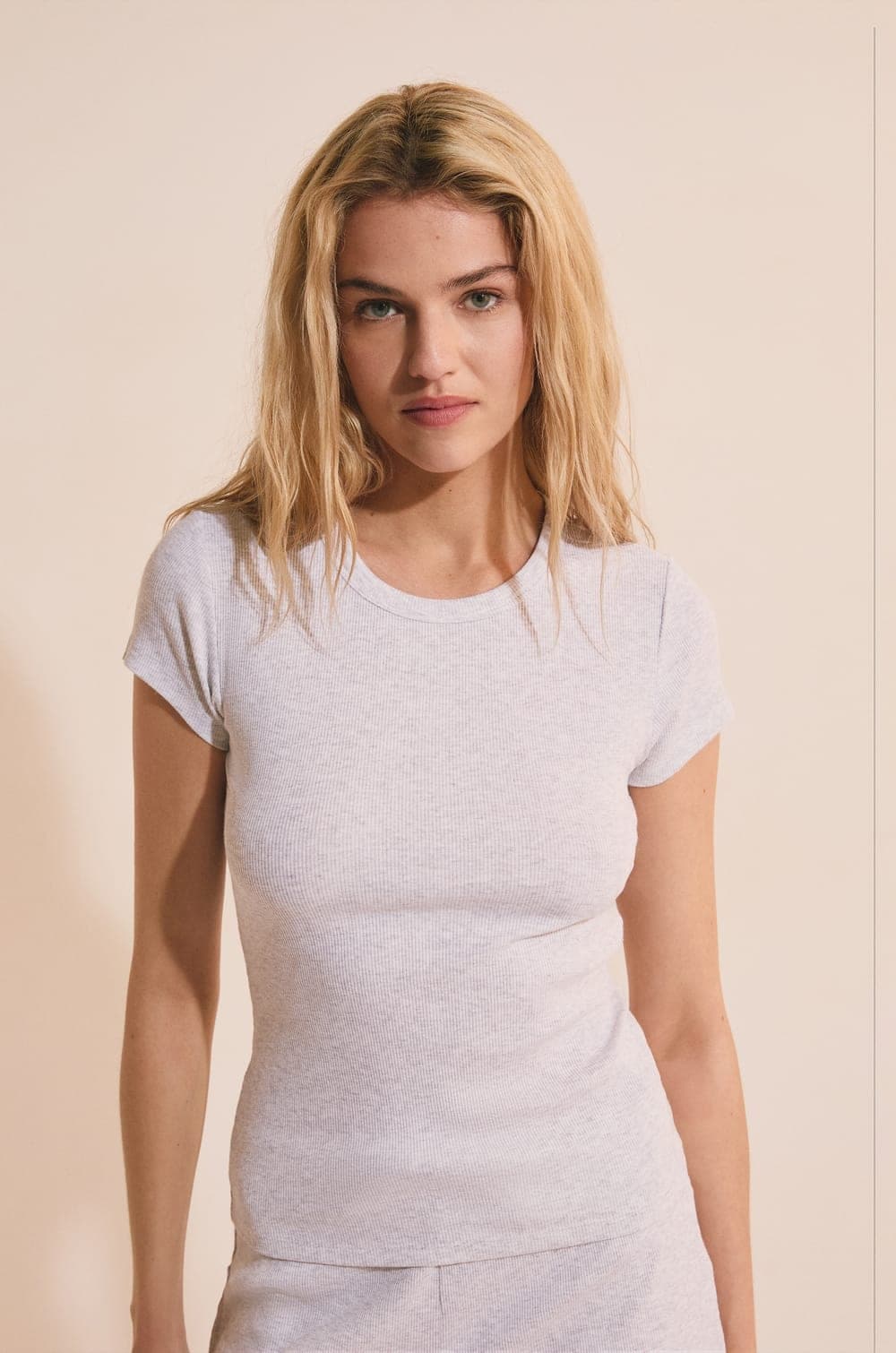
T-shirt de pyjama col rond avec coton côtelé
Etam
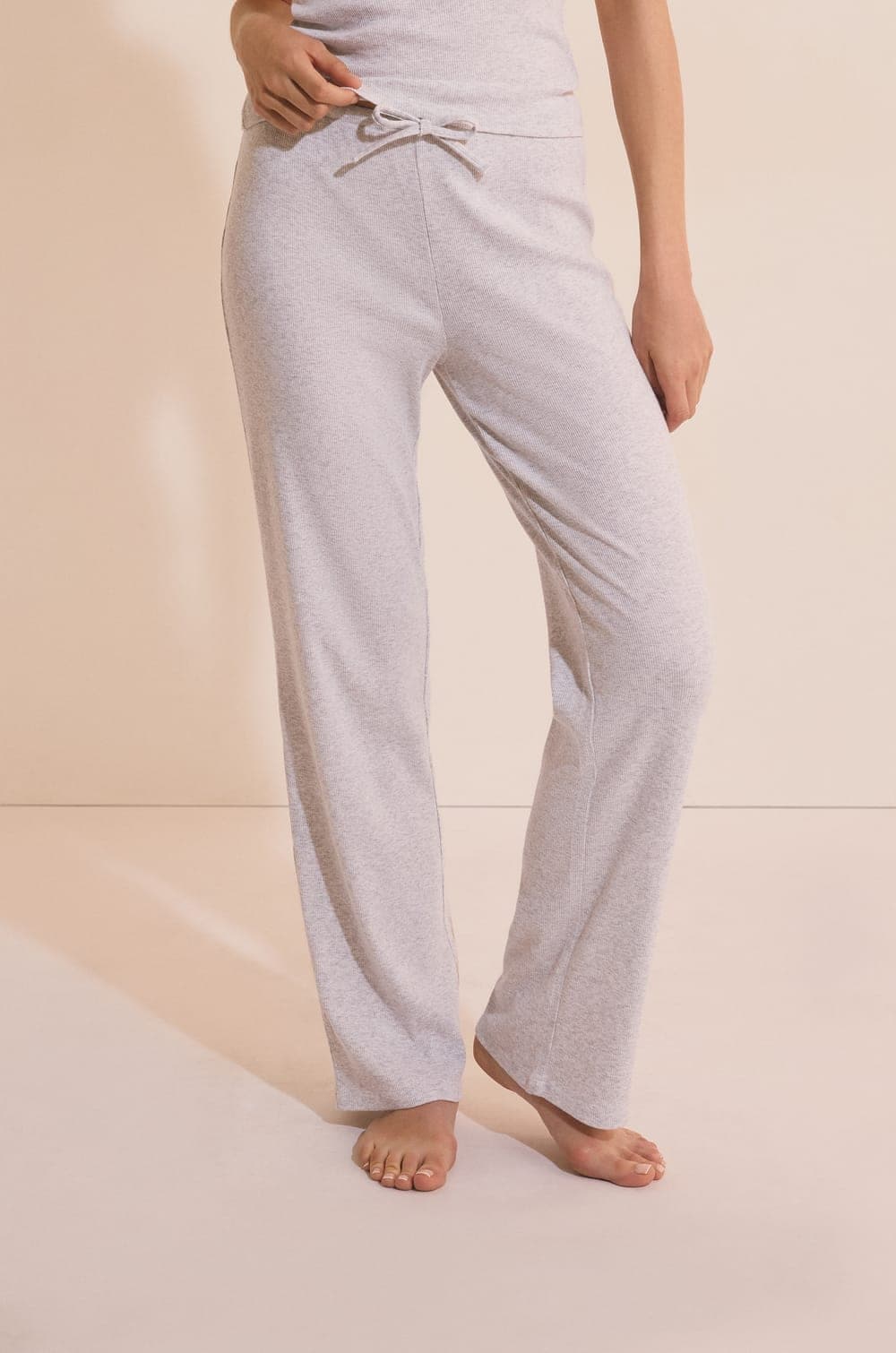
Pantalon de pyjama avec coton côtelé
Etam

Reversible Stretchy Organic Cotton Bralette
Etam
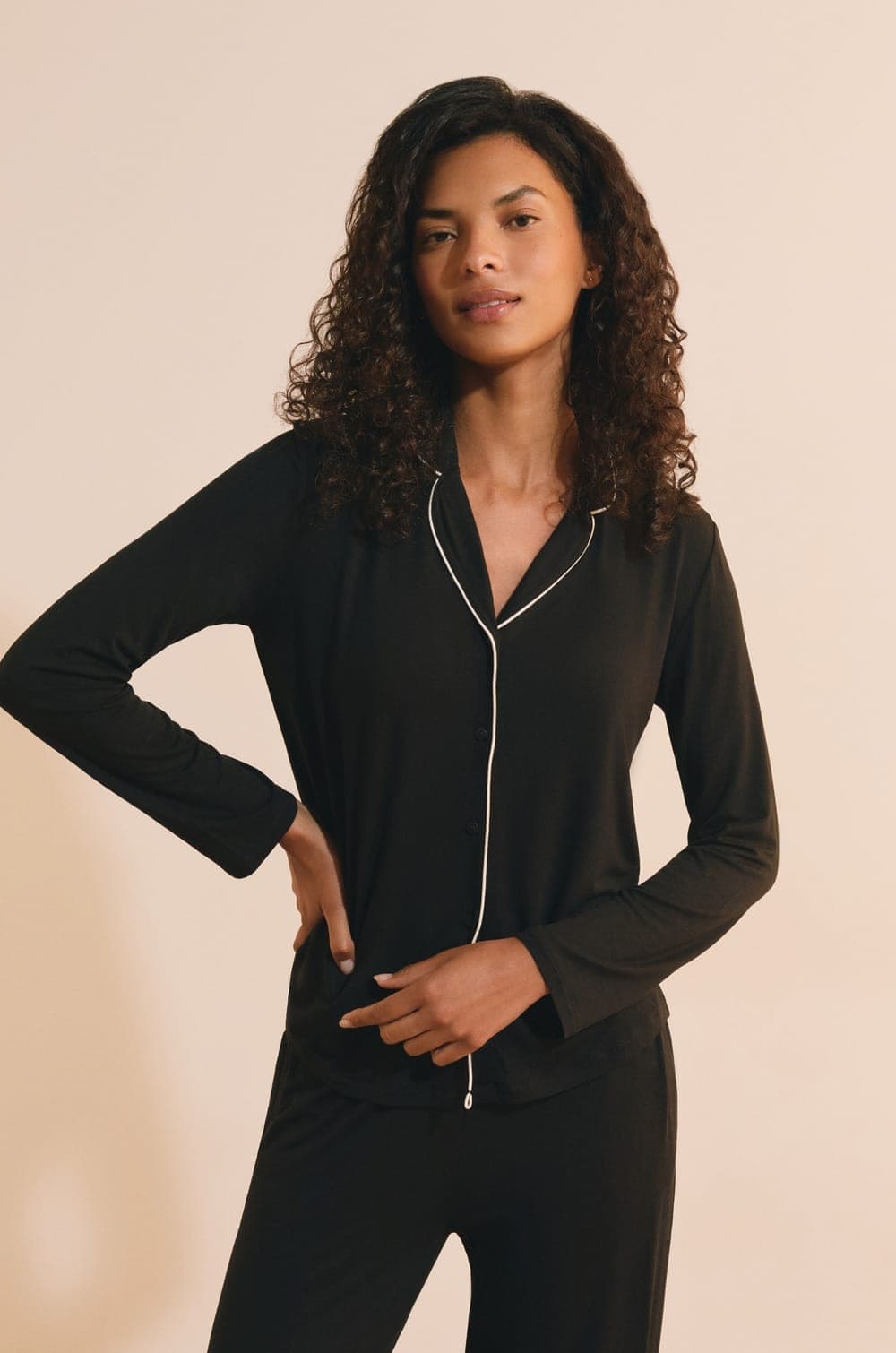
Ensemble de pyjama 2 pièces manches longues
Etam
How these scores are produced
Product scores on this page are produced automatically. We read the composition and certification details a retailer discloses on the product page, match each material to our research database, and apply the published clothing-score process: every product starts at 100; five material factors — microplastics, PFAS, material half-life, production energy, and fiber shedding — apply penalties weighted by how much of the garment that material makes up; a sixth factor, azo dyes, applies to the garment as a whole; and a small adjustment reflects whether any certification was disclosed. GOTS, bluesign, OEKO-TEX Standard 100, and Cradle to Cradle can also mark a product azo-dye-free. We do not lab-test garments. The Analyzed Product Profile then summarizes those product scores. It is not a corporate sustainability score, and it is not the retired LLM brand assessment.
Are you this brand?
If a figure on this page is wrong, send a correction. We aim to respond within 24 hours. A review can temporarily hide a disputed claim; it is not an automatic permanent removal.
Sourced corporate evidence
These are sourced claims, not a corporate score. Missing topics are not assessed, not scored as zero.
Etam describes itself as a lingerie and fashion brand offering lingerie, nightwear, swimwear, lifestyle products, and accessories, with a responsible-fashion programme called WeCare.
company_disclosure
Etam Group states that, since 2021, 100% of Etam and Undiz products have provided transparency about their Tier 1 manufacturing sites, including factory information accessible through product-label QR codes and online product pages.
company_disclosure
Etam Group states that its 2030 climate targets include reducing Scope 1 and 2 emissions by 80% and Scope 3 greenhouse-gas emissions per product by 40%, with the targets validated by the Science Based Targets initiative.
company_disclosure
Etam Group reports that 61% of its products met its WeCare criteria in 2025; the criteria require at least 50% more sustainable fibres or an innovation that significantly reduces environmental impact.
company_disclosure
Etam Group reports that 75% of its cotton products were certified organic in 2025 and that one in two products containing synthetic fibres used GRS- or RCS-certified recycled materials.
company_disclosure
Etam’s customer-facing WeCare page states that 60% of its products use more responsible materials, including certified organic, recycled, or responsibly sourced materials.
company_disclosure
Etam’s programme “Petit Geste, Joli Soutien” enables customers to drop off used bras in participating European stores; Etam states that more than 400,000 bras have been collected since the programme launched.
company_disclosure
Etam Group states that it joined the amfori trade association and that its supply-chain approach includes a reporting system through which workers may report practices that do not meet company requirements.
company_disclosure
- Not assessed — Independent verification of Etam’s reported environmental and social performance beyond the company’s own disclosures
- Not assessed — Animal welfare