
Analyzed Product Profile
Everlane
This Analyzed Product Profile is based on 68 distinct analyzed products in the Greener Closet catalogue. Median, range, and material mix are computed from those products' disclosed composition. They are not a corporate sustainability score.
Sample and scores
Most common materials
Counted by distinct product, not fiber percentage. One product can appear in several rows.
| Material | Products |
|---|---|
| Organic Cotton | 42 |
| Elastane | 23 |
| Recycled Polyester | 10 |
| Cotton | 9 |
| Recycled Nylon | 5 |
| Linen | 3 |
Category mix
| Category | Products |
|---|---|
| Pants | 26 |
| Shirts | 21 |
| Denim | 18 |
| Coats and Jackets | 10 |
| Shorts | 3 |
| Sweaters | 3 |
Highest-scoring analyzed products
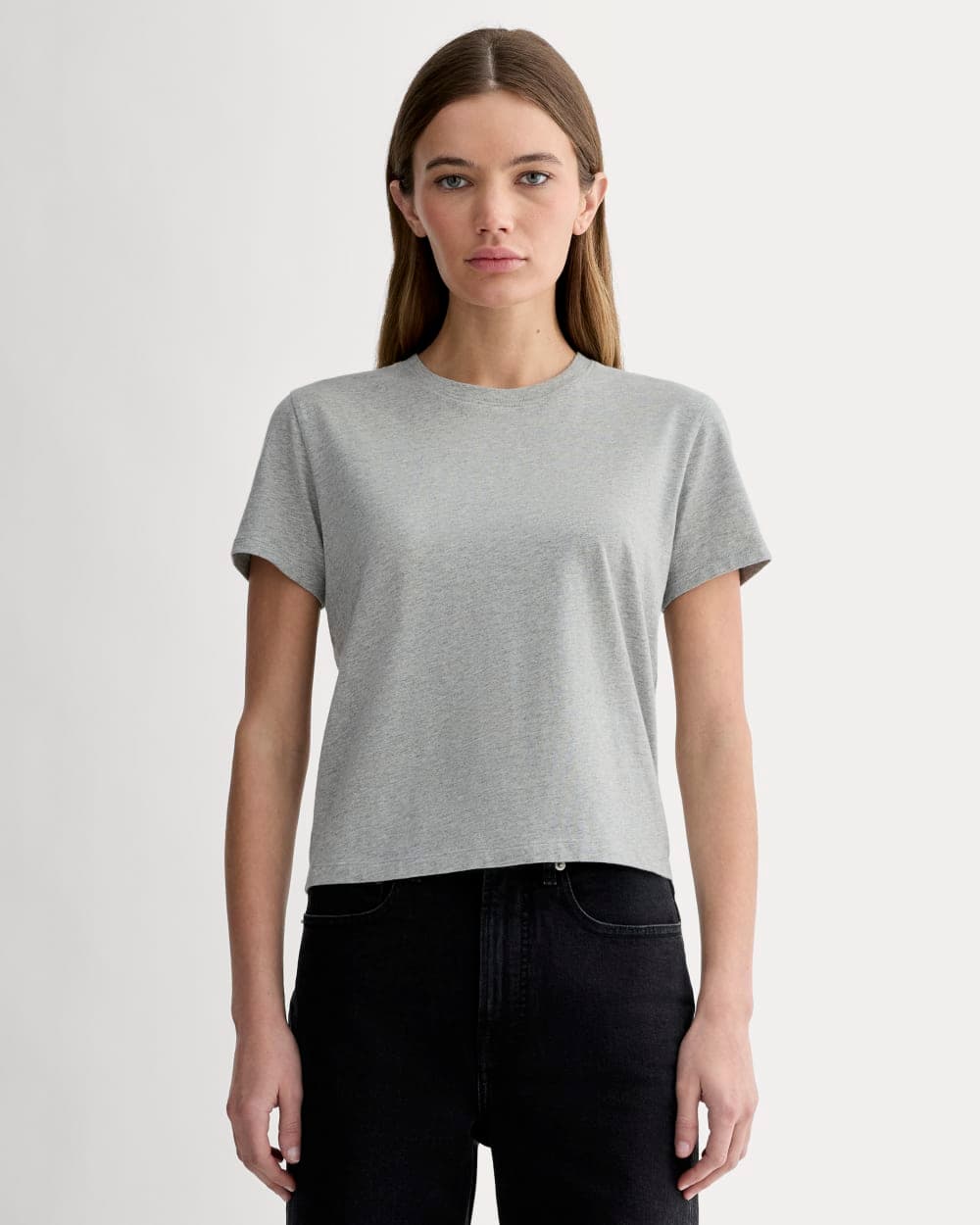
The Box-Cut Tee in Essential Cotton
Everlane
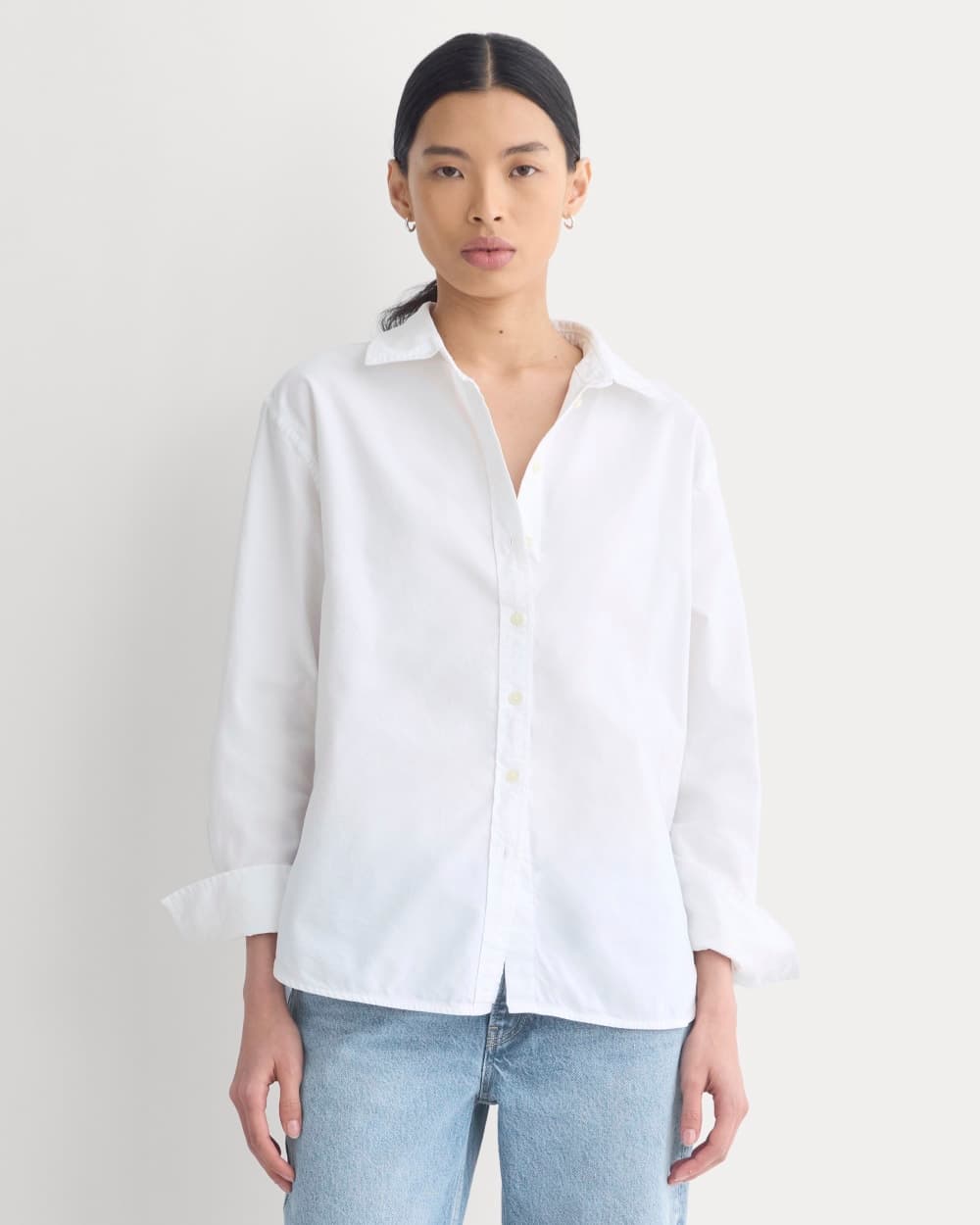
Everyday Oxford Shirt
Everlane
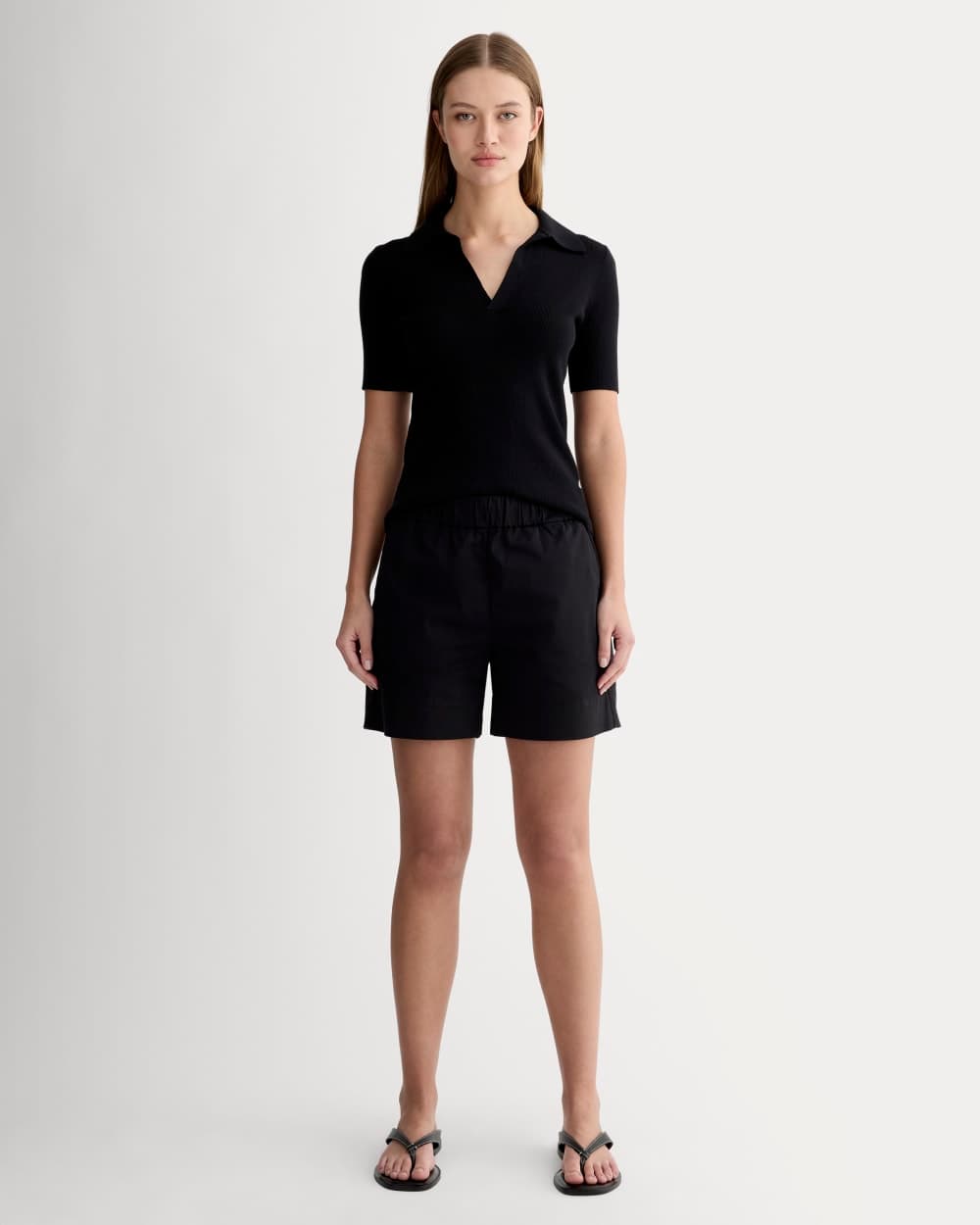
The Easy Short
Everlane
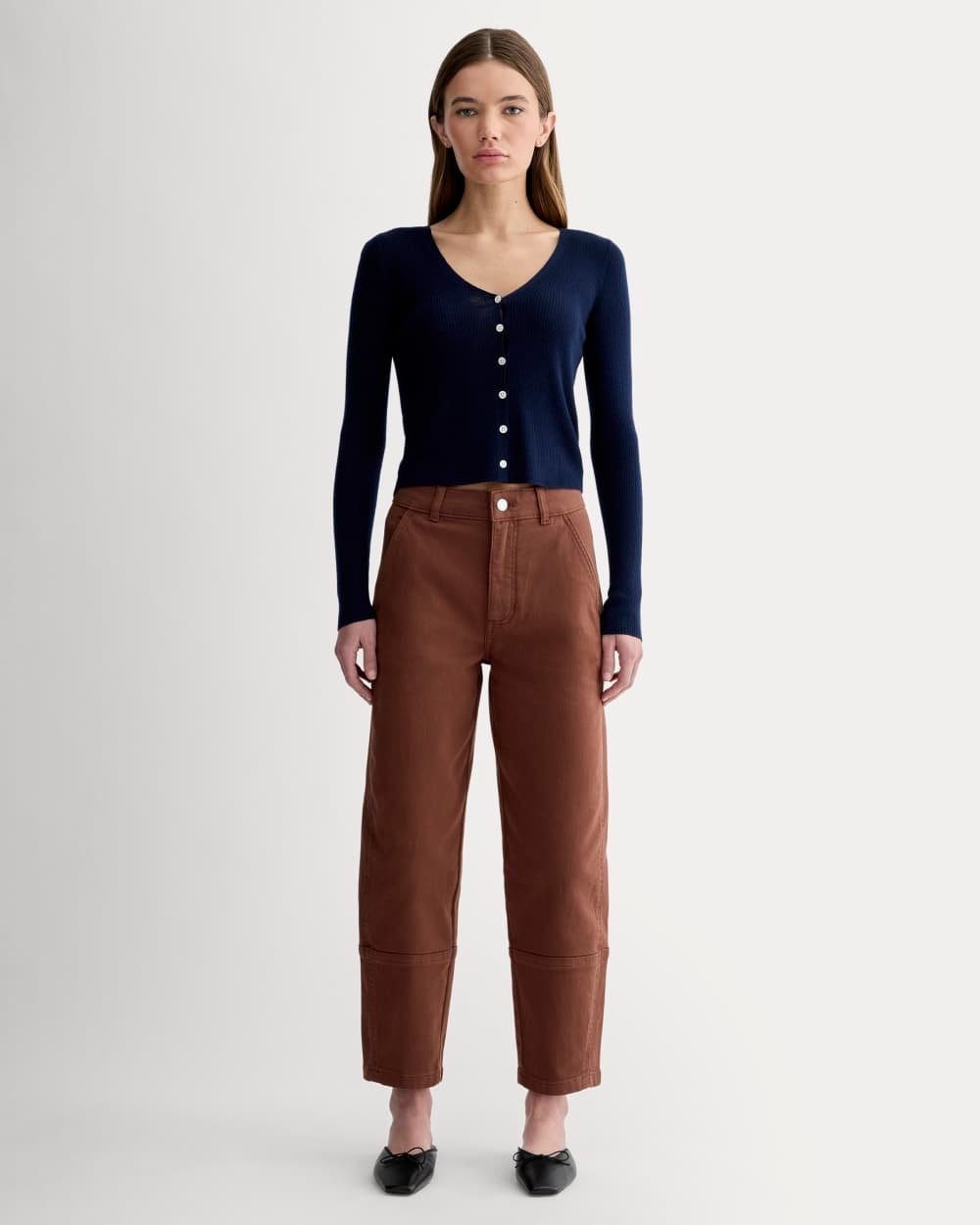
The Utility Barrel Pant
Everlane
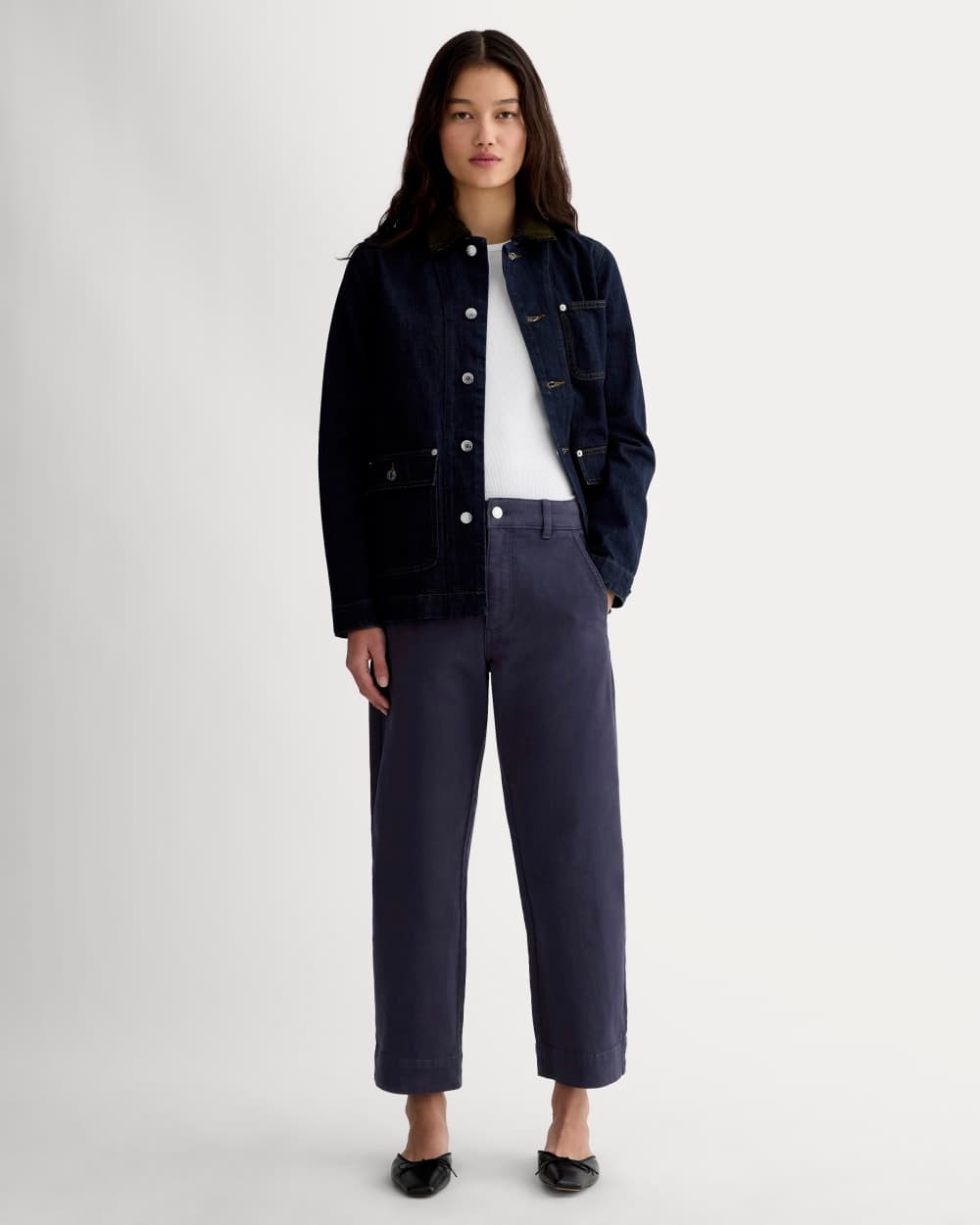
The Utility Straight-Leg Pant
Everlane

The Super-Soft Relaxed Jean
Everlane
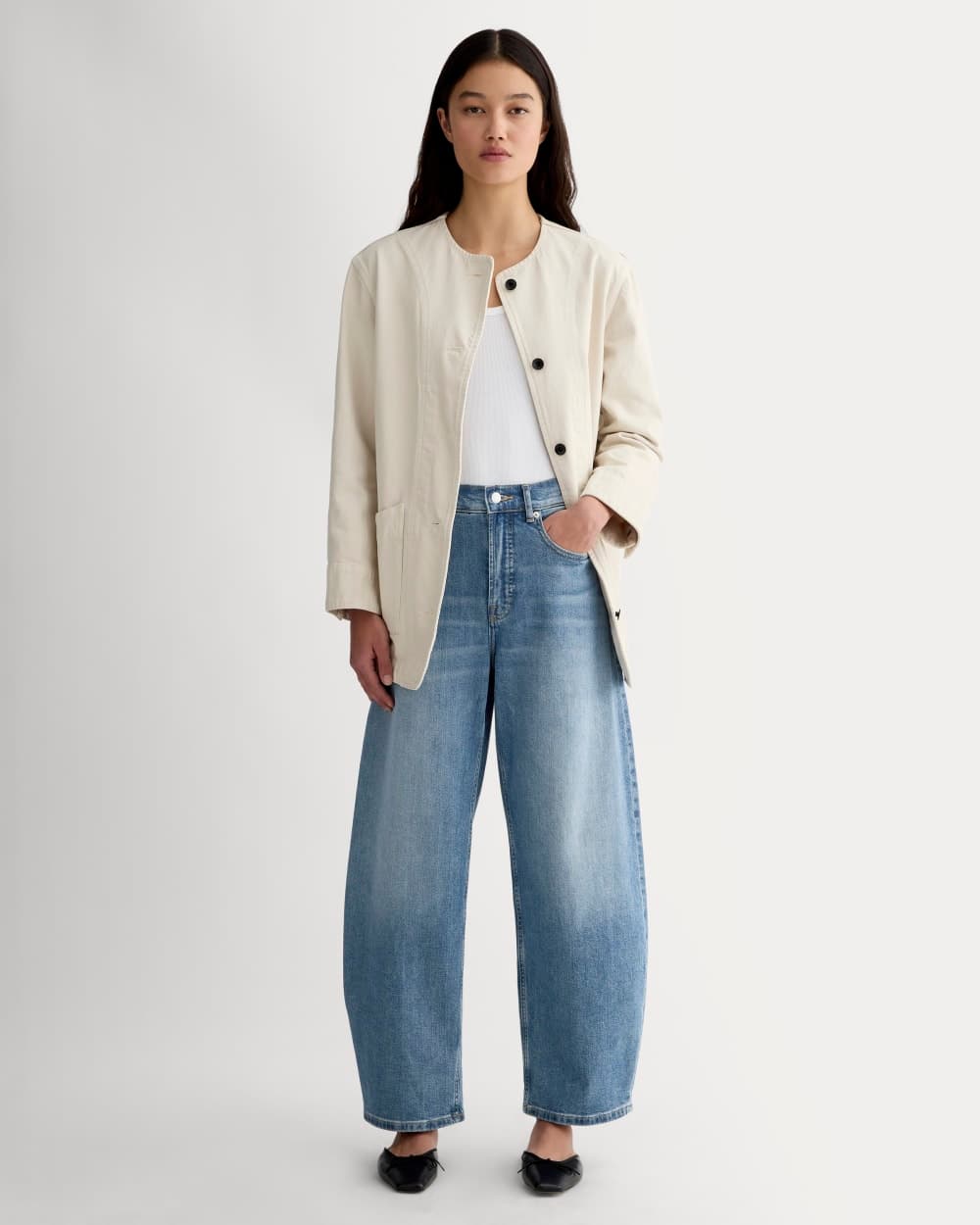
The Way-High® Curve Jean
Everlane
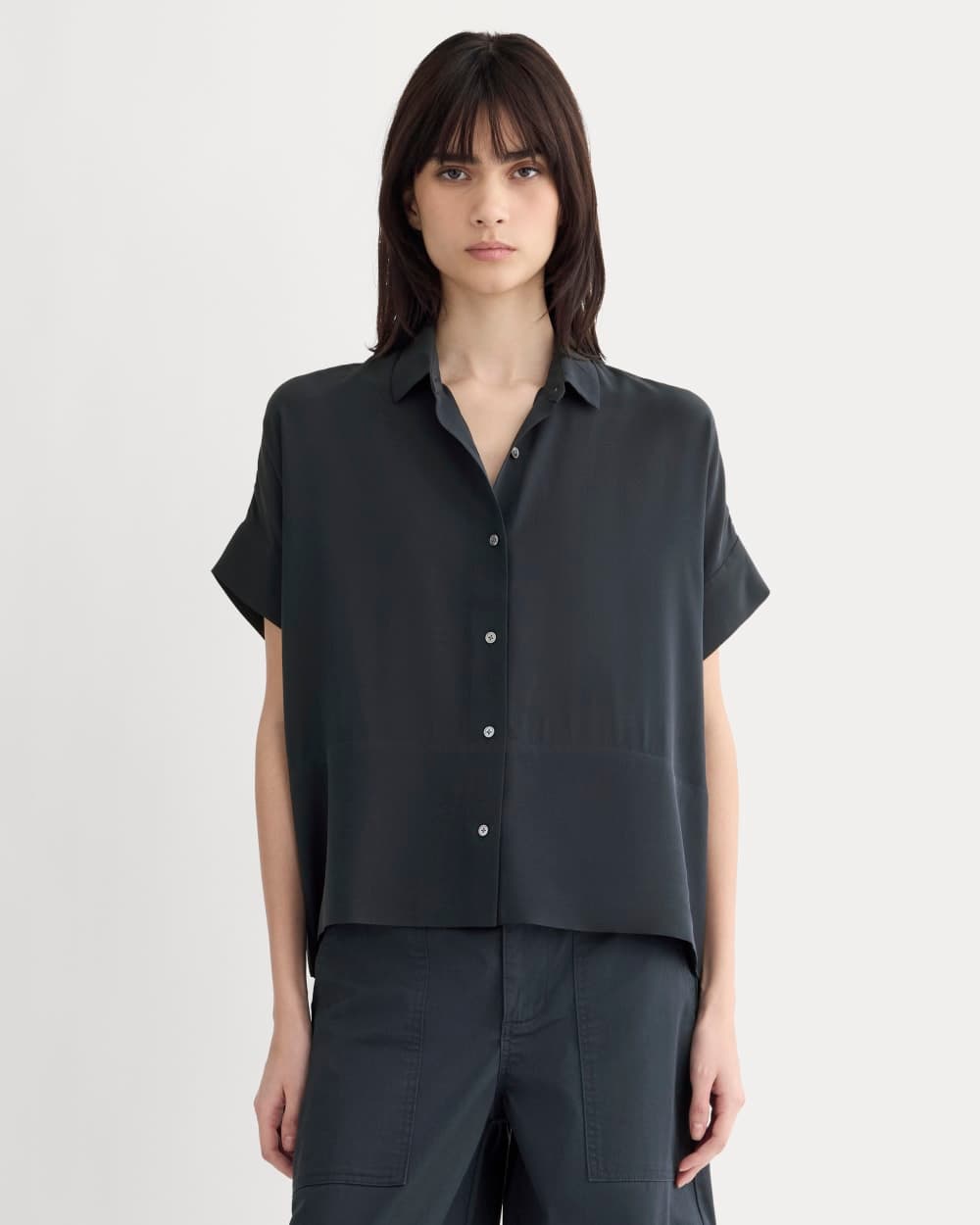
The Boxy Shirt in Washable Silk
Everlane
How these scores are produced
Product scores on this page are produced automatically. We read the composition and certification details a retailer discloses on the product page, match each material to our research database, and apply the published clothing-score process: every product starts at 100; five material factors — microplastics, PFAS, material half-life, production energy, and fiber shedding — apply penalties weighted by how much of the garment that material makes up; a sixth factor, azo dyes, applies to the garment as a whole; and a small adjustment reflects whether any certification was disclosed. GOTS, bluesign, OEKO-TEX Standard 100, and Cradle to Cradle can also mark a product azo-dye-free. We do not lab-test garments. The Analyzed Product Profile then summarizes those product scores. It is not a corporate sustainability score, and it is not the retired LLM brand assessment.
Are you this brand?
If a figure on this page is wrong, send a correction. We aim to respond within 24 hours. A review can temporarily hide a disputed claim; it is not an automatic permanent removal.
Sourced corporate evidence
These are sourced claims, not a corporate score. Missing topics are not assessed, not scored as zero.
Everlane requires direct suppliers to undergo annual compliance audits and quarterly observation audits conducted by an accredited third-party auditing firm. The audits assess working and living conditions, wages, hours worked, health and safety, and supporting records.
company_disclosure
Everlane states that it publicly discloses Tier 1, 1A, and Tier 2 suppliers through the Open Supply Hub and has signed the Transparency Pledge.
company_disclosure
Everlane's Vendor Code of Conduct prohibits forced labor and human-rights abuses in its supply chain, requires freedom of association and grievance mechanisms, and sets environmental expectations covering resource consumption, water use, emissions, chemicals, carbon footprint, and waste.
company_disclosure
Everlane's 2024 Impact Report states that its near-term Science-Based Target includes reducing Scope 1 and Scope 2 market-based greenhouse-gas emissions by 46% by 2030 from a 2019 baseline, and reducing Scope 3 emissions by 55% per unit produced by 2030 from the same baseline. It also states a validated long-term target of net-zero emissions by 2050.
company_disclosure
Published 2025-04-22
Everlane's 2024 Impact Report states that 94% of materials in its products met its lower-impact standards, 96% of total production volume was produced under its cleaner-chemistry standards, and 98% of factories making its products had their environmental practices independently verified.
company_disclosure
Everlane states that its denim manufacturing partner Saitex uses a closed-loop water-treatment system that recovers and reuses 96% of the water required for manufacturing.
company_disclosure
Everlane's animal-welfare policy applies to animal-based products including leather, wool, alpaca, cashmere, and down. It requires suppliers to source materials from processors using humane husbandry, treatment, and slaughtering practices, and rejects hides from animals slaughtered exclusively for their pelts or skinned alive.
company_disclosure
Published 2023-12-01
Everlane states that it strictly prohibits fur and exotic animal skins and hair in its materials and products.
company_disclosure
- Not assessed — Independent corroboration of Everlane's company-reported sustainability, labor, water, climate, and animal-welfare claims