Summary
Happy Earth demonstrates a strong commitment to sustainability across multiple categories, with notable strengths in certifications, sustainable material sourcing, carbon footprint management, and animal welfare. The brand's transparency, ethical labor practices, and waste reduction initiatives are commendable, though there is room for improvement in areas such as energy efficiency, circularity, and providing more detailed information on labor practices. Overall, Happy Earth stands out as a leader in sustainable fashion, continually striving to enhance its positive impact on the planet and society.
Categories
10 total
Happy Earth is a fully vegan brand, avoiding all animal-based materials in its products. The brand's commitment to animal welfare is further evidenced by its Vegan Society certification, ensuring that all products are cruelty-free. This strong dedication to animal welfare positions Happy Earth as a leader in this category.
Happy Earth holds multiple reputable certifications, including B Corp, Climate Neutral, and Fair Trade. These certifications reflect the brand's adherence to high social and environmental standards. Additionally, the brand's products are certified by NATRUE, Vegan Society, and Zero Plastic Inside, ensuring natural ingredients, vegan and cruelty-free products, and absence of microplastics. The breadth and credibility of these certifications underscore the brand's strong commitment to sustainability.
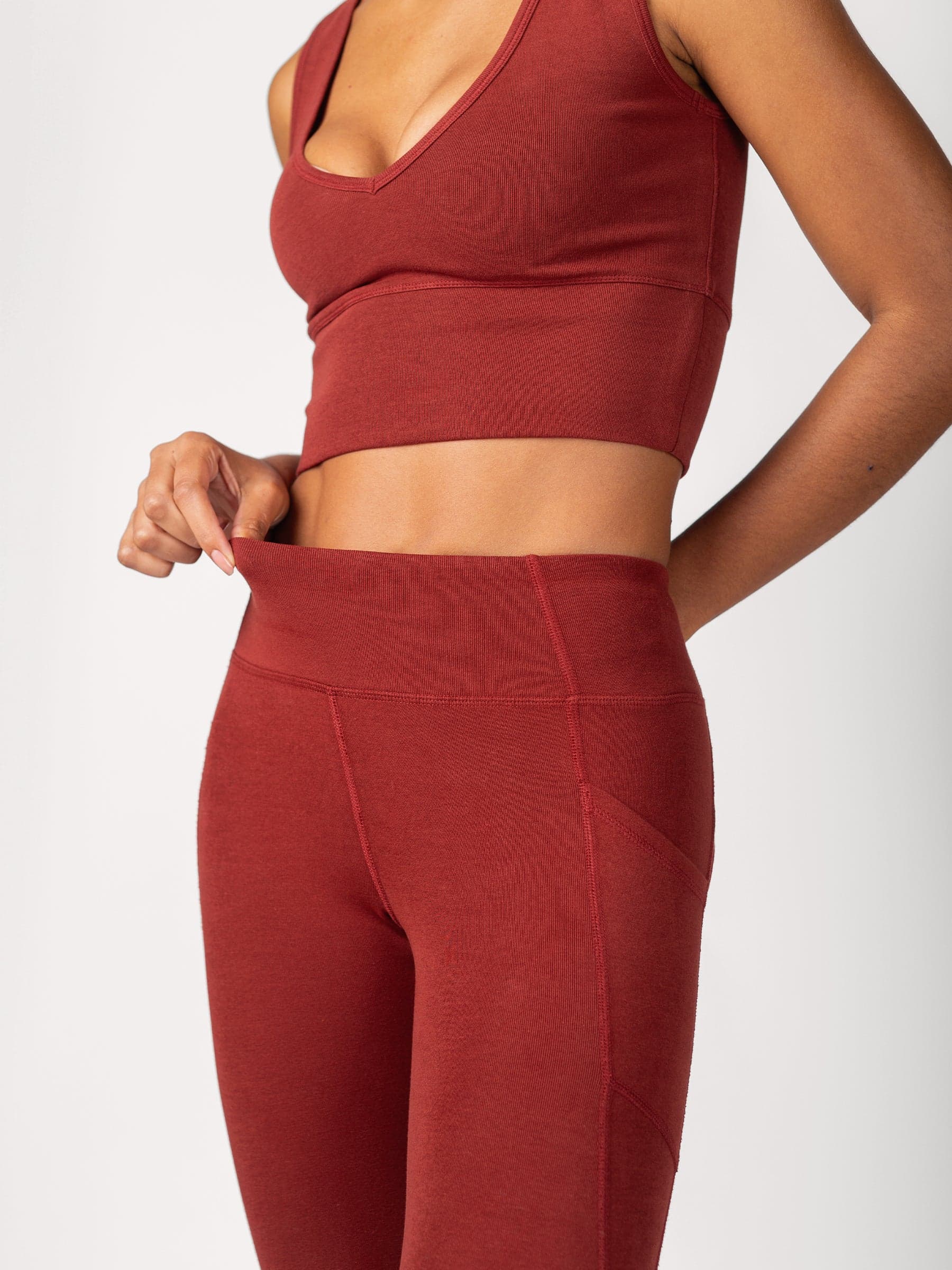
Happy Earth primarily uses organic cotton sourced from certified farms, ensuring environmentally friendly cultivation practices. The brand avoids polyester, even recycled variants, to prevent microfiber pollution. This commitment to sustainable materials is a significant strength, though the brand could further diversify its use of sustainable fibers to enhance its material sourcing strategy.
Happy Earth is Climate Neutral Certified, meaning it measures, reduces, and offsets its carbon emissions. In 2023, the brand's annual emissions totaled 656 tCO2e, with 99.8% classified as Scope 3 from its supply chain. The brand has implemented emission reduction plans covering supply chain energy use and shipping, and offers customers the option to support carbon offsetting at checkout. These comprehensive efforts demonstrate a strong commitment to managing and mitigating its carbon footprint.
Happy Earth demonstrates a high level of transparency by publicly sharing detailed information about its supply chain, including sourcing locations and manufacturing partners. The brand's commitment to transparency is further evidenced by its B Corp certification, which requires comprehensive disclosure of social and environmental performance. However, while substantial information is available, there is limited data on certain aspects, such as specific supplier audits or detailed reports on traceability measures.
Happy Earth's use of organic cotton reduces water consumption compared to conventional cotton farming. The brand's primary manufacturer employs water-saving methods like rain harvesting and wastewater recycling. Additionally, the use of non-toxic dyes and adherence to the ZDHC Manufacturing Restricted Substances List demonstrate a commitment to minimizing water pollution. While these initiatives are commendable, more detailed data on water usage and pollution metrics would provide a clearer picture of the brand's impact.
Happy Earth employs low-waste cutting methods to reduce fabric waste and is committed to a 50% reduction target in waste generated from offcuts by Q4 2025. The brand uses 100% recycled content for product packaging and has set targets to eliminate single-use plastic from all packaging by Q4 2025. While these initiatives are commendable, the brand could further enhance its waste reduction efforts by implementing clothing take-back, repair, or resale programs.
Over 95% of Happy Earth's products are manufactured in Fair Trade-certified facilities, ensuring fair labor conditions and workers' rights. The brand's Code of Conduct is inspired by the International Labour Organization, emphasizing its commitment to ethical labor practices. However, specific information regarding the payment of living wages is not readily available, and the brand scored slightly below the median in the 'Workers' category of its 2024 B Corp Impact Assessment, indicating room for improvement in supporting employees' financial security and career development.
Happy Earth's office operates on renewable energy, and its primary manufacturing partner utilizes 60-70% renewable energy and natural gas instead of diesel. These efforts indicate a commitment to reducing energy consumption and greenhouse gas emissions. However, the brand could enhance its energy efficiency initiatives by setting specific targets and expanding the use of renewable energy across its entire supply chain.
Happy Earth provides product care information to help extend the durability of its products and employs low-waste cutting methods to reduce fabric waste. However, the brand does not currently implement clothing take-back, repair, or resale programs, which are key components of a circular economy. Introducing such initiatives would significantly enhance the brand's commitment to product longevity and circularity.