
Analyzed Product Profile
Honeylove
This Analyzed Product Profile is based on 6 distinct analyzed products, a small catalogue sample. Median, range, and material mix describe those products only — not Honeylove as a whole.
Sample and scores
Most common materials
Counted by distinct product, not fiber percentage. One product can appear in several rows.
| Material | Products |
|---|---|
| Nylon | 6 |
| Elastane | 4 |
| Spandex | 2 |
Category mix
| Category | Products |
|---|---|
| Bodysuits | 5 |
| Tanks | 3 |
| Bras | 1 |
Highest-scoring analyzed products
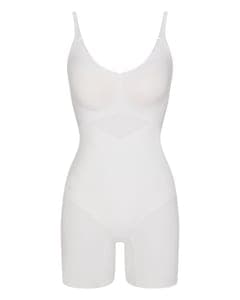
Low-Back Bodysuit
Honeylove
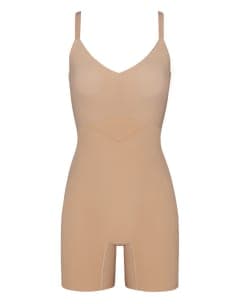
Mid-Thigh Bodysuit
Honeylove
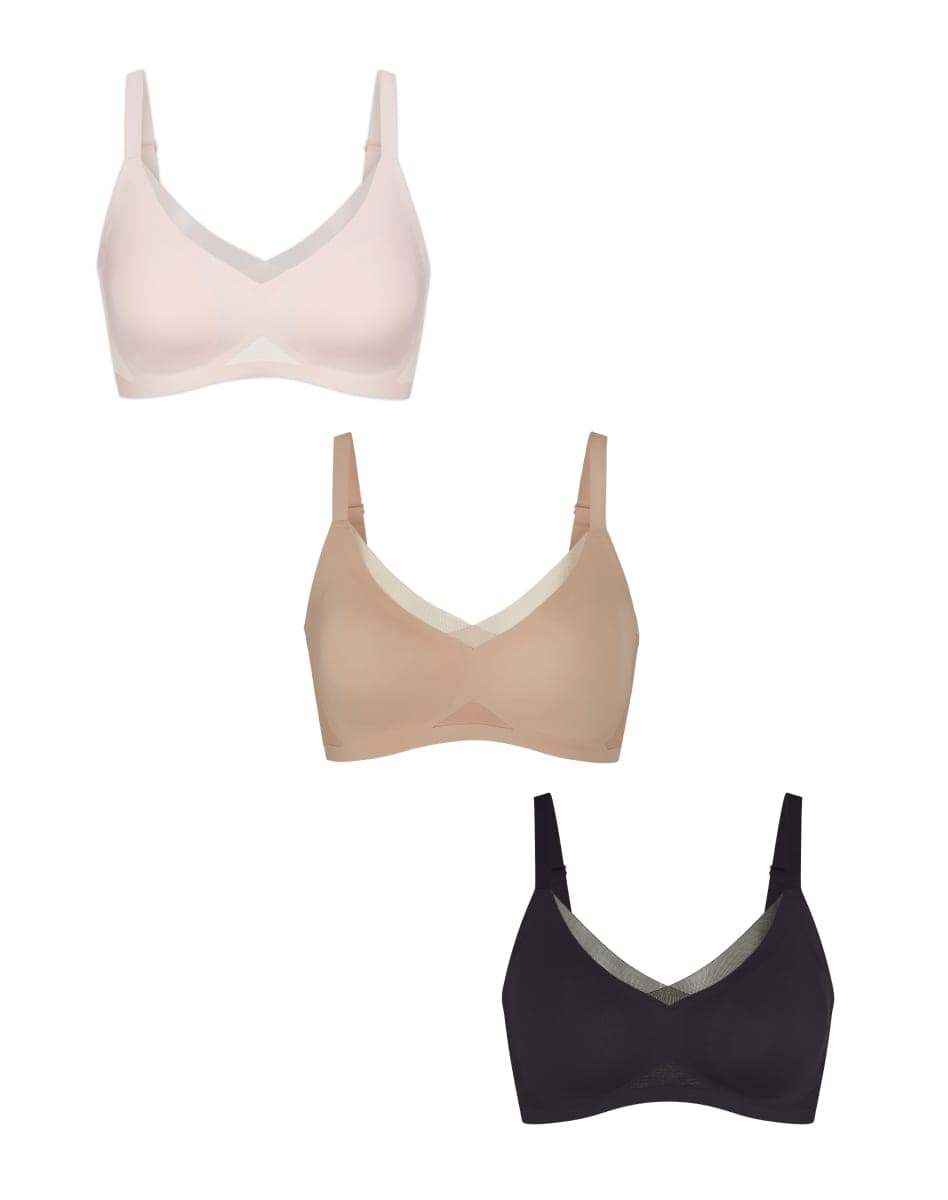
CrossOver Bra Triple Bundle
HoneyLove
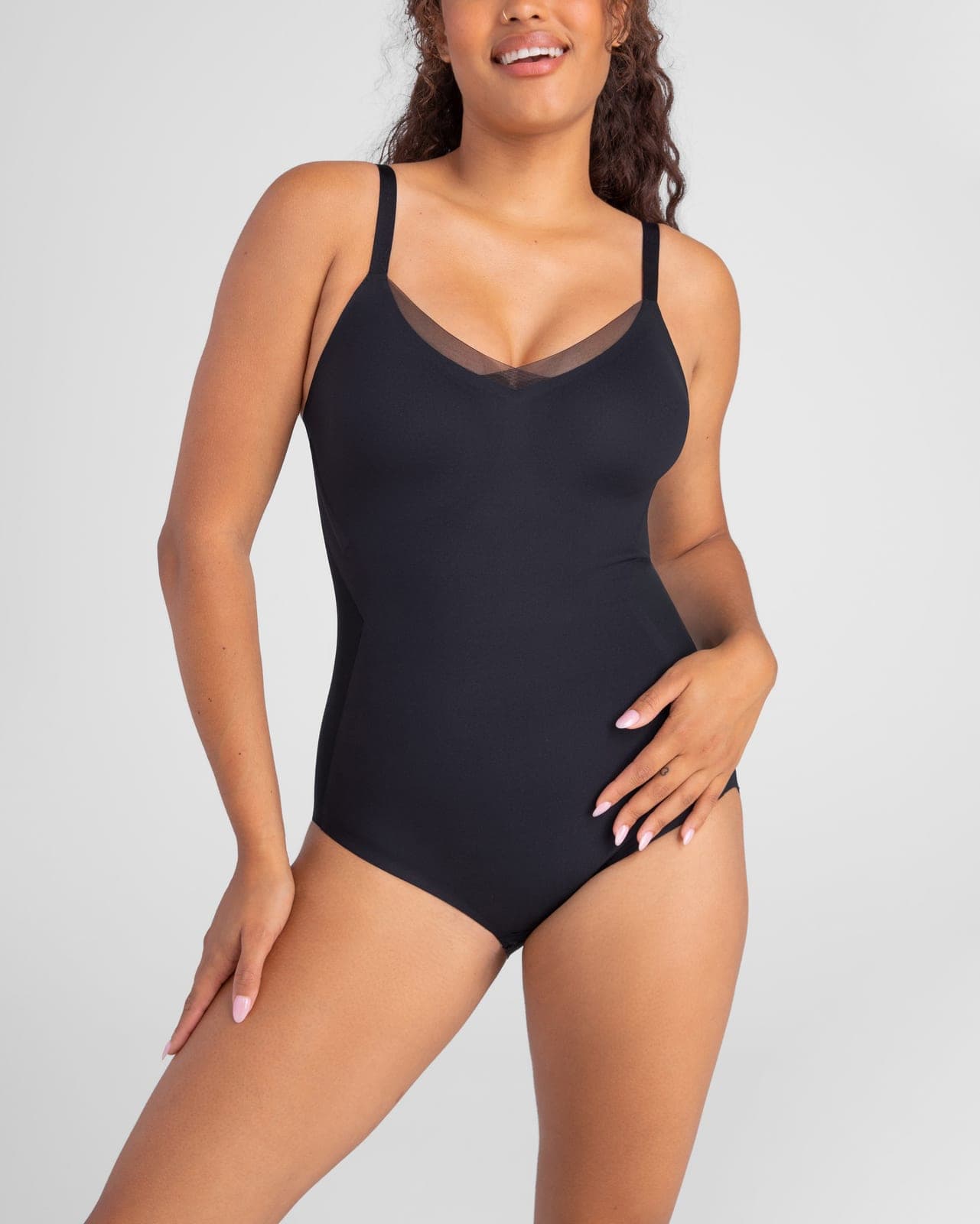
CrossOver Cami Bodysuit
Honeylove
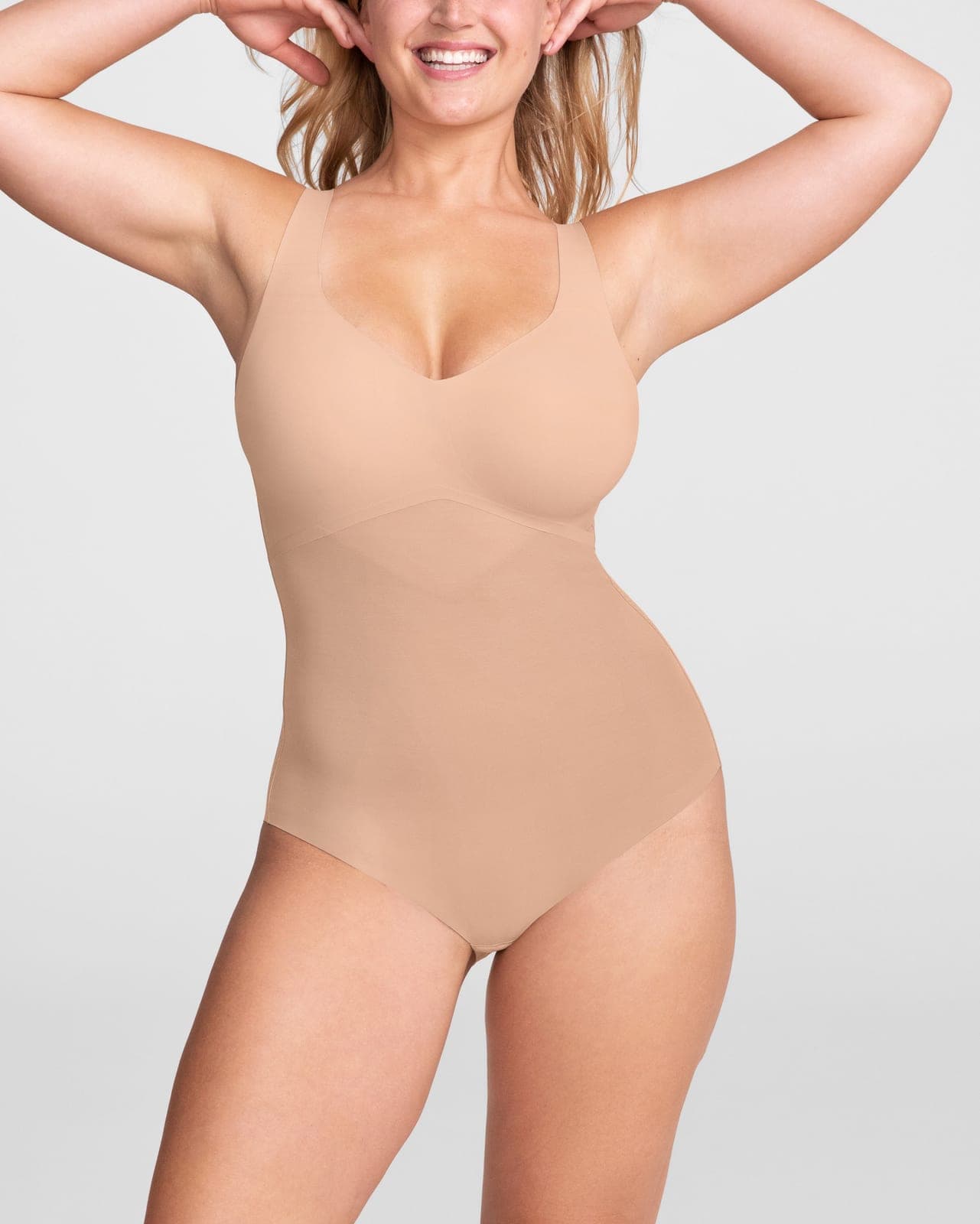
Tank Bodysuit
Honeylove
Cami Bodysuit
Honeylove
How these scores are produced
Product scores on this page are produced automatically. We read the composition and certification details a retailer discloses on the product page, match each material to our research database, and apply the published clothing-score process: every product starts at 100; five material factors — microplastics, PFAS, material half-life, production energy, and fiber shedding — apply penalties weighted by how much of the garment that material makes up; a sixth factor, azo dyes, applies to the garment as a whole; and a small adjustment reflects whether any certification was disclosed. GOTS, bluesign, OEKO-TEX Standard 100, and Cradle to Cradle can also mark a product azo-dye-free. We do not lab-test garments. The Analyzed Product Profile then summarizes those product scores. It is not a corporate sustainability score, and it is not the retired LLM brand assessment.
Are you this brand?
If a figure on this page is wrong, send a correction. We aim to respond within 24 hours. A review can temporarily hide a disputed claim; it is not an automatic permanent removal.
Sourced corporate evidence
These are sourced claims, not a corporate score. Missing topics are not assessed, not scored as zero.
Honeylove states that, beginning in 2021, it offset annual CO2 emissions from imported product transportation through a partnership with the Carbonfund.org Foundation, and that it had offset more than 65,088 tonnes of carbon at the time of publication.
company_disclosure
Honeylove states that it processes returned products for resale or donation after inspection: unworn garments with tags and liners attached are sanitized and repackaged for resale, while nearly perfect-condition items may be donated to organizations supporting women.
company_disclosure
Honeylove states that it uses biodegradable mailers instead of boxes whenever possible and that, in 2022, it upgraded its packaging to include recycled hang tags and poly bags.
company_disclosure
Honeylove states that its product research and development is conducted domestically to reduce waste from overseas sampling.
company_disclosure
Honeylove states that it has donated more than $5 million worth of bras, tops, and shapewear through its giving-back and returns programs, including donations to organizations such as I Support the Girls and Dress for Success.
company_disclosure
Honeylove states that its products undergo extensive wear testing and customer surveying, and that rigorous testing is intended to minimize returns and extend product life.
company_disclosure
Honeylove states that its garments are produced by certified responsible factories.
company_disclosure
Honeylove describes itself as a female-owned and operated business.
company_disclosure
- Not assessed — Public evidence on labor standards, worker conditions, supply-chain transparency, and factory-level certifications
- Not assessed — Animal welfare and animal-derived materials
- Not assessed — Water use and water pollution
- Not assessed — Energy use and renewable energy