
Analyzed Product Profile
JAN 'N JUNE
This Analyzed Product Profile is based on 2 distinct analyzed products — too small a sample to treat as a brand-wide picture. Figures describe only the garments we have scored from disclosed materials and certifications.
Sample and scores
Most common materials
Counted by distinct product, not fiber percentage. One product can appear in several rows.
| Material | Products |
|---|---|
| Recycled Cotton | 1 |
| Tencel Lyocell | 1 |
| Viscose | 1 |
Category mix
| Category | Products |
|---|---|
| Dresses | 2 |
Highest-scoring analyzed products
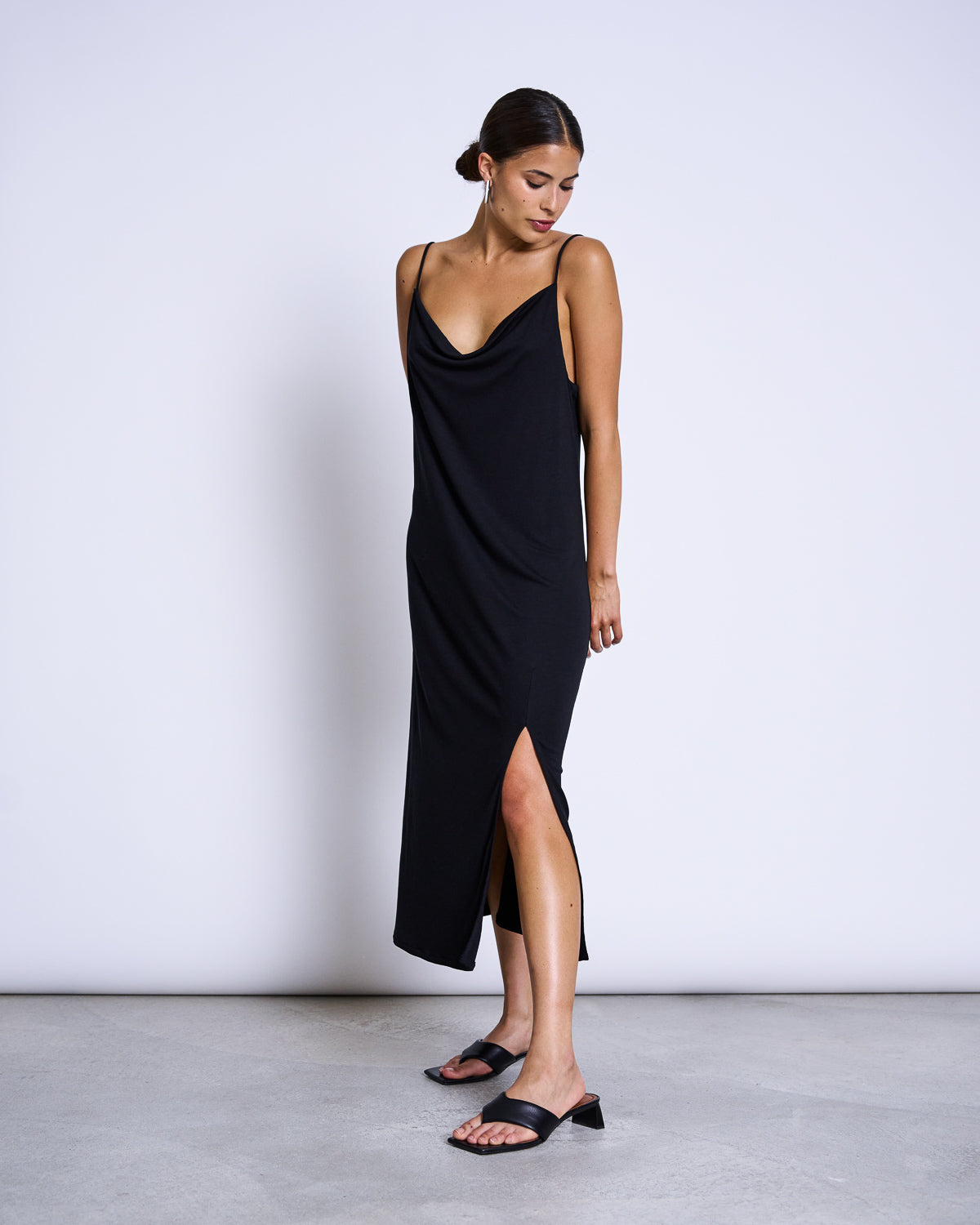
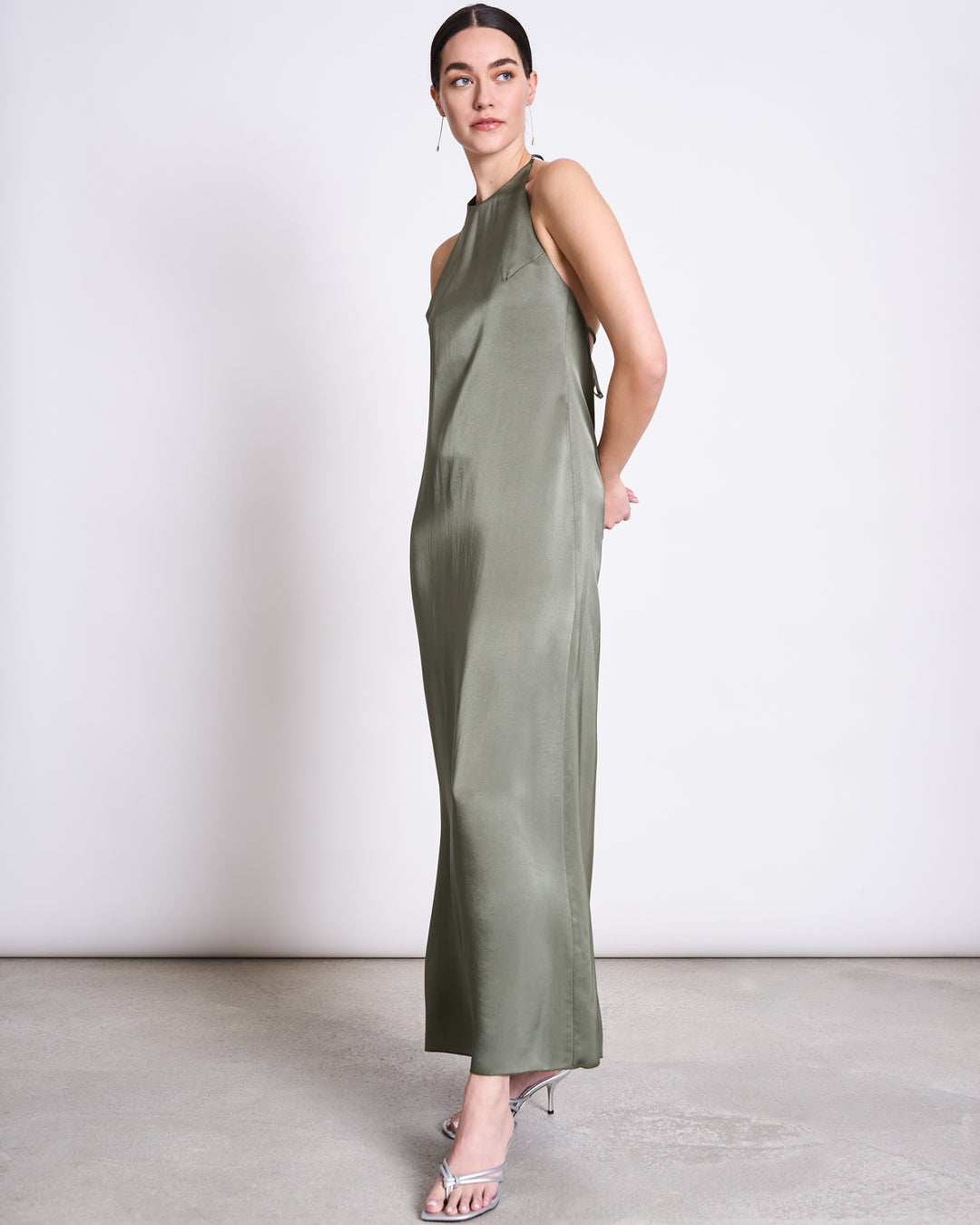
How these scores are produced
Product scores on this page are produced automatically. We read the composition and certification details a retailer discloses on the product page, match each material to our research database, and apply the published clothing-score process: every product starts at 100; five material factors — microplastics, PFAS, material half-life, production energy, and fiber shedding — apply penalties weighted by how much of the garment that material makes up; a sixth factor, azo dyes, applies to the garment as a whole; and a small adjustment reflects whether any certification was disclosed. GOTS, bluesign, OEKO-TEX Standard 100, and Cradle to Cradle can also mark a product azo-dye-free. We do not lab-test garments. The Analyzed Product Profile then summarizes those product scores. It is not a corporate sustainability score, and it is not the retired LLM brand assessment.
Are you this brand?
If a figure on this page is wrong, send a correction. We aim to respond within 24 hours. A review can temporarily hide a disputed claim; it is not an automatic permanent removal.