
Analyzed Product Profile
Kotn
This Analyzed Product Profile is based on 69 distinct analyzed products in the Greener Closet catalogue. Median, range, and material mix are computed from those products' disclosed composition. They are not a corporate sustainability score.
Sample and scores
Most common materials
Counted by distinct product, not fiber percentage. One product can appear in several rows.
| Material | Products |
|---|---|
| Cotton | 59 |
| Viscose | 7 |
| Linen | 6 |
| Spandex | 5 |
| Elastane | 2 |
| Modal | 2 |
Category mix
| Category | Products |
|---|---|
| Shirts | 28 |
| Tanks | 19 |
| Sheets | 6 |
| Sweaters | 6 |
| Pants | 4 |
| Sweatshirts | 4 |
Highest-scoring analyzed products
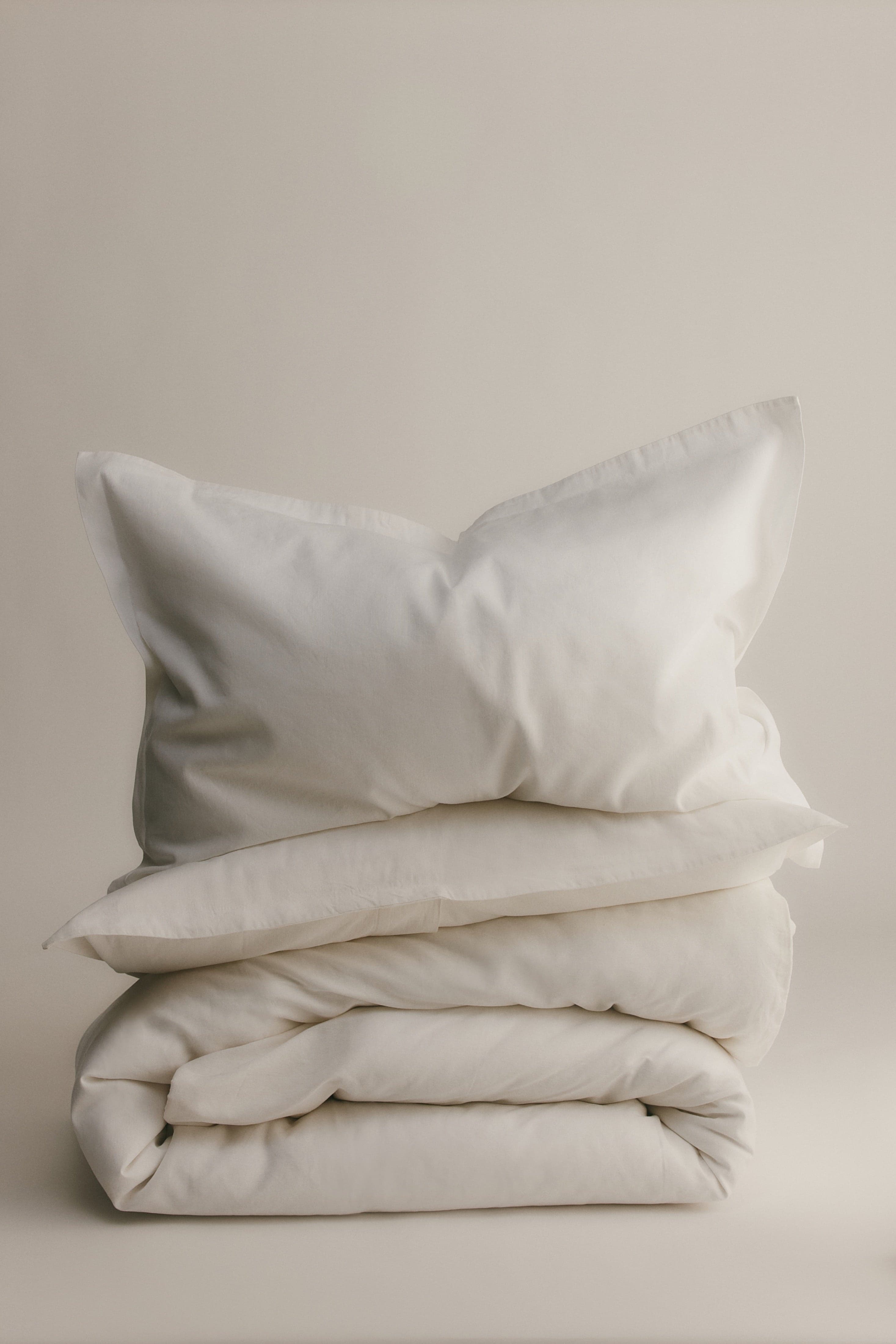
Linen Duvet Cover and Pillow Sham Set
Brand: Kotn
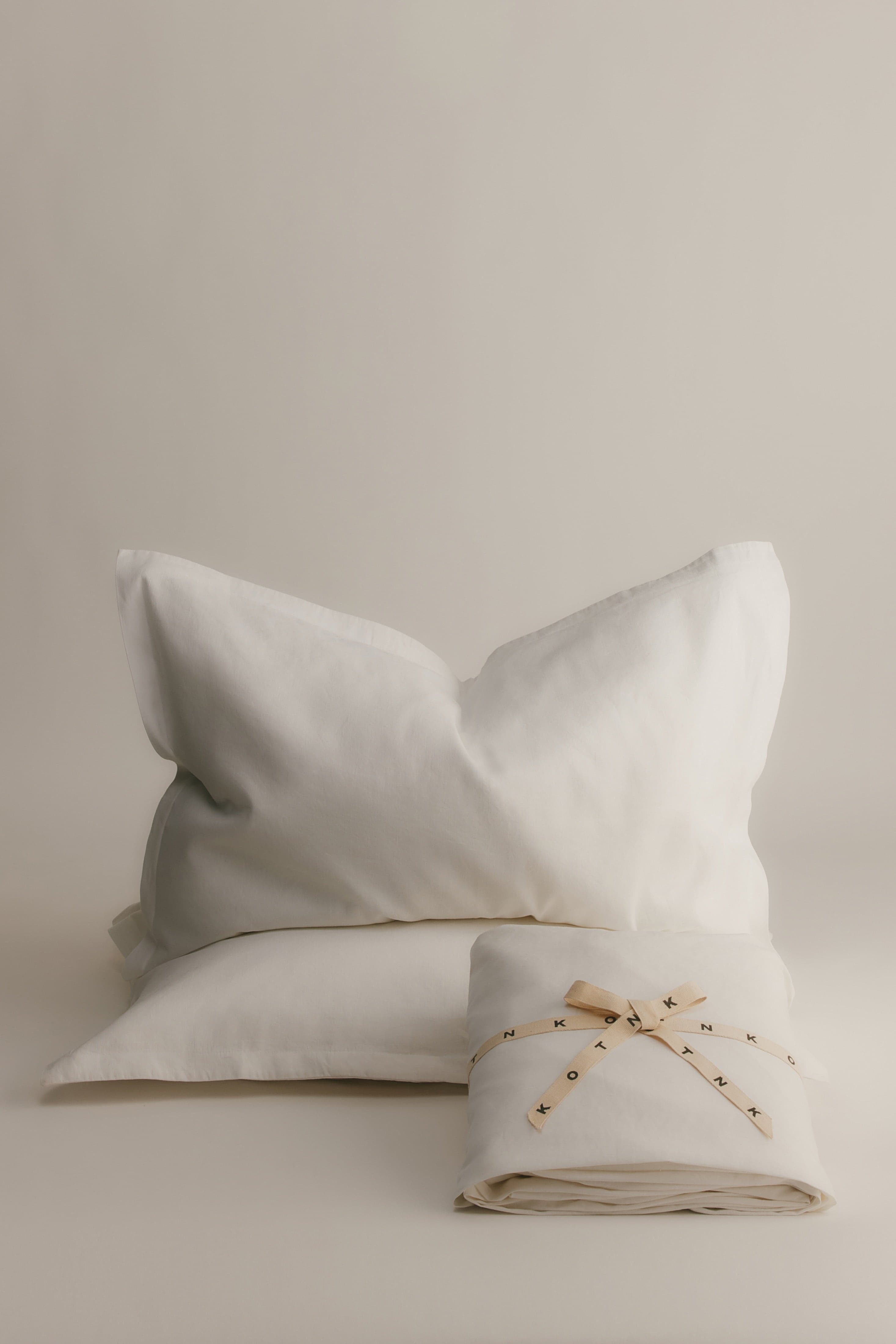
Ensemble drap-housse et oreiller en lin
Brand: Kotn
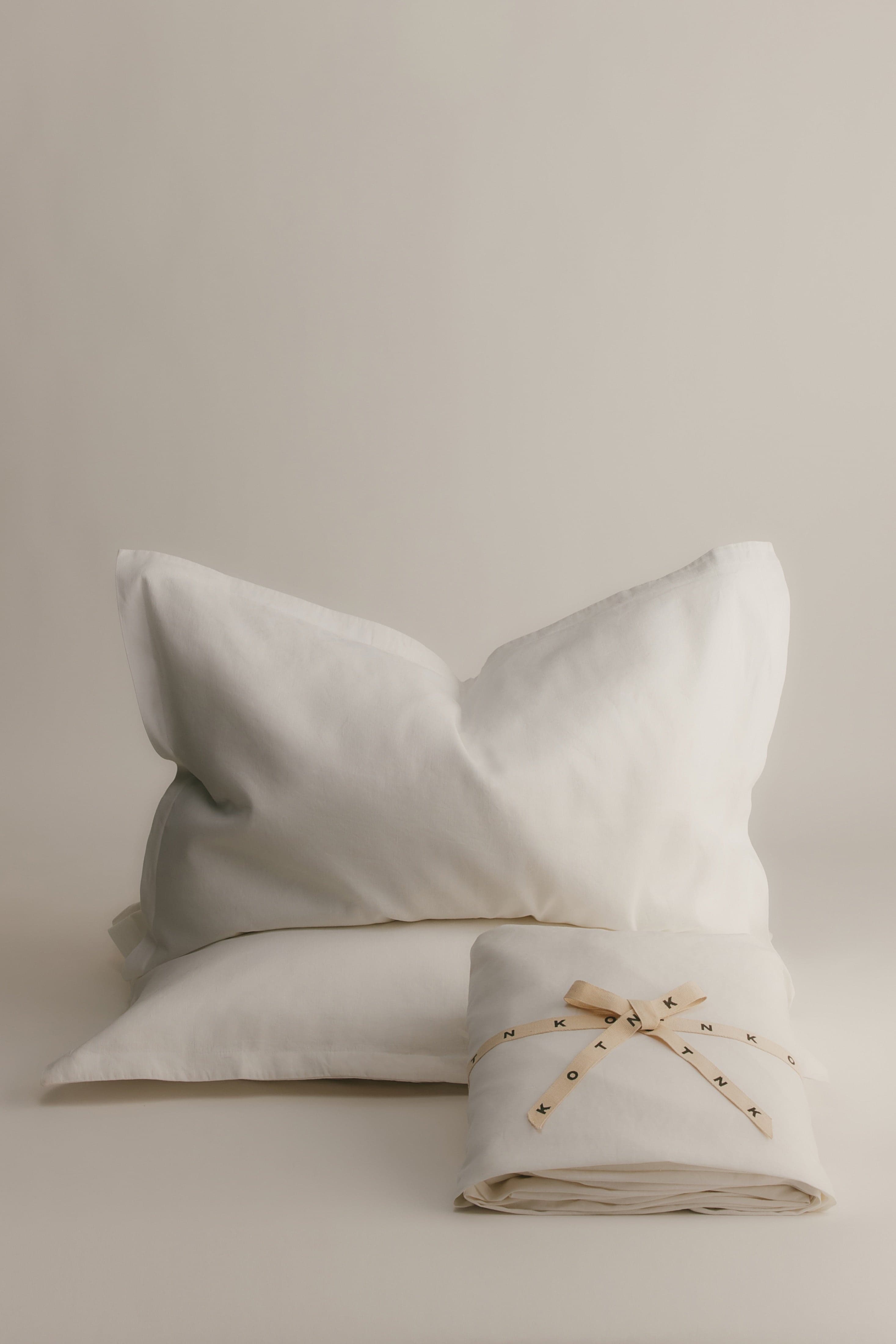
Linen Fitted Sheet and Pillow Set
Brand: Kotn
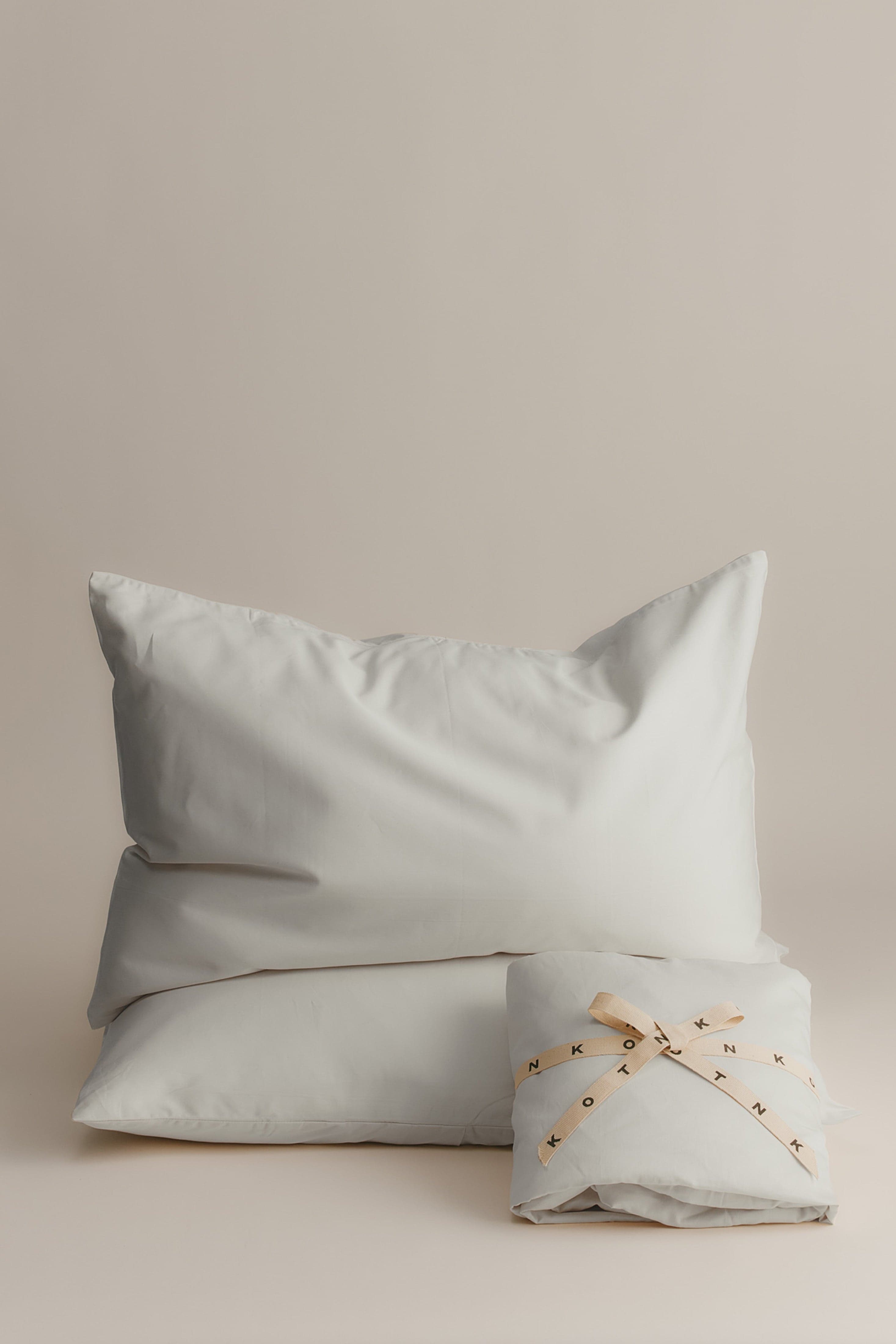
Fitted Sheet and Pillowcase Set
Brand: Kotn
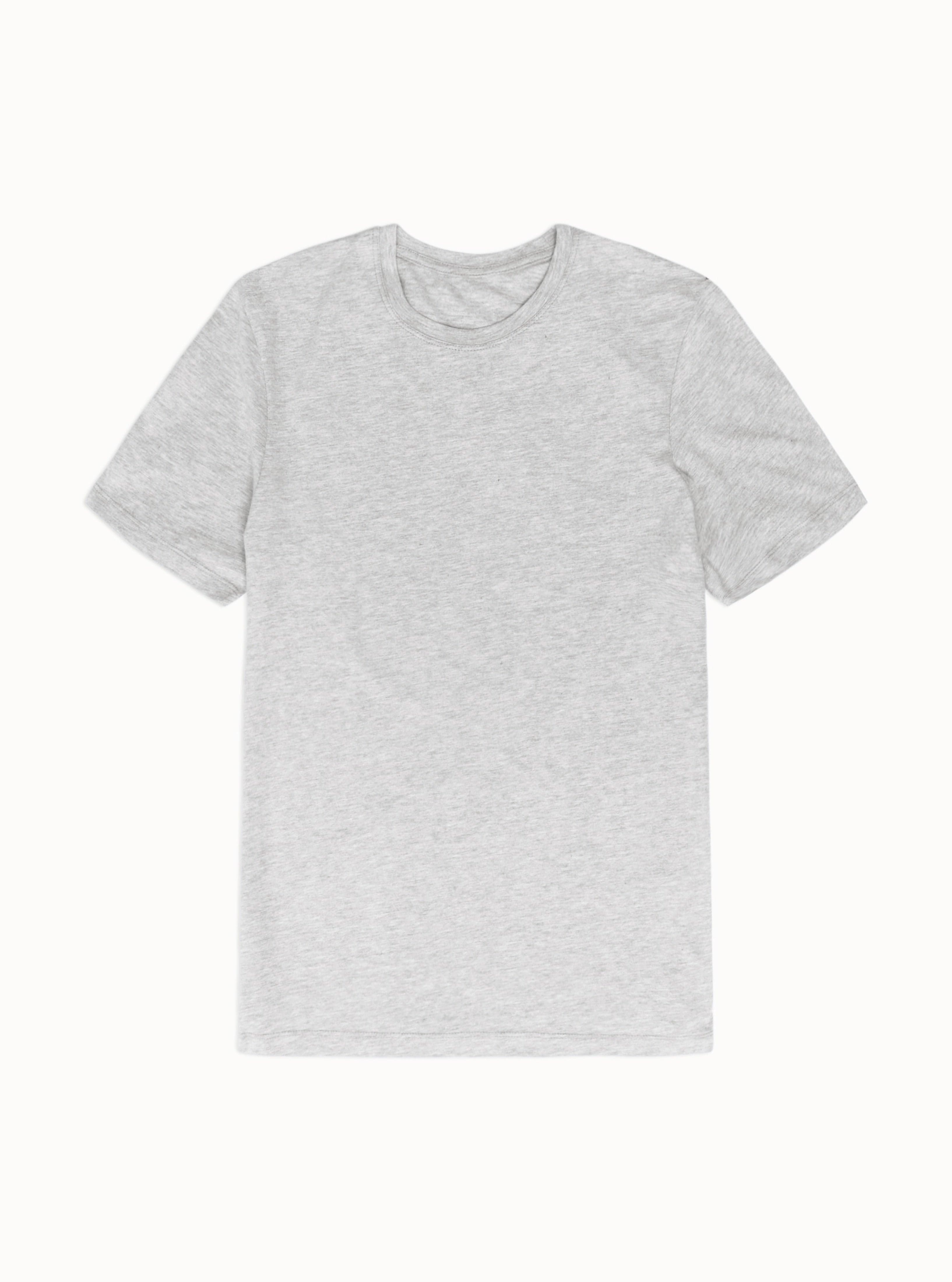
Unisex T-shirt
Brand: Kotn

Pillowcase Set
Brand: Kotn
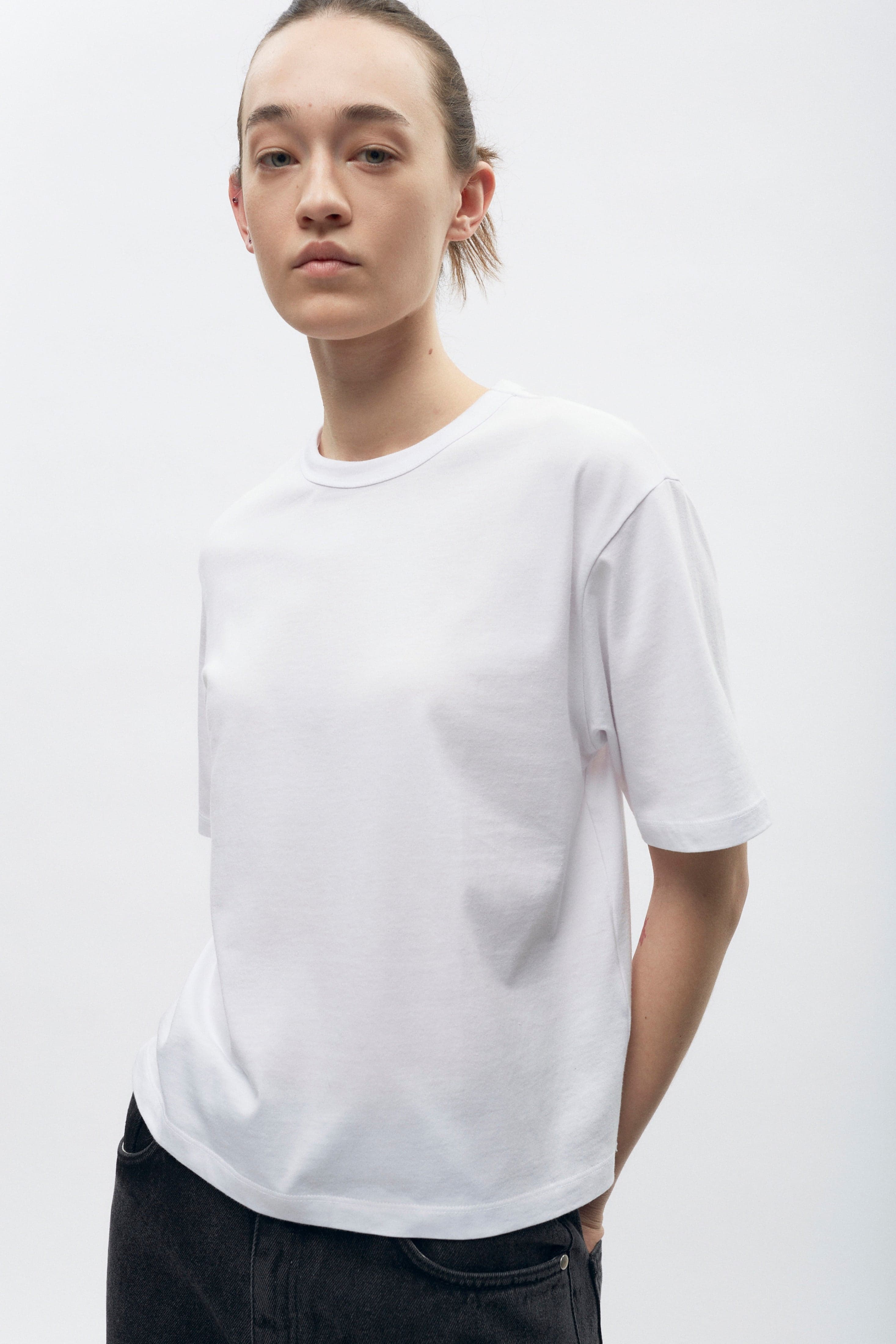
Women's Easy Crew
Brand: Kotn
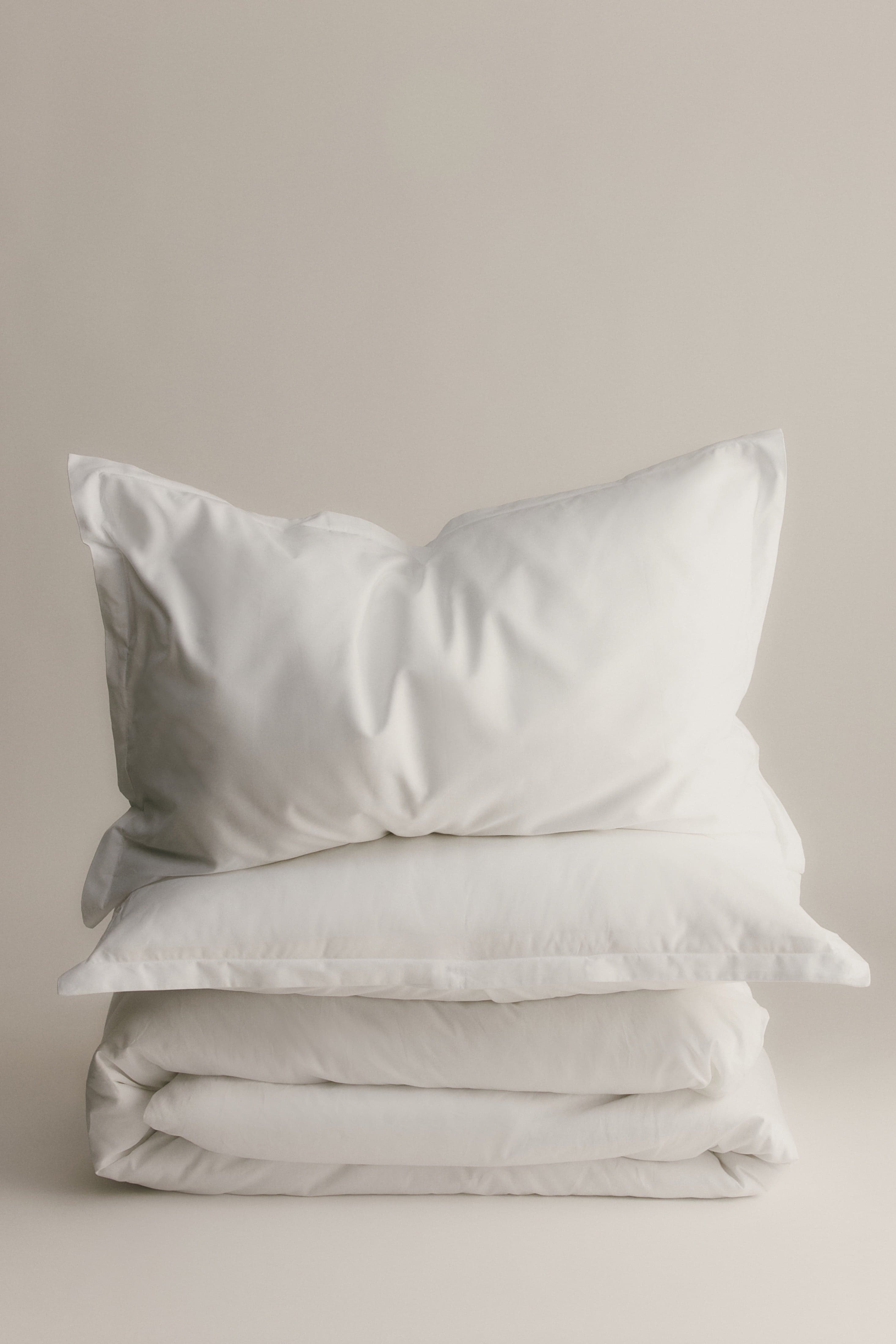
Duvet Cover and Sham Set
Brand: Kotn
How these scores are produced
Product scores on this page are produced automatically. We read the composition and certification details a retailer discloses on the product page, match each material to our research database, and apply the published clothing-score process: every product starts at 100; five material factors — microplastics, PFAS, material half-life, production energy, and fiber shedding — apply penalties weighted by how much of the garment that material makes up; a sixth factor, azo dyes, applies to the garment as a whole; and a small adjustment reflects whether any certification was disclosed. GOTS, bluesign, OEKO-TEX Standard 100, and Cradle to Cradle can also mark a product azo-dye-free. We do not lab-test garments. The Analyzed Product Profile then summarizes those product scores. It is not a corporate sustainability score, and it is not the retired LLM brand assessment.
Are you this brand?
If a figure on this page is wrong, send a correction. We aim to respond within 24 hours. A review can temporarily hide a disputed claim; it is not an automatic permanent removal.
Sourced corporate evidence
These are sourced claims, not a corporate score. Missing topics are not assessed, not scored as zero.
Kotn is a Certified B Corporation in the apparel industry, headquartered in Ontario, Canada, and certified since September 2017.
certification_registry
B Lab states that Kotn sources raw cotton directly from small-holder farmers in Egypt and reports 100% traceability from farm to hanger.
certification_registry
Kotn states that it works directly with 5,127 smallholder farmers in Egypt’s Nile Delta and Faiyum regions.
company_disclosure
Kotn states that its Egyptian supply chain places cotton farms, yarn mills, fabric mills, and cut-and-sew facilities within 100 km of one another, supporting a fully traceable and locally integrated supply chain.
company_disclosure
Kotn states that its products are primarily manufactured in Egypt, Portugal, and Turkey, and that it partners with certified facilities that guarantee fair wages, equal opportunity, safe and healthy working conditions, and zero forced or child labor.
company_disclosure
Kotn states that it invests in jobs, infrastructure, systems, and education for communities in its supply chain; its website reports 15 schools funded and 2,390 farms supported.
company_disclosure
Kotn states that its online orders use recycled mailers and recyclable tissue, with no plastics, and that in-store purchases use recyclable tissue and recyclable paper bags or reusable tote bags.
company_disclosure
Kotn states that it focuses on natural materials across its home and apparel collections and identifies 100% Egyptian cotton as the material used for its first T-shirt.
company_disclosure
- Not assessed — Carbon emissions, climate targets, and verified greenhouse-gas reductions
- Not assessed — Energy use and renewable-energy performance
- Not assessed — Water use and water-reduction performance
- Not assessed — Animal welfare