
Analyzed Product Profile
Levi's
This Analyzed Product Profile is based on 59 distinct analyzed products in the Greener Closet catalogue. 62 catalogue rows collapse to this distinct-product count. Median, range, and material mix are computed from those products' disclosed composition. They are not a corporate sustainability score.
Sample and scores
62 catalogue rows collapse to 59 distinct products: 3 duplicate rows folded into a product already counted.
Most common materials
Counted by distinct product, not fiber percentage. One product can appear in several rows.
| Material | Products |
|---|---|
| Cotton | 58 |
| Elastane | 20 |
| Lycra | 7 |
| Polyester | 7 |
| Lyocell | 5 |
| Spandex | 4 |
Category mix
| Category | Products |
|---|---|
| Denim | 47 |
| Pants | 12 |
| Shoes | 1 |
| Shorts | 1 |
Highest-scoring analyzed products
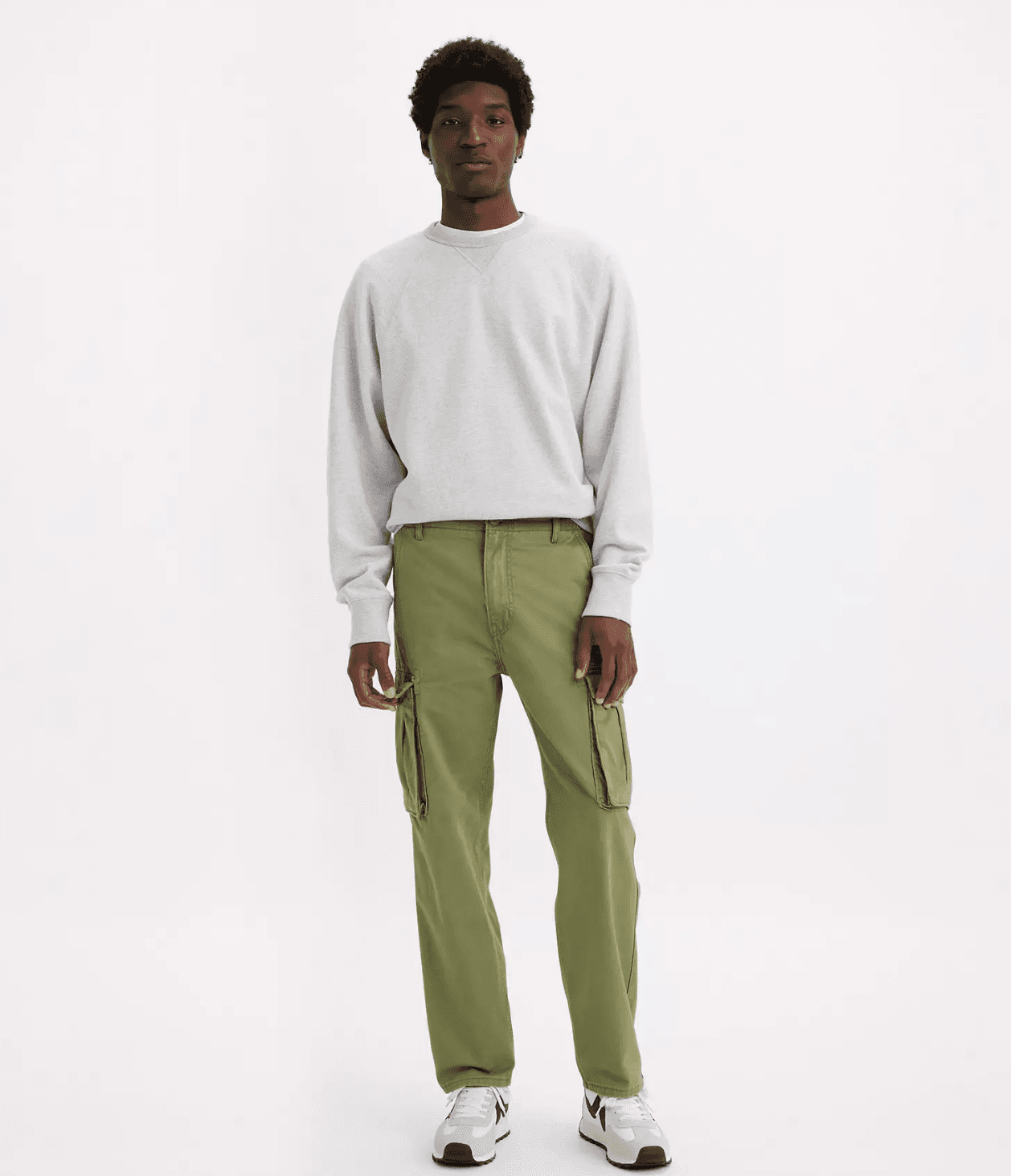
Ace Cargo Men's Pants
Brand: Levi's
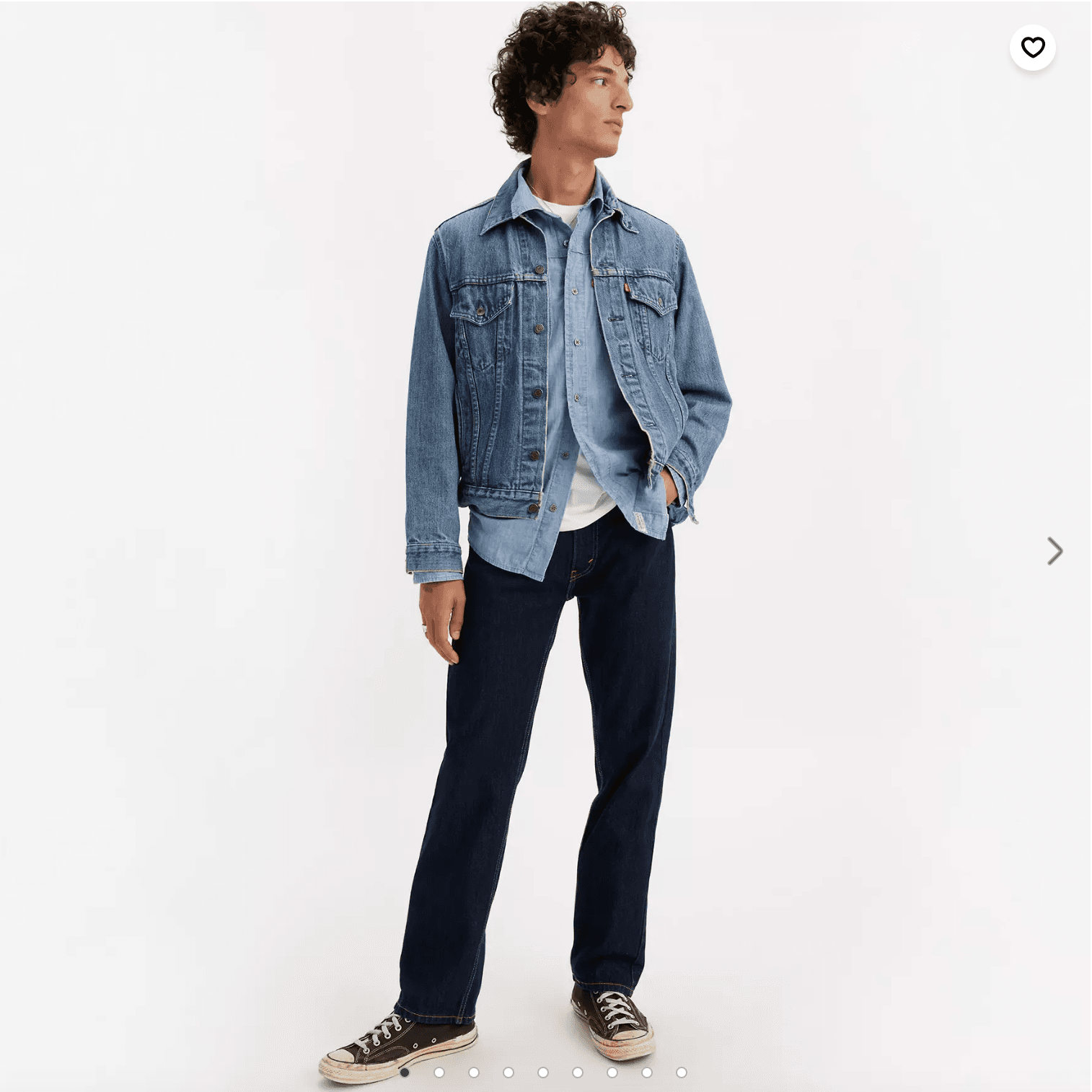
505™ Regular Fit Men's Jeans
Brand: Levi's

501® Original Cropped Women's Jeans
Brand: Levi's
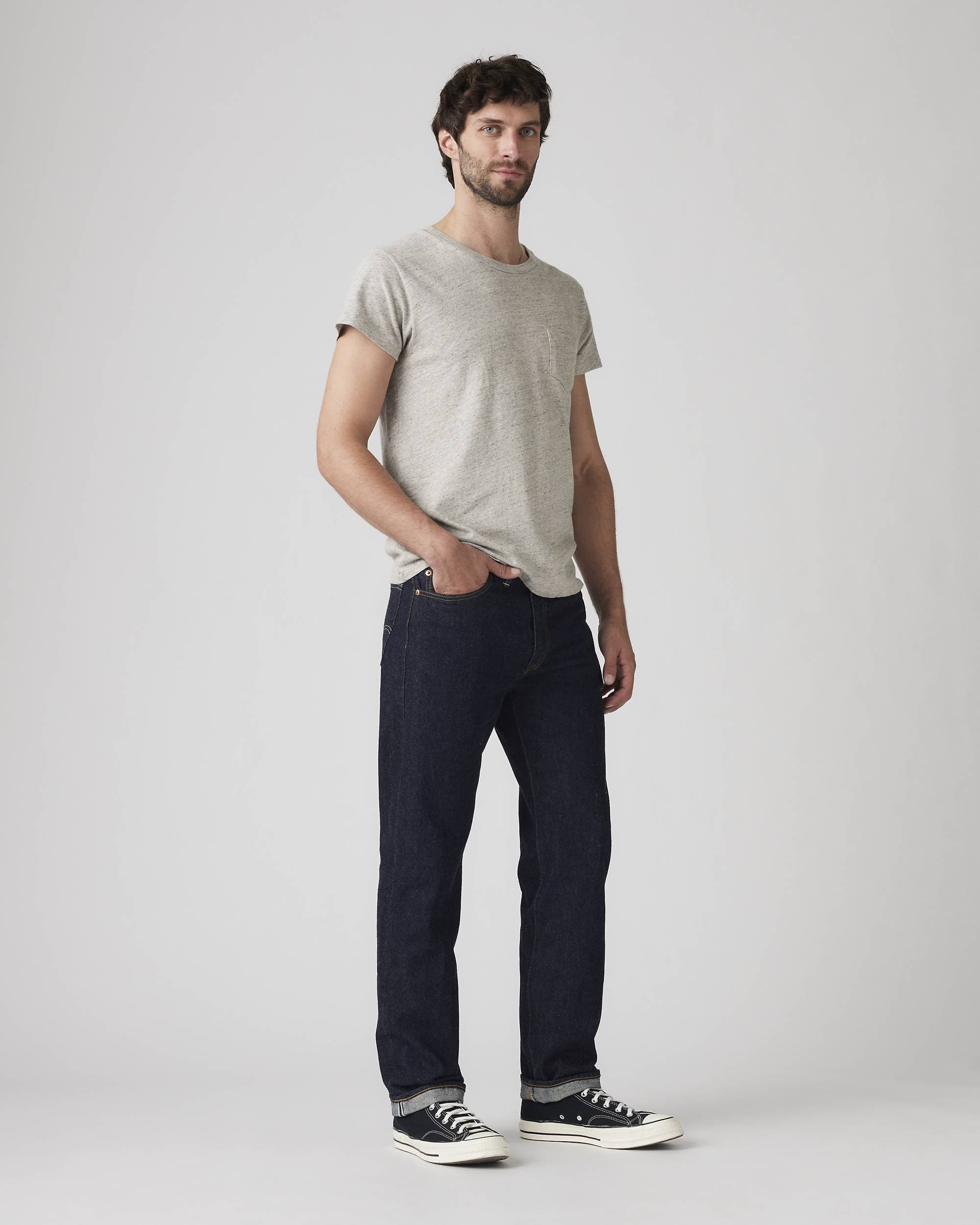
1954 501® Original Fit Men's Jeans
Brand: Levi's
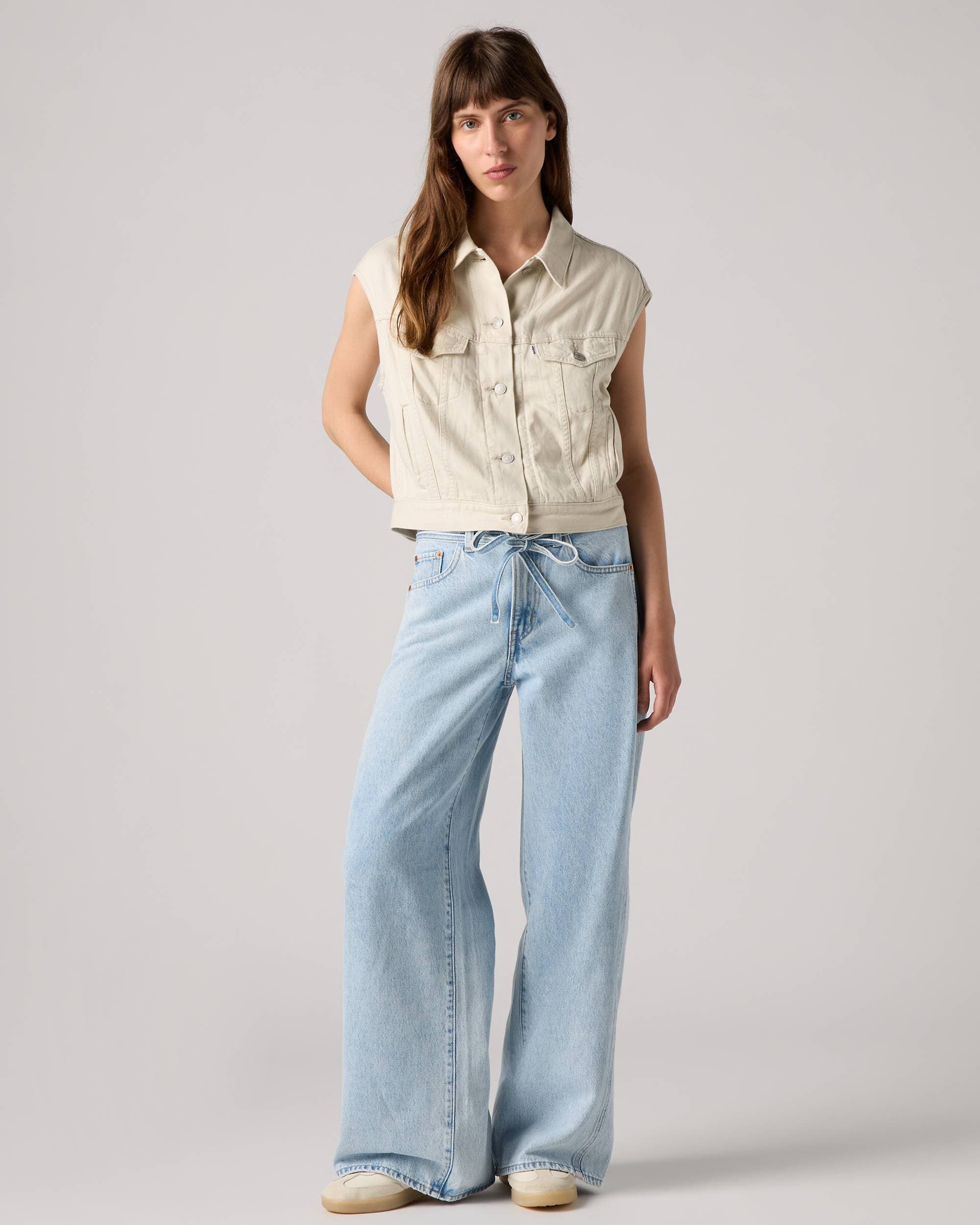
XL Baggy Straight Seamed Women's Jeans
Brand: Levi's
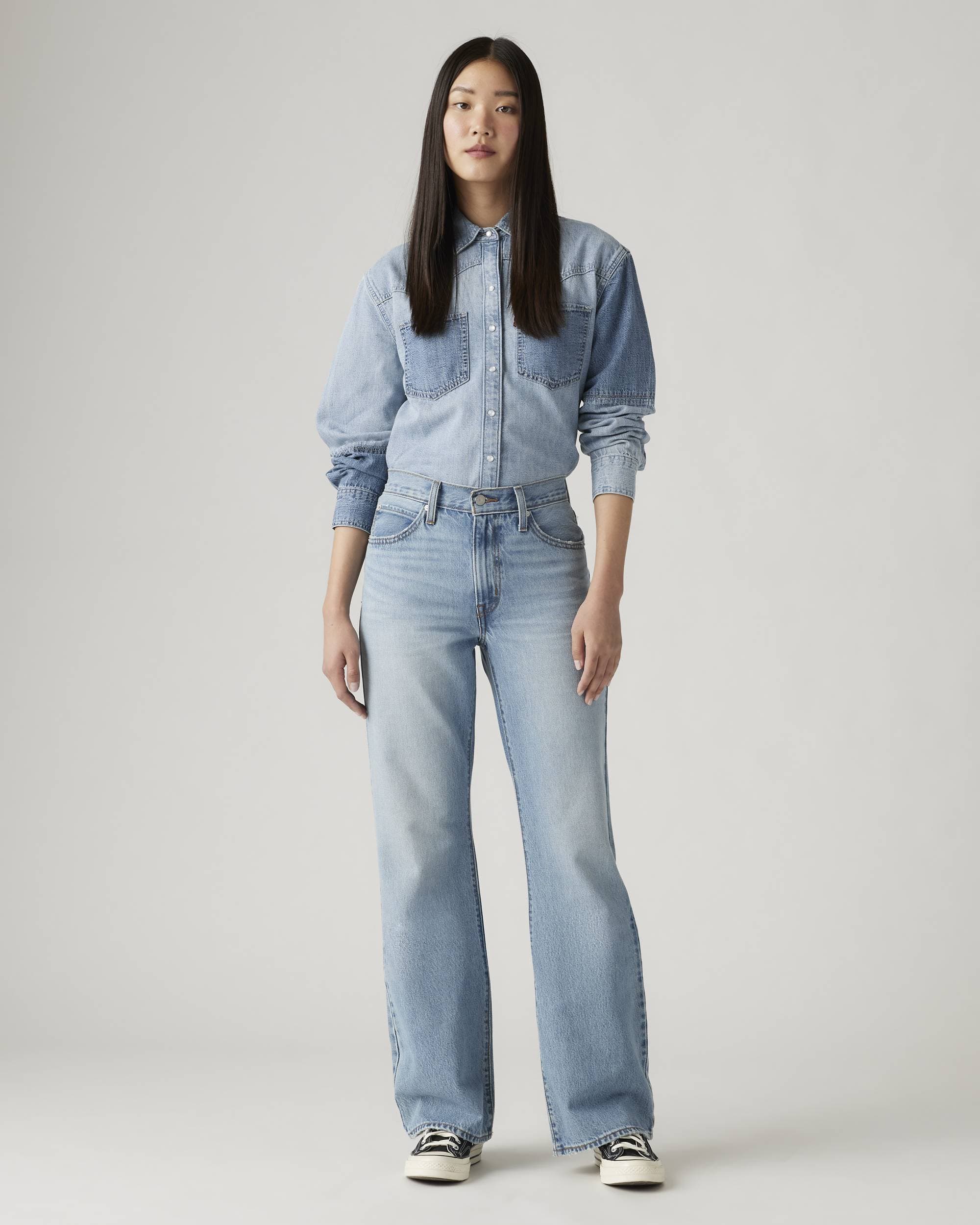
94 Baggy Bootcut Women's Jeans
Brand: Levi's
Baggy Dad Barrel Women's Jeans
Brand: Levi's
Ribcage Wide Leg Women's Jeans
Brand: Levi's
How these scores are produced
Product scores on this page are produced automatically. We read the composition and certification details a retailer discloses on the product page, match each material to our research database, and apply the published clothing-score process: every product starts at 100; five material factors — microplastics, PFAS, material half-life, production energy, and fiber shedding — apply penalties weighted by how much of the garment that material makes up; a sixth factor, azo dyes, applies to the garment as a whole; and a small adjustment reflects whether any certification was disclosed. GOTS, bluesign, OEKO-TEX Standard 100, and Cradle to Cradle can also mark a product azo-dye-free. We do not lab-test garments. The Analyzed Product Profile then summarizes those product scores. It is not a corporate sustainability score, and it is not the retired LLM brand assessment.
Are you this brand?
If a figure on this page is wrong, send a correction. We aim to respond within 24 hours. A review can temporarily hide a disputed claim; it is not an automatic permanent removal.
Sourced corporate evidence
These are sourced claims, not a corporate score. Missing topics are not assessed, not scored as zero.
Levi Strauss & Co. states that all new LS&Co.-developed down products have been traceable since 2018 to suppliers, farms, and processing facilities certified to the Responsible Down Standard, and that virgin down and feathers must not come from live-plucked or force-fed birds.
company_disclosure
Levi Strauss & Co. states that it prohibits the use of angora, mohair, and fur in its products, and prohibits animal-derived materials from vulnerable, threatened, or endangered species.
company_disclosure
Levi Strauss & Co. states that its Supplier Code of Conduct applies to all sourcing and procurement, including factories, subcontractors, licensees, agents, and affiliates manufacturing or finishing products for the company.
company_disclosure
Levi Strauss & Co. states that its net-zero goal for 2050 was validated by the Science Based Targets initiative and that its supply-chain emissions-reduction pathways are aligned with limiting temperature rise to no more than 1.5°C.
company_disclosure
Published 2024-05-13
Levi Strauss & Co. states that 100% of its down products are certified to the Responsible Down Standard, that it does not accept wool from mulesed sheep, and that it aimed for all virgin wool in new LS&Co. products to be Responsible Wool Standard-certified by 2025.
company_disclosure
Levi Strauss & Co. states that its Worker Well-being initiative, launched in 2011, uses factory-based programs addressing health, financial security, and gender equality for people making its products.
company_disclosure
- Not assessed — Independent verification of the retrieved company claims