
Analyzed Product Profile
MATE the Label
This Analyzed Product Profile is based on 54 distinct analyzed products in the Greener Closet catalogue. Median, range, and material mix are computed from those products' disclosed composition. They are not a corporate sustainability score.
Sample and scores
53 distinct products of 54 carry a score. Median, range, and the score bands describe those products only.
Most common materials
Counted by distinct product, not fiber percentage. One product can appear in several rows.
| Material | Products |
|---|---|
| Cotton | 32 |
| Organic Cotton | 19 |
| Spandex | 18 |
| Hemp | 4 |
| Nylon | 2 |
| Recycled Cotton | 2 |
Category mix
| Category | Products |
|---|---|
| Sweatshirts | 15 |
| Pants | 14 |
| Shirts | 12 |
| Activewear | 11 |
| Tanks | 5 |
| Underwear | 4 |
Highest-scoring analyzed products
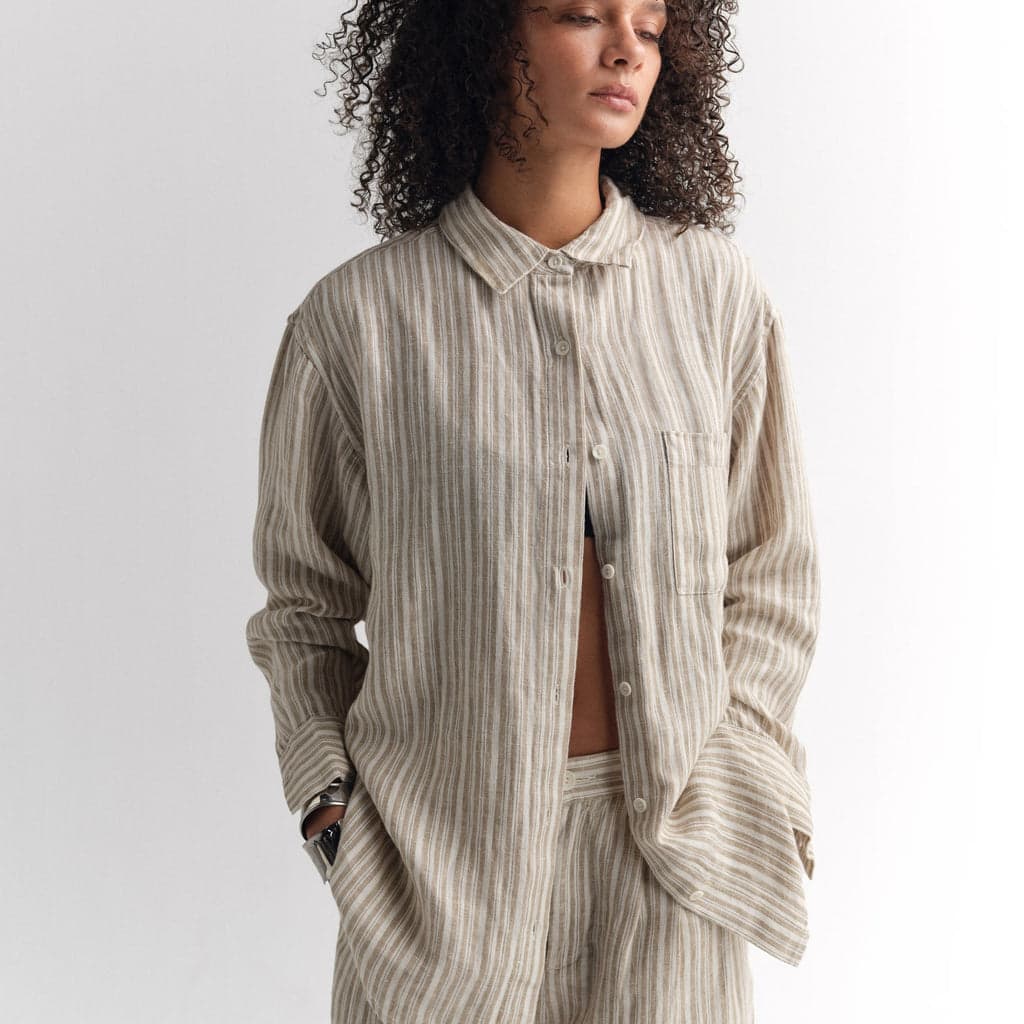
Organic Linen Striped Oversized Button Down
Brand: MATE the Label

Organic Fleece Straight Leg Sweatpant
Brand: Mate the Label

Organic Heritage Jersey Track Pant
Brand: Mate the Label

Organic Waffle Sweatpant
Brand: Mate the Label
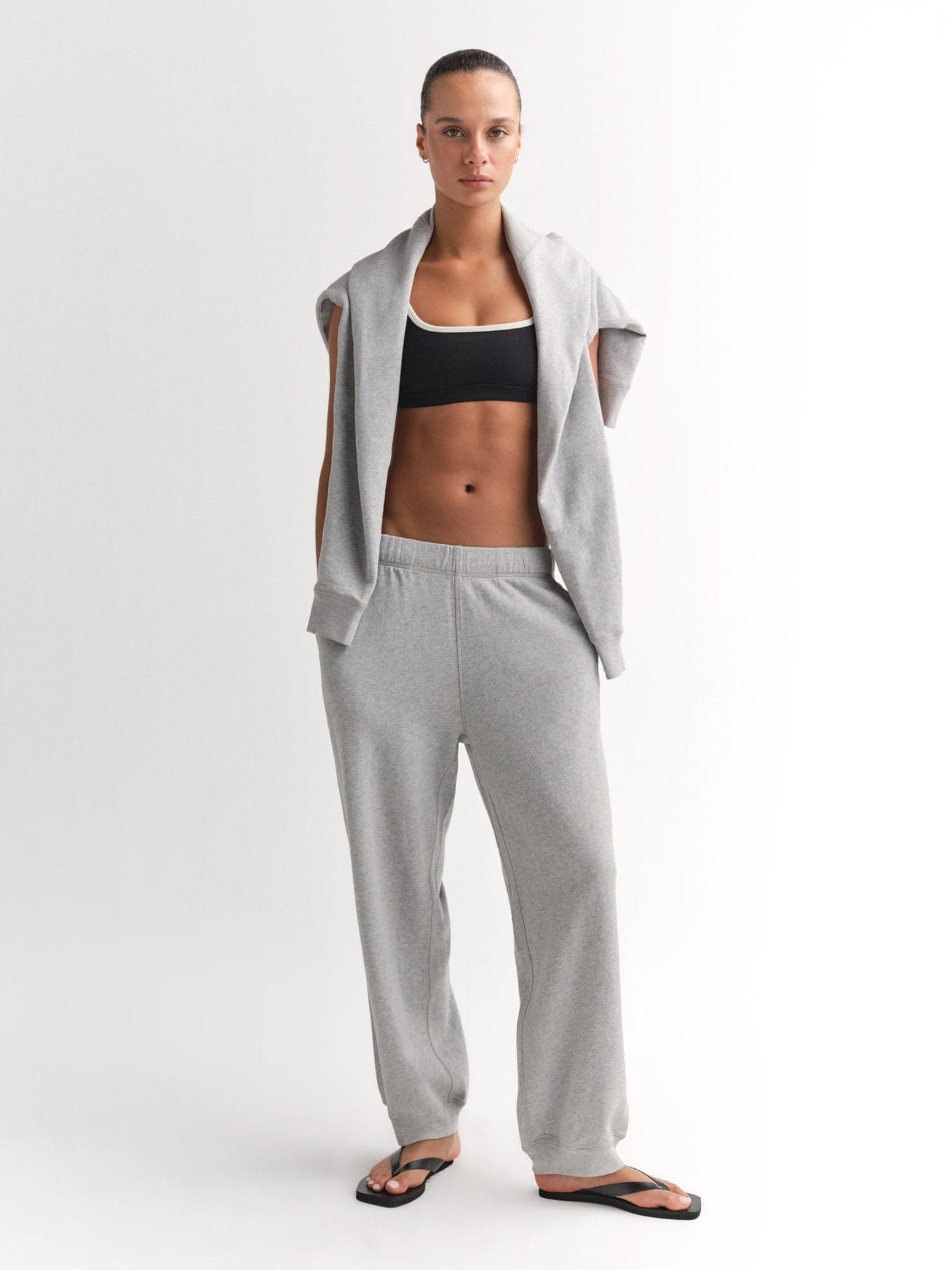
Organic Lightweight Terry Sweatpants
Brand: MATE the Label
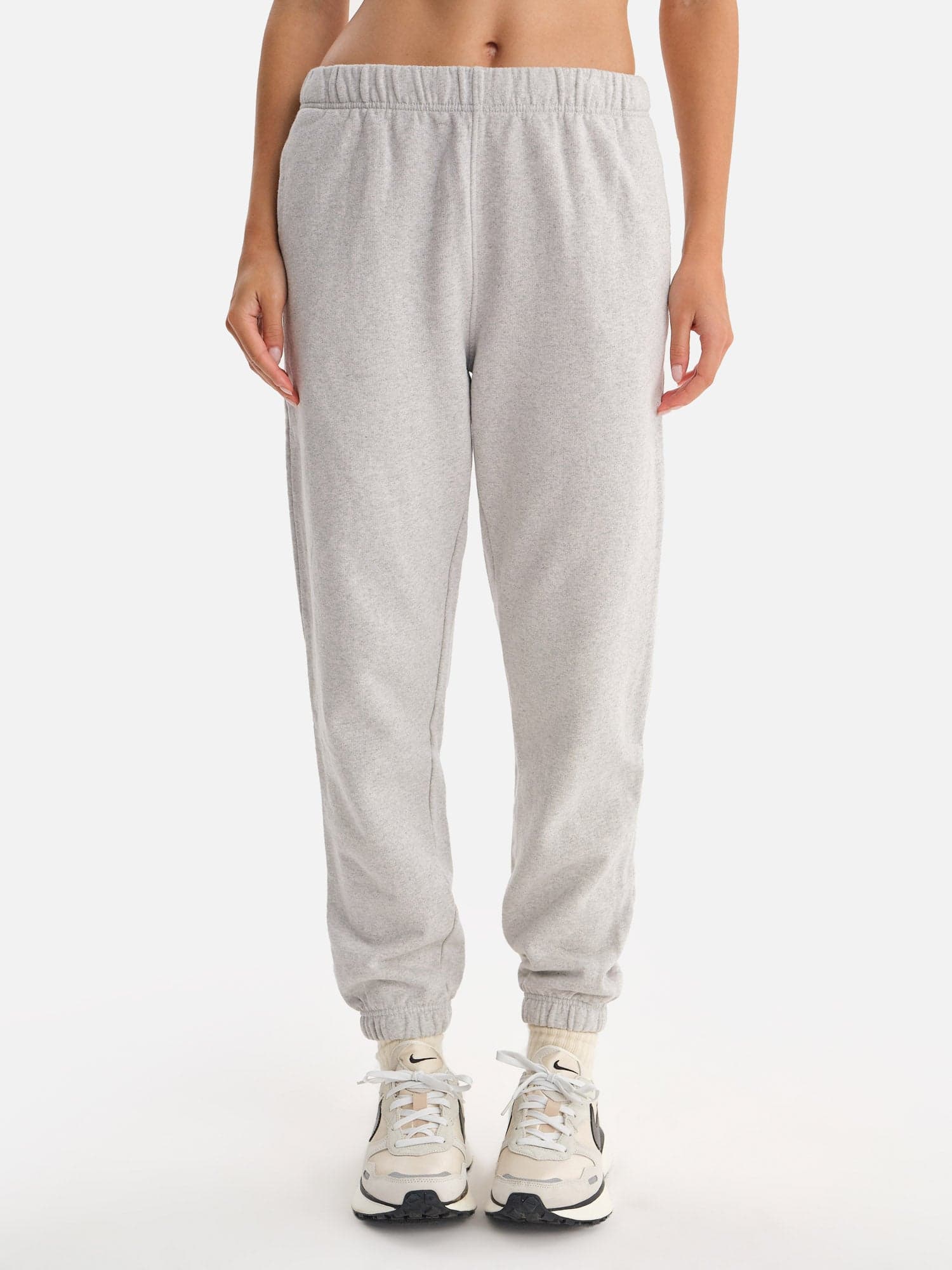
Organic Fleece Relaxed Pocket Sweatpant
Brand: MATE the Label

Mini Organic Fleece Hoodie
Brand: Mate the Label
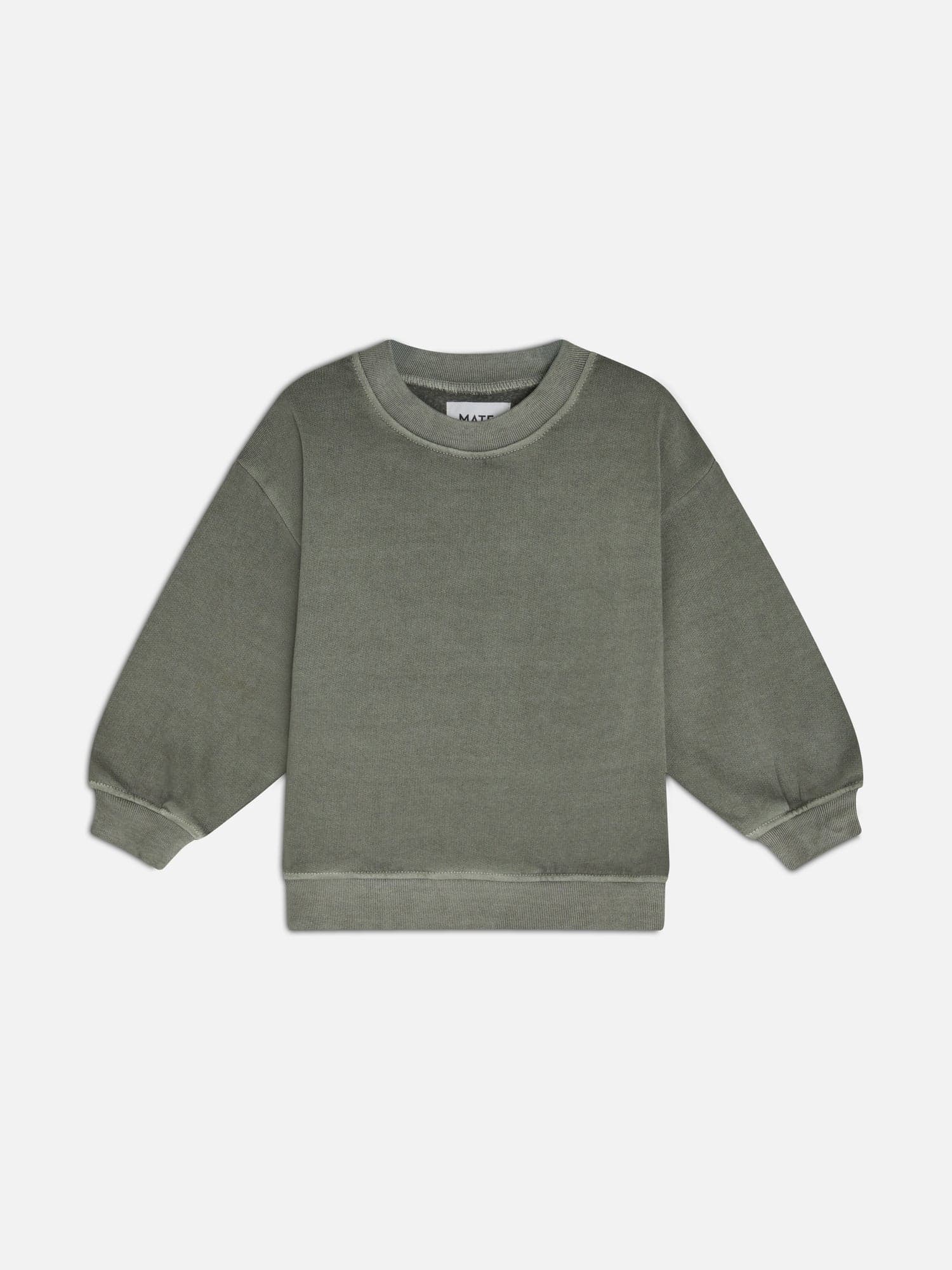
Mini Organic Fleece Crew Neck Sweatshirt
Brand: MATE the Label
How these scores are produced
Product scores on this page are produced automatically. We read the composition and certification details a retailer discloses on the product page, match each material to our research database, and apply the published clothing-score process: every product starts at 100; five material factors — microplastics, PFAS, material half-life, production energy, and fiber shedding — apply penalties weighted by how much of the garment that material makes up; a sixth factor, azo dyes, applies to the garment as a whole; and a small adjustment reflects whether any certification was disclosed. GOTS, bluesign, OEKO-TEX Standard 100, and Cradle to Cradle can also mark a product azo-dye-free. We do not lab-test garments. The Analyzed Product Profile then summarizes those product scores. It is not a corporate sustainability score, and it is not the retired LLM brand assessment.
Are you this brand?
If a figure on this page is wrong, send a correction. We aim to respond within 24 hours. A review can temporarily hide a disputed claim; it is not an automatic permanent removal.
Sourced corporate evidence
These are sourced claims, not a corporate score. Missing topics are not assessed, not scored as zero.
MATE the Label has been a Certified B Corporation since April 2023.
certification_registry
MATE the Label states that its fabric portfolio consists of organic, non-toxic, and natural materials.
company_disclosure
MATE the Label states that it uses organic cotton, flax linen, and TENCEL Lyocell, and limits spandex use to 8% for any fabrication.
company_disclosure
MATE the Label states that it has implemented a restricted substance list covering 31 chemicals and 49 dyes, and that garment-dyeing facilities use GOTS-approved organic dyes.
company_disclosure
MATE the Label states that all of its factories are GOTS-certified and/or OEKO-TEX-certified, and that many of its factories are Fair Trade Certified or meet Fair Trade criteria.
company_disclosure
MATE the Label states that its cut, sew, dye, packaging, and shipping operations are localized within a 17-mile radius of its headquarters, while cotton fibers are spun into yarn in India and shipped by boat to Los Angeles.
company_disclosure
MATE the Label states that its online orders are shipped in recycled-paper mailers and recyclable boxes made in the United States.
company_disclosure
MATE the Label states that its products are protected in 100% FSC-certified paper bags that are curbside recyclable.
company_disclosure
MATE the Label states that it offers limited styles made from alpaca and merino wool, so it does not describe its entire product range as vegan.
company_disclosure
MATE the Label states that it is Climate Neutral and a B Corp.
company_disclosure
- Not assessed — Animal-welfare policy and supply-chain animal-welfare standards
- Not assessed — Quantified company-wide carbon, energy, and water performance