
Analyzed Product Profile
MUJI
This Analyzed Product Profile is based on 8 distinct analyzed products, a small catalogue sample. Median, range, and material mix describe those products only — not MUJI as a whole.
Sample and scores
Most common materials
Counted by distinct product, not fiber percentage. One product can appear in several rows.
| Material | Products |
|---|---|
| Cotton | 5 |
| Lyocell | 2 |
| Recycled Polyester | 2 |
| Elastane | 1 |
Category mix
| Category | Products |
|---|---|
| Pajamas | 4 |
| Blankets | 2 |
| Shirts | 2 |
| Activewear | 1 |
| Comforters | 1 |
| Pants | 1 |
Highest-scoring analyzed products

Polo en coton piqué délavé pour homme
Muji

T‐shirt en jersey de coton épais manches courtes pour homme
Muji
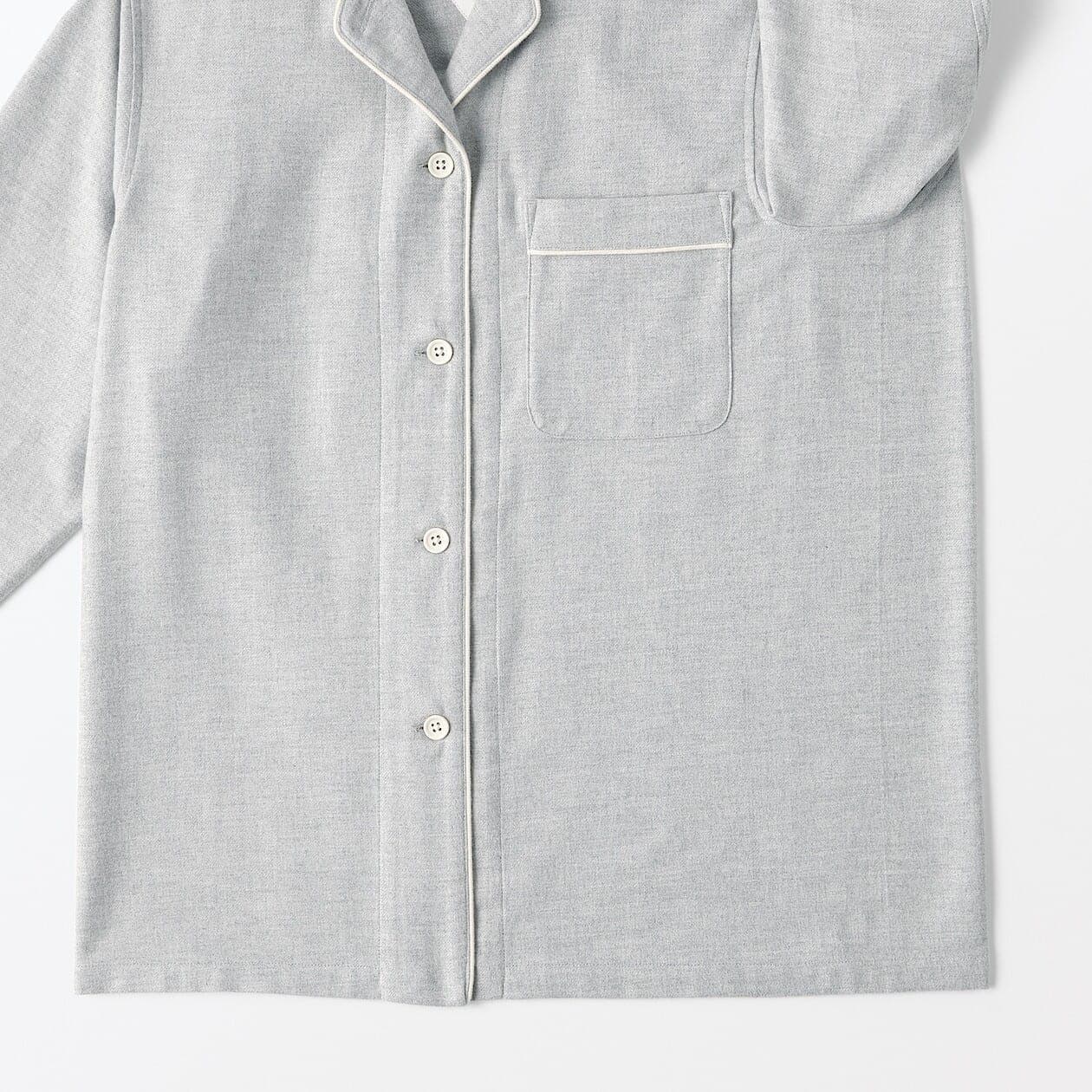
Pyjama flanelle sans couture latérale pour femme
MUJI
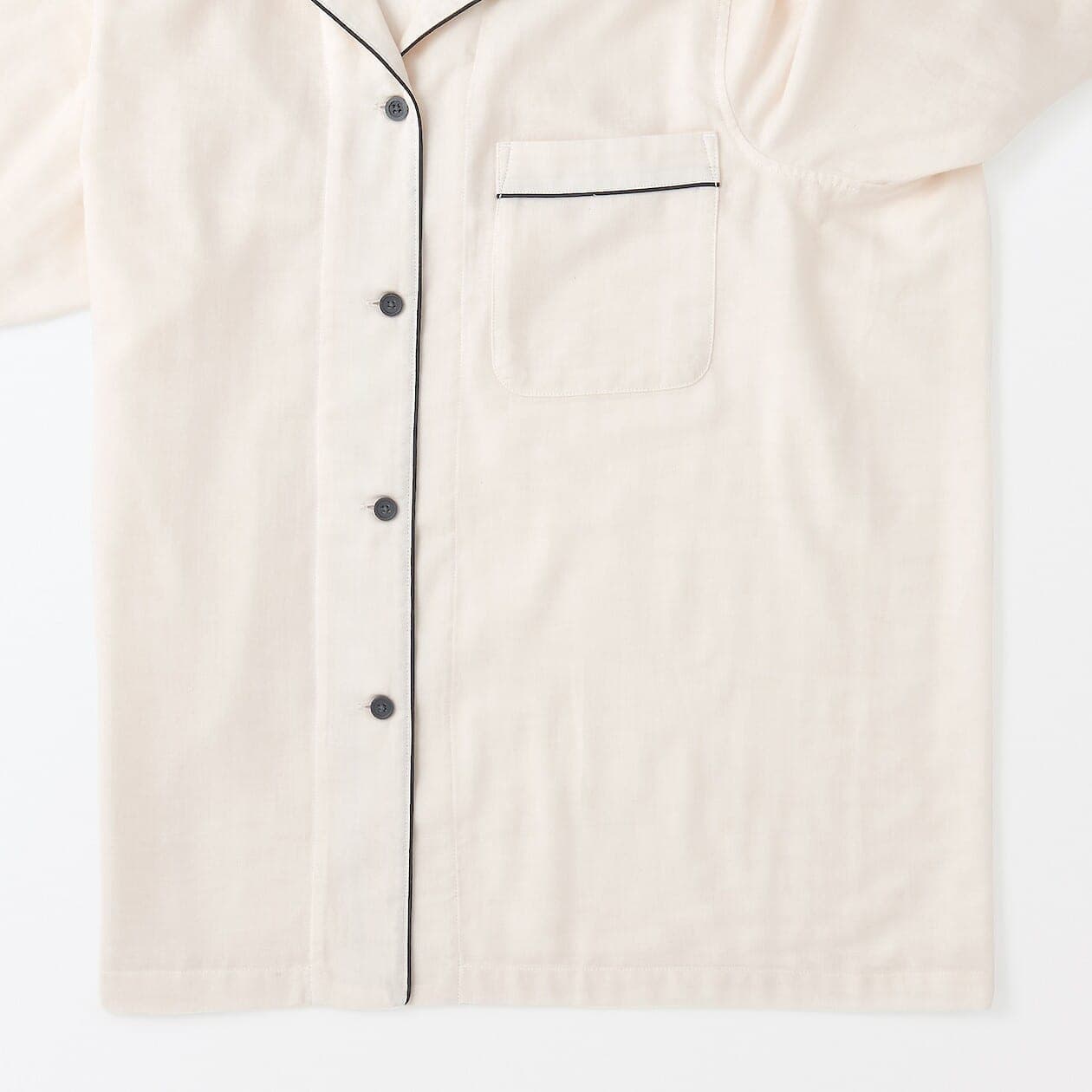
Pyjama femme en coton léger à manches longues
MUJI

Ensemble pyjama à manches courtes en satin de lyocell pour femme
MUJI

Ensemble de détente en coton Cool Touch à manches courtes pour femme
MUJI
Couverture légère en fibres chaudes recyclées ‐ 180 x 200 cm
MUJI
Couverture extra‐chaude en fibres chaudes recyclées ‐ 180 x 200 cm
MUJI
How these scores are produced
Product scores on this page are produced automatically. We read the composition and certification details a retailer discloses on the product page, match each material to our research database, and apply the published clothing-score process: every product starts at 100; five material factors — microplastics, PFAS, material half-life, production energy, and fiber shedding — apply penalties weighted by how much of the garment that material makes up; a sixth factor, azo dyes, applies to the garment as a whole; and a small adjustment reflects whether any certification was disclosed. GOTS, bluesign, OEKO-TEX Standard 100, and Cradle to Cradle can also mark a product azo-dye-free. We do not lab-test garments. The Analyzed Product Profile then summarizes those product scores. It is not a corporate sustainability score, and it is not the retired LLM brand assessment.
Are you this brand?
If a figure on this page is wrong, send a correction. We aim to respond within 24 hours. A review can temporarily hide a disputed claim; it is not an automatic permanent removal.
Sourced corporate evidence
These are sourced claims, not a corporate score. Missing topics are not assessed, not scored as zero.
Ryohin Keikaku states that MUJI offers apparel and that its product development is based on selection of materials, streamlining of processes, and simplification of packaging.
company_disclosure
Ryohin Keikaku states that it collects used MUJI apparel at stores; wearable items are re-dyed and processed for sale as upcycled clothing in Japan.
company_disclosure
For MUJI apparel developed in FY2025/8, Ryohin Keikaku reports that procured fibre materials comprised 69% plant-based fibres, 3% animal-based fibres, 3% regenerated cellulose fibres, and 25% synthetic fibres.
company_disclosure
Ryohin Keikaku states that it became a member of the Apparel and Footwear International RSL Management Group in June 2023 and requires internal departments and production partners to comply with the MUJI Product Restricted Substances List for textile products.
company_disclosure
In its MUJI Report 2023, Ryohin Keikaku reported apparel targets and results for animal-derived materials: 100% certified non-mulesed wool and 100% down certified to ensure animal welfare as target measures; the reported results were 99.9% certified non-mulesed wool and 100% down certified to ensure animal welfare.
company_disclosure
- Not assessed — Labour practices and living wages in MUJI’s apparel supply chain