
Analyzed Product Profile
Nike
This Analyzed Product Profile is based on 11 distinct analyzed products, a small catalogue sample. Median, range, and material mix describe those products only — not Nike as a whole.
Sample and scores
Most common materials
Counted by distinct product, not fiber percentage. One product can appear in several rows.
| Material | Products |
|---|---|
| Polyester | 9 |
| Cotton | 4 |
| Spandex | 2 |
| Elastane | 1 |
| Modal | 1 |
| Nylon | 1 |
Category mix
| Category | Products |
|---|---|
| Shorts | 6 |
| Activewear | 2 |
| Sweatshirts | 2 |
| Jerseys | 1 |
| Pants | 1 |
| Shirts | 1 |
Highest-scoring analyzed products

Sportswear Club Fleece Pullover Hoodie
Brand: Nike

Men's Nike Heather Gray Kansas City Chiefs 2024 AFC Champions Locker Room Trophy Collection T-Shirt
Brand: Nike
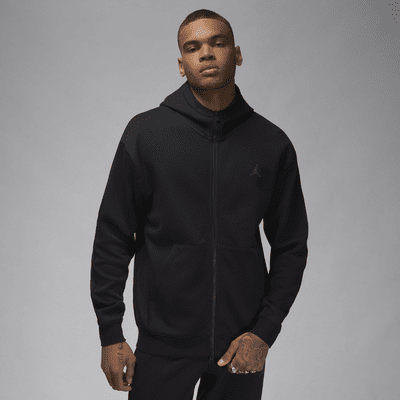
Jordan Sport Hoop Fleece Men's Dri-FIT Full-Zip Hoodie
Brand: Nike
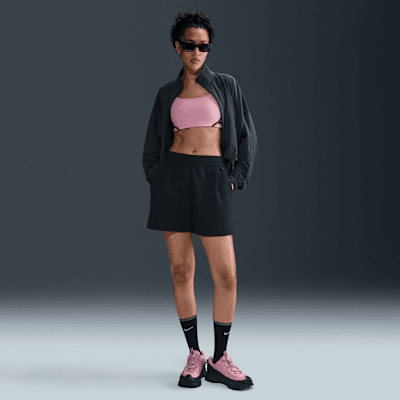
Nike 24.7 ImpossiblySoft Women's Dri-FIT Mid-Rise Loose 4" Shorts
Brand: Nike
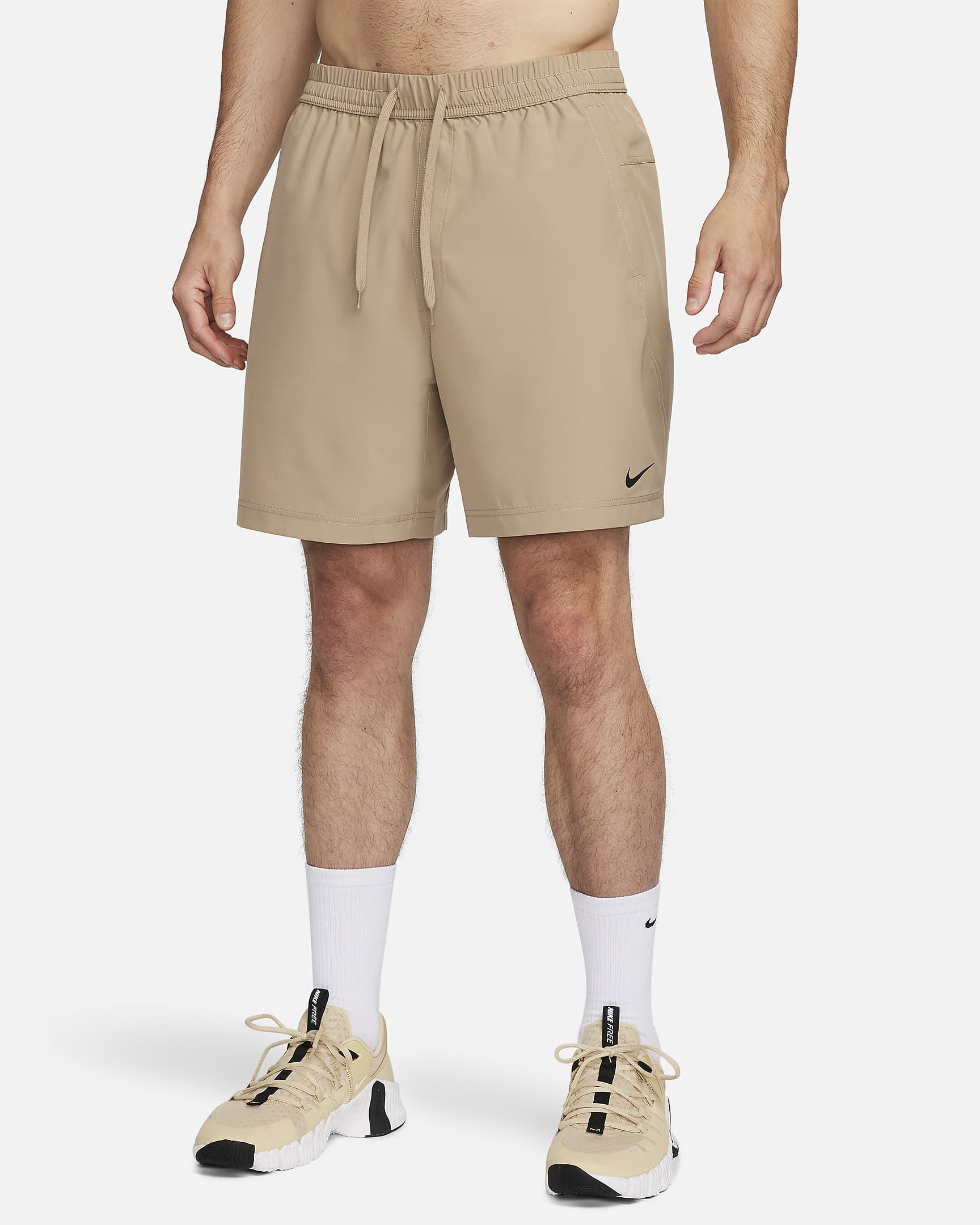
Nike Form
Brand: Nike
Men's Dri-FIT Fitness Long Shorts
Brand: Nike
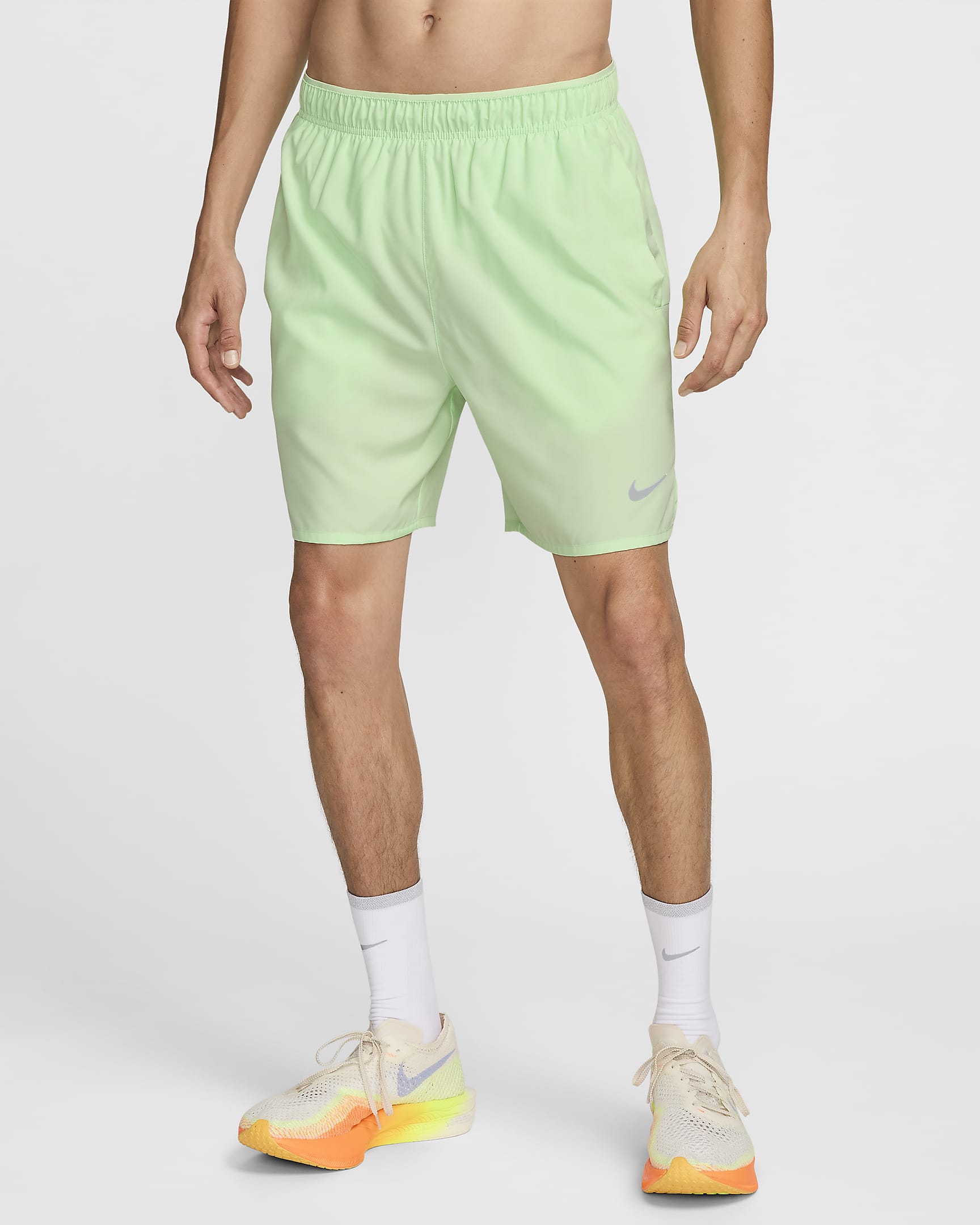
Challenger
Brand: Nike
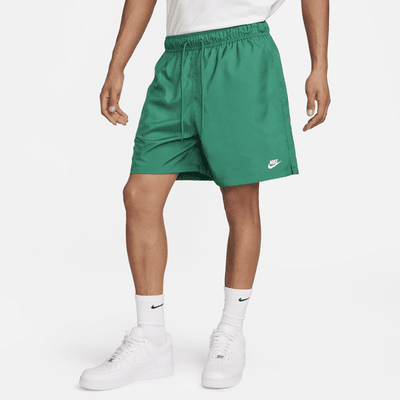
Nike Club Men's Woven Flow Shorts
Brand: Nike
How these scores are produced
Product scores on this page are produced automatically. We read the composition and certification details a retailer discloses on the product page, match each material to our research database, and apply the published clothing-score process: every product starts at 100; five material factors — microplastics, PFAS, material half-life, production energy, and fiber shedding — apply penalties weighted by how much of the garment that material makes up; a sixth factor, azo dyes, applies to the garment as a whole; and a small adjustment reflects whether any certification was disclosed. GOTS, bluesign, OEKO-TEX Standard 100, and Cradle to Cradle can also mark a product azo-dye-free. We do not lab-test garments. The Analyzed Product Profile then summarizes those product scores. It is not a corporate sustainability score, and it is not the retired LLM brand assessment.
Are you this brand?
If a figure on this page is wrong, send a correction. We aim to respond within 24 hours. A review can temporarily hide a disputed claim; it is not an automatic permanent removal.
Sourced corporate evidence
These are sourced claims, not a corporate score. Missing topics are not assessed, not scored as zero.
Nike states that its science-based target is to reduce its own-operations emissions (Scope 1 and 2) by 65% and supply-chain emissions (Scope 3) by 30% by 2030, against a 2015 baseline.
company_disclosure
Nike states that, as of the end of FY24, its Scope 3 emissions had declined by 29% since 2020 and that more than 60% of its production volume was sourced from suppliers with science-aligned targets for their own Scope 1 and 2 emissions.
company_disclosure
Nike states that raw materials represented 34% of its carbon footprint in FY24 and that it is prioritizing polyester, cotton, leather, foam, and rubber, including the use of recycled polyester and lower-carbon leather.
company_disclosure
Nike states that its supplier requirements include the Nike Code of Conduct and Code Leadership Standards, covering minimum standards for the facilities that make and move Nike products, including worker welfare, healthy and safe workplaces, and environmental responsibility.
company_disclosure
Nike states that it regularly reviews facilities through verified industry assessments or announced and unannounced audit visits against its Code of Conduct and Code Leadership Standards.
company_disclosure
Nike states that more than 90% of Nike footwear and branded apparel is made by factory groups with which it has worked for more than 15 years.
company_disclosure
Nike states that its Manufacturing Restricted Substances List bans the intentional use of priority chemicals during the manufacture of textiles, synthetic leather, and natural leather, while setting impurity limits for chemical formulations supplied to material vendors.
company_disclosure
Nike states that, as of FY24, it had converted six priority chemistries—PFAS, DMF, zinc pyrithione, NPEOs, neoprene, and formaldehyde—to cleaner chemistry alternatives.
company_disclosure
Nike states that its Restricted Substances List is aligned to the AFIRM chemical limits list and that it has adopted ZDHC wastewater guidelines developed with the Zero Discharge of Hazardous Chemicals program.
company_disclosure
Nike states that Nike Refurbished extends the life of gently worn, like-new, or slightly imperfect Nike footwear and apparel by refurbishing and reselling products at selected Nike stores.
company_disclosure
Nike states that its Aero-FIT shirt is its first elite performance apparel made from 100% textile waste, using a textile-to-textile system enabled by chemical recycling to produce recycled polyester yarn.
company_disclosure
Published 2026-07-10
Nike states that its Raw Materials Standards address sourcing, trading, tracing, and transformation of raw materials for Nike footwear, apparel, and equipment, including guidance on animal-derived materials and restricted biomes for leather sourcing.
company_disclosure
- Not assessed — Independent verification of Nike's reported carbon, chemistry, waste, and supply-chain performance
- Not assessed — Animal-welfare outcomes for Nike apparel materials