
Analyzed Product Profile
Old Navy
This Analyzed Product Profile is based on 23 distinct analyzed products in the Greener Closet catalogue. Median, range, and material mix are computed from those products' disclosed composition. They are not a corporate sustainability score.
Sample and scores
Most common materials
Counted by distinct product, not fiber percentage. One product can appear in several rows.
| Material | Products |
|---|---|
| Cotton | 21 |
| Spandex | 8 |
| Polyester | 6 |
| Recycled Polyester | 4 |
| Recycled Cotton | 2 |
| Lycra | 1 |
Category mix
| Category | Products |
|---|---|
| Pants | 10 |
| Shirts | 5 |
| One-Pieces | 3 |
| Denim | 2 |
| Skirts | 2 |
| Underwear | 2 |
Highest-scoring analyzed products
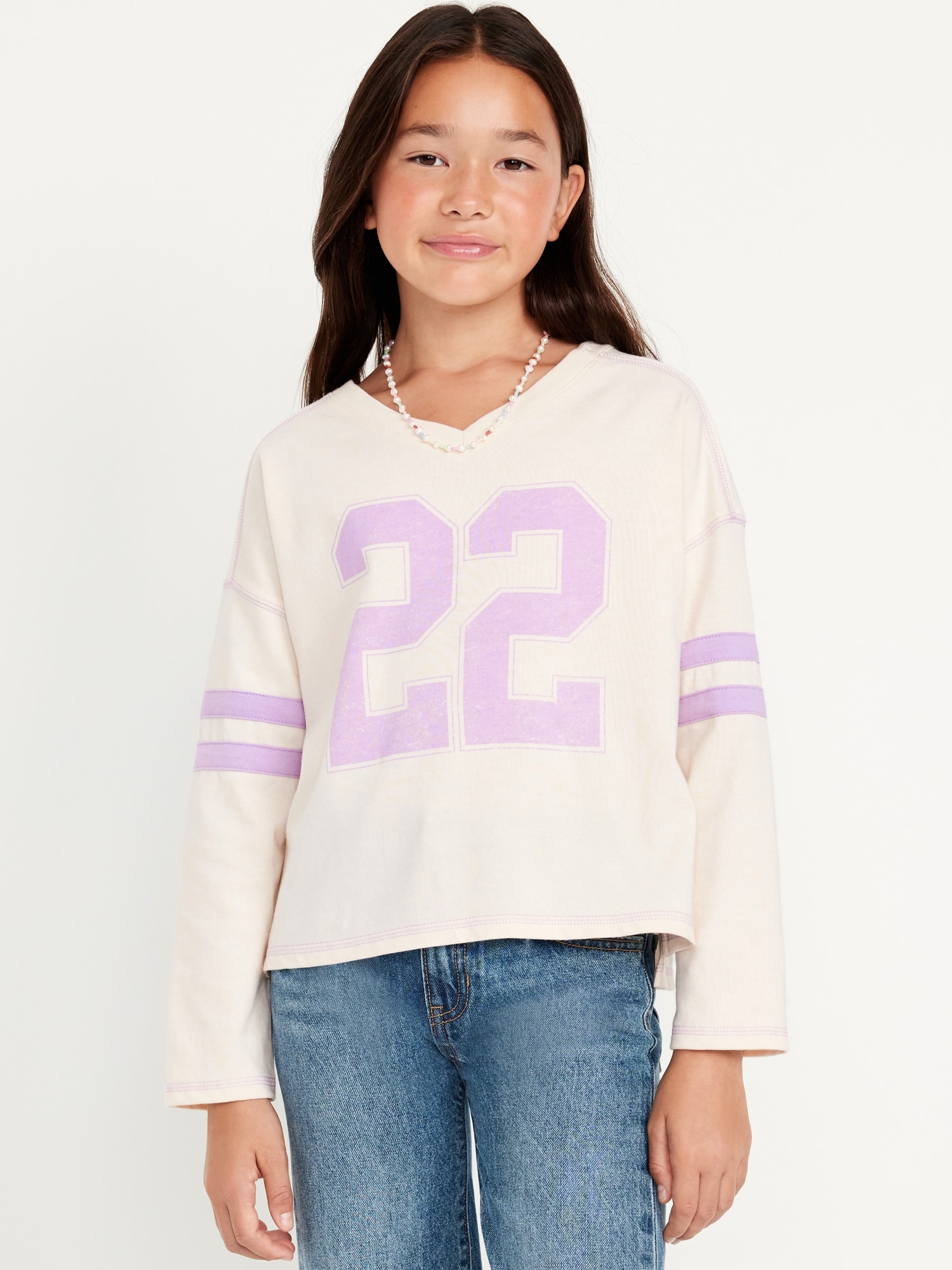
Loose Long-Sleeve Graphic Top for Girls
Brand: Old Navy
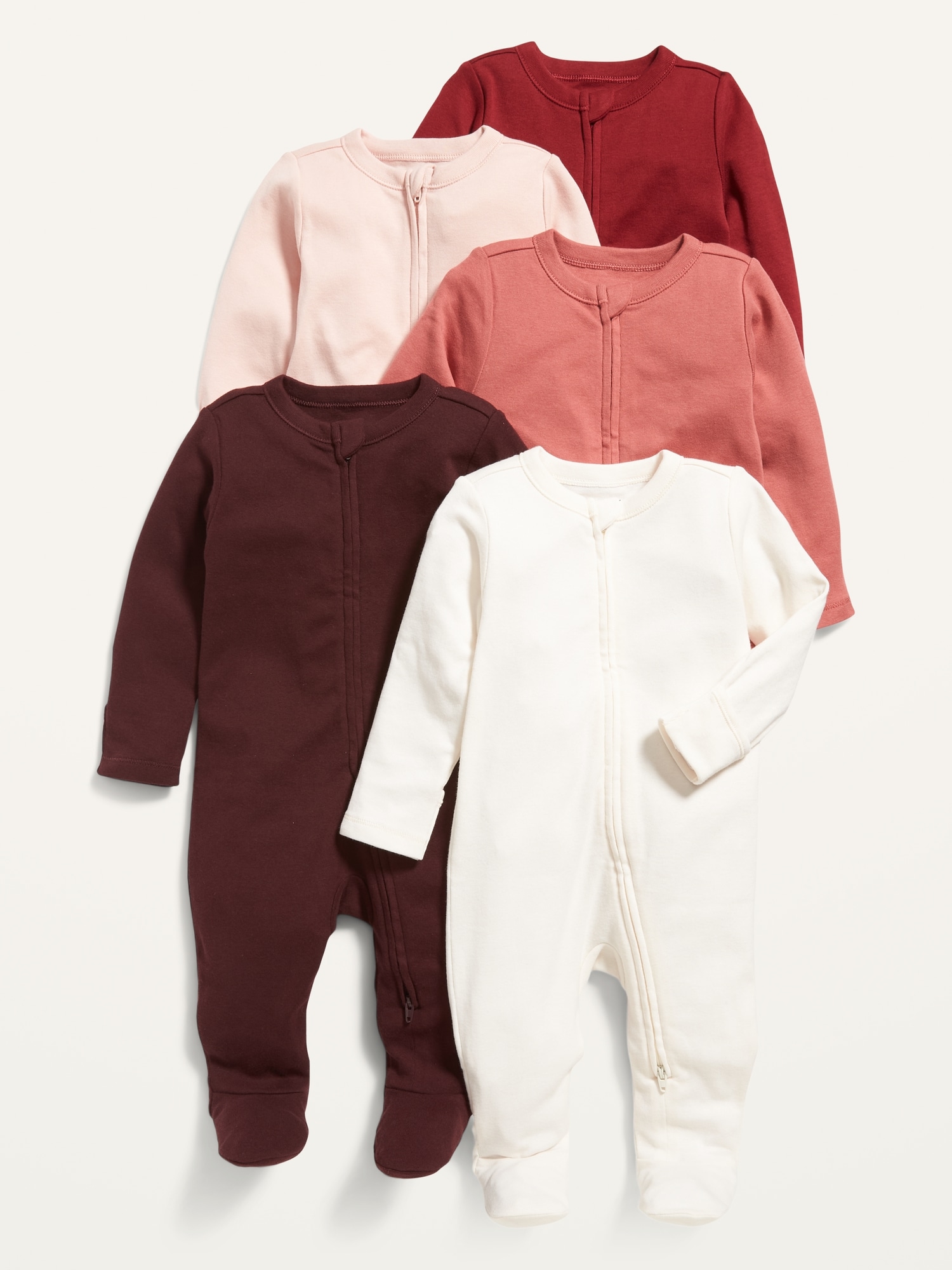
Unisex 2-Way-Zip Sleep & Play Footed One-Piece 5-Pack for Ba
Brand: Old Navy
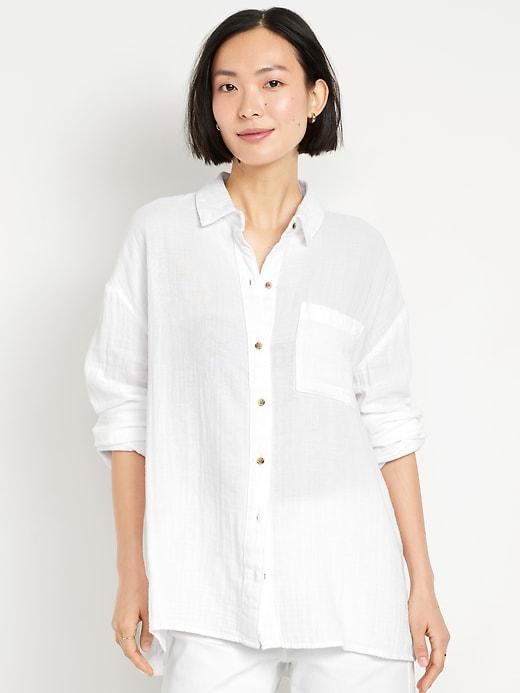
Crinkle Gauze Loose Button-Down Shirt
Brand: Old Navy
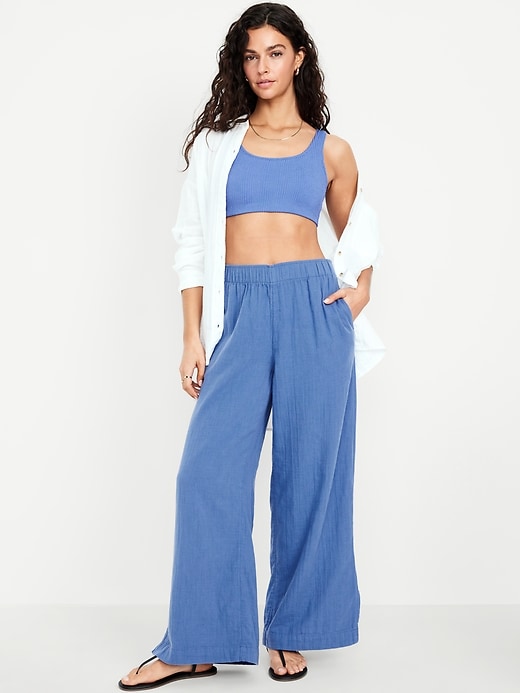
High-Waisted Crinkle Gauze Super Wide-Leg Pants
Brand: Old Navy
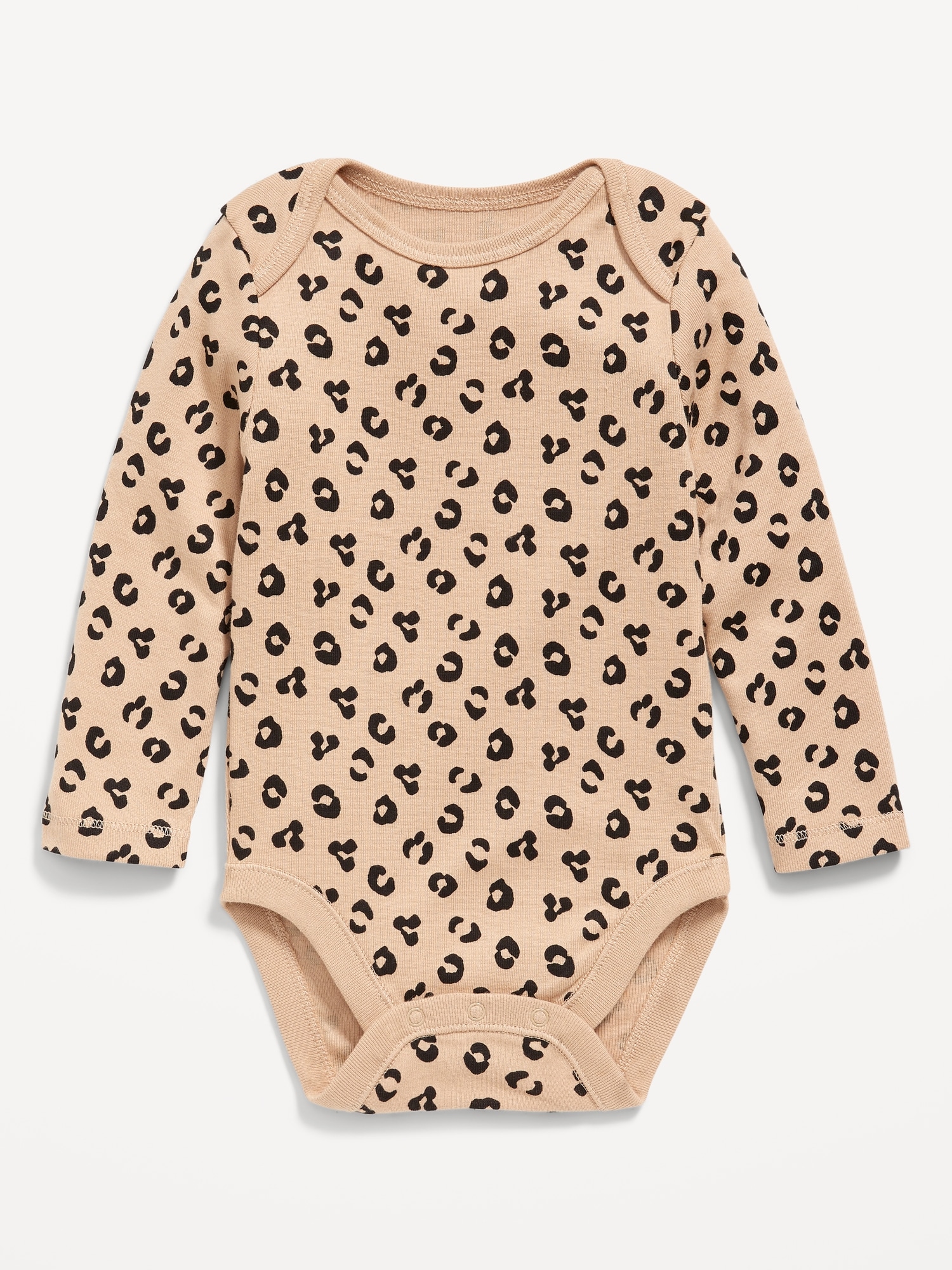
Printed Long-Sleeve Bodysuit for Baby
Brand: Old Navy
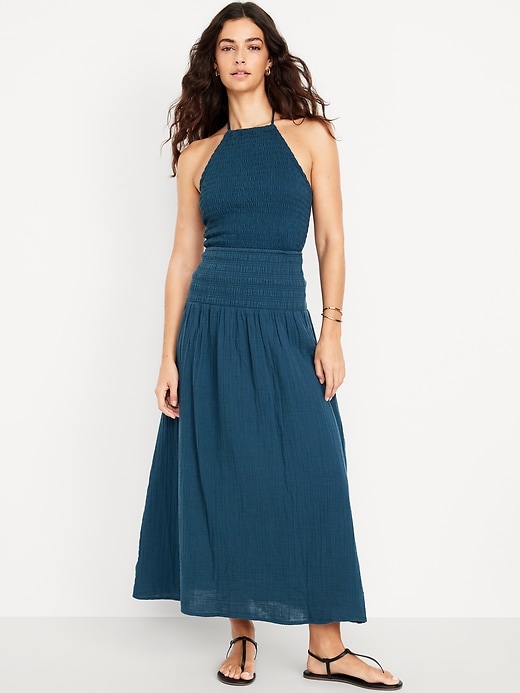
High-Waisted Crinkle Gauze Smocked Maxi Skirt
Brand: Old Navy
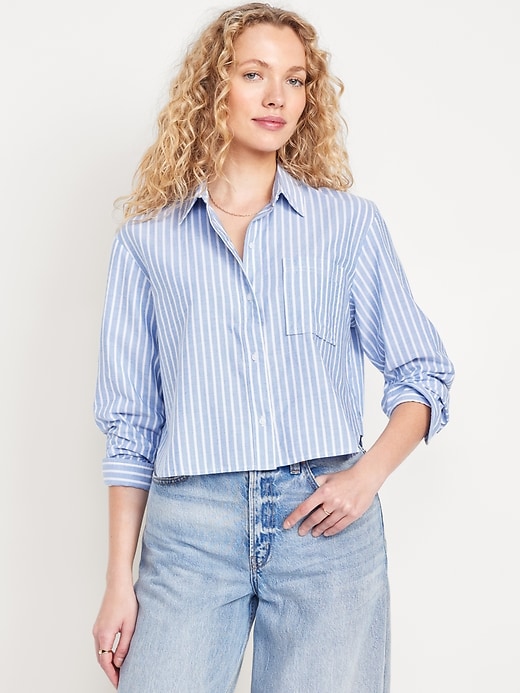
Button-Down Oxford Crop Shirt
Brand: Old Navy
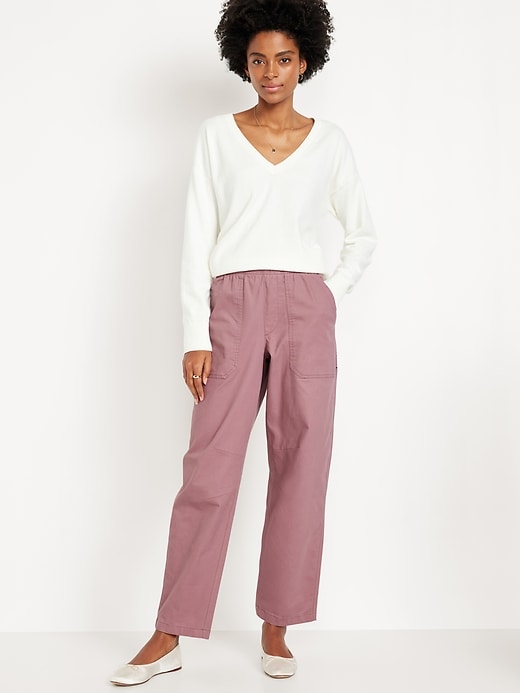
High-Waisted Pulla Utility Pants
Brand: Old Navy
How these scores are produced
Product scores on this page are produced automatically. We read the composition and certification details a retailer discloses on the product page, match each material to our research database, and apply the published clothing-score process: every product starts at 100; five material factors — microplastics, PFAS, material half-life, production energy, and fiber shedding — apply penalties weighted by how much of the garment that material makes up; a sixth factor, azo dyes, applies to the garment as a whole; and a small adjustment reflects whether any certification was disclosed. GOTS, bluesign, OEKO-TEX Standard 100, and Cradle to Cradle can also mark a product azo-dye-free. We do not lab-test garments. The Analyzed Product Profile then summarizes those product scores. It is not a corporate sustainability score, and it is not the retired LLM brand assessment.
Are you this brand?
If a figure on this page is wrong, send a correction. We aim to respond within 24 hours. A review can temporarily hide a disputed claim; it is not an automatic permanent removal.
Sourced corporate evidence
These are sourced claims, not a corporate score. Missing topics are not assessed, not scored as zero.
Old Navy is an apparel and accessories brand that offers clothing for women, men, children, and babies; Gap Inc. states that the brand opened its first store in Colma, California, on March 19, 1994.
company_disclosure
Old Navy's Imagine Mission identifies sustainability as one of its three pillars, alongside inclusivity and opportunity.
company_disclosure
Old Navy stated a goal that 100% of its cotton would be Better Cotton, verified U.S.-grown, or recycled by the end of 2022.
company_disclosure
Old Navy stated a goal that 100% of its denim would be made using water-saving techniques by the end of 2022.
company_disclosure
Old Navy stated goals that 85% of the fibers used in its clothing would be more sustainable by 2025 and that 60% of its polyester would come from recycled sources by 2025.
company_disclosure
Old Navy's This Way ONward program, launched in 2007, is designed to provide access to jobs and careers for socioeconomically disadvantaged youth ages 16–24 in the United States and Canada.
company_disclosure
Gap Inc.'s 2025 Impact Report identifies Old Navy as one of Gap Inc.'s four brands and states that Gap Inc.'s 2025 strategy included reaching 20,000 youth through Old Navy's This Way ONward opportunity program.
company_disclosure
Published 2026-06-04
- Not assessed — Current performance against Old Navy's stated cotton, denim, fiber, recycled-polyester, plastic-bag, and hanger-recycling goals
- Not assessed — Animal welfare
- Not assessed — Labour and supply-chain working conditions