
Analyzed Product Profile
Petite Plume
This Analyzed Product Profile is based on 7 distinct analyzed products, a small catalogue sample. Median, range, and material mix describe those products only — not Petite Plume as a whole.
Sample and scores
Most common materials
Counted by distinct product, not fiber percentage. One product can appear in several rows.
| Material | Products |
|---|---|
| Silk | 5 |
| Cotton | 2 |
Category mix
| Category | Products |
|---|---|
| Pajamas | 7 |
Highest-scoring analyzed products
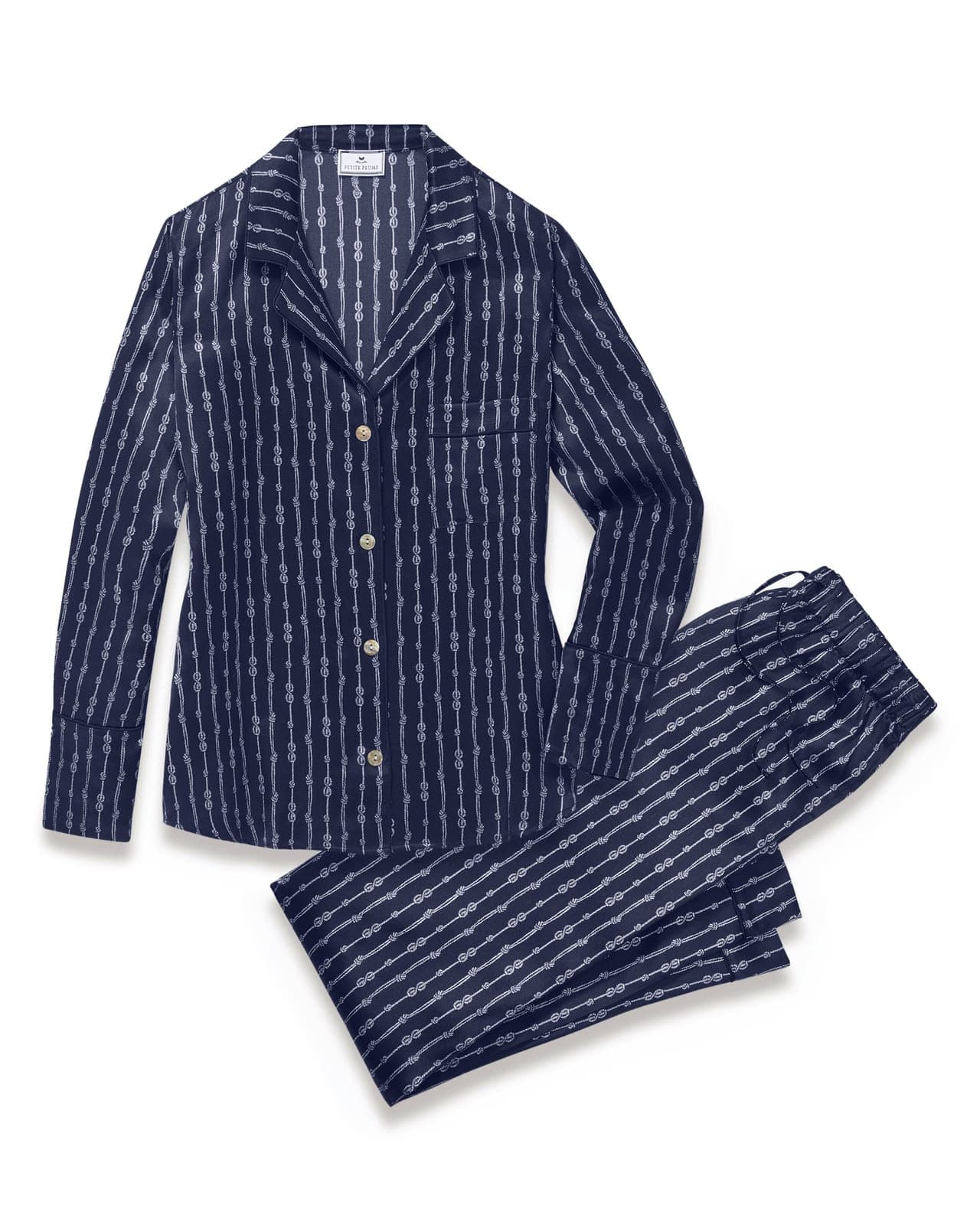
Women's Silk Pajama Set in Nautical Knots
Petite Plume
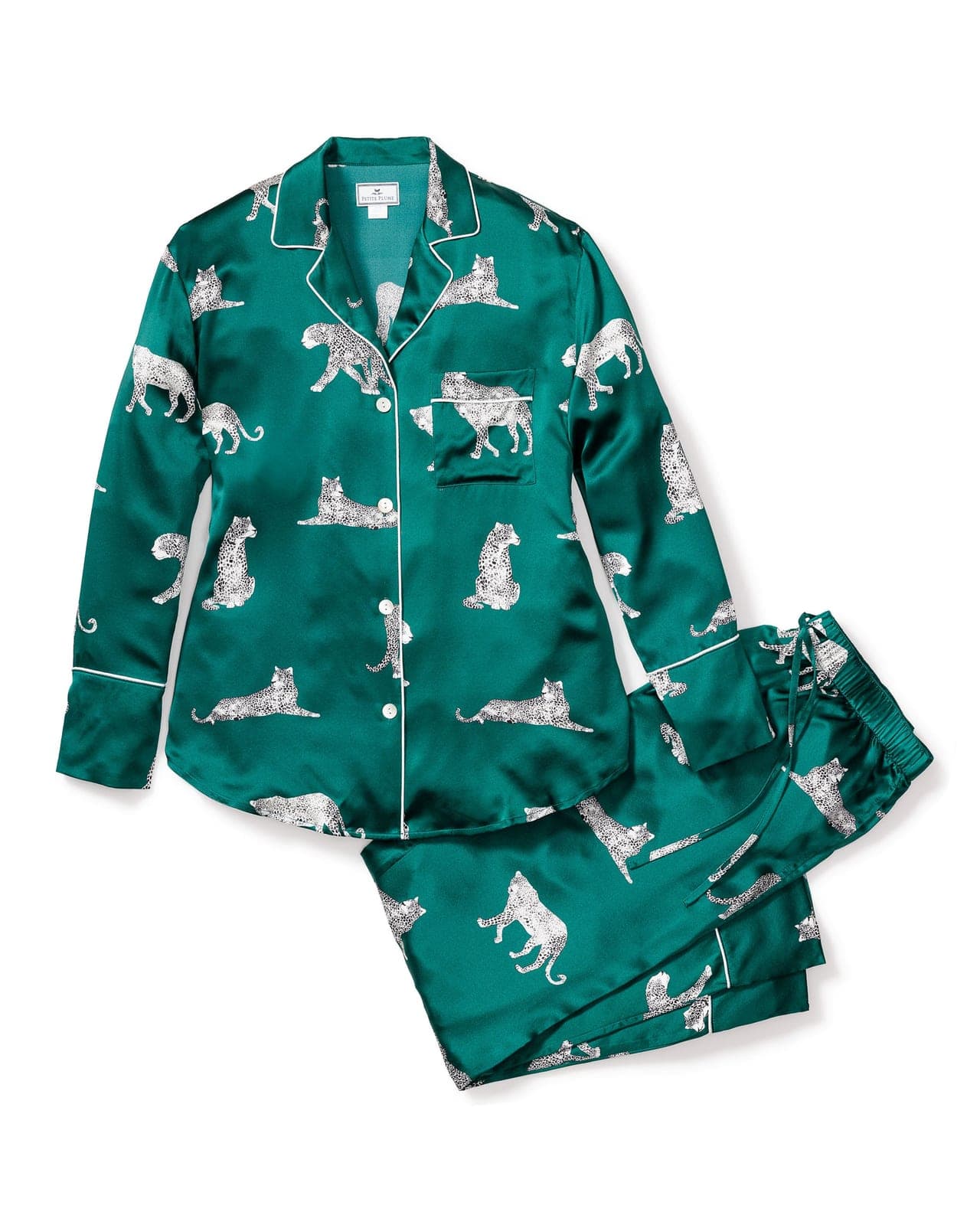
Women's Silk Pajama Set in Panthère de Luxe
Petite Plume
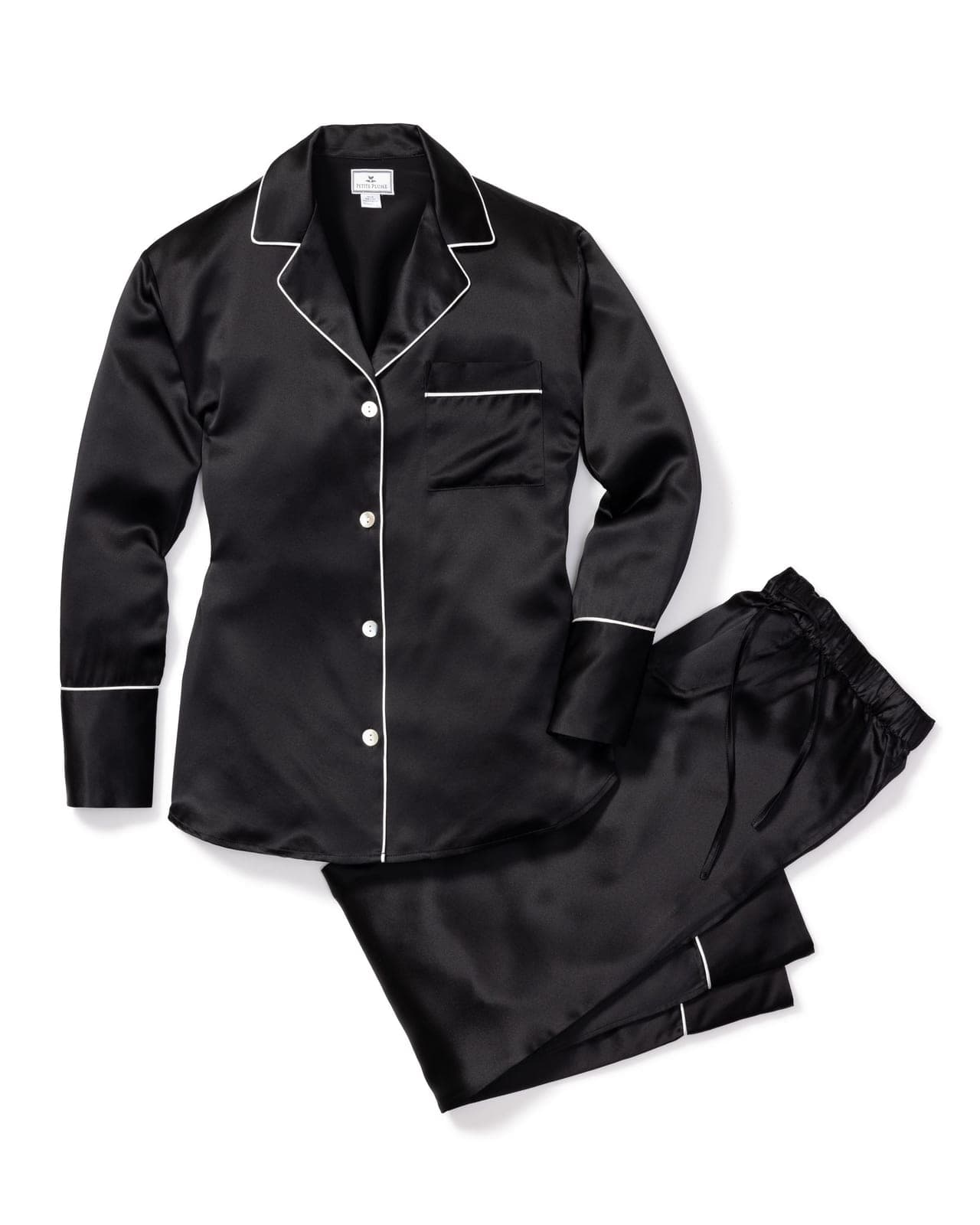
Women's Silk Pajama Set in Black
Petite Plume
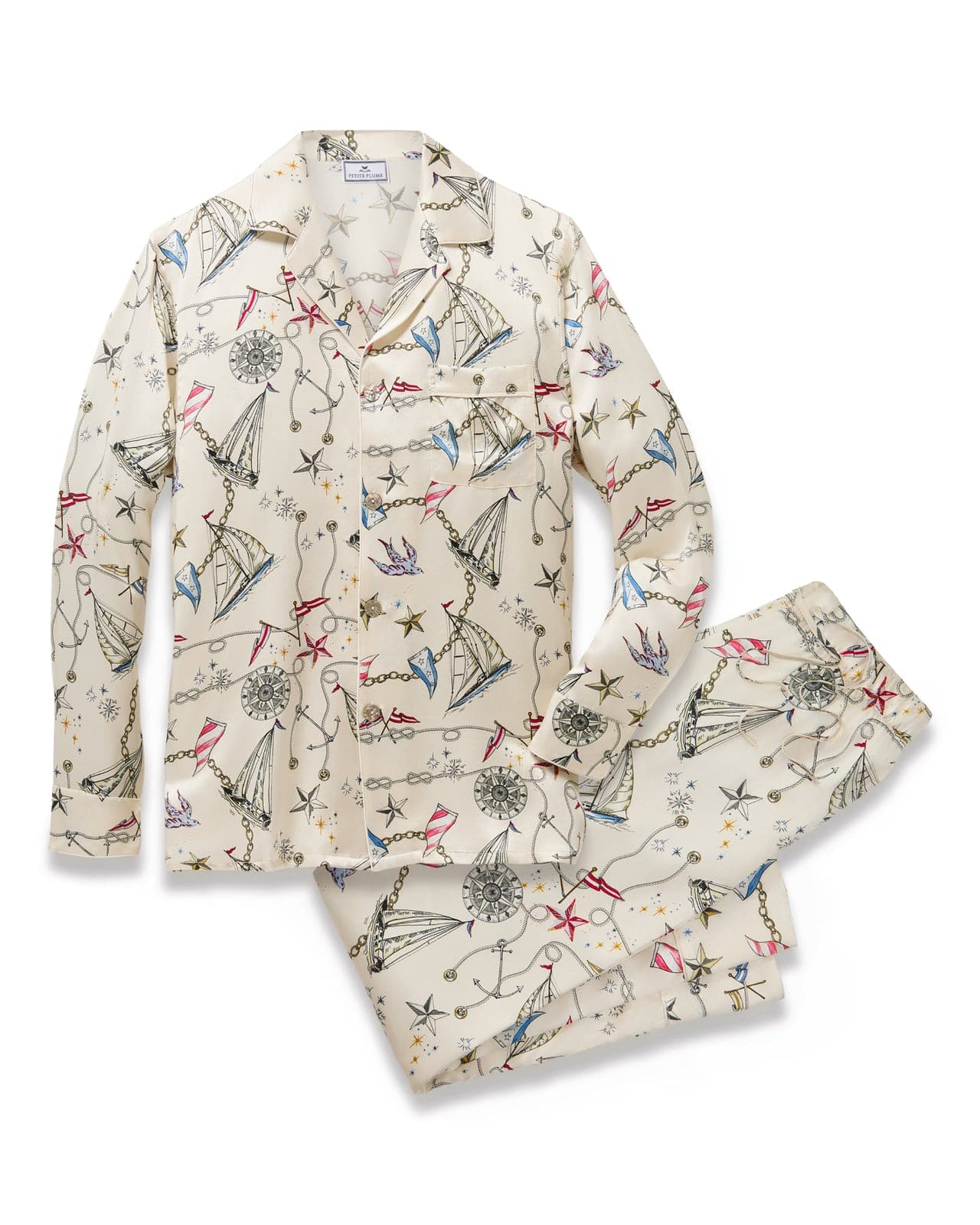
Women's Silk Pajama Set in Regatta Royale
Petite Plume
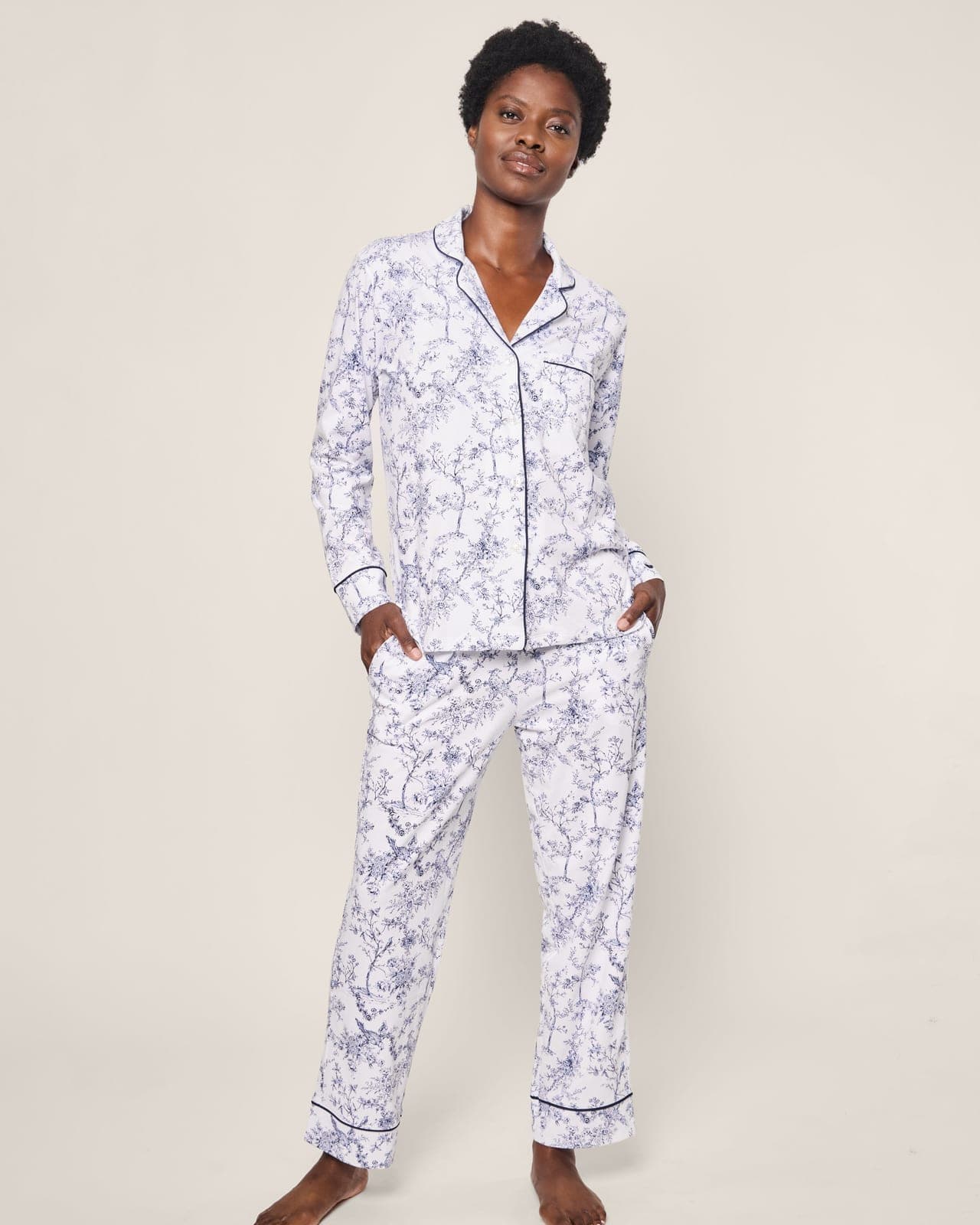
Women's Pima Pajama Set in Timeless Toile
Petite Plume
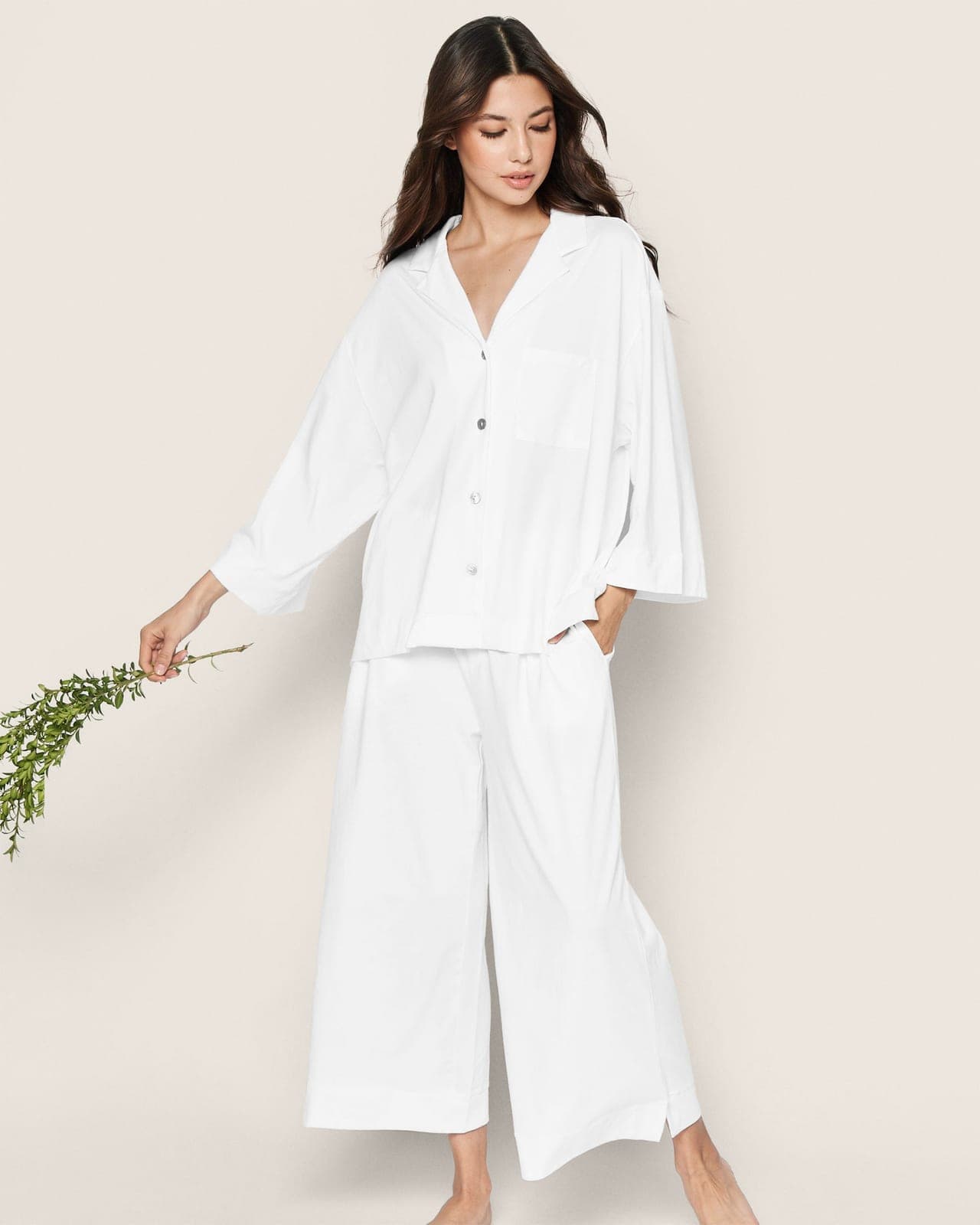
The Olivia Wide Leg Pima Pajama Set in White
Petite Plume
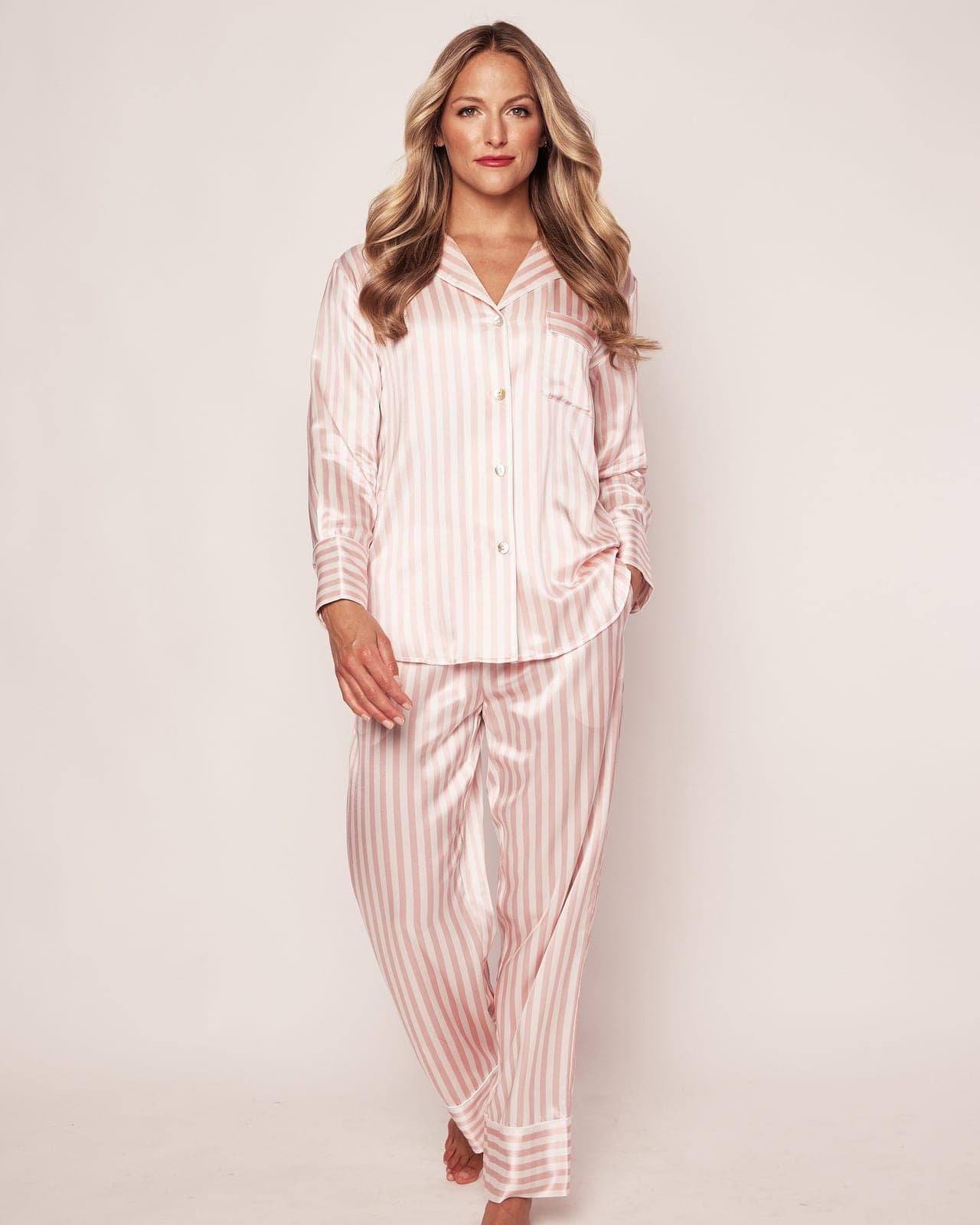
Women's Silk Pajama Set in Pink Stripe
Petite Plume
How these scores are produced
Product scores on this page are produced automatically. We read the composition and certification details a retailer discloses on the product page, match each material to our research database, and apply the published clothing-score process: every product starts at 100; five material factors — microplastics, PFAS, material half-life, production energy, and fiber shedding — apply penalties weighted by how much of the garment that material makes up; a sixth factor, azo dyes, applies to the garment as a whole; and a small adjustment reflects whether any certification was disclosed. GOTS, bluesign, OEKO-TEX Standard 100, and Cradle to Cradle can also mark a product azo-dye-free. We do not lab-test garments. The Analyzed Product Profile then summarizes those product scores. It is not a corporate sustainability score, and it is not the retired LLM brand assessment.
Are you this brand?
If a figure on this page is wrong, send a correction. We aim to respond within 24 hours. A review can temporarily hide a disputed claim; it is not an automatic permanent removal.
Sourced corporate evidence
These are sourced claims, not a corporate score. Missing topics are not assessed, not scored as zero.
Petite Plume, LLC operates the Petite Plume apparel brand, which sells sleepwear for adults and children as well as home textiles.
company_disclosure
Petite Plume states that the brand debuted in 2015 and was created to develop sleepwear.
company_disclosure
Petite Plume states that its children's sleepwear uses cotton blended with an inherently flame-retardant fiber so it can meet applicable CPSC requirements without flame-retardant chemicals.
company_disclosure
Petite Plume identifies 100% long-staple cotton, 100% Peruvian Pima cotton, 100% mulberry silk, and Grade A cashmere among its listed materials.
company_disclosure
Petite Plume states that its adult sleepwear is made from 100% cotton and that the fabric is preshrunk and yarn-dyed.
company_disclosure
- Not assessed — Supply-chain labor, worker welfare, and human-rights practices
- Not assessed — Carbon emissions, energy use, water use, and waste
- Not assessed — Animal welfare and sourcing standards for animal-derived materials
- Not assessed — Third-party sustainability certifications