
Analyzed Product Profile
Q for Quinn
This Analyzed Product Profile is based on 15 distinct analyzed products, a small catalogue sample. Median, range, and material mix describe those products only — not Q for Quinn as a whole.
Sample and scores
Most common materials
Counted by distinct product, not fiber percentage. One product can appear in several rows.
| Material | Products |
|---|---|
| Organic Cotton | 14 |
| Elastane | 10 |
| Cotton | 1 |
Category mix
| Category | Products |
|---|---|
| Socks | 11 |
| Shirts | 1 |
| Tanks | 1 |
Highest-scoring analyzed products
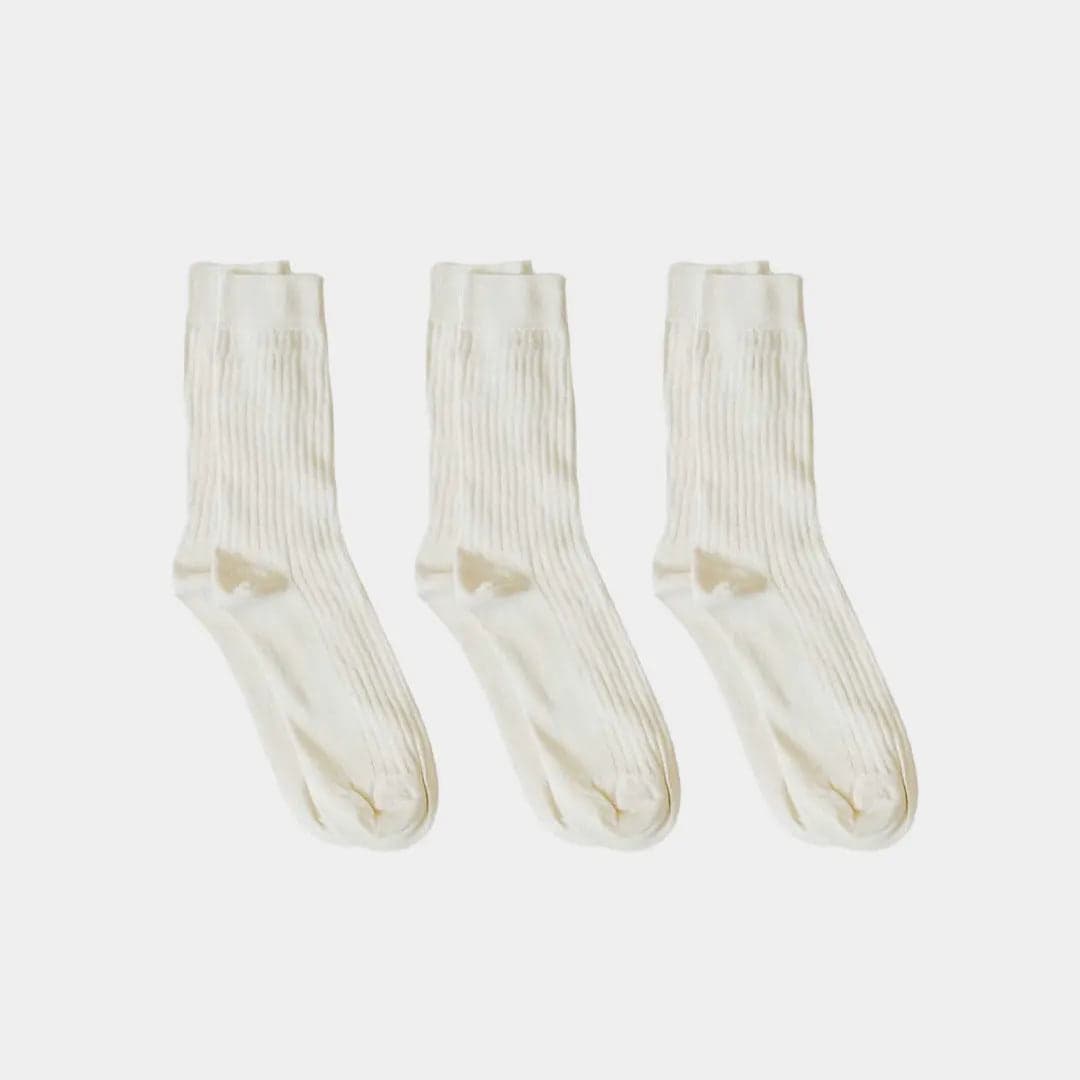
Natural (no dye) Adult Ribbed Socks - 100% Organic Cotton
Brand: Q for Quinn

Organic Motion Crop Tee
Brand: Q for Quinn
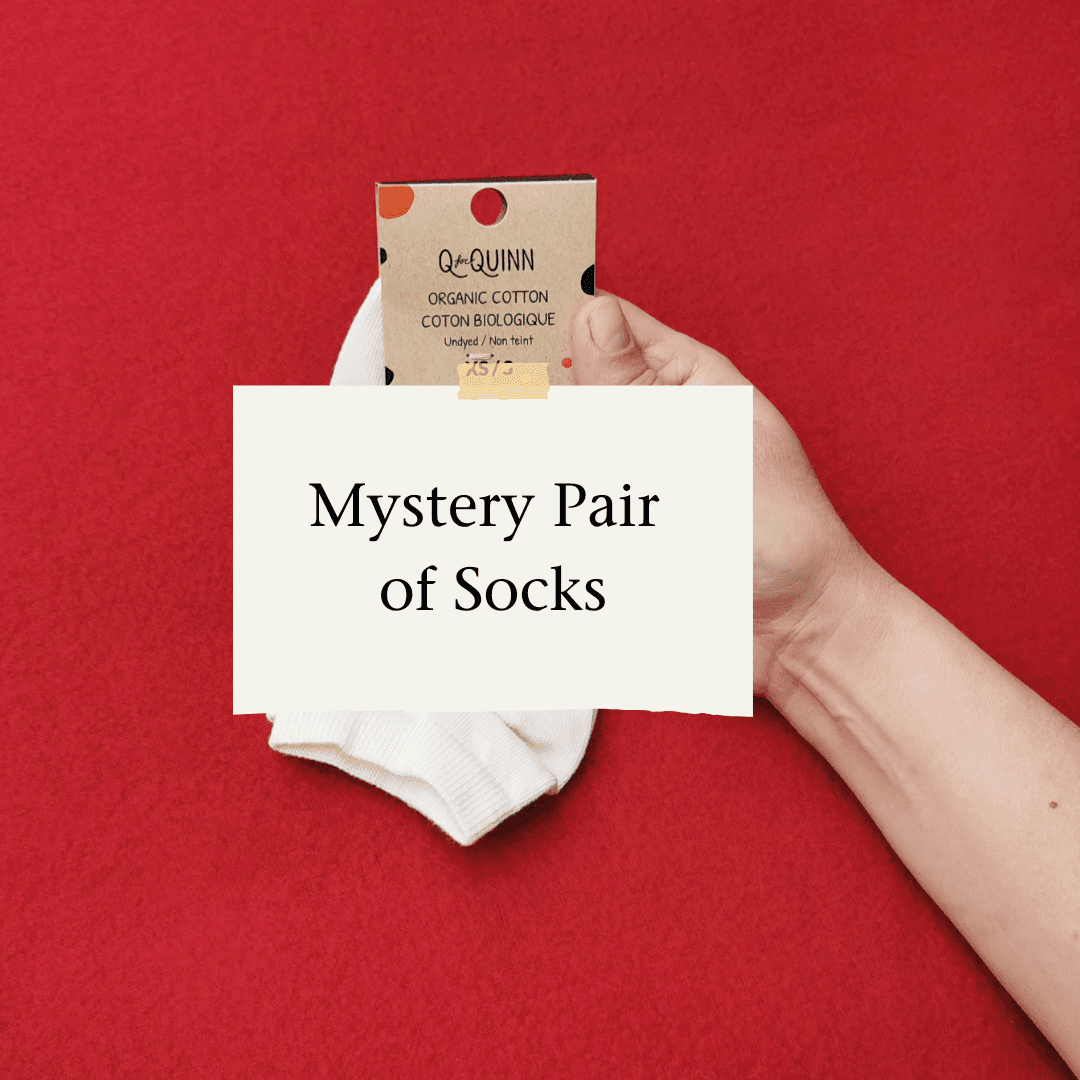
Mystery Pair - Organic Cotton Adult Socks
Brand: Q for Quinn
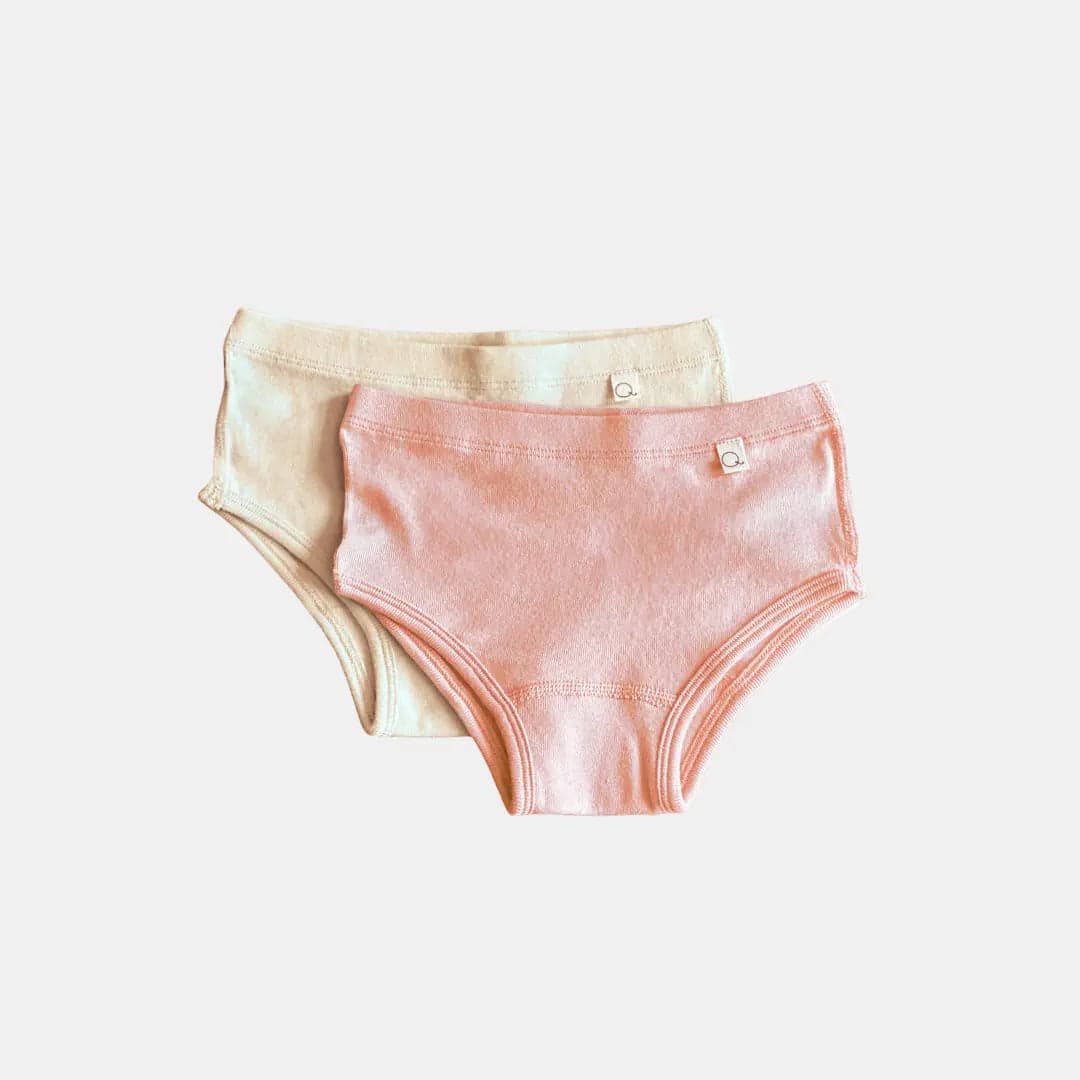
Rose Classic Briefs - 100% Organic Cotton
Brand: Q for Quinn
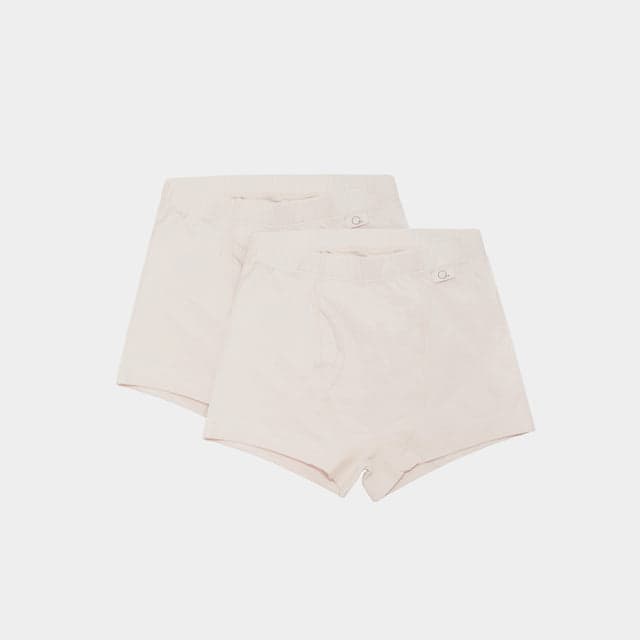
Natural (no dye) Ryan Boxer Briefs - 100% Organic Cotton (2 & 4 pack)
Brand: Q for Quinn
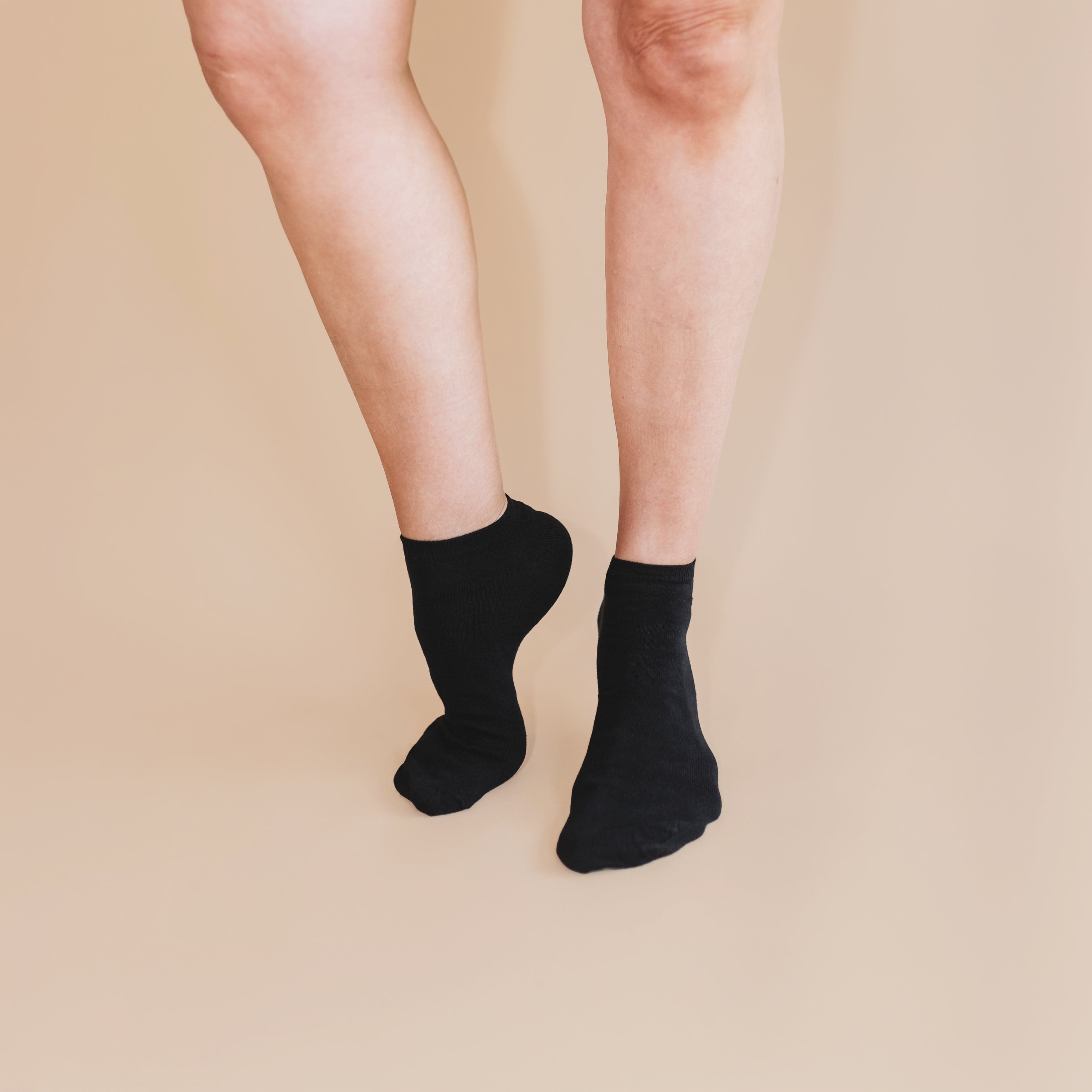
Everyday Adult Lightweight Ankle Socks - 98% Organic Cotton
Brand: Q for Quinn
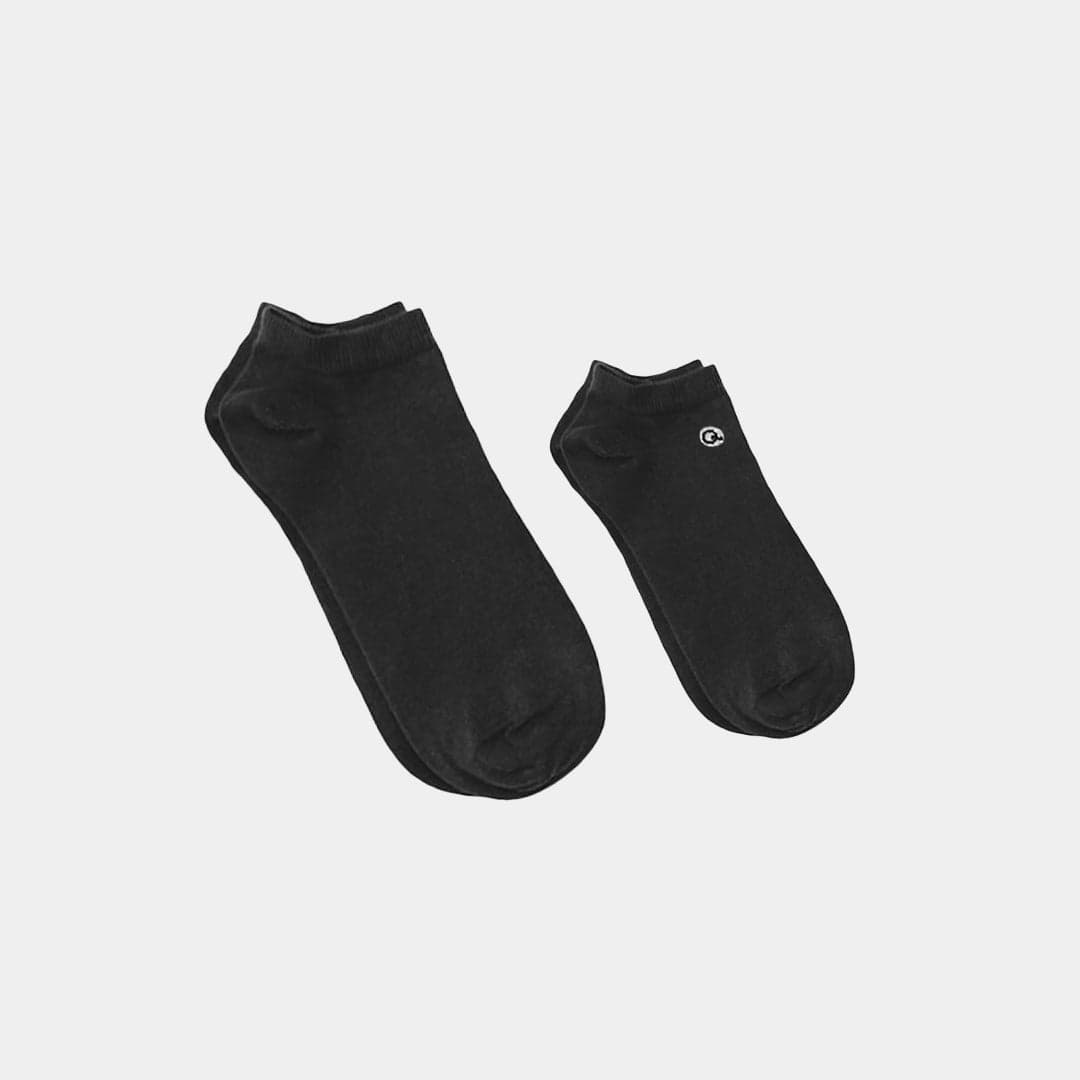
Matching Family Everyday Ankle Socks (Black 2 pack)
Brand: Q for Quinn
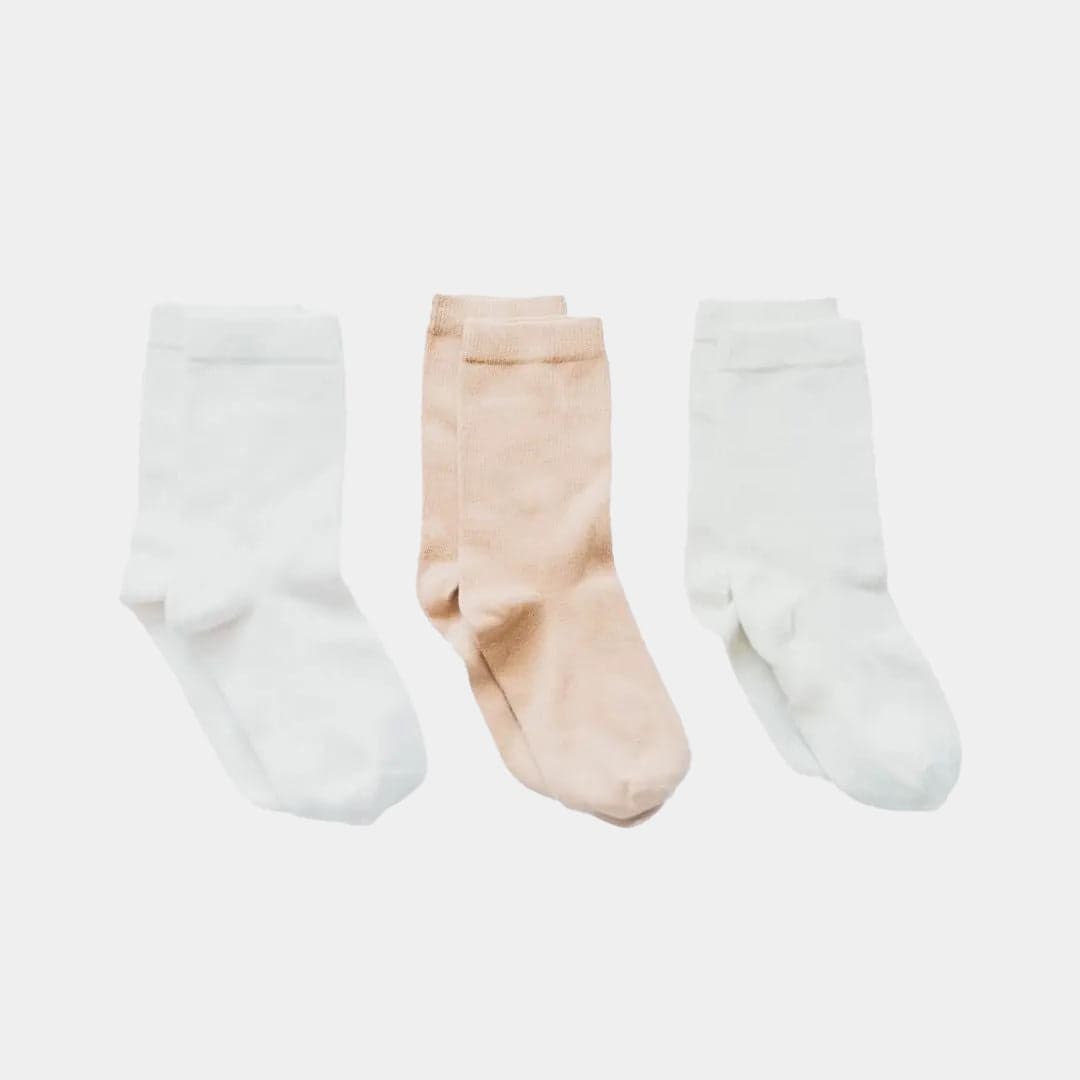
Natural (no dye) Kids' Socks - 98% Organic Cotton (3-pack)
Brand: Q for Quinn
How these scores are produced
Product scores on this page are produced automatically. We read the composition and certification details a retailer discloses on the product page, match each material to our research database, and apply the published clothing-score process: every product starts at 100; five material factors — microplastics, PFAS, material half-life, production energy, and fiber shedding — apply penalties weighted by how much of the garment that material makes up; a sixth factor, azo dyes, applies to the garment as a whole; and a small adjustment reflects whether any certification was disclosed. GOTS, bluesign, OEKO-TEX Standard 100, and Cradle to Cradle can also mark a product azo-dye-free. We do not lab-test garments. The Analyzed Product Profile then summarizes those product scores. It is not a corporate sustainability score, and it is not the retired LLM brand assessment.
Are you this brand?
If a figure on this page is wrong, send a correction. We aim to respond within 24 hours. A review can temporarily hide a disputed claim; it is not an automatic permanent removal.
Sourced corporate evidence
These are sourced claims, not a corporate score. Missing topics are not assessed, not scored as zero.
Q for Quinn states that it is a GOTS-certified company, certified by Ecocert Greenlife under licence number 256894.
company_disclosure
Q for Quinn states that it uses GOTS-certified organic cotton and responsibly sourced merino wool in its products.
company_disclosure
Q for Quinn states that its wool comes from mulesing-free, Responsible Wool Standard-certified farms in Australia, is milled in Italy, and is made into socks in Portugal.
company_disclosure
Q for Quinn states that its socks are made in a family-owned facility in Guimarães, Portugal, while its undergarments are knit and sewn in Tirupur, India, and its activewear is made in Peru.
company_disclosure
Q for Quinn states that its products are made in safe, fair workplaces where workers earn living wages and are not subject to child or forced labor, and that it verifies these practices throughout its supply chain.
company_disclosure
Q for Quinn states that its newer underwear styles use natural-rubber and cotton elastic, and that it began using 100% organic-cotton biodegradable thread in its undergarments in 2025.
company_disclosure
Q for Quinn states that, in 2025, it began rolling out products with natural-rubber and organic-cotton elastic and 100% organic-cotton thread in its Pointelle Collection and selected women’s underwear styles.
company_disclosure
Q for Quinn states that any synthetic materials it still uses are OEKO-TEX Standard 100 certified.
company_disclosure
Q for Quinn states that, since 2019, it has donated more than 500,000 school meals to children in need.
company_disclosure
Q for Quinn states that it donates one meal to a child in need through its partnership with Mary’s Meals for every pair purchased.
company_disclosure
- Not assessed — Carbon emissions and climate targets
- Not assessed — Energy use and renewable energy
- Not assessed — Water use and wastewater
- Not assessed — Labour outcomes beyond company policy statements
- Not assessed — Animal welfare beyond wool sourcing claims