
Analyzed Product Profile
Ridge Merino
This Analyzed Product Profile is based on 13 distinct analyzed products, a small catalogue sample. Median, range, and material mix describe those products only — not Ridge Merino as a whole.
Sample and scores
Most common materials
Counted by distinct product, not fiber percentage. One product can appear in several rows.
| Material | Products |
|---|---|
| Merino Wool | 10 |
| Nylon | 7 |
| Recycled Nylon | 3 |
| Spandex | 3 |
| Wool | 3 |
| Lyocell | 1 |
Category mix
| Category | Products |
|---|---|
| Activewear | 5 |
| Shirts | 5 |
| Underwear | 4 |
| Baselayers | 3 |
| Pants | 2 |
| Tanks | 2 |
Highest-scoring analyzed products
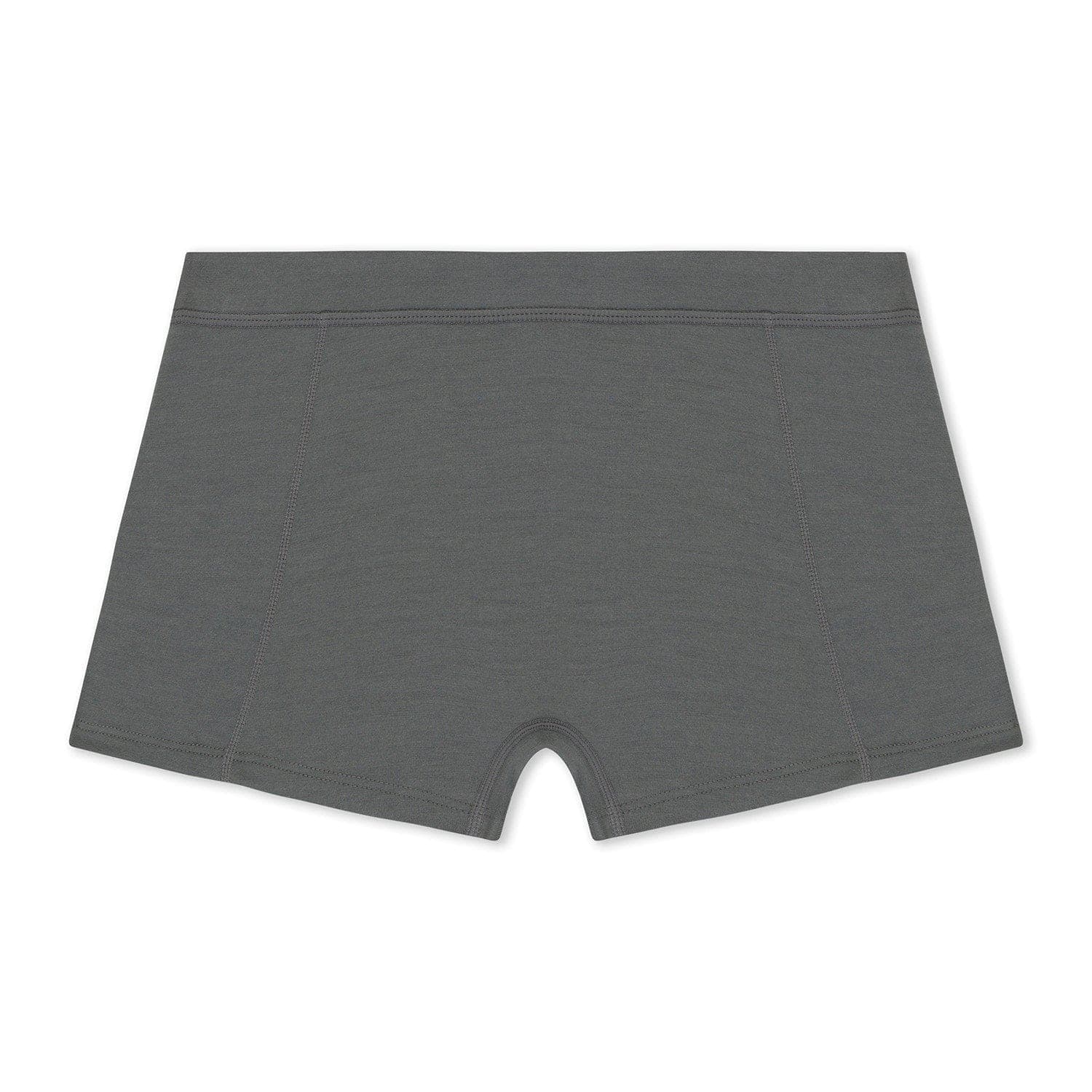
Women's Ridge Merino Wool Boy Short Underwear
Brand: Ridge Merino
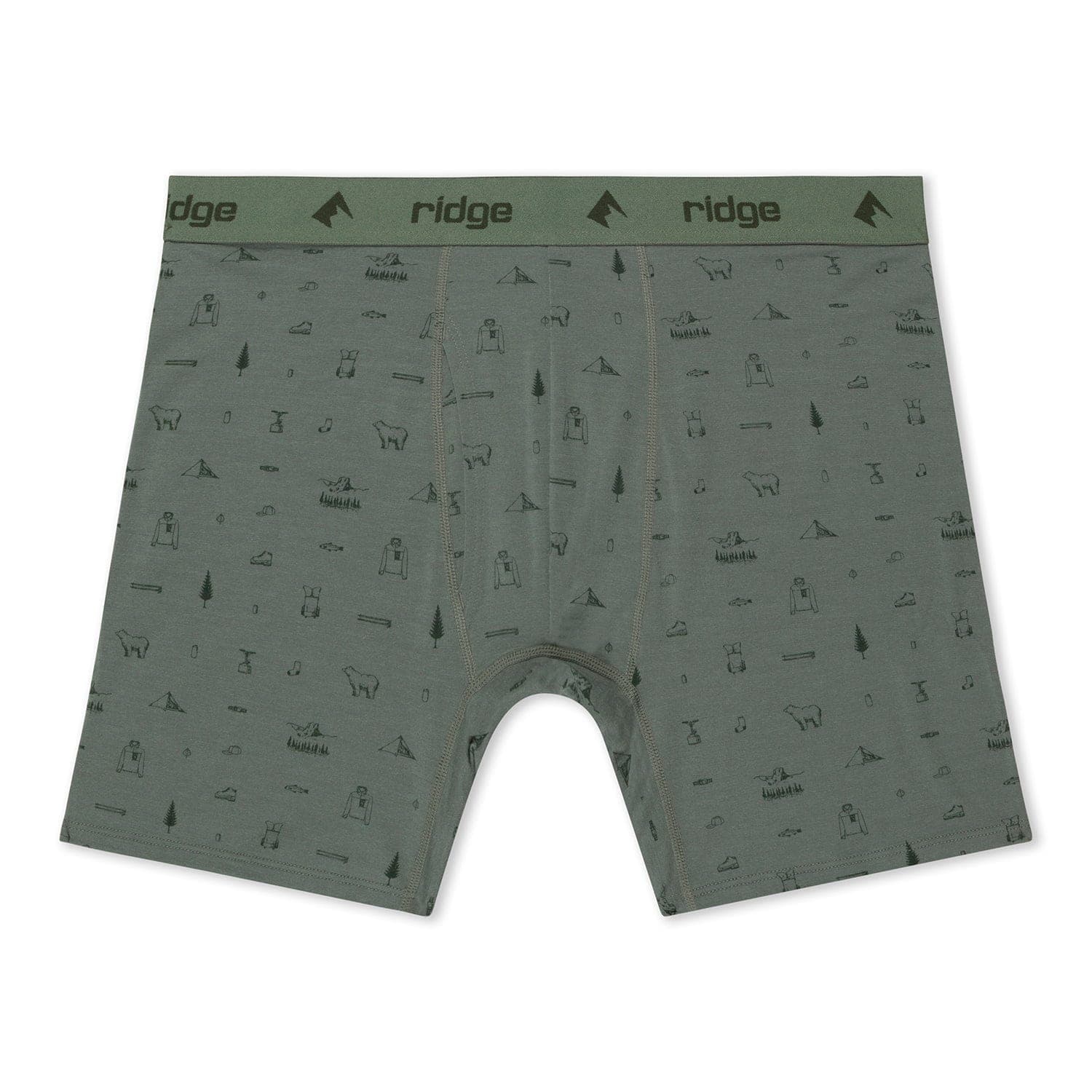
Men's Ridge Merino Wool Boxer Briefs
Brand: Ridge Merino
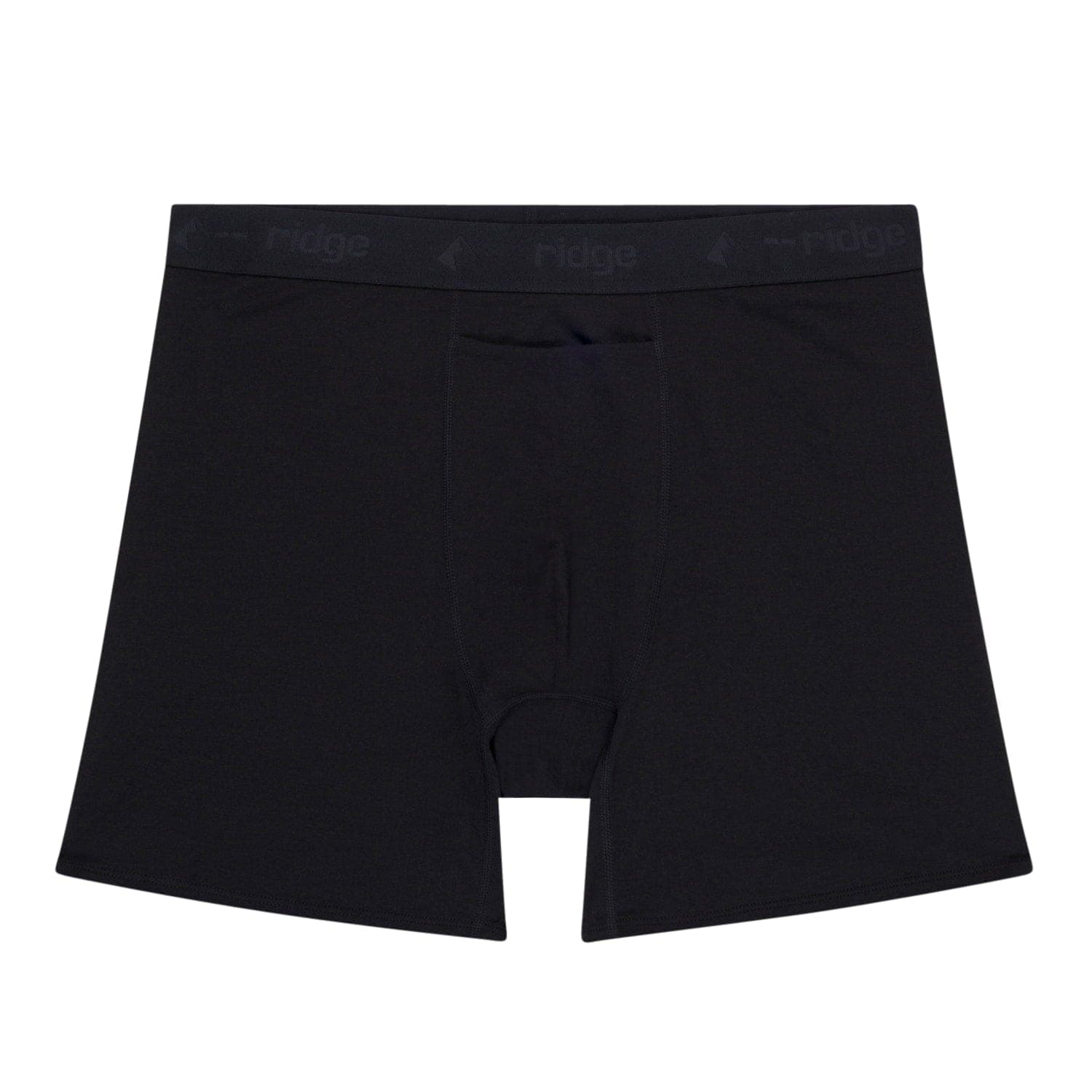
Men’s Performance Fit Merino Wool Boxer Briefs
Brand: Ridge Merino
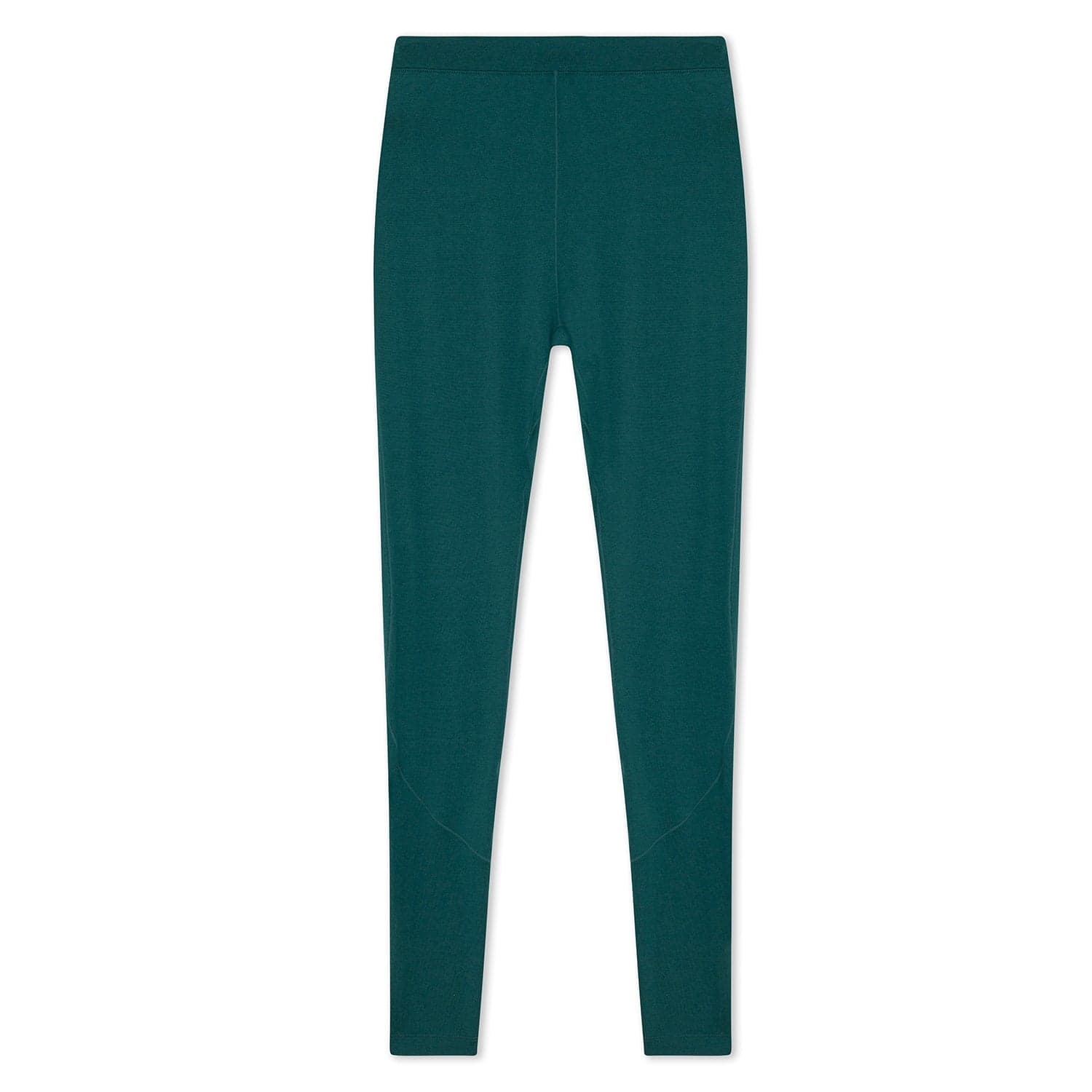
Women's Inversion Heavyweight Merino Wool Base Layer Leggings
Brand: Ridge Merino
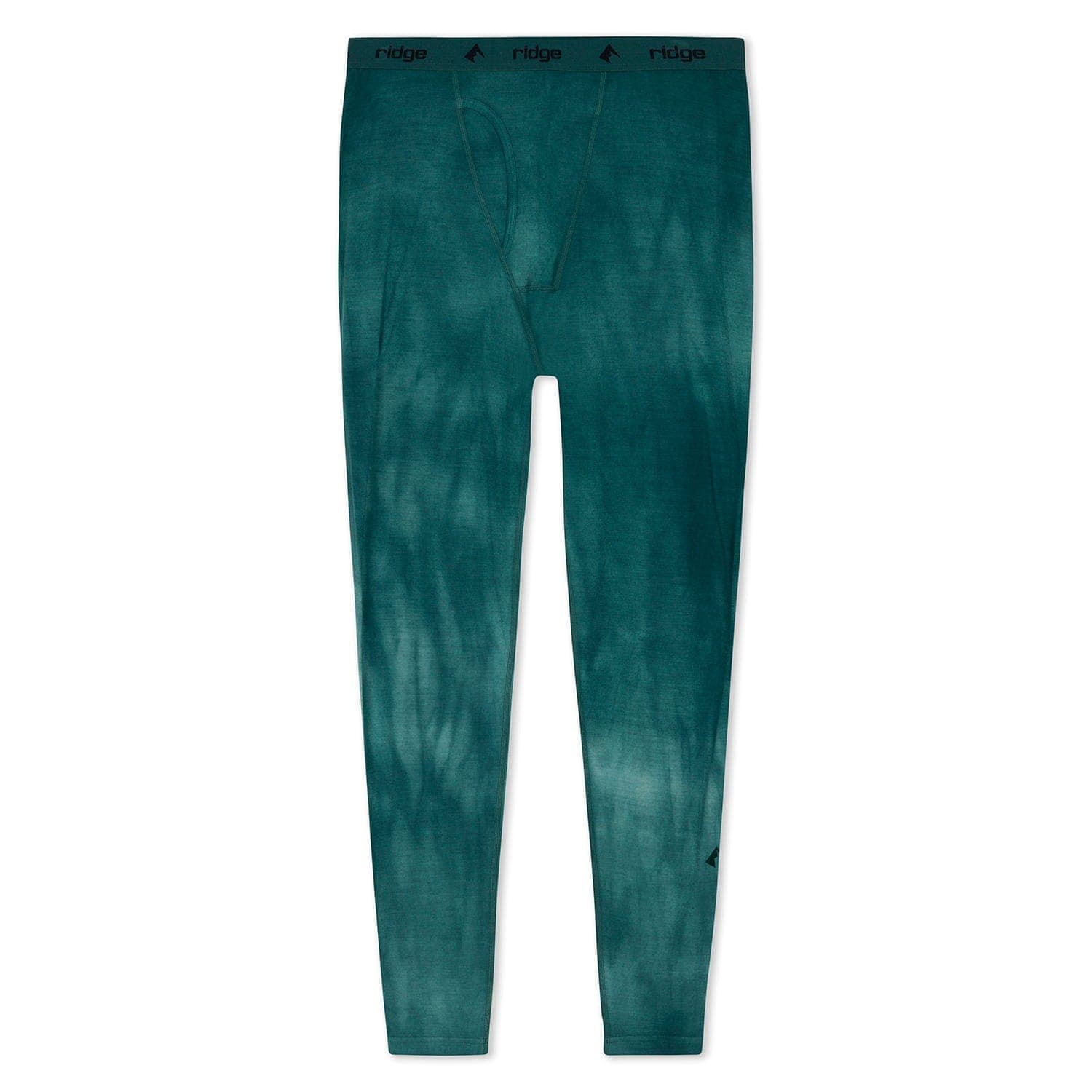
Men's Aspect Midweight Merino Wool Base Layer Bottoms
Brand: Ridge Merino
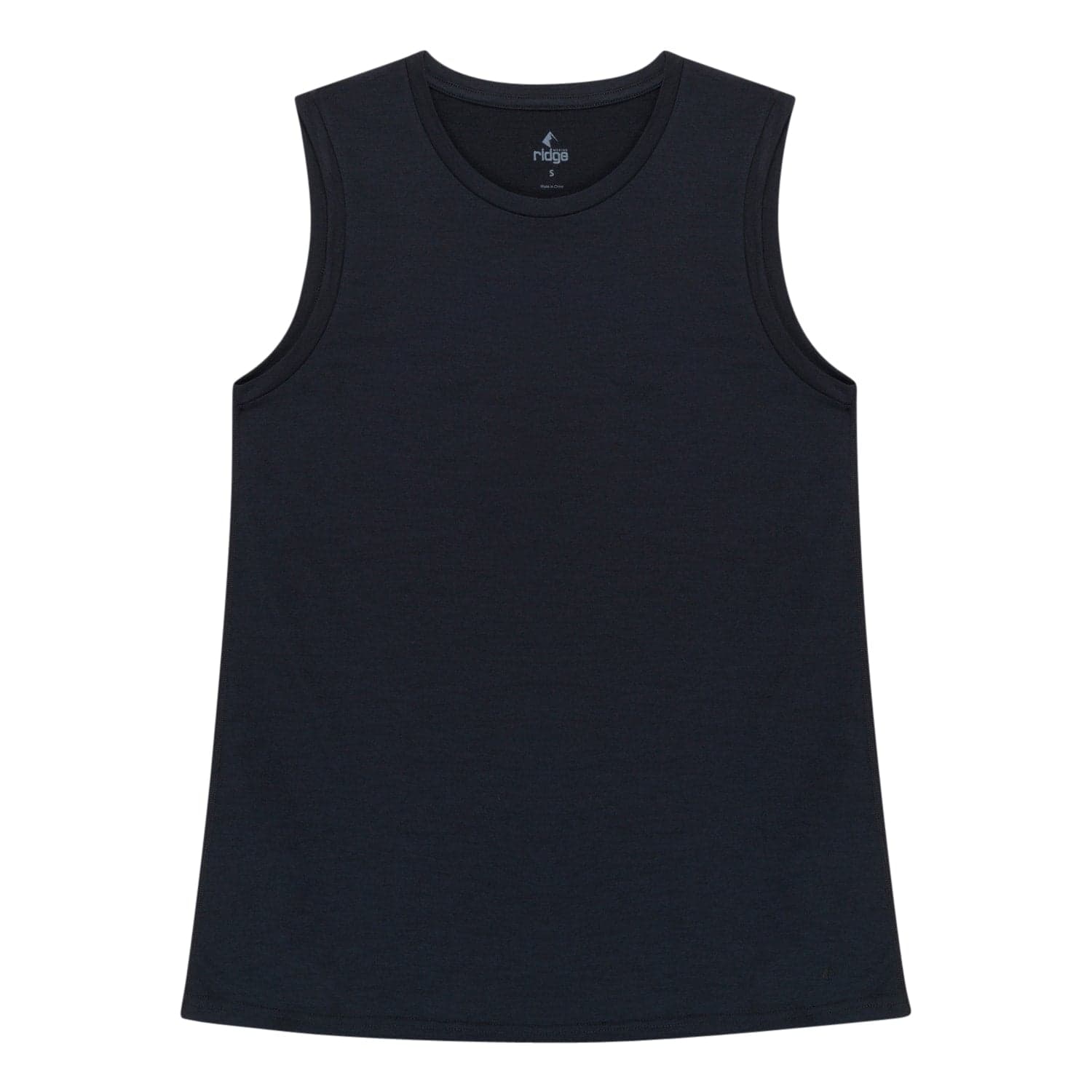
Women's Natural Tencel Merino Wool Tank Top
Brand: Ridge Merino
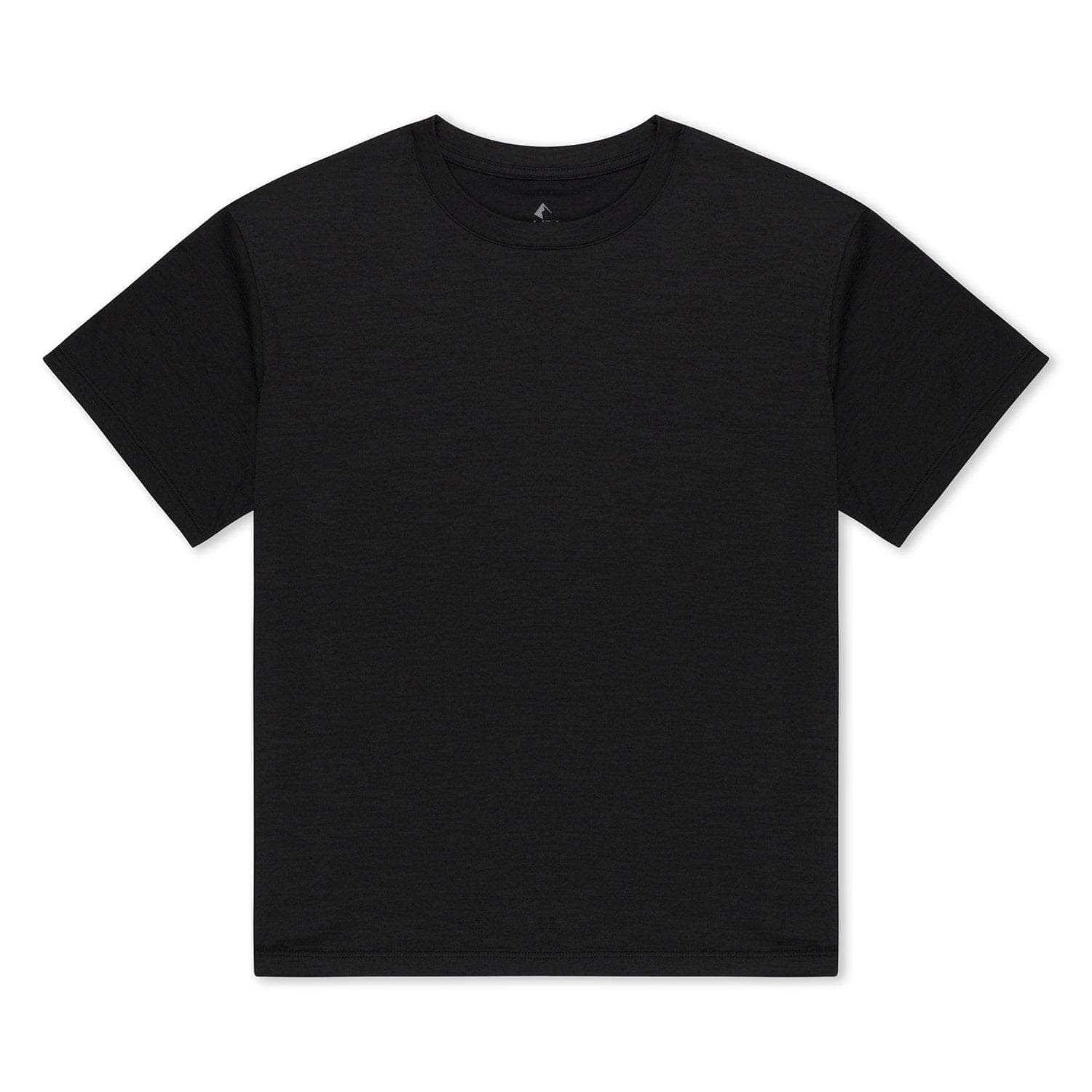
Women's Canopy Merino Tencel T-Shirt
Brand: Ridge Merino
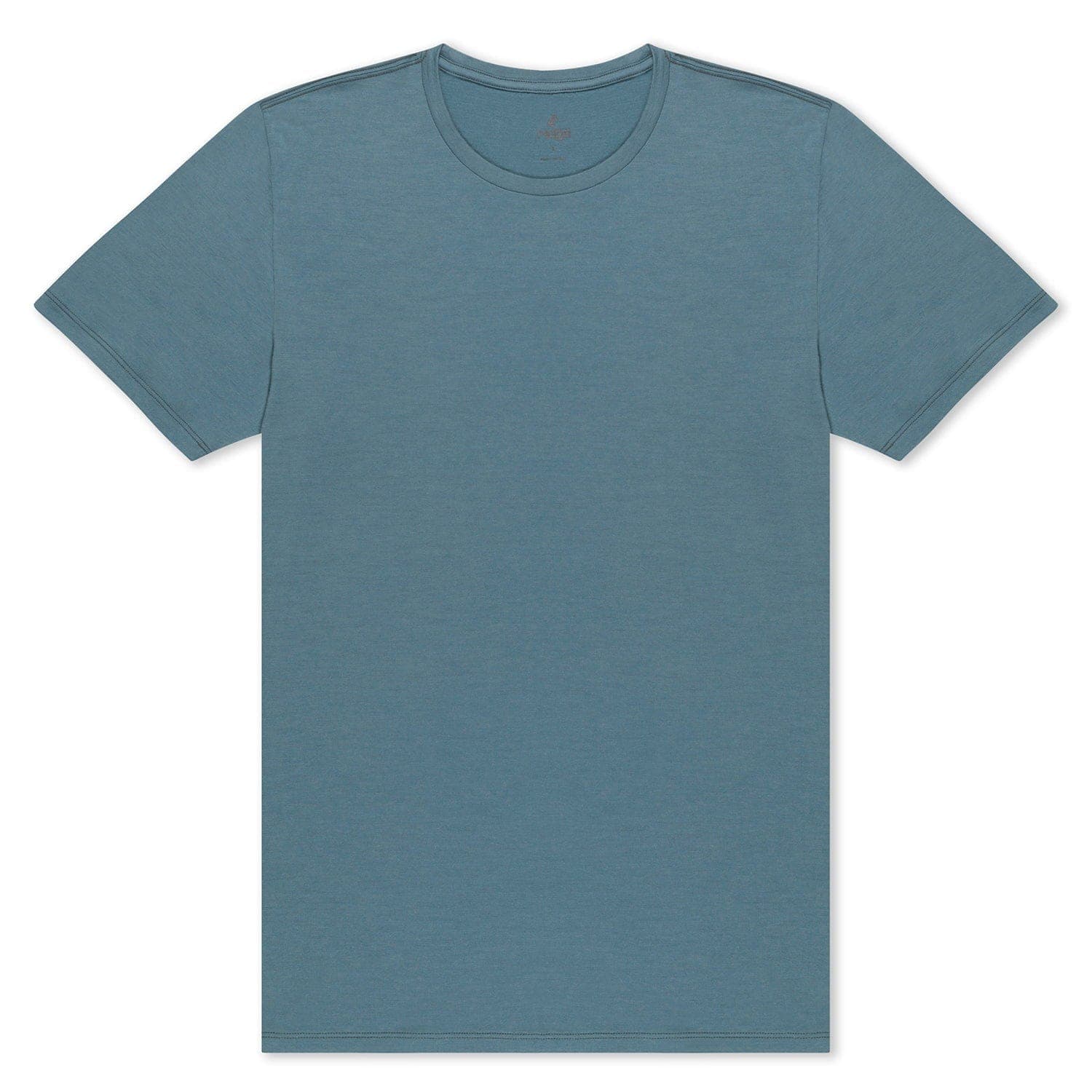
Men's Journey Merino Wool T-Shirt
Brand: Ridge Merino
How these scores are produced
Product scores on this page are produced automatically. We read the composition and certification details a retailer discloses on the product page, match each material to our research database, and apply the published clothing-score process: every product starts at 100; five material factors — microplastics, PFAS, material half-life, production energy, and fiber shedding — apply penalties weighted by how much of the garment that material makes up; a sixth factor, azo dyes, applies to the garment as a whole; and a small adjustment reflects whether any certification was disclosed. GOTS, bluesign, OEKO-TEX Standard 100, and Cradle to Cradle can also mark a product azo-dye-free. We do not lab-test garments. The Analyzed Product Profile then summarizes those product scores. It is not a corporate sustainability score, and it is not the retired LLM brand assessment.
Are you this brand?
If a figure on this page is wrong, send a correction. We aim to respond within 24 hours. A review can temporarily hide a disputed claim; it is not an automatic permanent removal.
Sourced corporate evidence
These are sourced claims, not a corporate score. Missing topics are not assessed, not scored as zero.
Ridge Merino states that it is a family-owned business founded in 2014 and headquartered in Mammoth Lakes, California.
company_disclosure
Ridge Merino states that it prioritizes natural fibers and uses all-natural, renewable, and biodegradable fabrics and materials whenever possible.
company_disclosure
Ridge Merino states that all of its wool comes from non-mulesed sheep and is sustainably sourced from certified humane sheep farmers in Australia and New Zealand.
company_disclosure
Ridge Merino states that most of its products are made with OEKO-TEX Standard 100 certified fabric and that its products are free of harmful substances and forever chemicals.
company_disclosure
Ridge Merino states that it offers in-house repairs and replacement parts to help keep products in use longer.
company_disclosure
Ridge Merino states that it has been a member of 1% for the Planet since opening in 2014 and donates 1% of annual sales to environmental nonprofits.
company_disclosure
Ridge Merino states that its clothing is manufactured through supply-chain partners in Thailand, Vietnam, China, the Philippines, and the United States, and that all of its socks are made in the United States.
company_disclosure
Ridge Merino states that its packaging is kept minimal and uses materials intended to create less waste.
company_disclosure
In an October 5, 2021 company post, Ridge Merino stated that it was working to minimize environmental impact through operational efficiency, natural materials, and carbon offsetting.
company_disclosure
Published 2021-10-05
- Not assessed — Responsible Wool Standard (RWS) certification