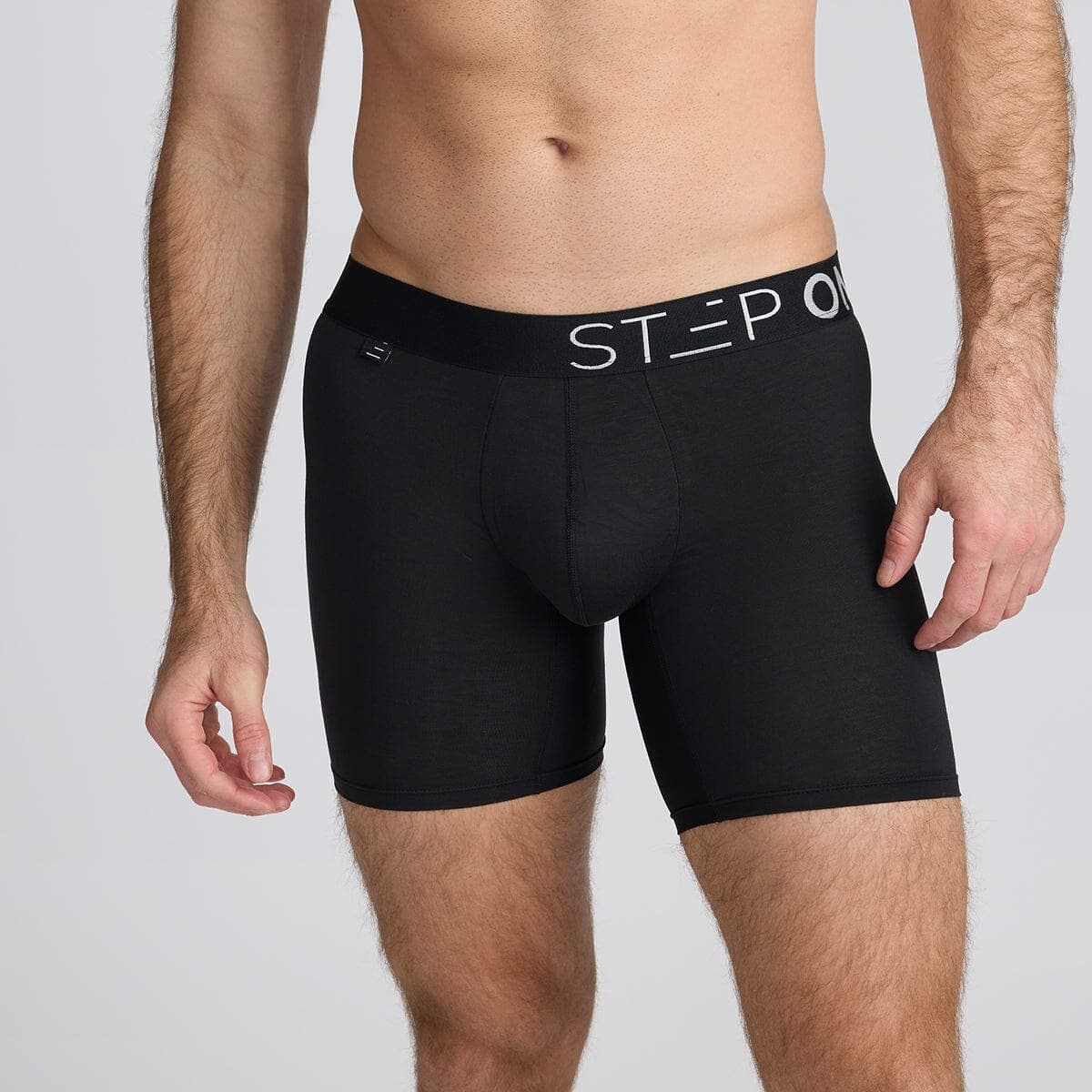
Summary
Step One demonstrates a strong commitment to sustainability and ethical practices, particularly in material sourcing and labor standards. Their use of FSC®-certified bamboo and compostable packaging are notable strengths. To further enhance their sustainability profile, the brand could provide more detailed data on energy consumption, carbon emissions, and implement initiatives promoting product longevity and circularity.
Categories
10 total
Step One has obtained significant certifications, including FSC® Chain of Custody, ensuring responsible sourcing of bamboo. Their factories are accredited by BSCI or SA8000, indicating adherence to high social and labor standards. These certifications reflect a strong commitment to sustainability and ethical practices.
The brand utilizes 100% organically grown and certified bamboo viscose, sourced from FSC®-certified plantations. This approach ensures the bamboo is grown without pesticides and does not contribute to habitat destruction. Their commitment to sustainable materials is commendable.
All Step One factories are accredited by BSCI or SA8000, ensuring fair wages, no child labor, and safe working conditions. This strong commitment to ethical labor practices is a significant strength.
Step One demonstrates a high level of transparency by providing detailed information about their supply chain, including factory accreditations and material sourcing. They have achieved FSC® Chain of Custody certification, ensuring traceability of materials from forest to finished product. However, more detailed public reporting on supply chain audits and third-party verifications could further enhance transparency.
Step One's packaging is made from 100% compostable materials, including PLA derived from corn starch and PBAT. This initiative demonstrates a strong commitment to reducing packaging waste. Further information on waste reduction strategies within their manufacturing processes would be beneficial.
Step One employs biological mold in wastewater treatment, allowing treated water to be used for agricultural irrigation. They also recycle alkali used in processing bamboo chips. While these initiatives are positive, more comprehensive data on water usage and pollution control measures would provide a clearer picture of their environmental impact.
Step One's products are made from plant-based materials, indicating no direct involvement in animal exploitation. However, explicit cruelty-free certifications or policies are not prominently mentioned. Clarifying their stance on animal welfare would strengthen their position in this area.
Specific information regarding Step One's energy efficiency measures and use of renewable energy is limited. While they emphasize sustainable practices, detailed data on energy consumption and renewable energy initiatives would strengthen their sustainability profile.
While Step One emphasizes the durability and quality of their products, specific initiatives promoting product longevity, repair services, or recycling programs are not prominently featured. Implementing such programs could enhance their circularity efforts.
There is limited publicly available information on Step One's overall carbon footprint and greenhouse gas emissions. Providing comprehensive data and setting clear reduction targets would enhance their environmental transparency and accountability.