Greener Closet

WAMA Underwear

Last analyzed: 7/14/2026

Overall score
63/100

Summary

WAMA Underwear demonstrates a strong commitment to sustainability through the use of eco-friendly materials like hemp, various certifications, and sustainable packaging. However, areas such as transparency in labor practices, energy efficiency, and comprehensive environmental impact reporting require further development to enhance the brand's sustainability profile.

Categories

10 total

Animal Welfare and Cruelty-Free
9/10

WAMA is a PETA-Approved Vegan brand, ensuring that all products are free from animal-derived materials and not tested on animals. This strong commitment to animal welfare positions the brand as a leader in this category.

Sustainable Material Sourcing
8/10

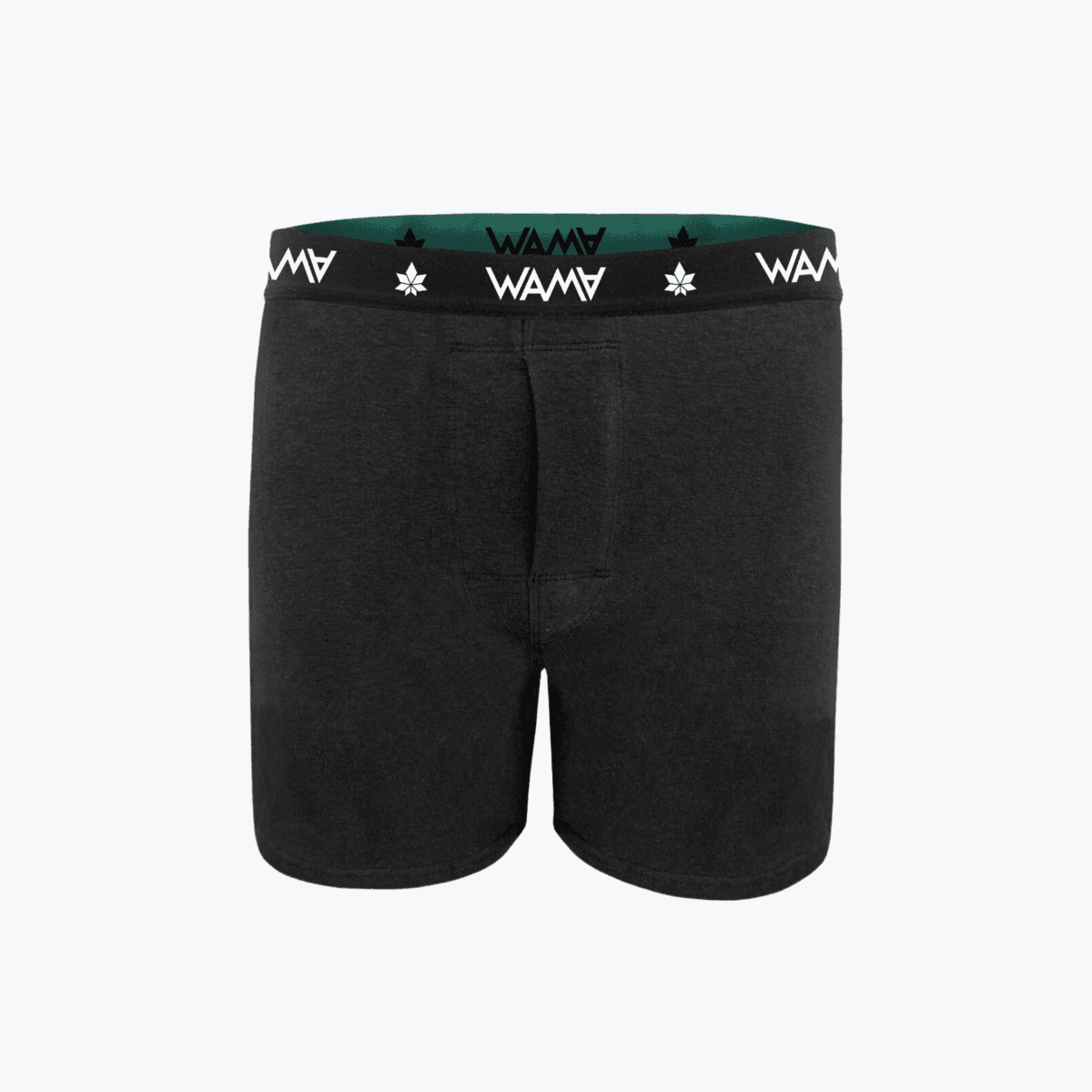
WAMA primarily uses a blend of 53% hemp, 44% organic cotton, and 3% spandex in its products. Hemp is recognized for its sustainability due to low water usage and minimal pesticide requirements. The brand sources hemp from organic farms in China, emphasizing eco-friendly material choices.

Certifications and Standards
7/10

WAMA holds several certifications, including PETA-Approved Vegan, Green America Certified Business, and utilizes OEKO-TEX certified dye facilities. While these certifications affirm the brand's commitment to ethical and sustainable practices, the absence of B Corp certification and formal carbon footprint data indicates room for improvement.

Waste Reduction and Sustainable Packaging
7/10

WAMA utilizes 100% recycled packaging materials, including EcoEnclose poly mailers, recycled boxes, tissue, and stickers, demonstrating a commitment to waste reduction. However, there is no detailed information on internal waste management practices or initiatives aimed at minimizing production waste.

Transparency and Traceability
6/10

WAMA Underwear demonstrates a commitment to transparency by detailing its supply chain, including information about hemp sourcing from organic farms in China and manufacturing processes in BSCI and WRAP-certified factories. However, specific factory names and comprehensive impact reports are not publicly disclosed, limiting full traceability.

Water Conservation and Pollution Control
6/10

Hemp cultivation requires significantly less water compared to conventional cotton, contributing to water conservation. Additionally, WAMA employs low-impact, fiber-reactive dyes that are OEKO-TEX certified, reducing pollution. However, the brand lacks formal reporting on water usage and pollution control measures, limiting a comprehensive assessment.

Circularity and Product Longevity
6/10

Hemp's durability contributes to the longevity of WAMA's products, potentially reducing the need for frequent replacements. However, the brand does not offer take-back programs, recycling initiatives, or detailed information on product end-of-life strategies, indicating limited engagement in circular economy practices.

Energy Efficiency and Renewable Energy
5/10

There is limited publicly available information regarding WAMA's energy efficiency practices or use of renewable energy in its supply chain. While the brand emphasizes sustainable materials and certifications, specific data on energy consumption and renewable energy initiatives are not disclosed.

Ethical Labor Practices and Fair Wages
5/10

WAMA partners with BSCI and WRAP-certified factories, indicating adherence to certain labor standards. A company representative is based in China to oversee production. However, there is no public evidence confirming that workers receive living wages, and transparency regarding labor practices in Vietnam is limited.

Overall Carbon Footprint and Emissions
4/10

WAMA has not published formal data on its carbon footprint or greenhouse gas emissions. While the use of sustainable materials like hemp suggests a lower environmental impact, the absence of quantified emissions data and reduction targets limits the ability to assess the brand's overall carbon footprint.