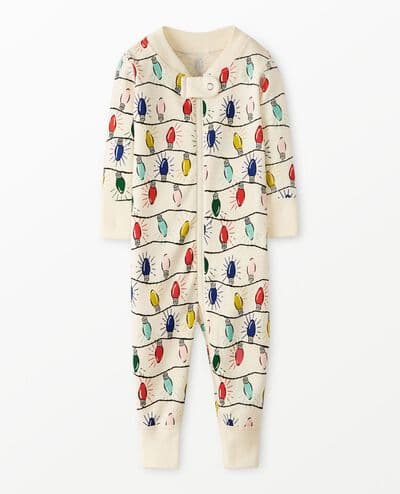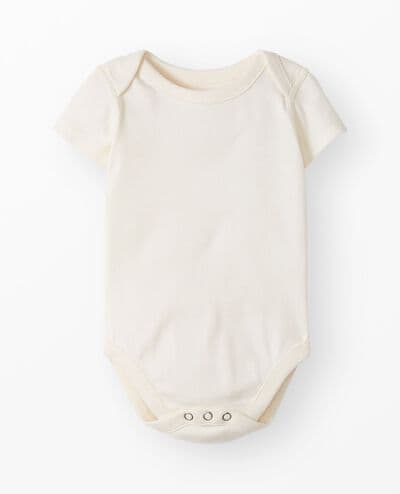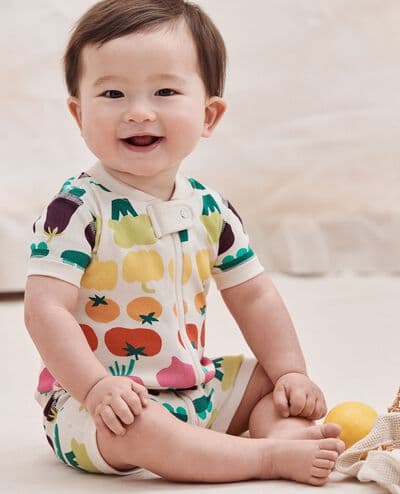
A Guide to Eco-Friendly Baby Clothes
Organization-authored. Editorial policy · Report an error
Eco-friendly baby clothes are garments made and processed with fewer harsh chemicals, pesticides, and dyes. This matters less for the planet and more for what touches your baby's skin. A baby’s skin is thinner, more absorbent, and more sensitive than an adult’s, making the materials they wear a direct factor in their daily chemical exposure.
What People Commonly Assume
It’s reasonable to think that a tag reading “100% Cotton” means you’ve found a safe, natural choice. A fiber from a plant should be better than a synthetic one made from petroleum. But “natural” only tells you where the fiber originated, not what happened to it on its way to becoming a onesie.
The Health Tradeoffs
The journey from raw fiber to a finished garment determines what chemical residues it might carry. Some potential concerns are well-known, while others are less obvious. Context matters.
- Pesticide Residues: Conventional cotton is grown with significant amounts of synthetic pesticides. While the exact amount that remains in a finished garment is uncertain, the initial chemical load is a known factor.
- Processing Chemicals: Turning raw fibers into soft, colorful clothes often involves chlorine bleach, formaldehyde-based "wrinkle-free" finishes, and synthetic dyes. Certain azo dyes can break down over time and release chemicals suspected of being carcinogens.
- Microplastic Shedding: Synthetic fabrics like polyester and fleece shed tiny plastic fibers, especially when washed. These microplastics become part of the dust in your home's air. For a baby crawling on the floor in fleece pajamas, this creates a unique exposure environment right in their breathing zone.
- "Forever Chemicals": Per- and polyfluoroalkyl substances (PFAS) are used for water and stain resistance on items like bibs and outerwear. These chemicals do not break down in the body. This is where the tradeoff becomes less obvious—a PFAS-treated snowsuit worn over other layers is different from a treated bib that a baby might chew on.
The most dangerous chemicals in clothing are often the ones you can’t see or smell.
What to Look for on Labels
Vague terms like “eco-friendly” or “natural” are unregulated marketing words. Specificity is what provides clarity.
- Look for Third-Party Certifications: These are your most reliable tool. The Global Organic Textile Standard (GOTS) certifies that the fabric is at least 95% organic and that the entire production process restricts many harmful chemicals. OEKO-TEX STANDARD 100 tests the final product for a list of several hundred harmful substances, ensuring the item touching your baby's skin is safer.
- Check the Material Composition: Prioritize garments made of 100% GOTS certified organic cotton, especially for items worn directly against the skin for long periods, like pajamas and onesies.
- Be Wary of Performance Claims: Phrases like “wrinkle-resistant” or “stain-repellent” often signal the use of chemical finishing agents you may want to avoid.
- Seek Dye Information: Look for brands that disclose using “low-impact” or “fiber-reactive” dyes. “Undyed and unbleached” is an excellent option.
Key Takeaways
- The primary benefit of eco-friendly baby clothes is reducing your baby's direct exposure to potentially irritating or harmful chemicals.
- "Natural" does not mean non-toxic. The processing of a fiber is as important as its origin.
- Look for third-party certifications like GOTS and OEKO-TEX STANDARD 100 as proof of safety, rather than relying on marketing claims.
- Prioritize safer materials for items with the most skin contact, like onesies and sleepers.
- Your laundry routine—using a fragrance-free detergent and avoiding fabric softeners—is a key part of maintaining a low-chemical environment for your baby.
Limitations and Uncertainty
This analysis is based on available research and certification standards. We have not conducted our own lab testing on specific products. Retailer disclosures on material processing are often incomplete, and research into the long-term health effects of low-dose chemical exposure from textiles is still evolving.
View all the products at Greener Closet that have already been scored