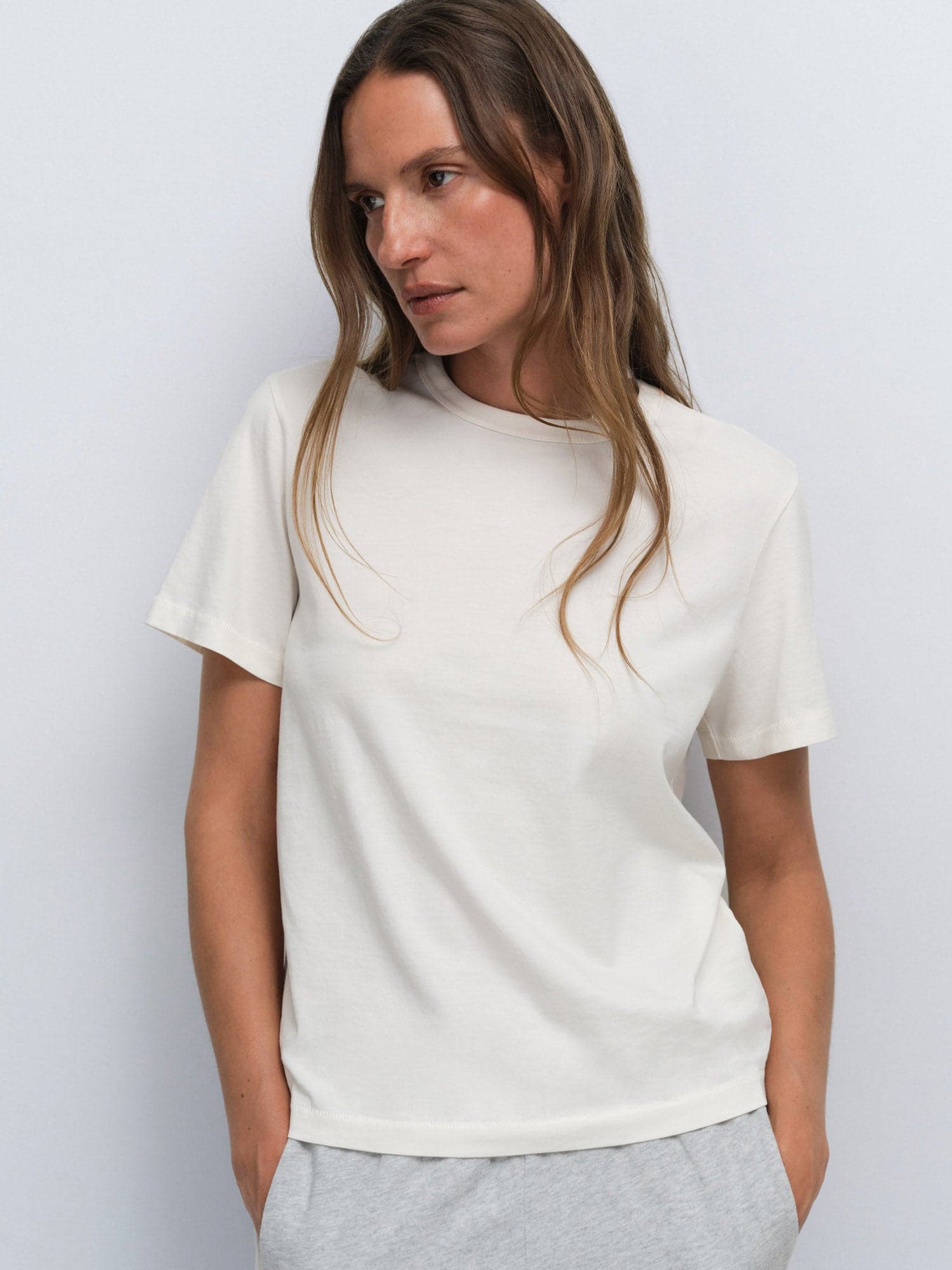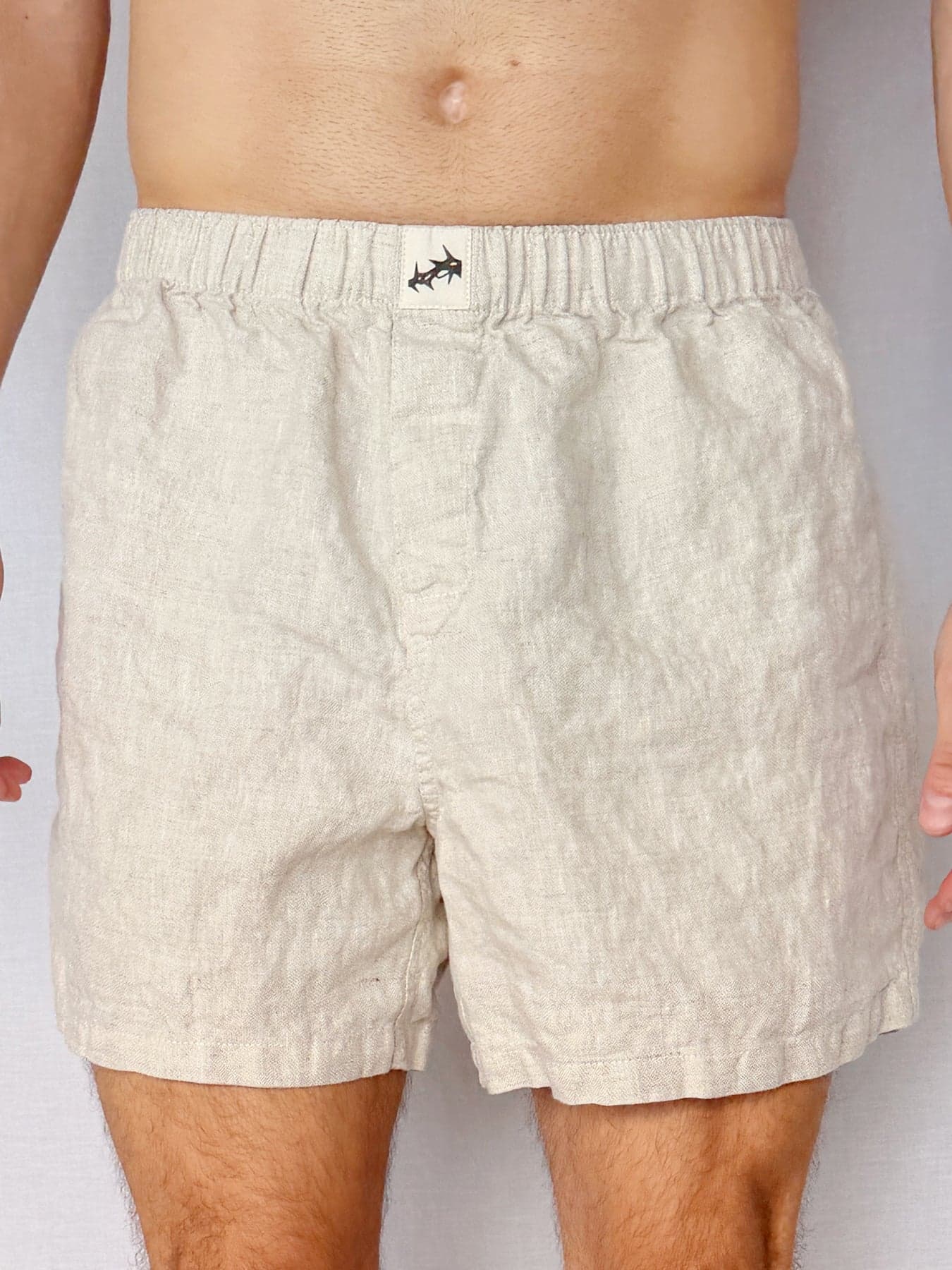
What Is Viscose Fabric and What Is It Made Of?

Viscose is a fabric made from purified wood pulp. This material starts as a natural source—trees—but undergoes an intensive chemical process to become the soft, silk-like textile found in clothing. This is why it’s called a regenerated cellulose fiber. For what touches your skin, it's important to understand this transformation from a rigid plant to a soft garment.
What People Commonly Assume
It’s easy to see why people think viscose is a "natural" fabric. The marketing often highlights its plant-based origins. When you see a tag mentioning trees, you might assume the fabric is as wholesome as cotton, made through a simple mechanical process.
That understanding isn't quite right. While the source is natural, the journey from wood to wardrobe is heavily industrial.
The Tradeoffs of Viscose
When considering viscose, the tradeoffs matter. It's not a simple case of good or bad; it's about weighing comfort against potential health and environmental concerns.
-
Human Health: The primary health concern relates to the manufacturing process. Conventional viscose production uses harsh chemicals, including carbon disulfide, a known neurotoxin. While modern finishing processes aim to remove these, residual traces may remain on the final garment. For people with chemical sensitivities, this is a potential concern.
-
Everyday Comfort: Viscose is exceptionally soft, breathable, and drapes beautifully, making it very comfortable for clothing worn close to the skin. Think of a favorite blouse or a summer dress that keeps you cool—its moisture-wicking properties are a key benefit.
-
Environmental Impact: The production of conventional viscose can be highly polluting if chemical waste isn't managed in a closed-loop system. There is also the risk of deforestation if the wood pulp is not sourced from responsibly managed forests. However, unlike polyester, viscose is biodegradable and does not shed plastic microfibers.
This is where the tradeoff becomes less obvious. A fabric can feel wonderful, come from plants, and biodegrade, yet its production process can cause significant harm.
The Production Process: From Wood to Fabric
The journey from a tree to a t-shirt is complex. You might see a diagram showing a tree on one end and a shirt on the other, but the middle part is what holds the real story. That unknown step involves a heavy-duty chemical process.
The goal is to extract and repurpose vegetable cellulose, the structural component of plants. To do this, manufacturers use a sequence of powerful chemicals.
-
Creating Alkali Cellulose: Purified wood pulp is steeped in sodium hydroxide (caustic soda), causing the cellulose to swell.
-
Forming the Viscose Solution: The pulp is then treated with carbon disulfide, a toxic and volatile chemical, which transforms it into a thick, honey-colored liquid. This is the "viscose" solution that gives the fabric its name.
-
Spinning Fibers: This liquid is forced through a spinneret—like a showerhead—into a bath of sulfuric acid.
-
Finishing: The acid bath solidifies the liquid streams into solid cellulose filaments. These new fibers are then stretched, washed, and cut, ready to be spun into yarn.
What is known is that carbon disulfide is a neurotoxin linked to severe health problems for factory workers. What is suspected is that poor manufacturing controls can lead to worker exposure and environmental contamination. The most alarming reports from the last century detail neurological and psychological damage in unprotected factory workers, a direct consequence of exposure.
What to Look For on Labels
You don’t have to avoid viscose entirely. Instead, an informed decision depends on knowing how to spot responsibly made versions.

Here's what to look for on product pages or clothing tags:
-
Branded Fibers: This is the most important signal of a cleaner process. Look for brand names like TENCEL™ (which includes Lyocell and Modal) or LENZING™ ECOVERO™. These are made using a closed-loop system that recycles over 99% of the solvents and water, keeping toxins out of the environment.
-
Forest Certifications: Ensure the wood pulp comes from responsibly managed forests. The Forest Stewardship Council (FSC) certification is the leading standard for this.
Choosing certified fibers like these is a practical way to enjoy the feel of viscose without the heavy health and environmental price tag of conventional production.
Key Takeaways
-
Viscose is a regenerated cellulose fiber made from wood pulp through an intensive chemical process.
-
The primary health concern stems from the toxic chemicals used in conventional manufacturing, which can affect factory workers and potentially leave residues on clothing.
-
Context matters—while viscose is biodegradable and feels soft, its production method determines its true impact.
-
Look for certified, branded fibers like TENCEL™ or LENZING™ ECOVERO™ and FSC-certified wood sources to make a better choice.
Limitations and Uncertainty
This analysis is based on publicly available data and research. We did not perform independent lab testing for chemical residues on garments. Retailer disclosure on fiber sourcing and production methods is often incomplete, making it difficult to assess uncertified products. Research on the long-term, low-dose effects of wearing fabrics with chemical residues is still evolving.
At Greener Closet, we analyze these details to help you find healthier, lower-impact options.