
Analyzed Product Profile
Coyuchi
This Analyzed Product Profile is based on 130 distinct analyzed products in the Greener Closet catalogue. Median, range, and material mix are computed from those products' disclosed composition. They are not a corporate sustainability score.
Sample and scores
124 distinct products of 130 carry a score. Median, range, and the score bands describe those products only.
Most common materials
Counted by distinct product, not fiber percentage. One product can appear in several rows.
| Material | Products |
|---|---|
| Cotton | 99 |
| Organic Cotton | 16 |
| Linen | 13 |
| Wool | 10 |
| Natural Rubber | 2 |
| Natural Wool | 2 |
Category mix
| Category | Products |
|---|---|
| Duvet Covers | 35 |
| Blankets | 30 |
| Towels | 20 |
| Sheets | 13 |
| Pillowcases | 7 |
| Babywearing | 6 |
Highest-scoring analyzed products
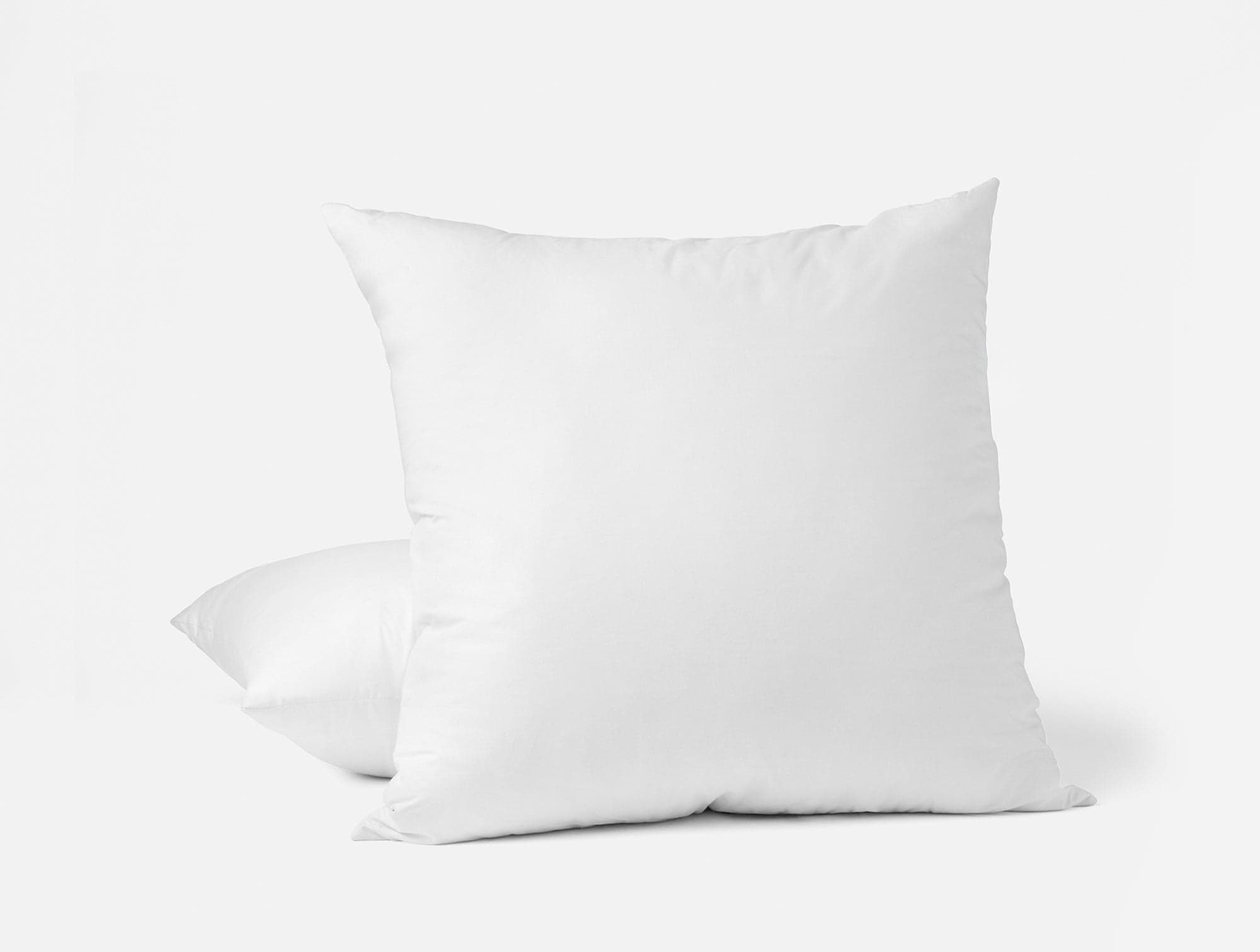
Recycled Down Feather Throw Pillow Insert
Brand: Coyuchi
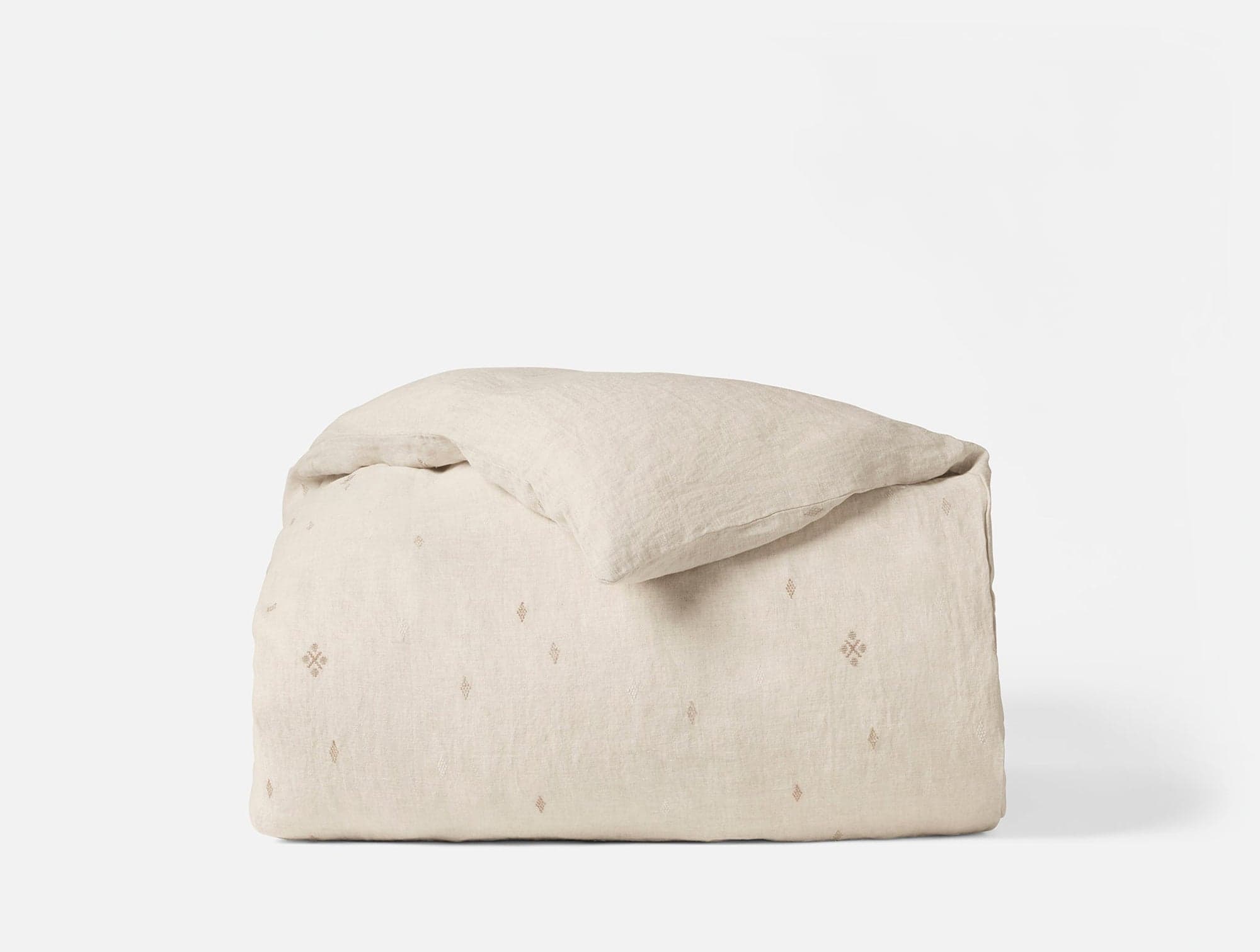
Cambria Embroidered Organic Linen Duvet Cover
Brand: Coyuchi
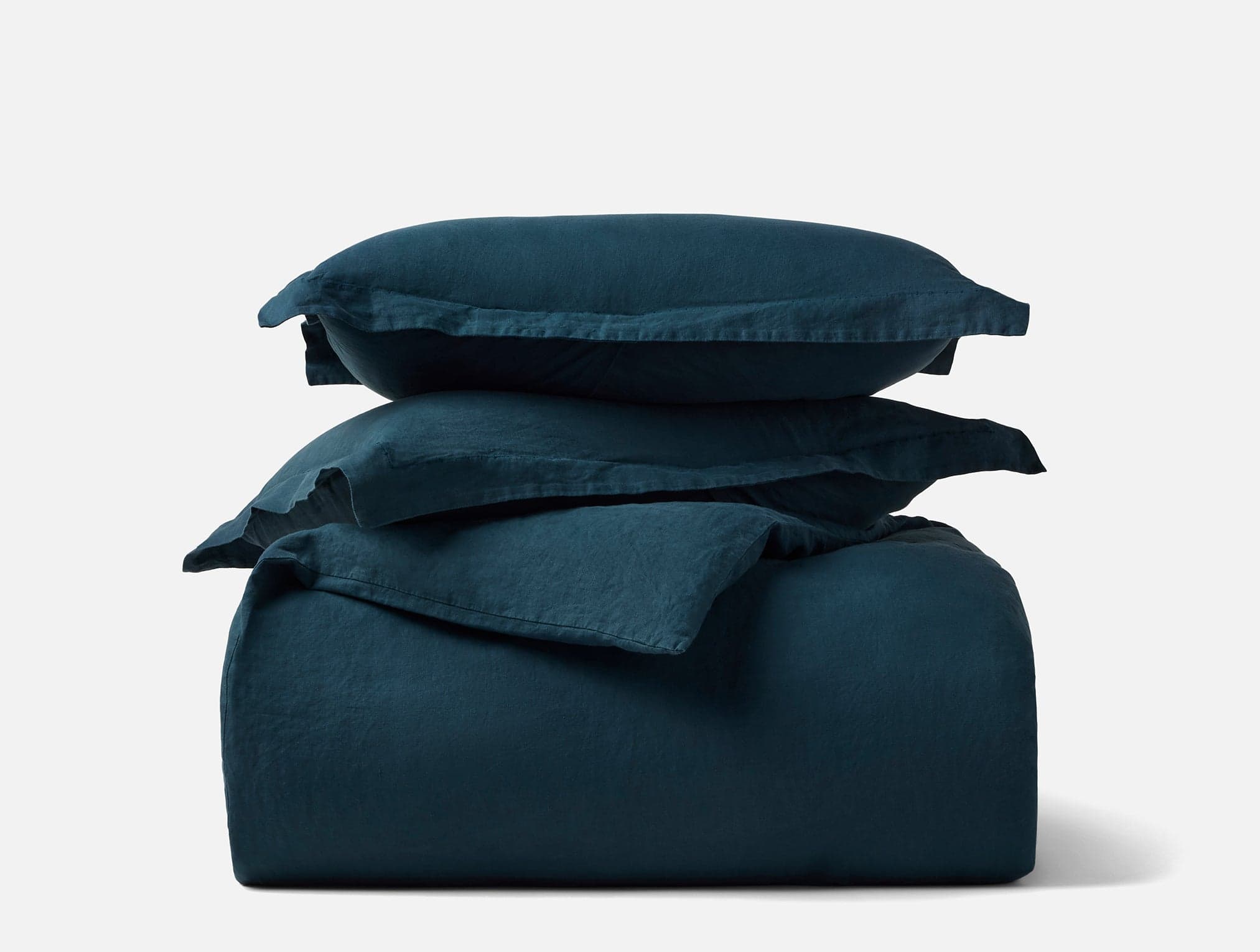
Organic Relaxed Linen Duvet Set
Brand: Coyuchi
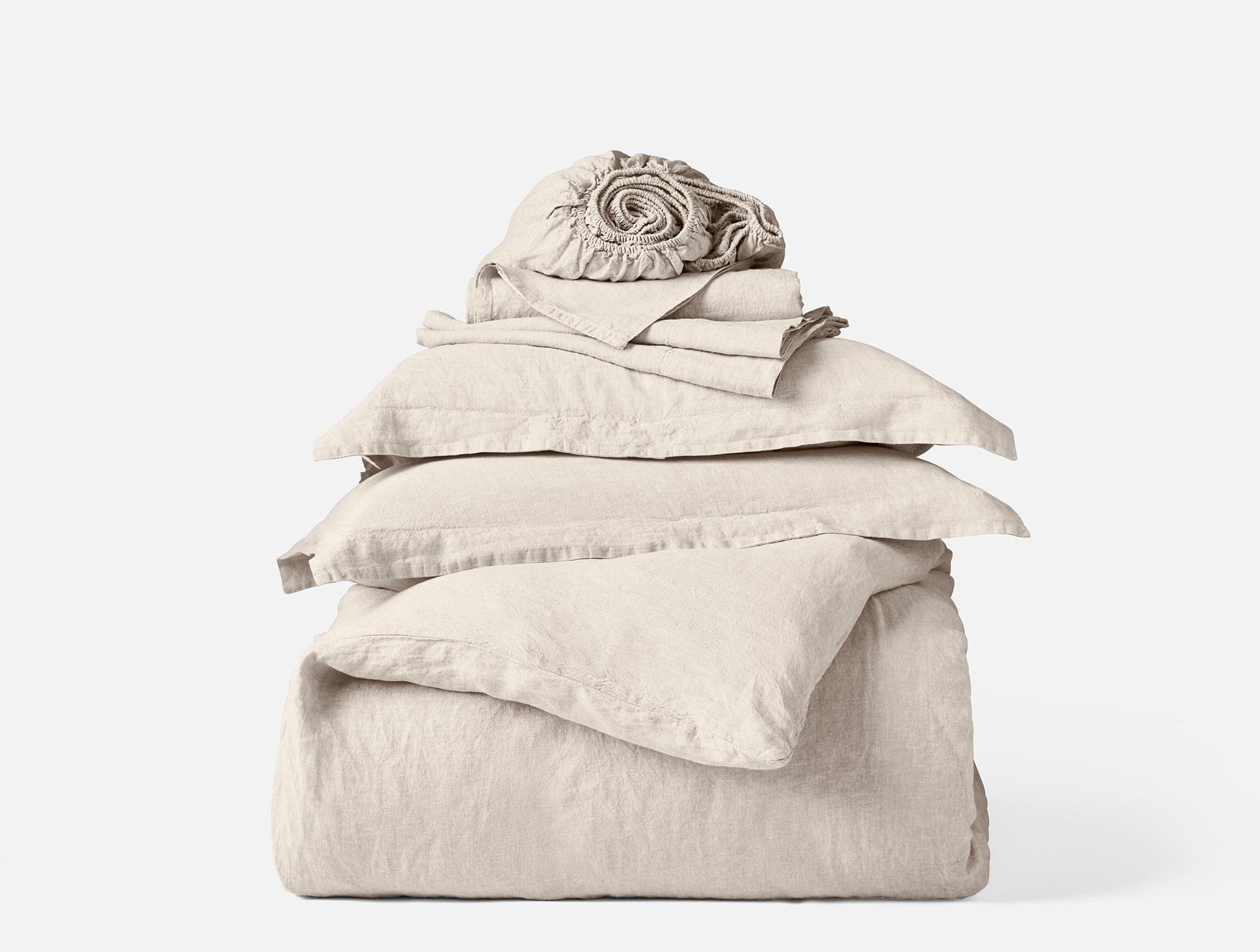
Organic Relaxed Linen Complete Bed Bundle
Brand: Coyuchi

Organic Relaxed Linen Sheet Set
Brand: Coyuchi
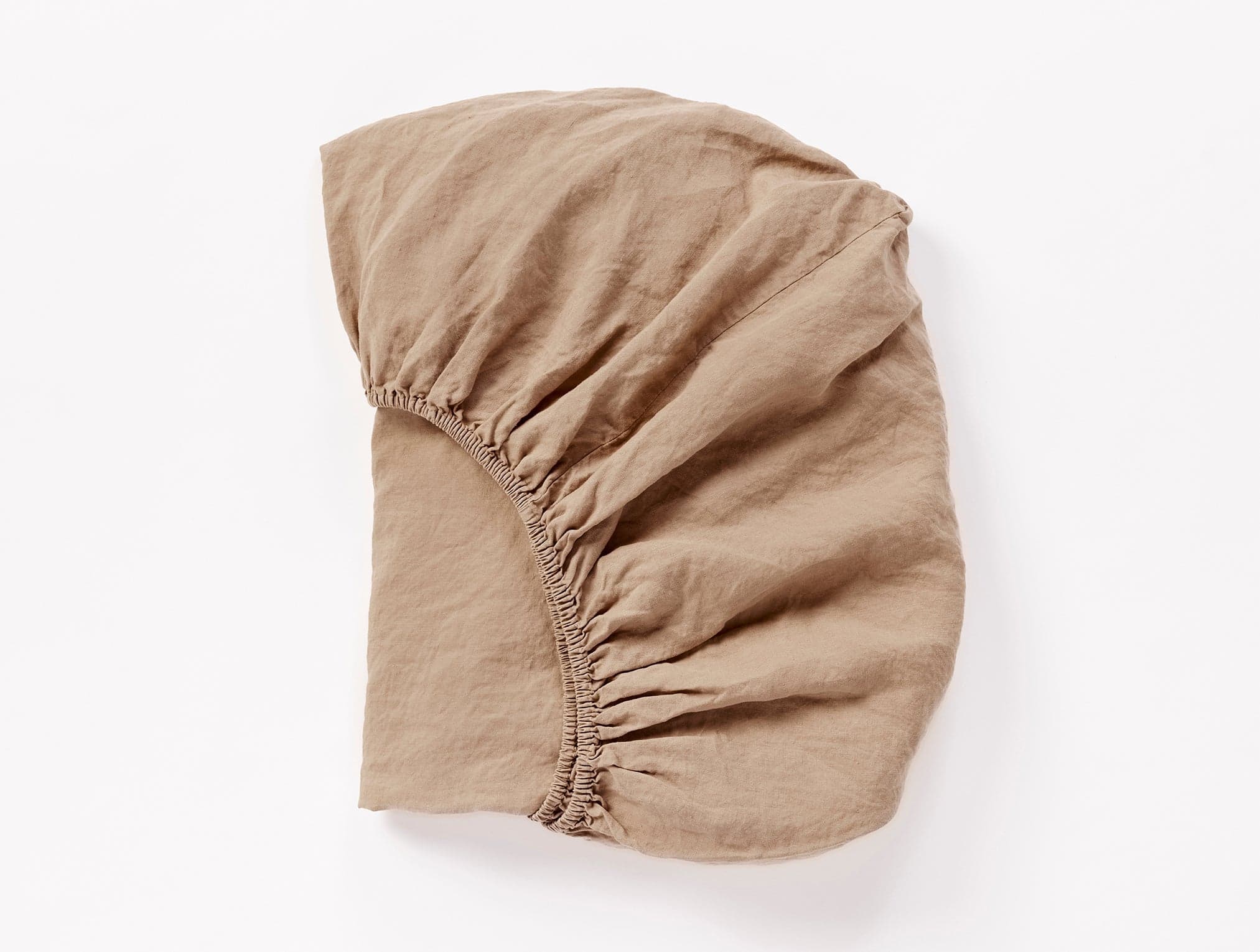
Organic Relaxed Linen Fitted Sheet
Brand: Coyuchi
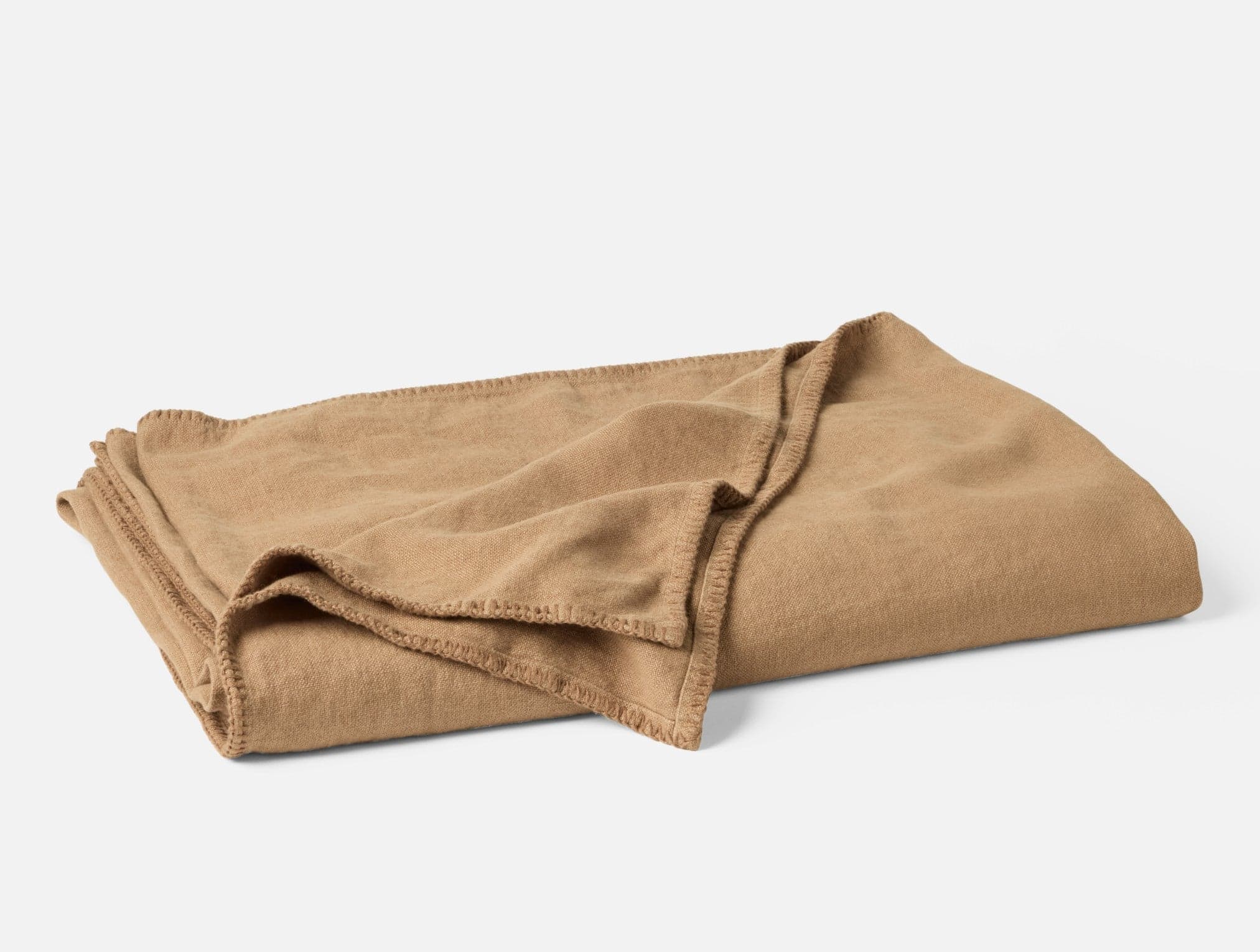
Helena Organic Linen Coverlet
Brand: Coyuchi
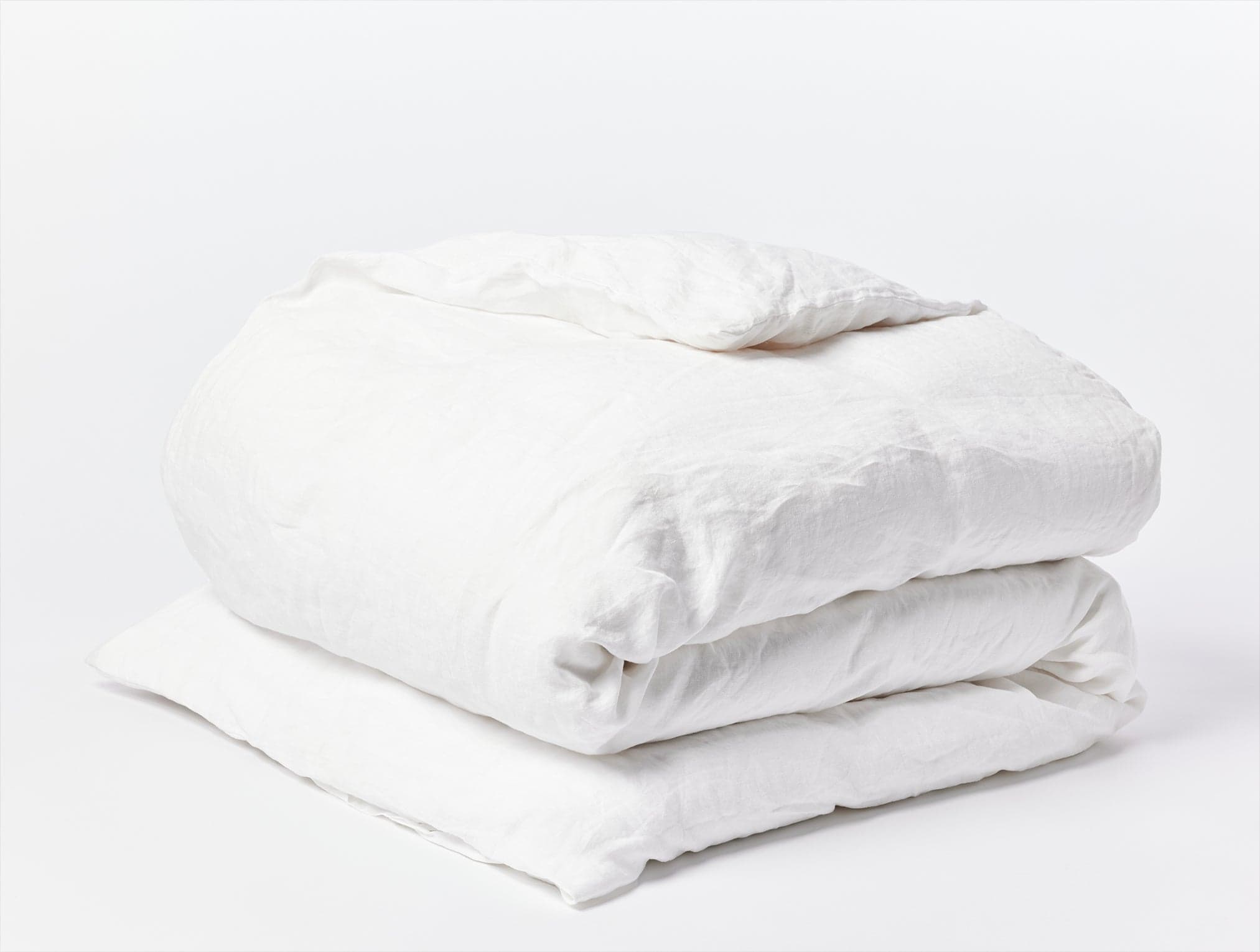
Organic Relaxed Linen Duvet Cover
Brand: Coyuchi
How these scores are produced
Product scores on this page are produced automatically. We read the composition and certification details a retailer discloses on the product page, match each material to our research database, and apply the published clothing-score process: every product starts at 100; five material factors — microplastics, PFAS, material half-life, production energy, and fiber shedding — apply penalties weighted by how much of the garment that material makes up; a sixth factor, azo dyes, applies to the garment as a whole; and a small adjustment reflects whether any certification was disclosed. GOTS, bluesign, OEKO-TEX Standard 100, and Cradle to Cradle can also mark a product azo-dye-free. We do not lab-test garments. The Analyzed Product Profile then summarizes those product scores. It is not a corporate sustainability score, and it is not the retired LLM brand assessment.
Are you this brand?
If a figure on this page is wrong, send a correction. We aim to respond within 24 hours. A review can temporarily hide a disputed claim; it is not an automatic permanent removal.
Sourced corporate evidence
These are sourced claims, not a corporate score. Missing topics are not assessed, not scored as zero.
Coyuchi states that products carrying the Global Organic Textile Standard (GOTS) certification contain at least 95% organic fiber and are subject to requirements covering chemical use, environmental practices, and working conditions across the textile supply chain.
company_disclosure
Coyuchi states that its Fair Trade Certified partners provide traceable and transparent supply chains and support sustainable livelihoods; Coyuchi also says it pays the Fair Trade premium for each Fair Trade Certified product.
company_disclosure
Coyuchi reported that, for January–December 2020, 99% of its product was Global Organic Textile Standard certified and 100% of products were made from natural fibers.
company_disclosure
Published 2022-02-07
Coyuchi announced goals of reaching net-zero emissions by 2025 and net-positive emissions by 2030.
company_disclosure
Published 2022-02-07
Coyuchi reported investing in carbon-farming practices on more than 6,000 acres in California, based on its 2020 impact reporting.
company_disclosure
Published 2022-02-07
Coyuchi states that its Coyuchi For Life and Coyuchi 2nd Home programs accept used Coyuchi textiles for renewal, resale, upcycling, or recycling.
company_disclosure
Coyuchi states that, between 2014 and 2020, it contributed more than $106,000 in Fair Trade premiums and related additional funds to cotton farmers, factory workers, and community-support projects.
company_disclosure
Published 2022-09-26
Coyuchi states that its new loungewear collection, introduced in September 2025, is made from 100% GOTS-certified organic Pima cotton.
company_disclosure
Published 2025-09-04
Coyuchi states that its Solstice Collection is made from GOTS-, Fair Trade-, and MADE SAFE-certified organic cotton and is produced in a factory that recycles 98% of its wastewater.
company_disclosure
Published 2022-04-11
- Not assessed — Achievement of Coyuchi's announced net-zero emissions by 2025 and net-positive emissions by 2030 goals
- Not assessed — Coyuchi's current, company-wide material composition, certification coverage, emissions, energy, water, labour, or animal-welfare performance