
Analyzed Product Profile
Fashion Nova
This Analyzed Product Profile is based on 10 distinct analyzed products, a small catalogue sample. Median, range, and material mix describe those products only — not Fashion Nova as a whole.
Sample and scores
Most common materials
Counted by distinct product, not fiber percentage. One product can appear in several rows.
| Material | Products |
|---|---|
| Spandex | 7 |
| Polyester | 5 |
| Cotton | 4 |
| Rayon | 2 |
| Hemp | 1 |
| Lyocell | 1 |
Category mix
| Category | Products |
|---|---|
| Denim | 3 |
| Jumpsuits and Rompers | 3 |
| Dresses | 2 |
| Pants | 2 |
Highest-scoring analyzed products
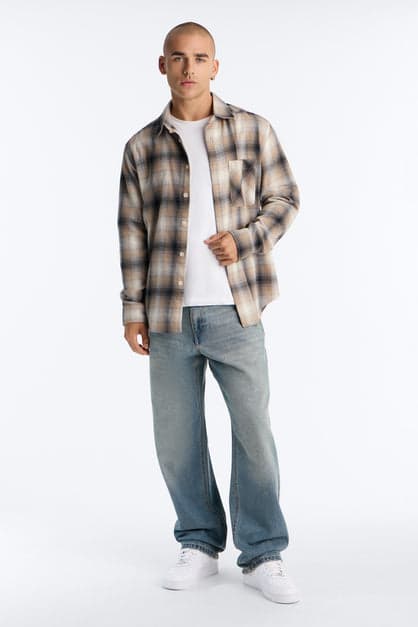
Essential Relaxed Rigid Jean
Brand: Fashion Nova
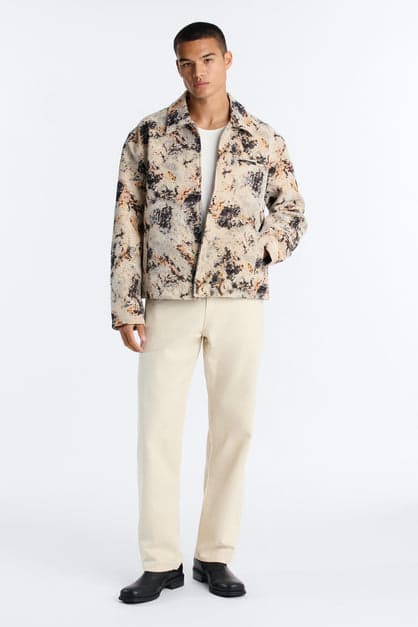
Essential Straight Rigid Jean
Brand: Fashion Nova
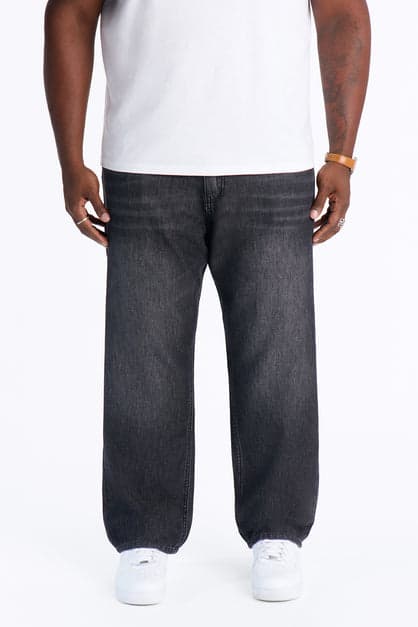
Everyday Hemp Straight Jean
Brand: Fashion Nova
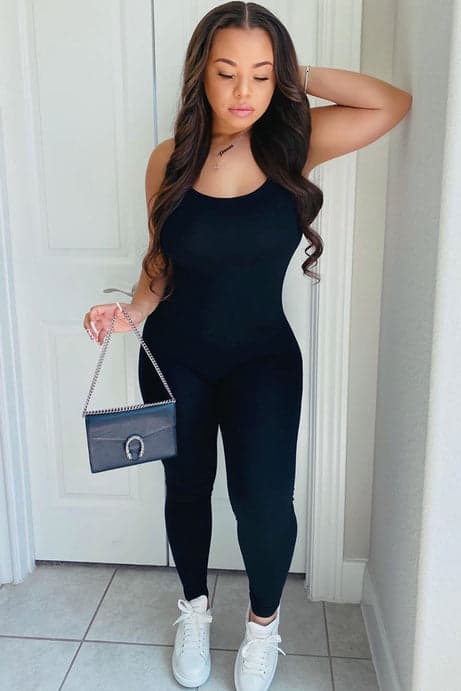
Nova Season Jumpsuit - Black
Brand: Fashion Nova
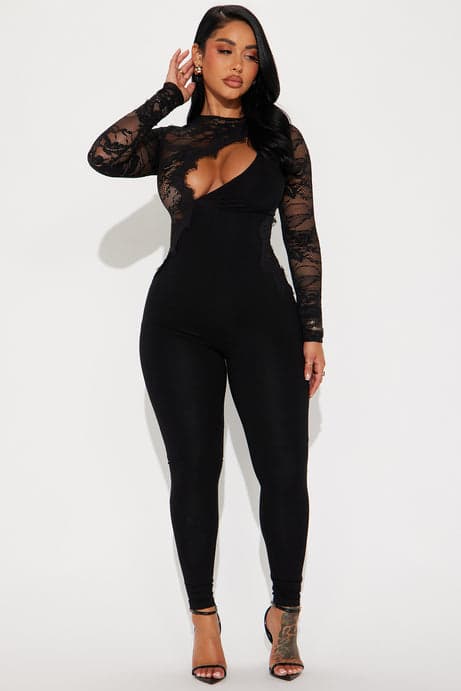
I Am Forever Yours Jumpsuit
Brand: Fashion Nova
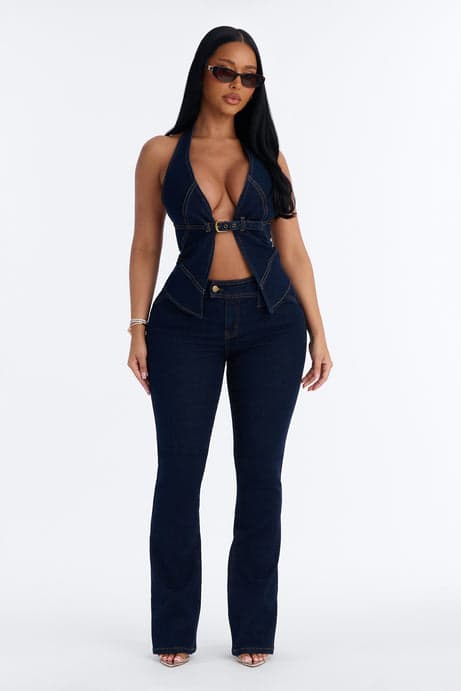
Hit It Compression Stretch Bootcut Jeans
Brand: Fashion Nova
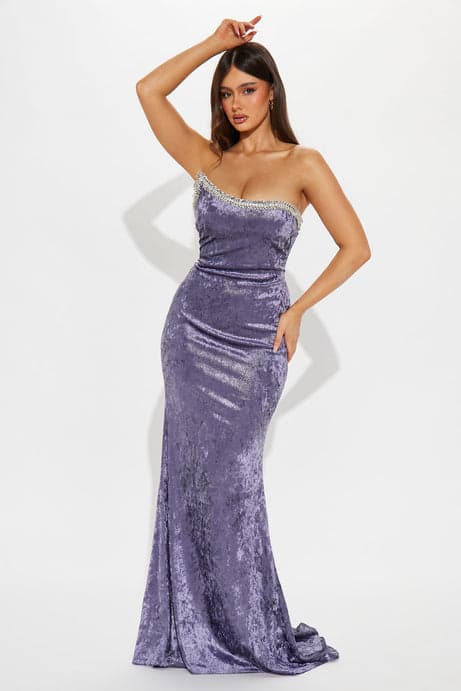
Lana Printed Velvet Gown - Purple
Brand: Fashion Nova
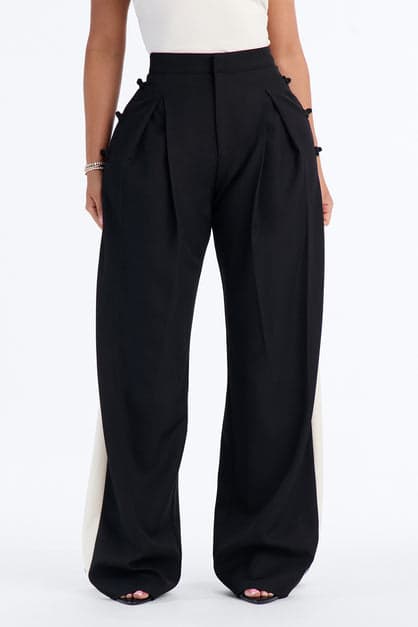
Serina Side Stripe Embellished Wide Leg Trouser
Brand: Fashion Nova
How these scores are produced
Product scores on this page are produced automatically. We read the composition and certification details a retailer discloses on the product page, match each material to our research database, and apply the published clothing-score process: every product starts at 100; five material factors — microplastics, PFAS, material half-life, production energy, and fiber shedding — apply penalties weighted by how much of the garment that material makes up; a sixth factor, azo dyes, applies to the garment as a whole; and a small adjustment reflects whether any certification was disclosed. GOTS, bluesign, OEKO-TEX Standard 100, and Cradle to Cradle can also mark a product azo-dye-free. We do not lab-test garments. The Analyzed Product Profile then summarizes those product scores. It is not a corporate sustainability score, and it is not the retired LLM brand assessment.
Are you this brand?
If a figure on this page is wrong, send a correction. We aim to respond within 24 hours. A review can temporarily hide a disputed claim; it is not an automatic permanent removal.
Sourced corporate evidence
These are sourced claims, not a corporate score. Missing topics are not assessed, not scored as zero.
Fashion Nova’s official About Us page states that the brand began with one Los Angeles store in 2006 and describes Fashion Nova as delivering clothing and fashion products globally.
company_disclosure
Fashion Nova’s California Transparency in Supply Chains Act statement says the company has a zero-tolerance policy for forced labor and child labor and is committed to ensuring that its supply chain reflects respect for human rights.
company_disclosure
The Federal Trade Commission states that Fashion Nova agreed to pay $4.2 million in a settlement concerning allegations that it blocked or suppressed negative product reviews.
regulator
Published 2022-01-25
The Federal Trade Commission states that Fashion Nova’s 2020 settlement involved consumer refunds related to orders for products that were not shipped as promised, where customers were allegedly issued gift cards instead of refunds to their original payment methods.
regulator
The U.S. Department of Justice describes Fashion Nova Inc. as a California-based apparel retailer in connection with litigation alleging that its online clothing website was inaccessible to blind users and users with low vision; the case was described as pending as of February 6, 2026.
regulator
Published 2026-02-06
- Not assessed — Carbon emissions, energy use, and climate targets
- Not assessed — Water use, wastewater, or water targets
- Not assessed — Worker wages, working hours, freedom of association, or supply-chain audit results
- Not assessed — Animal welfare, preferred fibers, recycled materials, or restricted substances