
Analyzed Product Profile
Gap
This Analyzed Product Profile is based on 14 distinct analyzed products, a small catalogue sample. Median, range, and material mix describe those products only — not Gap as a whole.
Highest-scoring analyzed products
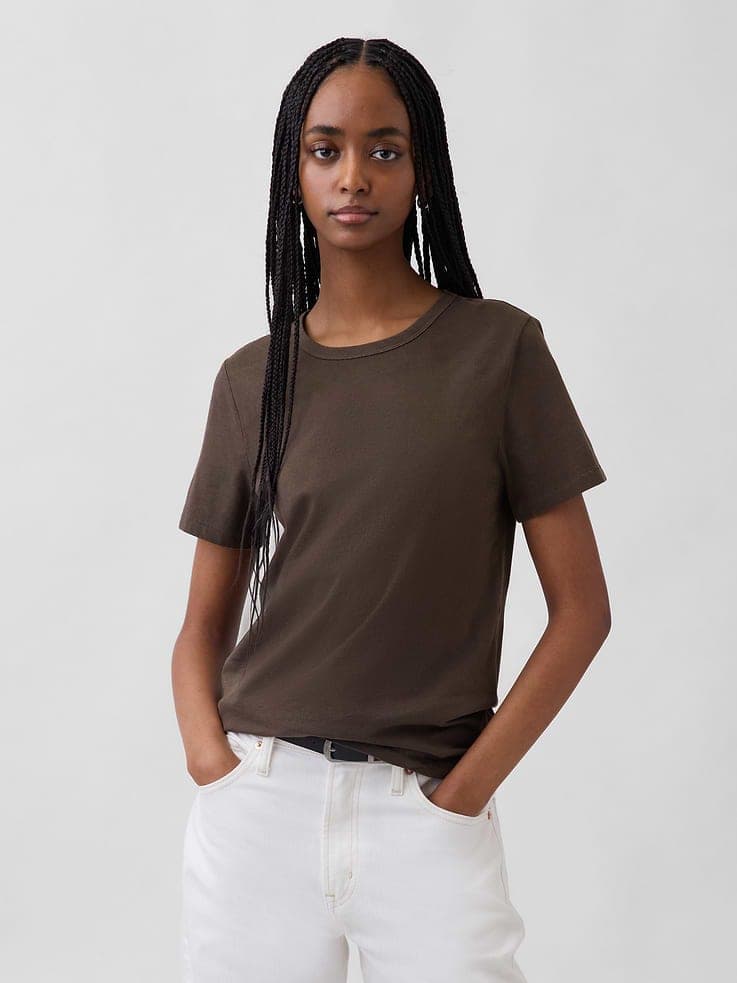
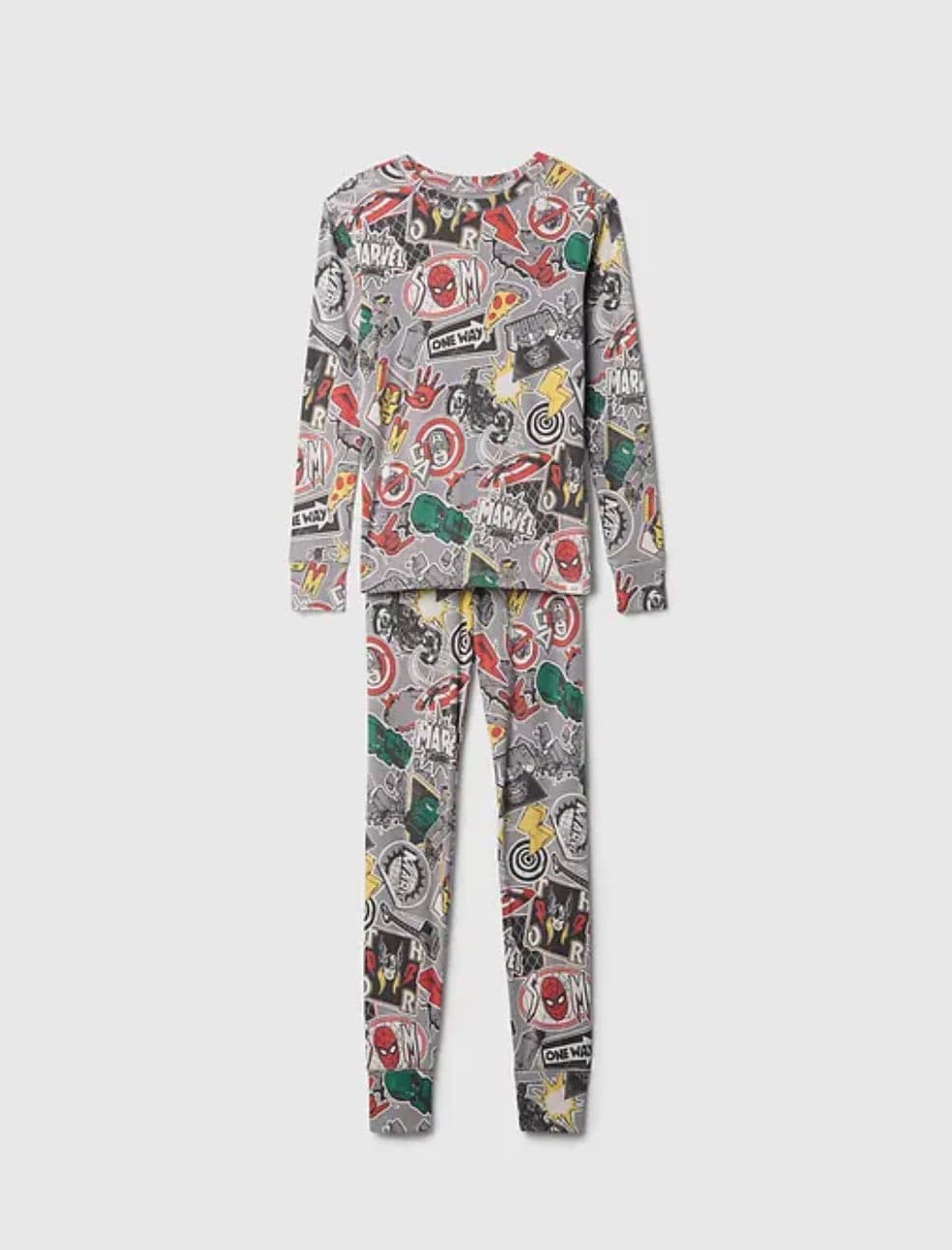
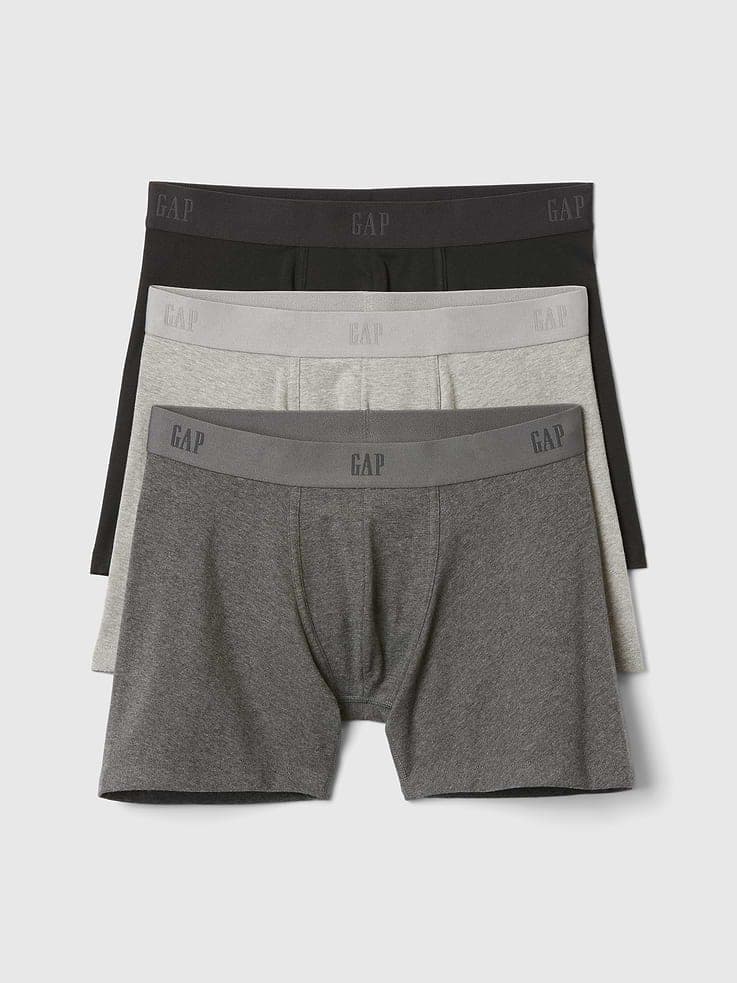
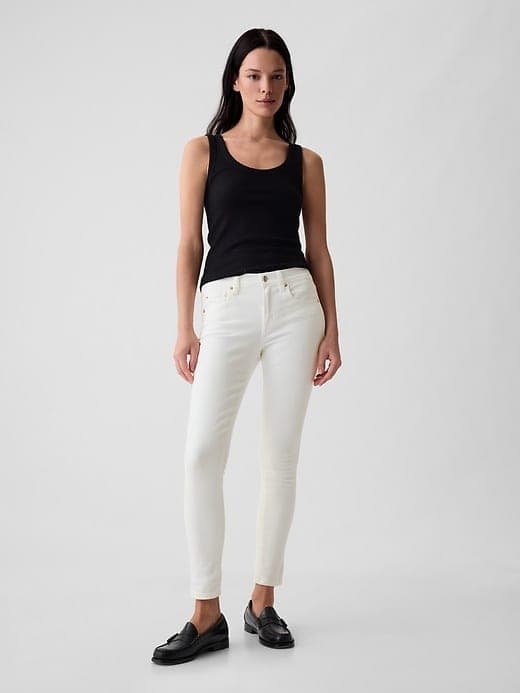
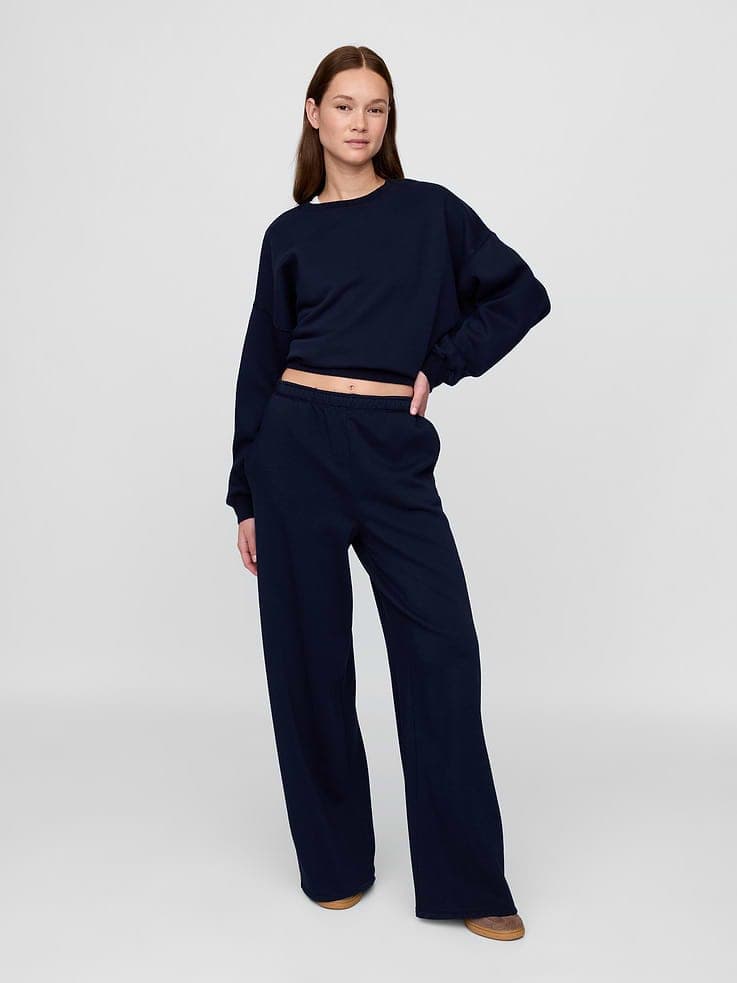
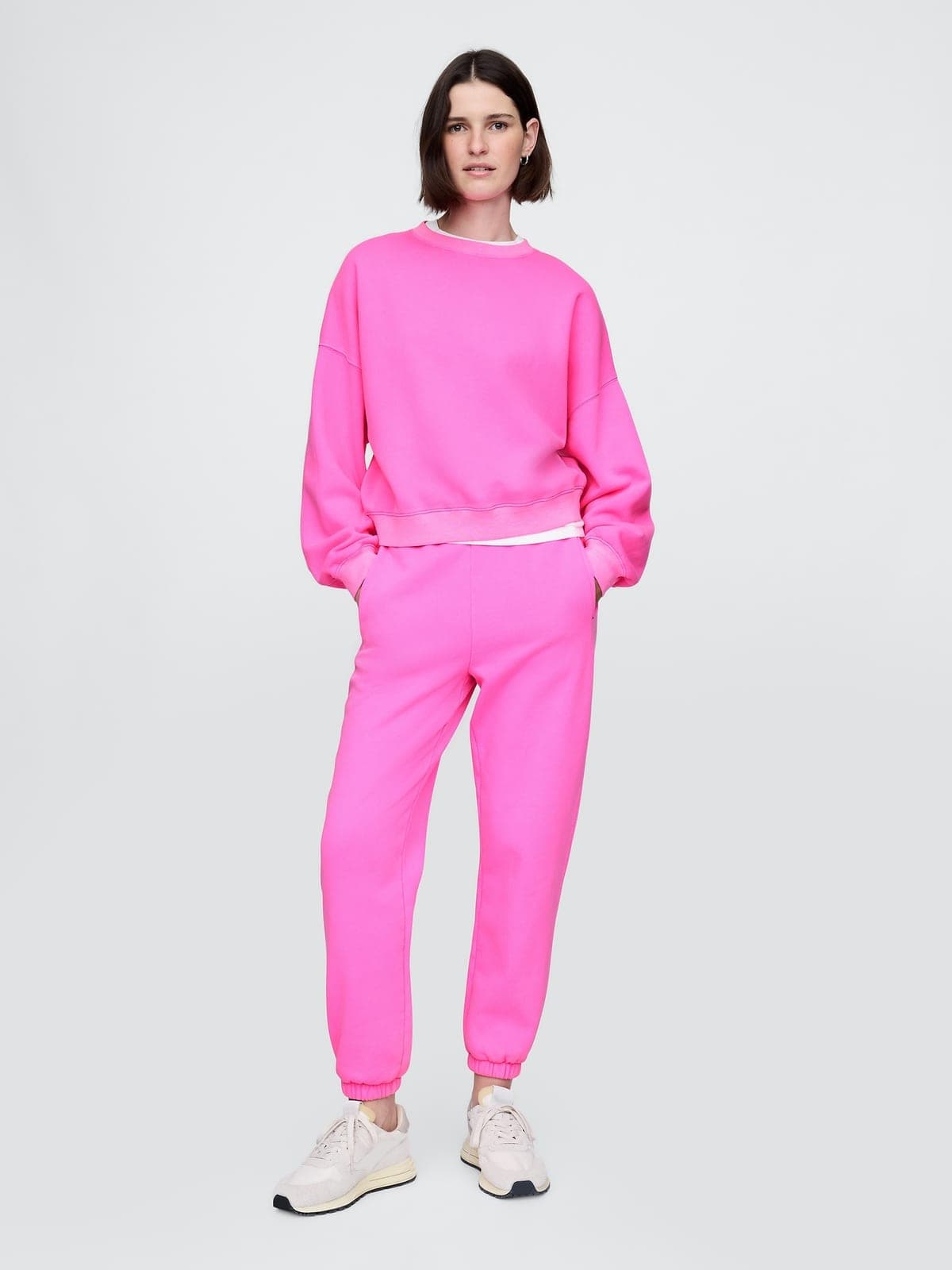
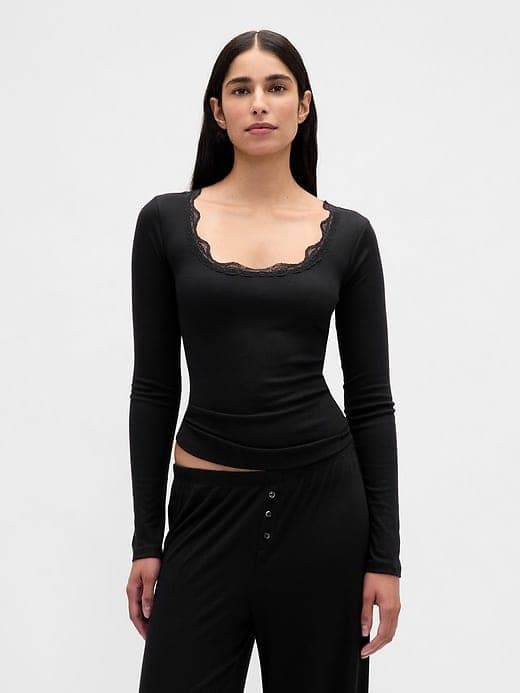
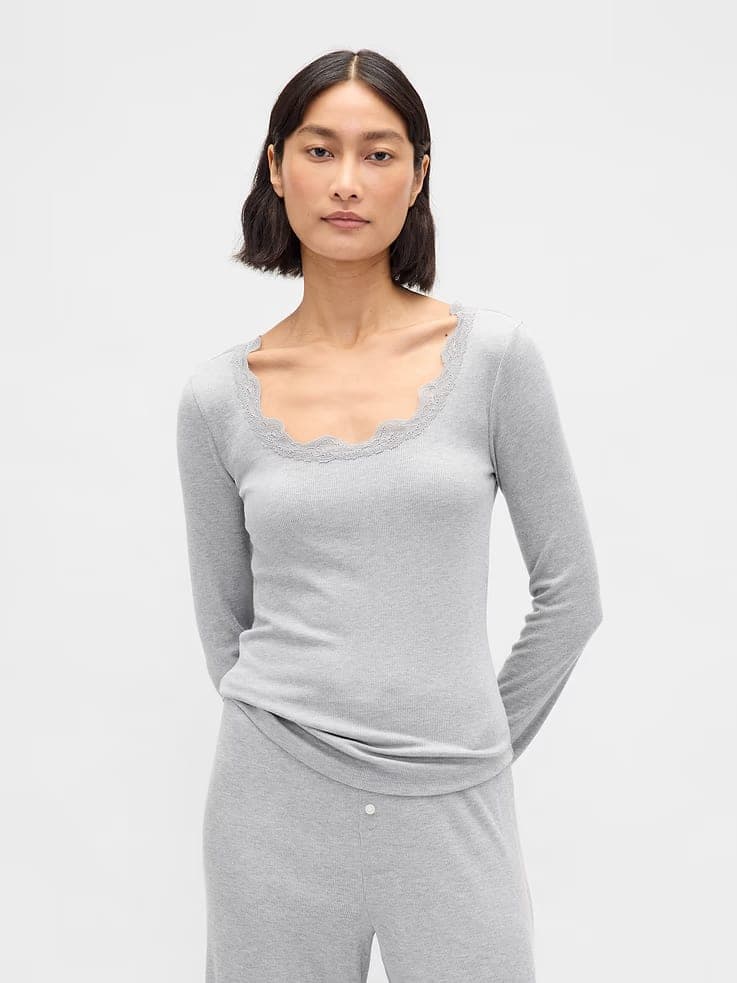
Sample and scores
Most common materials
Counted by distinct product, not fiber percentage. One product can appear in several rows.
| Material | Products |
|---|---|
| Cotton | 5 |
| Elastane | 5 |
| Polyester | 5 |
| Recycled Polyester | 4 |
| Organic Cotton | 3 |
| Acrylic | 2 |
Category mix
| Category | Products |
|---|---|
| Pants | 5 |
| Pajamas | 3 |
| Sweaters | 2 |
| Sweatshirts | 2 |
| Coats and Jackets | 1 |
| Denim | 1 |
How these scores are produced
Product scores on this page are produced automatically. We read the composition and certification details a retailer discloses on the product page, match each material to our research database, and apply the published clothing-score process: every product starts at 100; five material factors — microplastics, PFAS, material half-life, production energy, and fiber shedding — apply penalties weighted by how much of the garment that material makes up; a sixth factor, azo dyes, applies to the garment as a whole; and a small adjustment reflects whether any certification was disclosed. GOTS, bluesign, OEKO-TEX Standard 100, and Cradle to Cradle can also mark a product azo-dye-free. We do not lab-test garments. The Analyzed Product Profile then summarizes those product scores. It is not a corporate sustainability score, and it is not the retired LLM brand assessment.
Are you this brand?
If a figure on this page is wrong, send a correction. We aim to respond within 24 hours. A review can temporarily hide a disputed claim; it is not an automatic permanent removal.
Sourced corporate evidence
These are sourced claims, not a corporate score. Missing topics are not assessed, not scored as zero.
Gap Inc. identifies Gap as one of its four brands and describes its brands as offering clothing, accessories, and lifestyle products for men, women, and children.
company_disclosure
Gap states that 98% of Gap Inc. cotton came from more sustainable resources in 2024.
company_disclosure
Gap states that 40% of Gap Inc. polyester came from recycled sources in 2024.
company_disclosure
Gap states that its Washwell program reduces water use by at least 20% compared with conventional wash methods for finishing jeans and khakis, and that Gap Inc. has saved 6 billion liters of water through Washwell since 2016.
company_disclosure
Gap states that its partnership with thredUP has recirculated more than 500,000 clothing items since 2020.
company_disclosure
Gap Inc. states that its RISE and predecessor gender-equity programs have reached more than 1.6 million women across 25 countries since 2007.
company_disclosure
Gap Inc. states that it incorporates sustainable practices into product development and focuses on climate, water, and waste issues.
company_disclosure
- Not assessed — Independent verification or external assurance of the cited Gap sustainability metrics
- Not assessed — Gap-specific evidence distinct from Gap Inc.-wide figures