
Analyzed Product Profile
celio
This Analyzed Product Profile is based on 12 distinct analyzed products, a small catalogue sample. Median, range, and material mix describe those products only — not celio as a whole.
Sample and scores
Most common materials
Counted by distinct product, not fiber percentage. One product can appear in several rows.
| Material | Products |
|---|---|
| Cotton | 5 |
| Elastane | 5 |
| Polyester | 4 |
| Acrylic | 2 |
| Viscose | 2 |
| Wool | 2 |
Category mix
| Category | Products |
|---|---|
| Dresses | 3 |
| Pants | 3 |
| Accessories | 2 |
| Coats and Jackets | 2 |
| Activewear | 1 |
| Sweaters | 1 |
Highest-scoring analyzed products
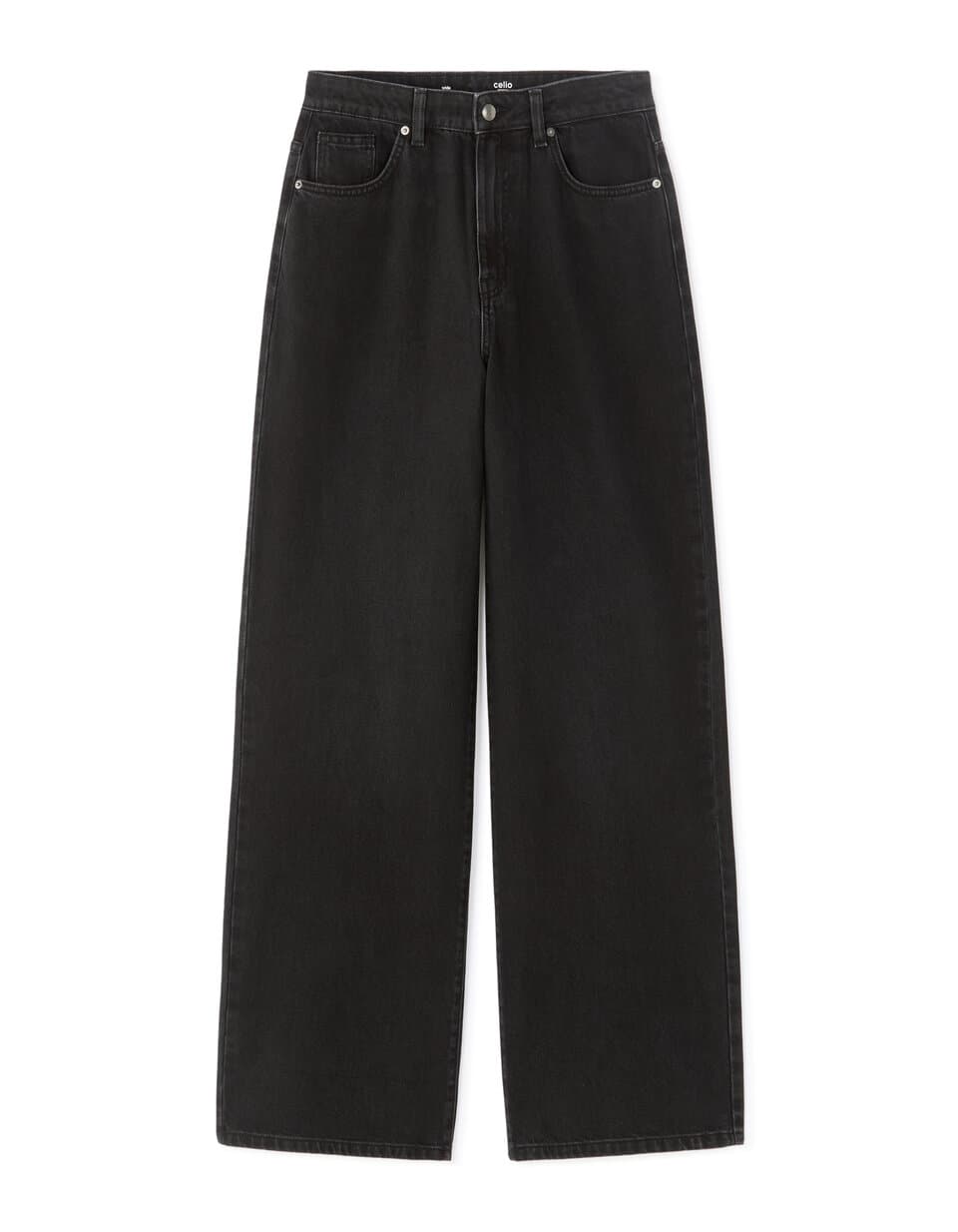
Jean wide 100% coton - noir
Marque : Celio
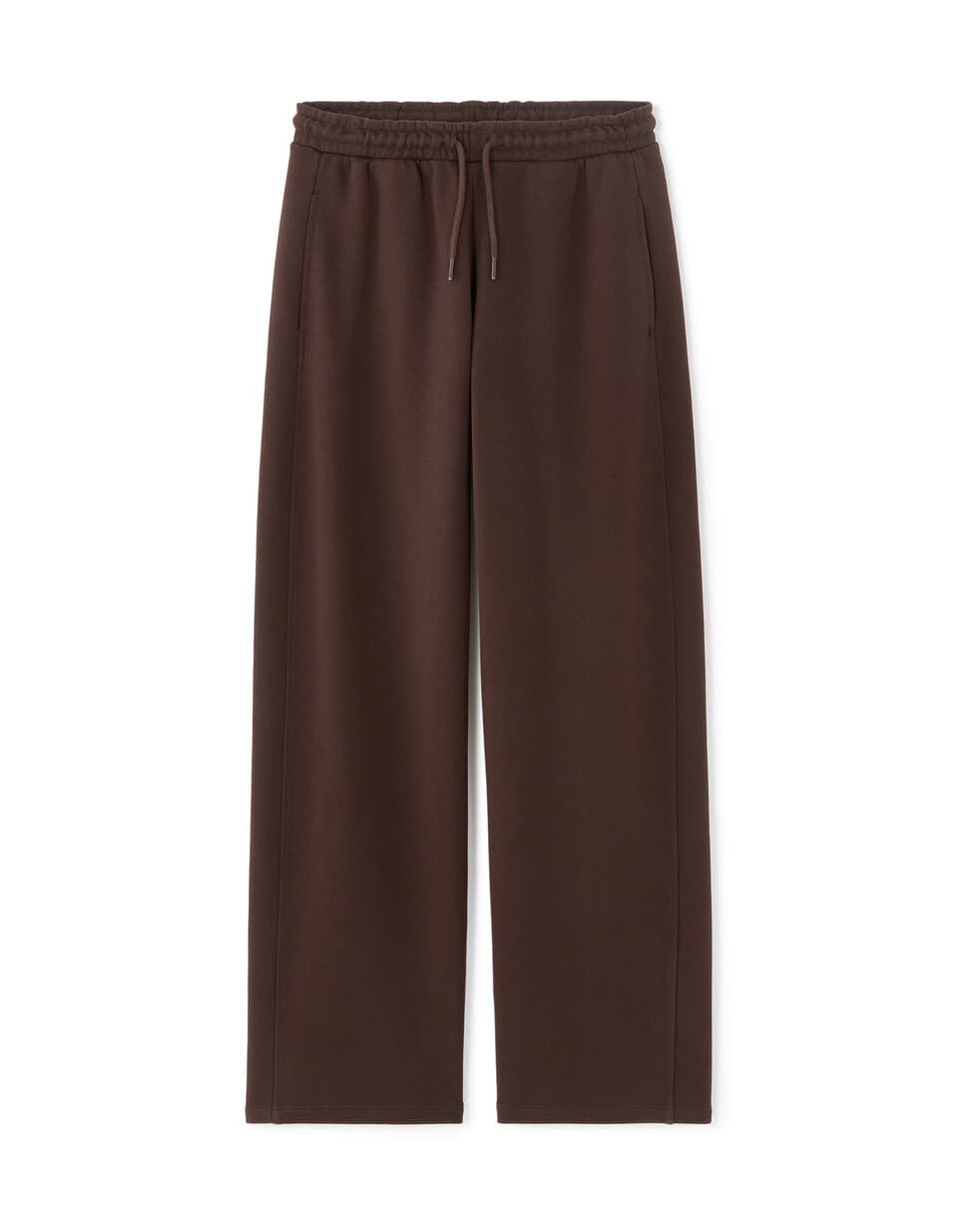
Jogging large en molleton - marron
Marque : celio
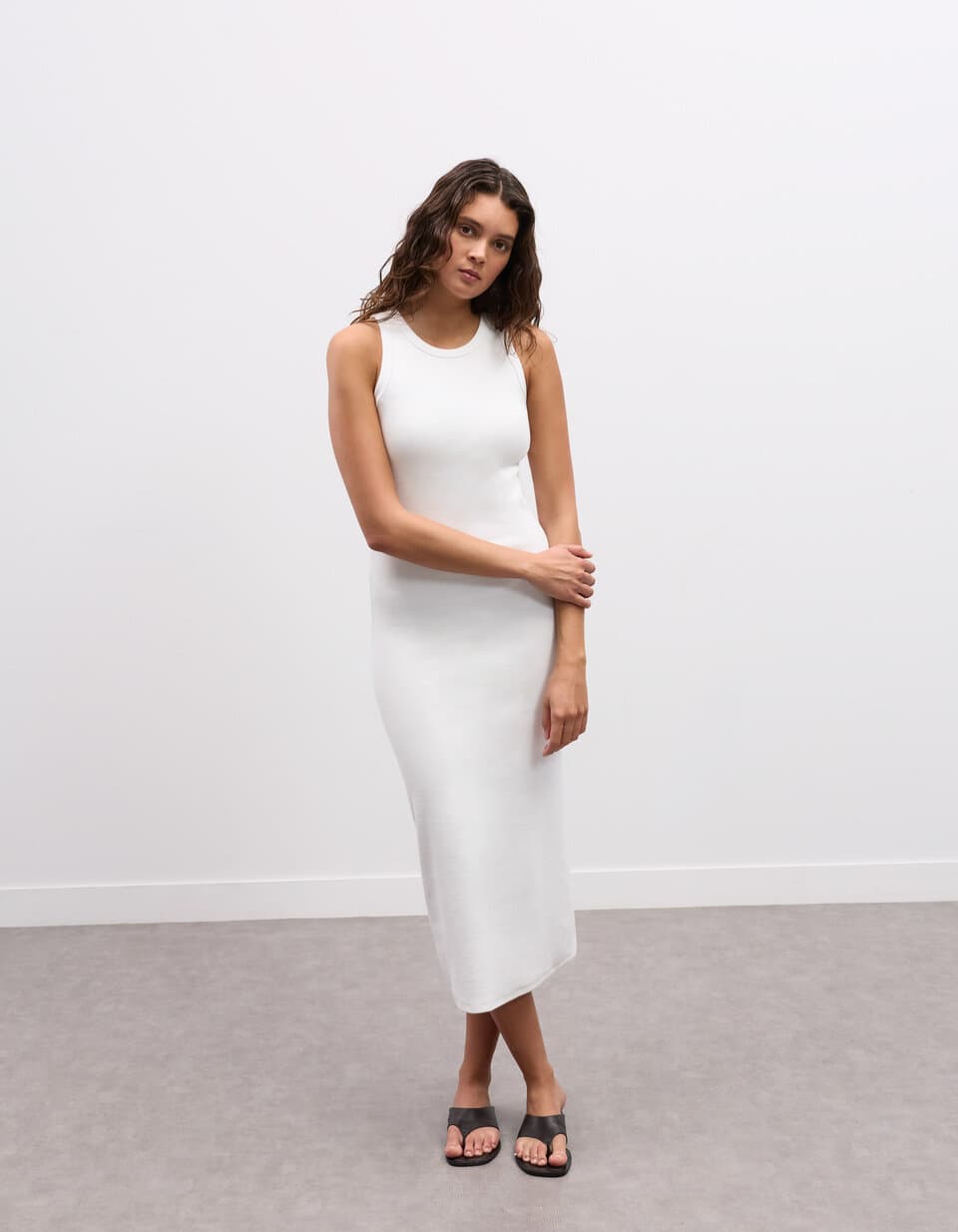
Robe débardeur brassière intégrée - blanc
Marque : Celio
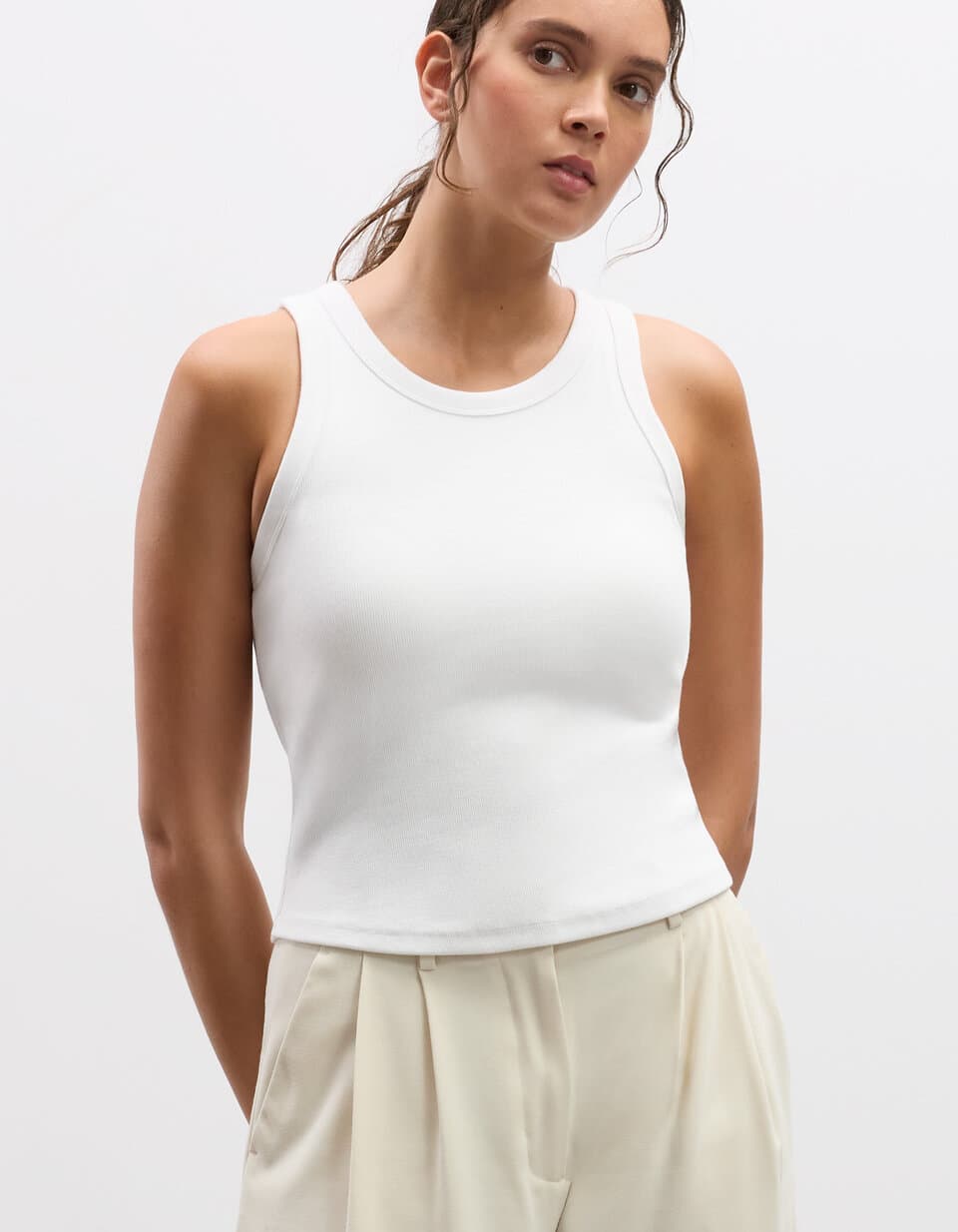
Débardeur essentiel avec brassière intégrée - blanc
Marque : Celio
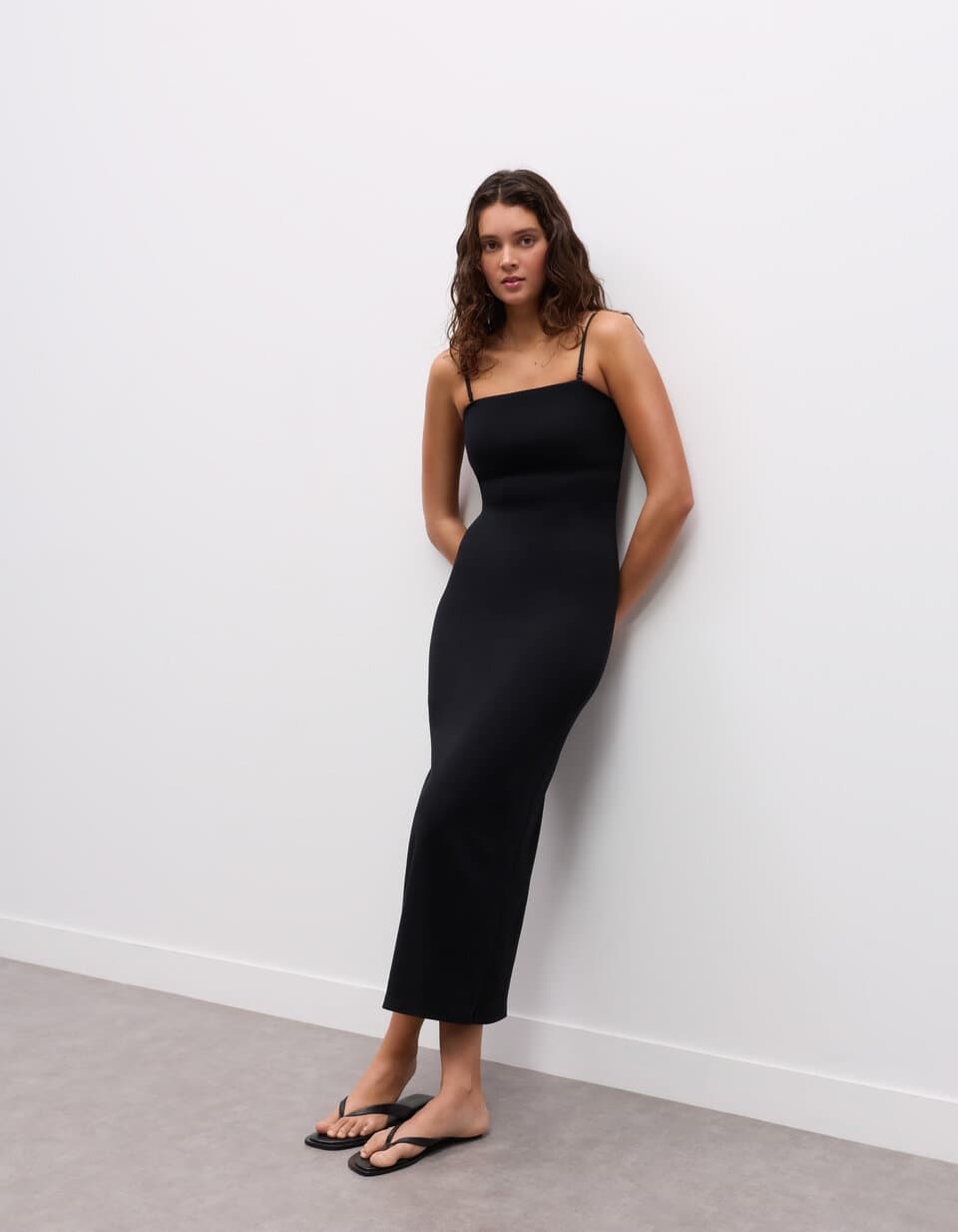
Robe bandeau brassière intégrée - noir
Marque : Celio
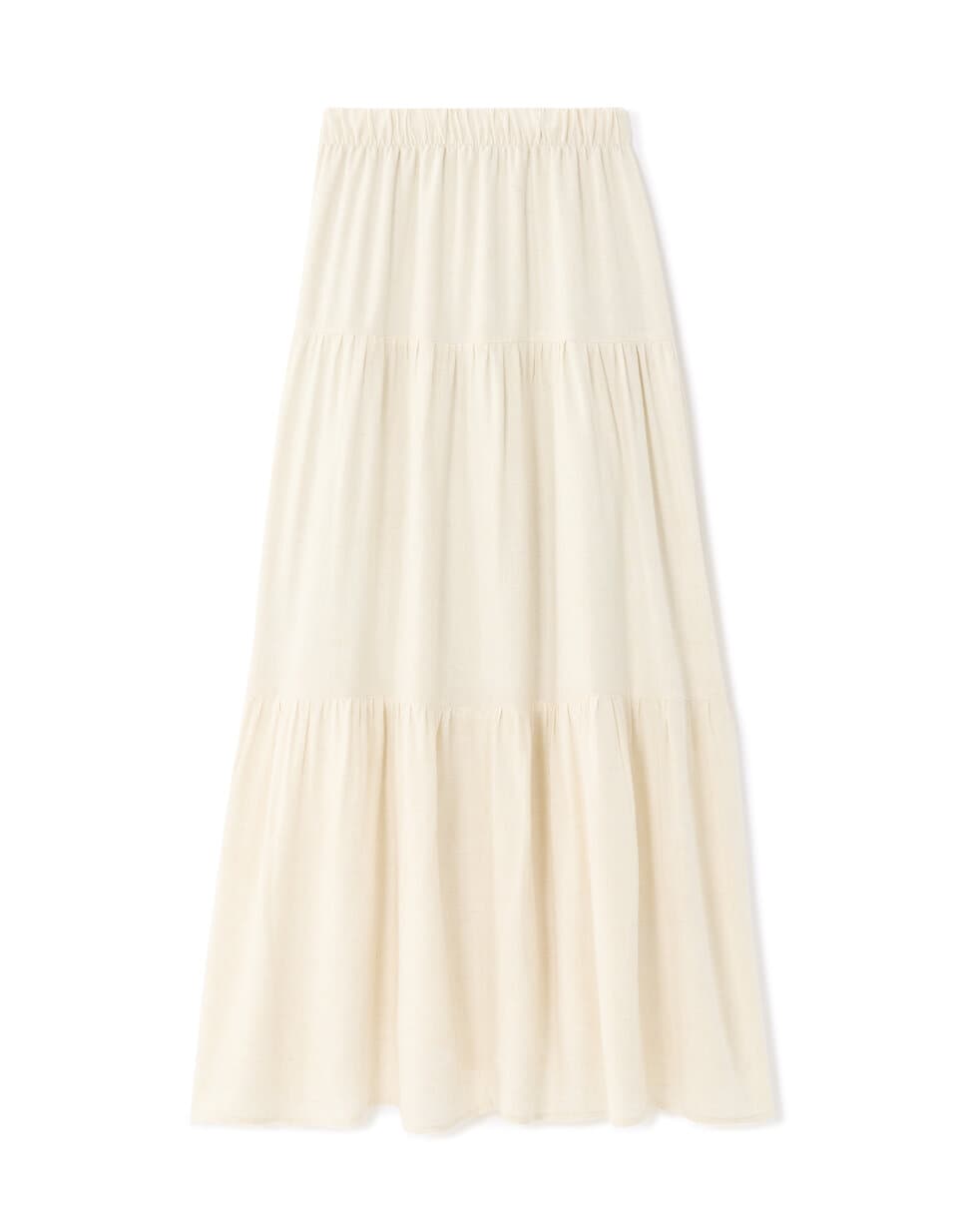
Jupon long en viscose lin - naturel
Marque : Celio
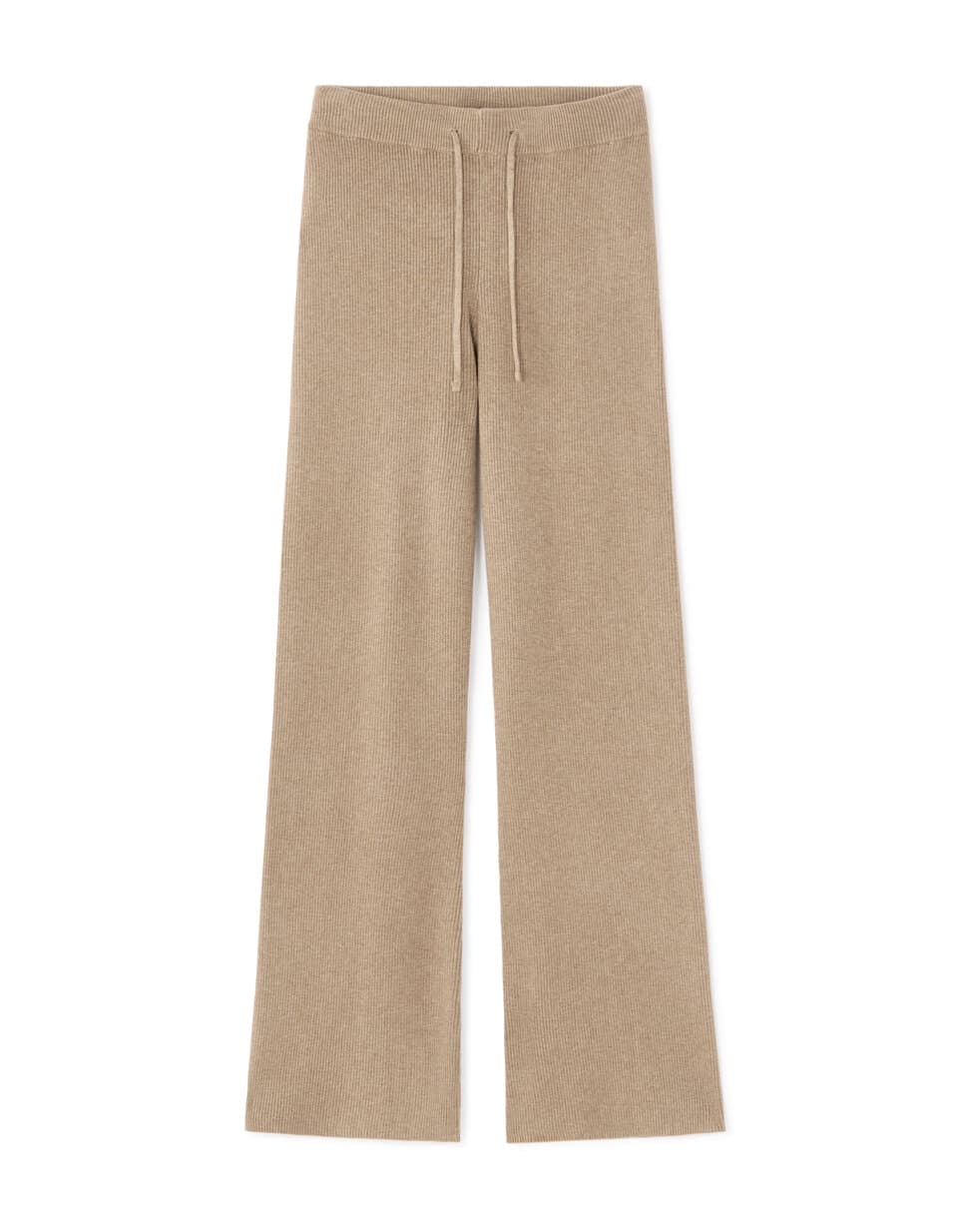
Pantalon en maille - beige
Marque : Celio
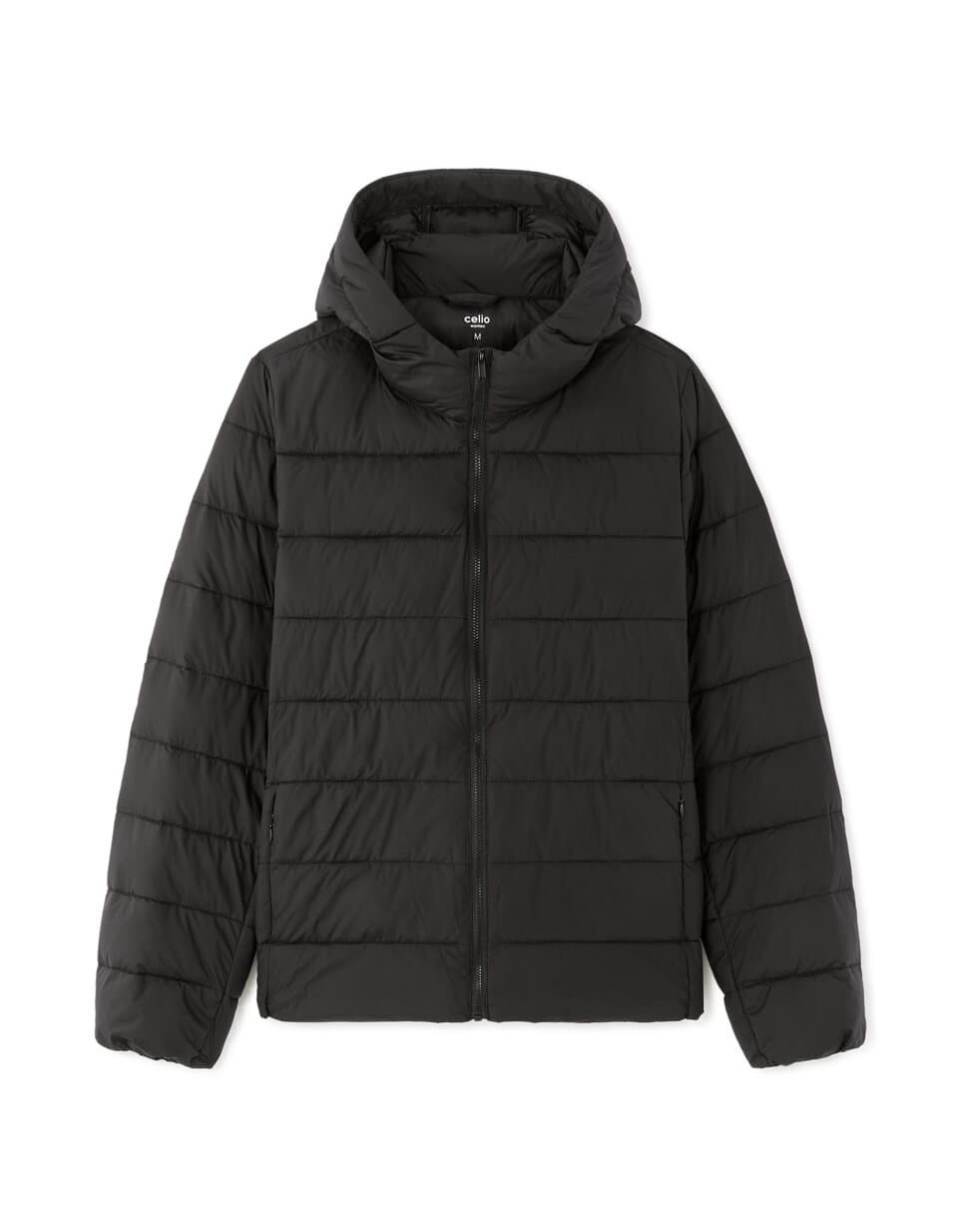
Doudoune Airwarm chaude à capuche - noire
Marque : celio
How these scores are produced
Product scores on this page are produced automatically. We read the composition and certification details a retailer discloses on the product page, match each material to our research database, and apply the published clothing-score process: every product starts at 100; five material factors — microplastics, PFAS, material half-life, production energy, and fiber shedding — apply penalties weighted by how much of the garment that material makes up; a sixth factor, azo dyes, applies to the garment as a whole; and a small adjustment reflects whether any certification was disclosed. GOTS, bluesign, OEKO-TEX Standard 100, and Cradle to Cradle can also mark a product azo-dye-free. We do not lab-test garments. The Analyzed Product Profile then summarizes those product scores. It is not a corporate sustainability score, and it is not the retired LLM brand assessment.
Are you this brand?
If a figure on this page is wrong, send a correction. We aim to respond within 24 hours. A review can temporarily hide a disputed claim; it is not an automatic permanent removal.
Sourced corporate evidence
These are sourced claims, not a corporate score. Missing topics are not assessed, not scored as zero.
In 2025, celio stated that 98% of its active garment-confection suppliers were audited by independent organizations, including amfori BSCI, SEDEX, and SA8000; 70% had audit grades A or B; and 100% had signed celio’s code of conduct and code of ethics.
company_disclosure
In 2025, celio stated that 48% of its collection met at least one of its responsible-design criteria, including certified lower-impact fibers, lower-impact processes, enhanced durability, circularity, or fair trade. It stated targets of 65% in 2026 and 100% in 2030.
company_disclosure
celio stated that its product chemical-management policy is aligned with European REACH requirements, that all products are chemically tested or OEKO-TEX certified, and that a restricted-substances list is applied to all suppliers.
company_disclosure
For 2025, celio reported that 76% of products containing animal fibers were certified under standards including RWS, RDS, or ERTS; more than 99% of products made entirely from a single animal fiber, excluding leather, were certified; and 100% of down and feathers were RDS-certified.
company_disclosure
celio reported that 51% of its products were eco-designed in 2025, including 21.8% organic cotton, 30% responsibly certified viscose, 96% certified linen, 100% ERTS-certified cashmere, 47.8% recycled GRS polyester, and 93% RWS-certified wool.
company_disclosure
celio stated that 94% of its active suppliers had valid audits in 2025, covering 99.90% of its volumes, and that its supplier code of conduct covers human rights, working conditions, health and safety, the environment, and business ethics.
company_disclosure
celio stated that, in 2025, all unsold items in good condition were donated to associations or sold to discount outlets, and that 161,490 new garments were donated to associations.
company_disclosure
celio stated that it submitted science-based targets for 2035 at the beginning of 2026, covering Scopes 1, 2, and 3.
company_disclosure
Good On You’s page for celio, last updated September 12, 2025, states that it found no evidence that celio was taking meaningful action to reduce water use, ensure living wages in its supply chain, or protect biodiversity in its supply chain.
ngo
Published 2025-09-12
- Conflicting evidence — Environmental and social performance assessments