
Analyzed Product Profile
Daisysilk
This Analyzed Product Profile is based on 7 distinct analyzed products, a small catalogue sample. Median, range, and material mix describe those products only — not Daisysilk as a whole.
Highest-scoring analyzed products

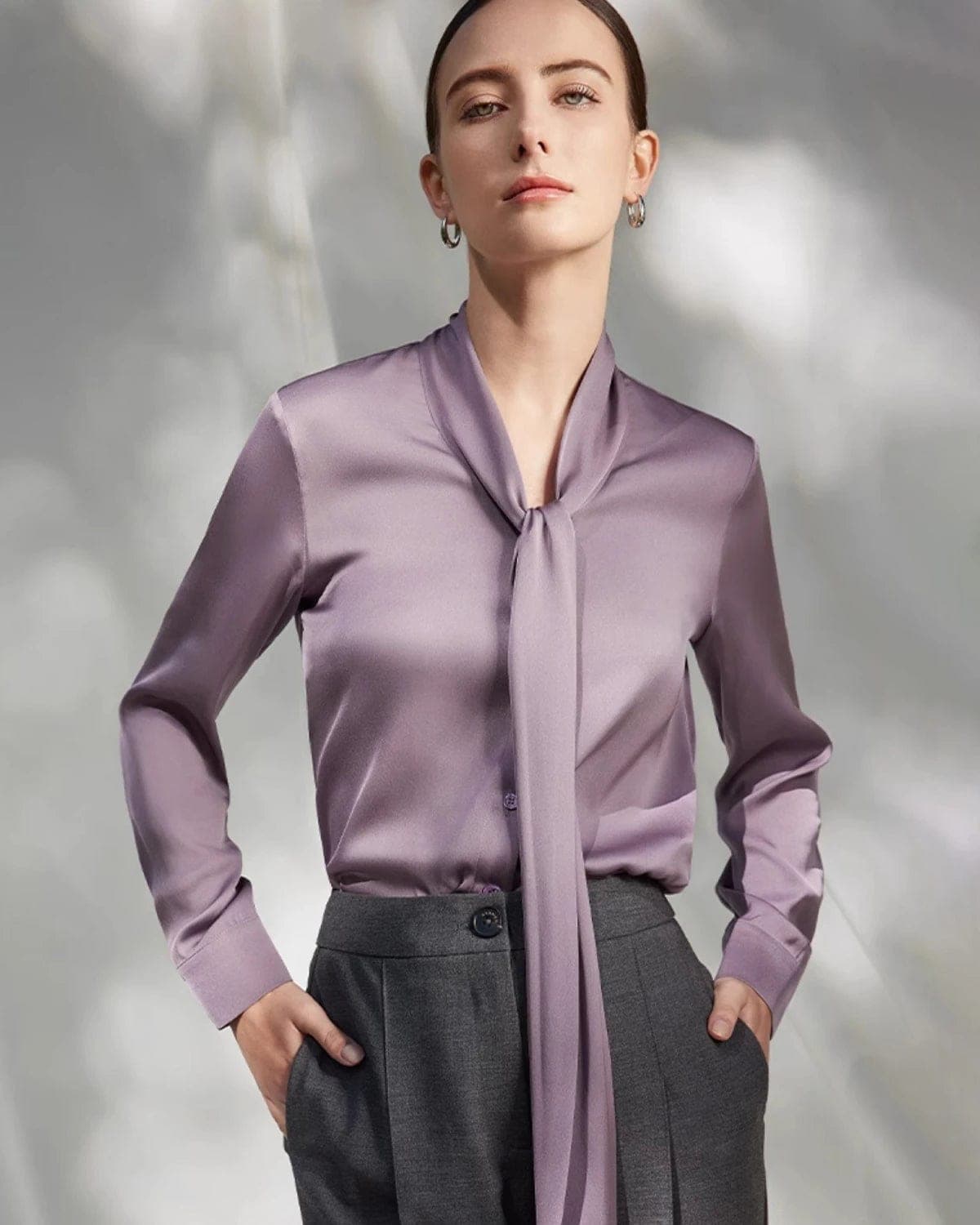
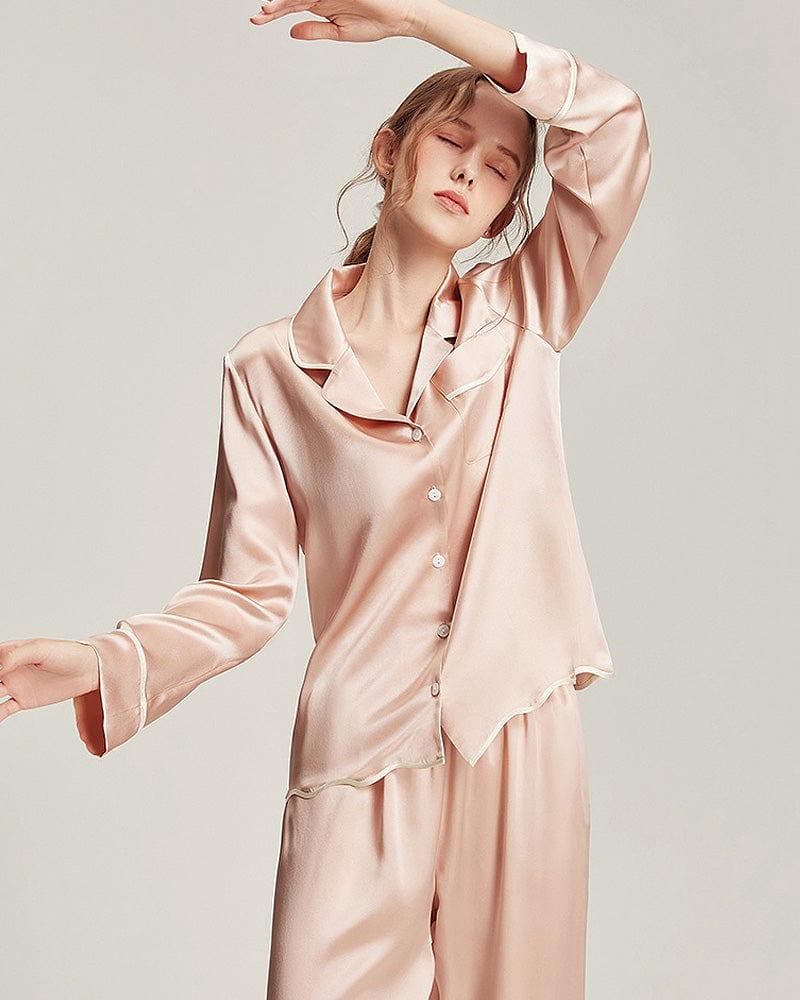
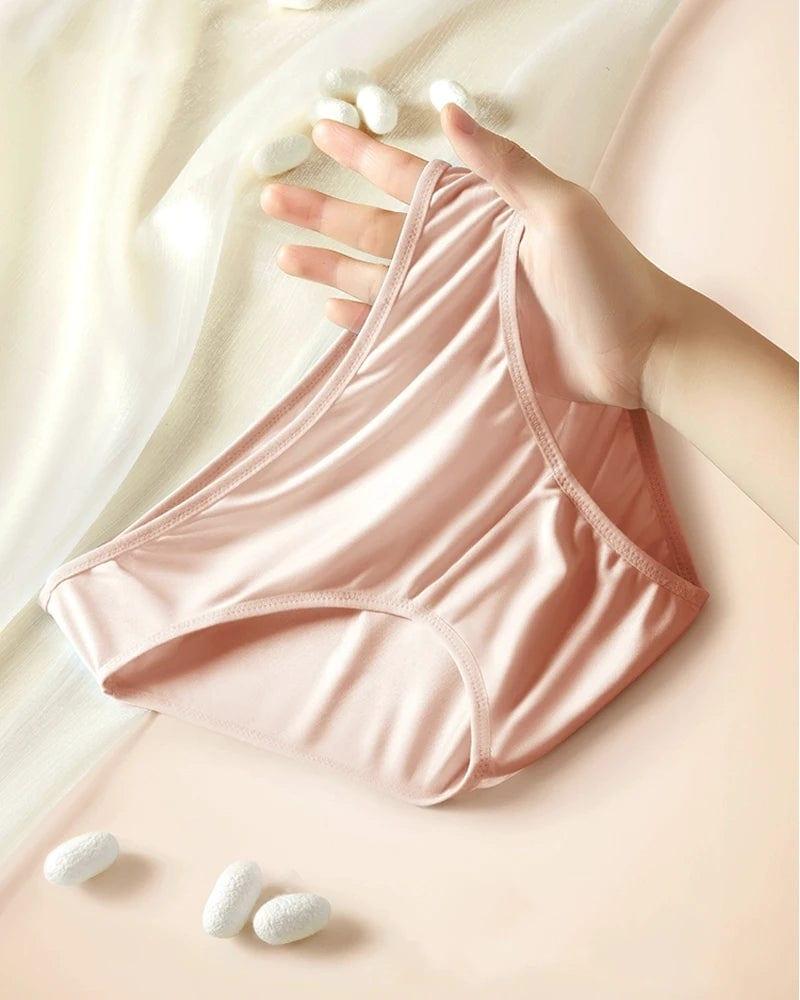


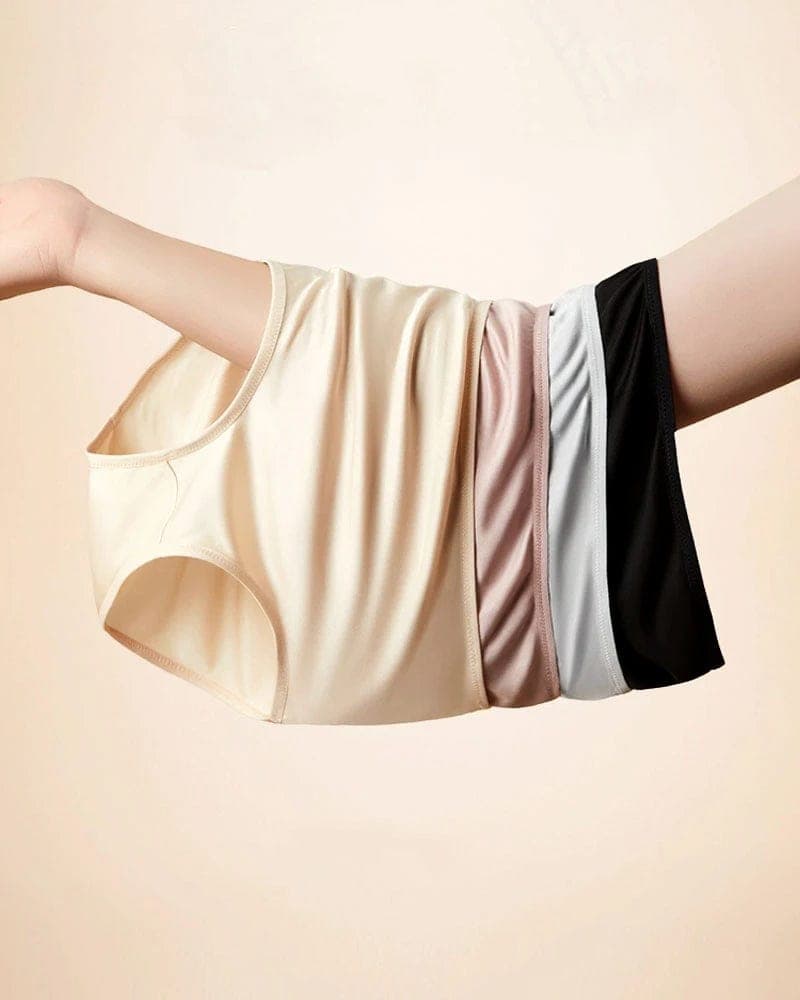
Sample and scores
Most common materials
Counted by distinct product, not fiber percentage. One product can appear in several rows.
| Material | Products |
|---|---|
| Silk | 7 |
Category mix
| Category | Products |
|---|---|
| Shirts | 3 |
| Underwear | 2 |
| Pajamas | 1 |
| Skirts | 1 |
How these scores are produced
Product scores on this page are produced automatically. We read the composition and certification details a retailer discloses on the product page, match each material to our research database, and apply the published clothing-score process: every product starts at 100; five material factors — microplastics, PFAS, material half-life, production energy, and fiber shedding — apply penalties weighted by how much of the garment that material makes up; a sixth factor, azo dyes, applies to the garment as a whole; and a small adjustment reflects whether any certification was disclosed. GOTS, bluesign, OEKO-TEX Standard 100, and Cradle to Cradle can also mark a product azo-dye-free. We do not lab-test garments. The Analyzed Product Profile then summarizes those product scores. It is not a corporate sustainability score, and it is not the retired LLM brand assessment.
Are you this brand?
If a figure on this page is wrong, send a correction. We aim to respond within 24 hours. A review can temporarily hide a disputed claim; it is not an automatic permanent removal.
Sourced corporate evidence
These are sourced claims, not a corporate score. Missing topics are not assessed, not scored as zero.
DAISYSILK states that its products are certified by OEKO-TEX and that the certification addresses harmful substances and textile-product safety.
company_disclosure
DAISYSILK states that its factory uses industrial water-saving equipment and treats used water through four to five stages for reuse or discharge.
company_disclosure
DAISYSILK states that it uses a fabric-sharing approach during cutting to maximize material utilization and achieve a nearly zero-waste state.
company_disclosure
DAISYSILK states that it uses reactive dyeing techniques, which it says reduce energy consumption and pollution compared with processes involving harmful solvents or additives.
company_disclosure
DAISYSILK states that it is dedicated to using natural and biodegradable materials, minimizing waste, and ensuring fair labor practices at every stage.
company_disclosure
DAISYSILK states that its mission is to craft 6A-grade mulberry silk products.
company_disclosure
- Not assessed — Carbon emissions and climate targets
- Not assessed — Energy use and renewable energy
- Not assessed — Labour verification
- Not assessed — Animal welfare and silk production practices