
Analyzed Product Profile
Harvest & Mill
This Analyzed Product Profile is based on 46 distinct analyzed products in the Greener Closet catalogue. Median, range, and material mix are computed from those products' disclosed composition. They are not a corporate sustainability score.
Highest-scoring analyzed products
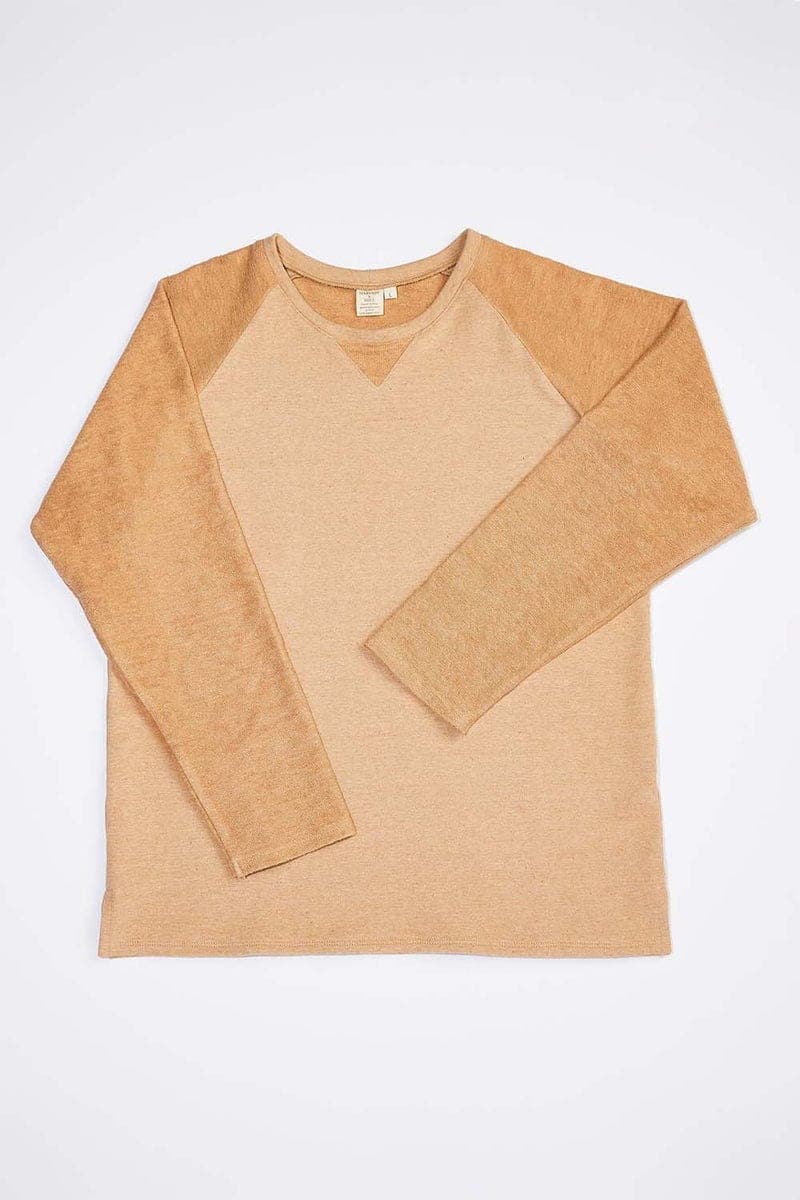

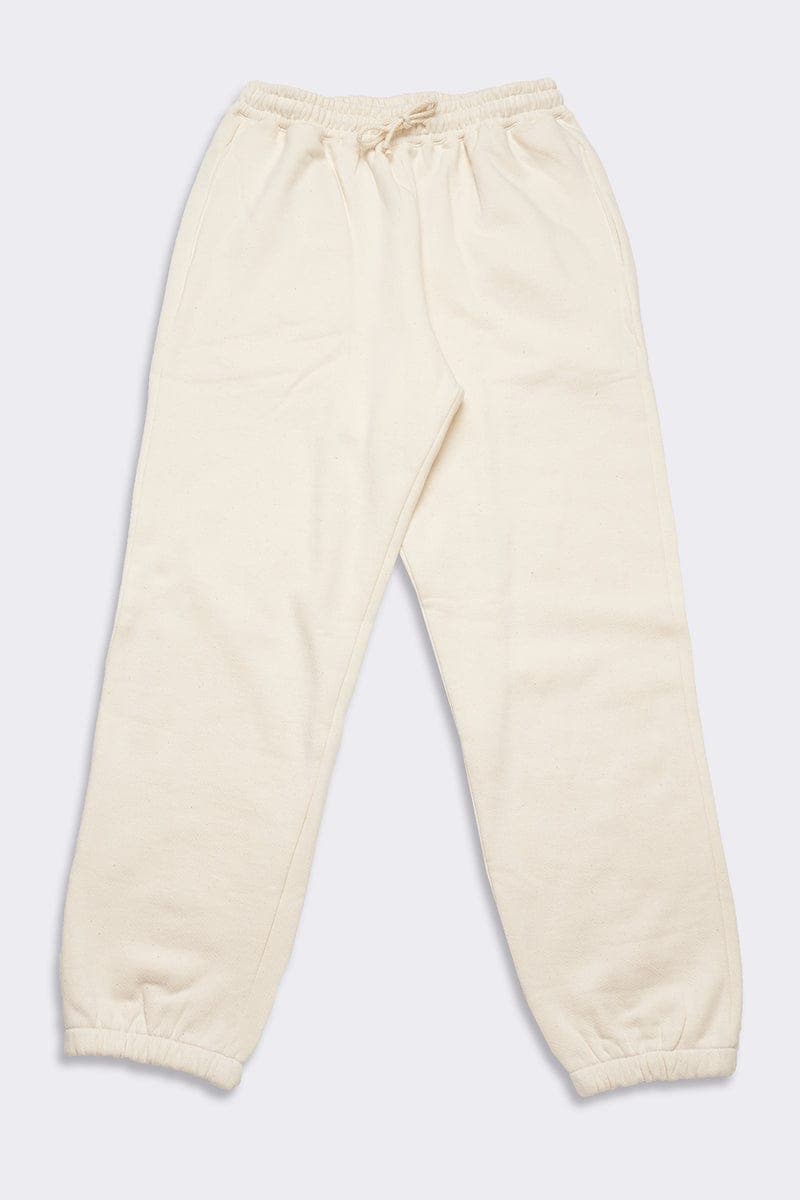

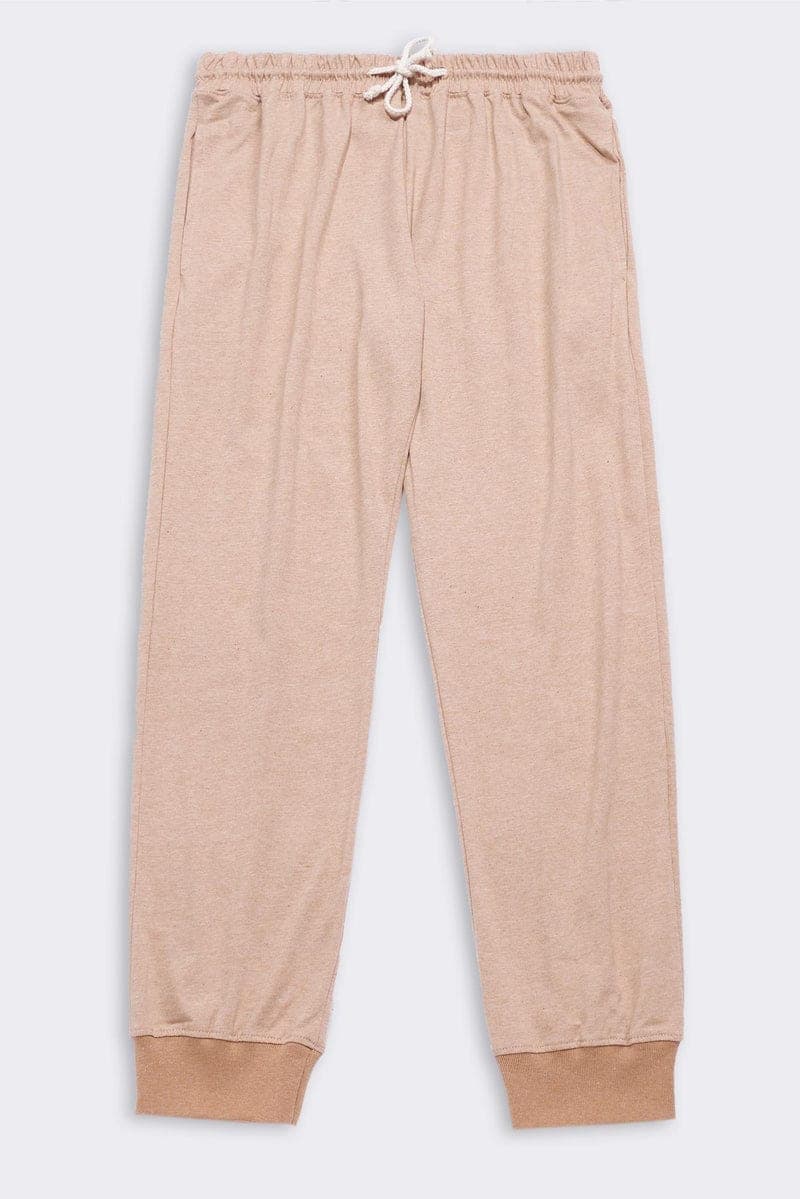
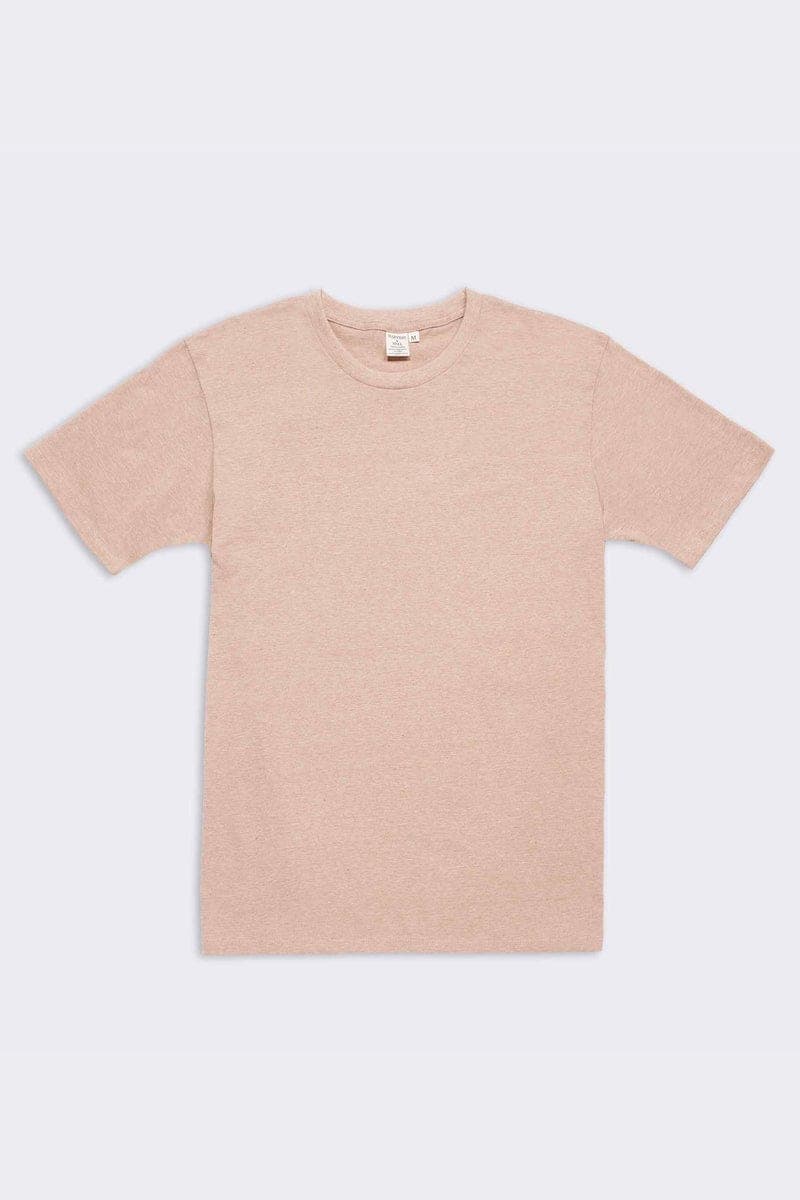
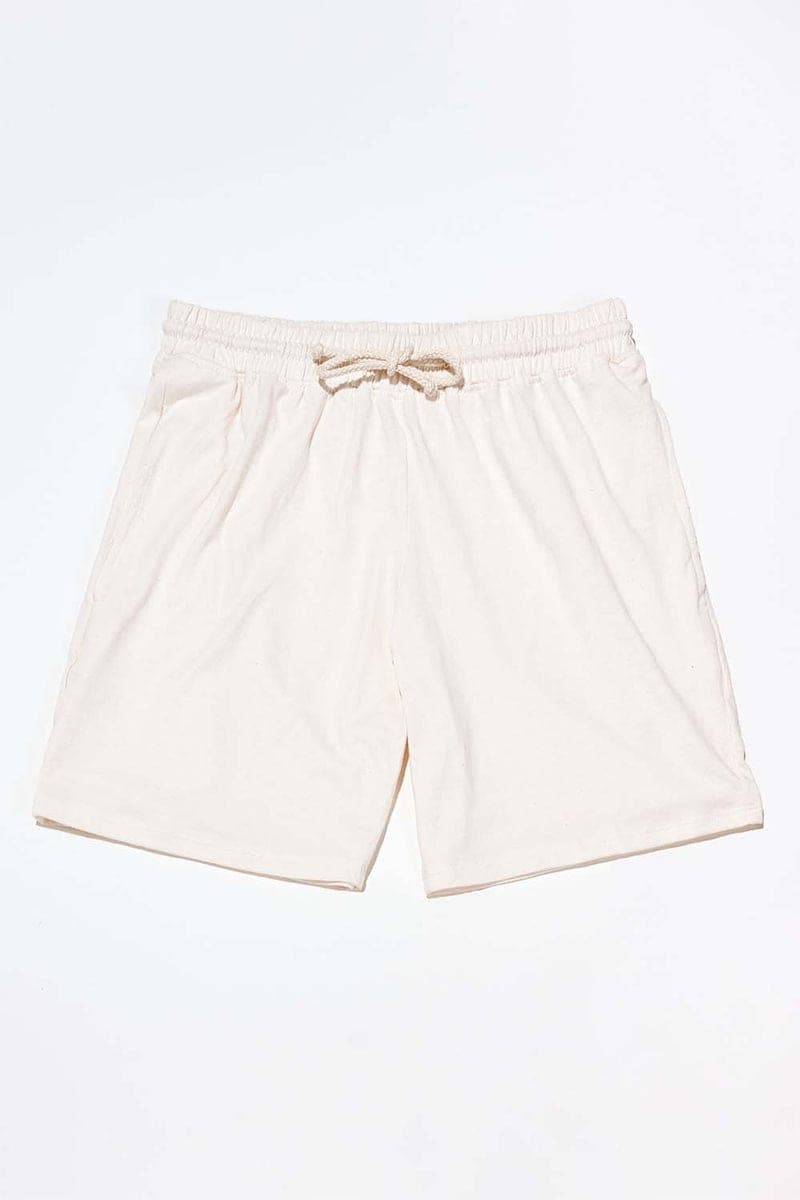
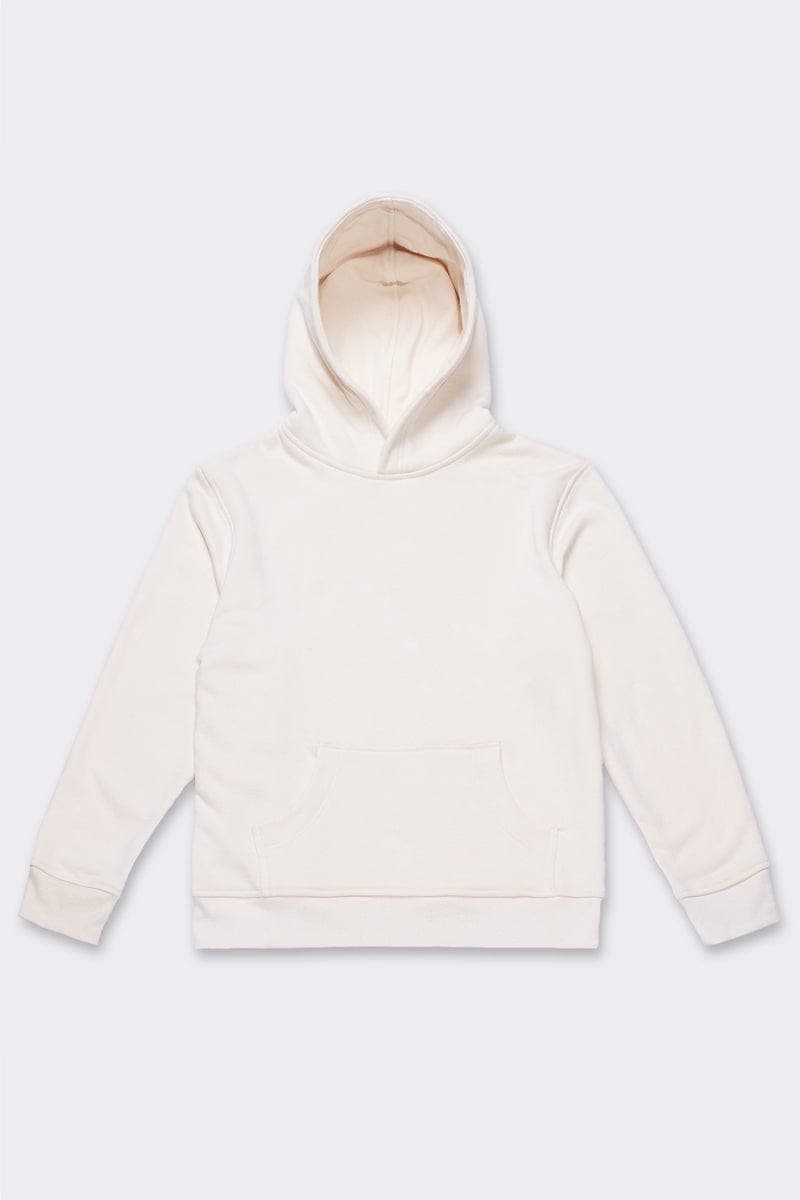
Sample and scores
Most common materials
Counted by distinct product, not fiber percentage. One product can appear in several rows.
| Material | Products |
|---|---|
| Organic Cotton | 45 |
| Elastane | 8 |
| Nylon | 8 |
| Cotton | 1 |
Category mix
| Category | Products |
|---|---|
| Pants | 20 |
| Shirts | 9 |
| Socks | 8 |
| Sweatshirts | 5 |
| Activewear | 4 |
| Shorts | 4 |
How these scores are produced
Product scores on this page are produced automatically. We read the composition and certification details a retailer discloses on the product page, match each material to our research database, and apply the published clothing-score process: every product starts at 100; five material factors — microplastics, PFAS, material half-life, production energy, and fiber shedding — apply penalties weighted by how much of the garment that material makes up; a sixth factor, azo dyes, applies to the garment as a whole; and a small adjustment reflects whether any certification was disclosed. GOTS, bluesign, OEKO-TEX Standard 100, and Cradle to Cradle can also mark a product azo-dye-free. We do not lab-test garments. The Analyzed Product Profile then summarizes those product scores. It is not a corporate sustainability score, and it is not the retired LLM brand assessment.
Are you this brand?
If a figure on this page is wrong, send a correction. We aim to respond within 24 hours. A review can temporarily hide a disputed claim; it is not an automatic permanent removal.
Sourced corporate evidence
These are sourced claims, not a corporate score. Missing topics are not assessed, not scored as zero.
Harvest & Mill states that all of its organic cotton is grown in the United States, is USDA certified organic, and is traceable back to the farm.
company_disclosure
Harvest & Mill states that its supply chain is domestic from seed to stitch: cotton is grown in the United States, spun and knit at mills in the American South, and cut and sewn by family-owned factories in the San Francisco Bay Area.
company_disclosure
Harvest & Mill states that its fabrics are 100% organic cotton and that it does not use toxic chemical finishes, including PFAS, formaldehyde resins, flame retardants, waterproofing coatings, or antimicrobial treatments.
company_disclosure
Harvest & Mill states that most of its clothing is dye-free and bleach-free, and that colored garments use low-impact or natural plant dyes.
company_disclosure
Harvest & Mill states that its packaging and shipping materials are plastic-free, recyclable, reusable, or compostable, and that it uses paper packaging instead of poly bags.
company_disclosure
Harvest & Mill states that it tracks emissions across its supply chain through manufacturing, distribution, and end-of-life disposal, and that it offsets its entire carbon footprint, including manufacturing, transportation, office operations, and shipped orders.
company_disclosure
Harvest & Mill states that its clothing is vegan and cruelty-free, that its product line is PETA-approved, and that it uses no animal-product trims or tags.
company_disclosure
Harvest & Mill states that every worker involved in its growing and manufacturing process is located in the United States and is legally protected by U.S. labor laws and agencies, including OSHA and the Fair Labor Standards Act.
company_disclosure
- Not assessed — Worker compensation and living wages
- Not assessed — Independent verification of carbon, energy, water, and emissions claims