
Analyzed Product Profile
SilkSilky
This Analyzed Product Profile is based on 6 distinct analyzed products, a small catalogue sample. Median, range, and material mix describe those products only — not SilkSilky as a whole.
Highest-scoring analyzed products
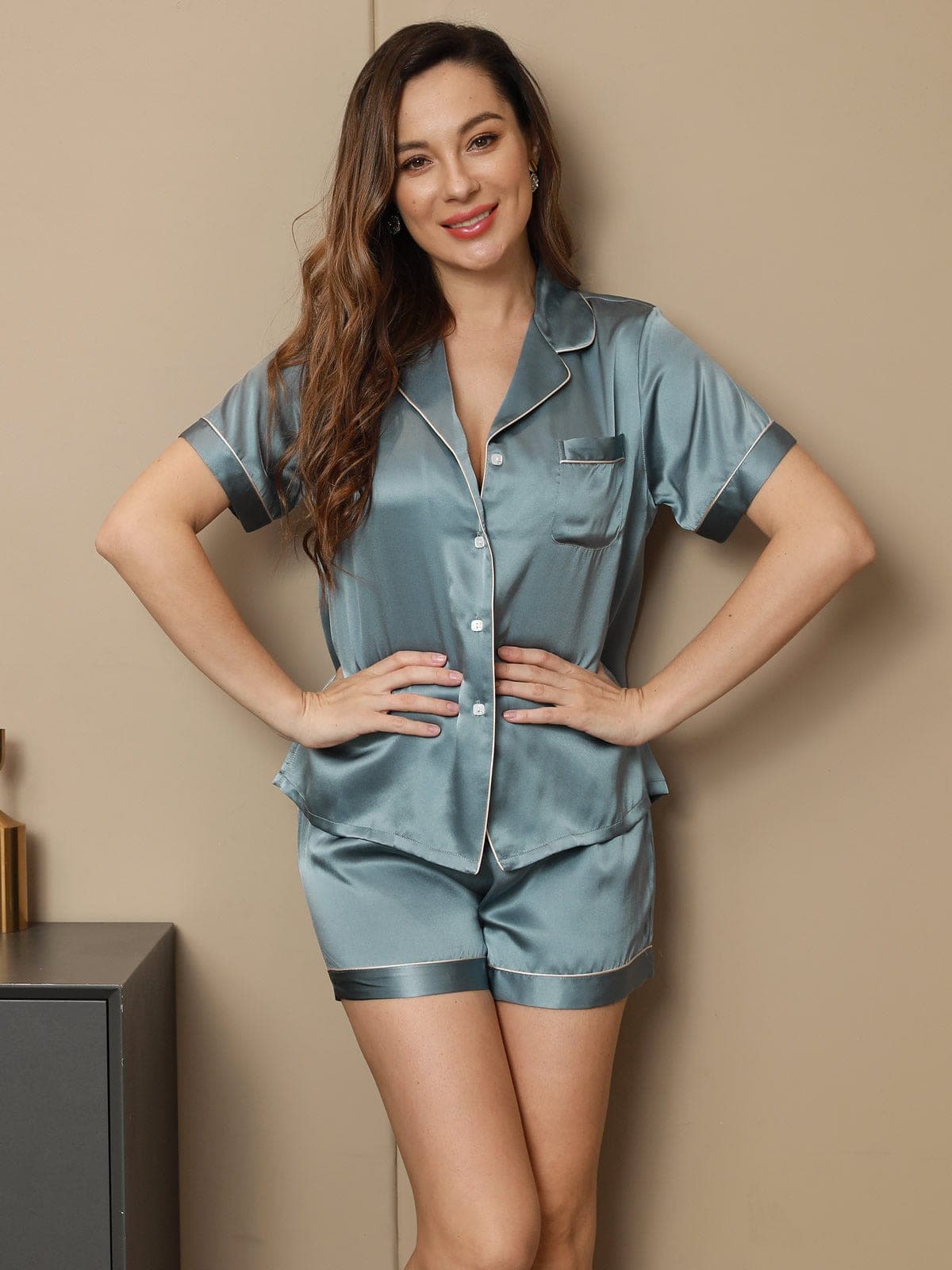
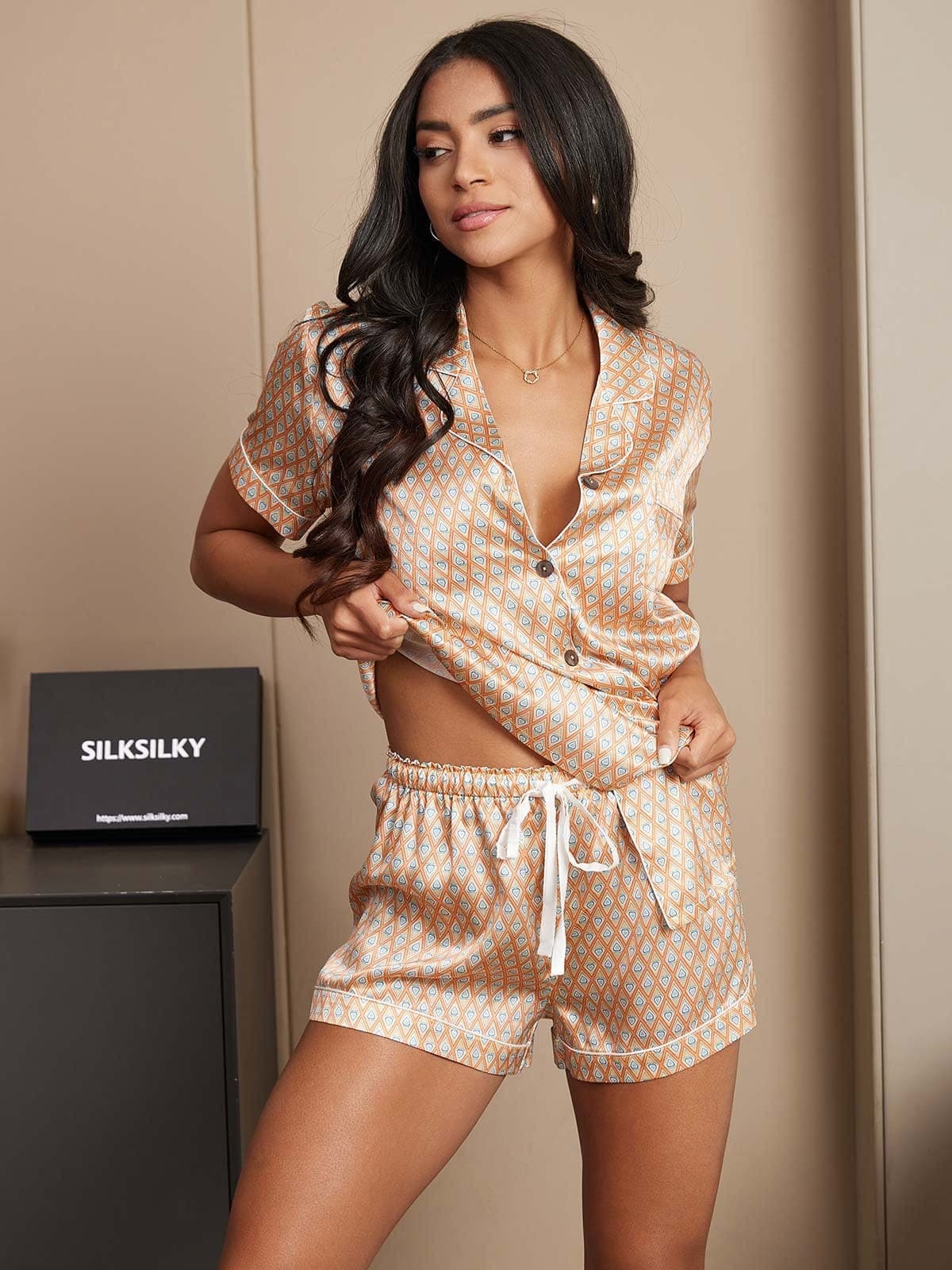
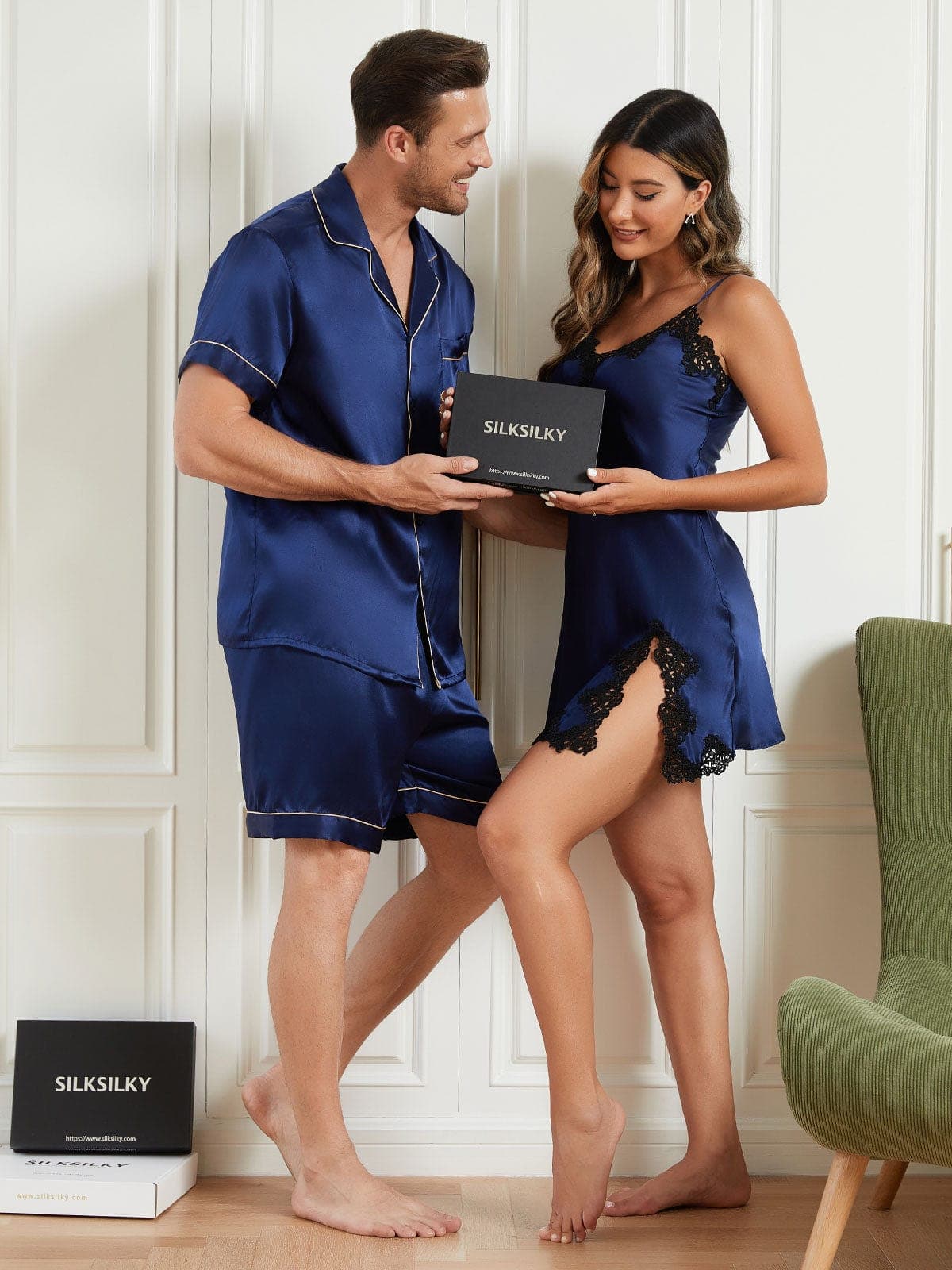
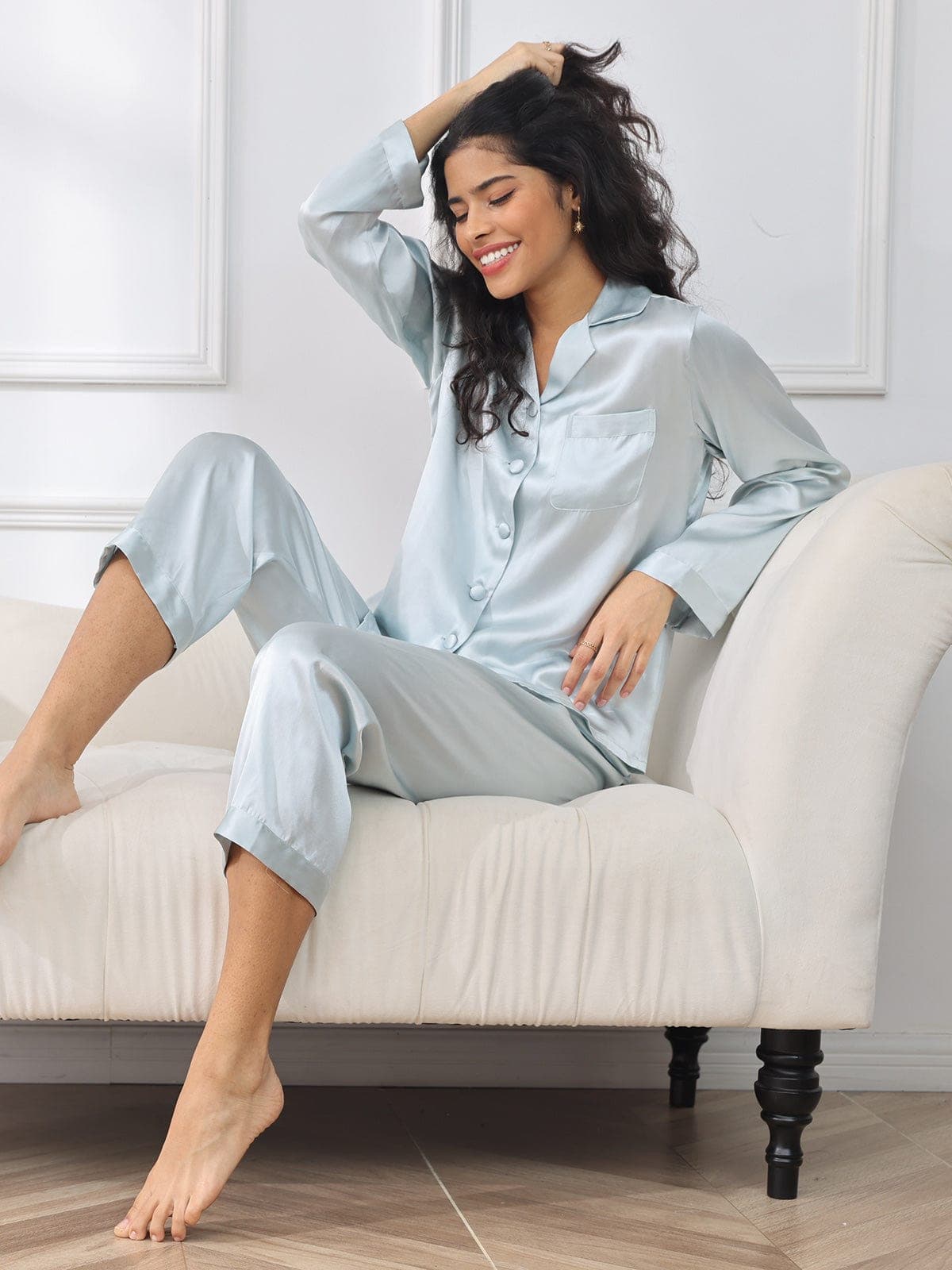
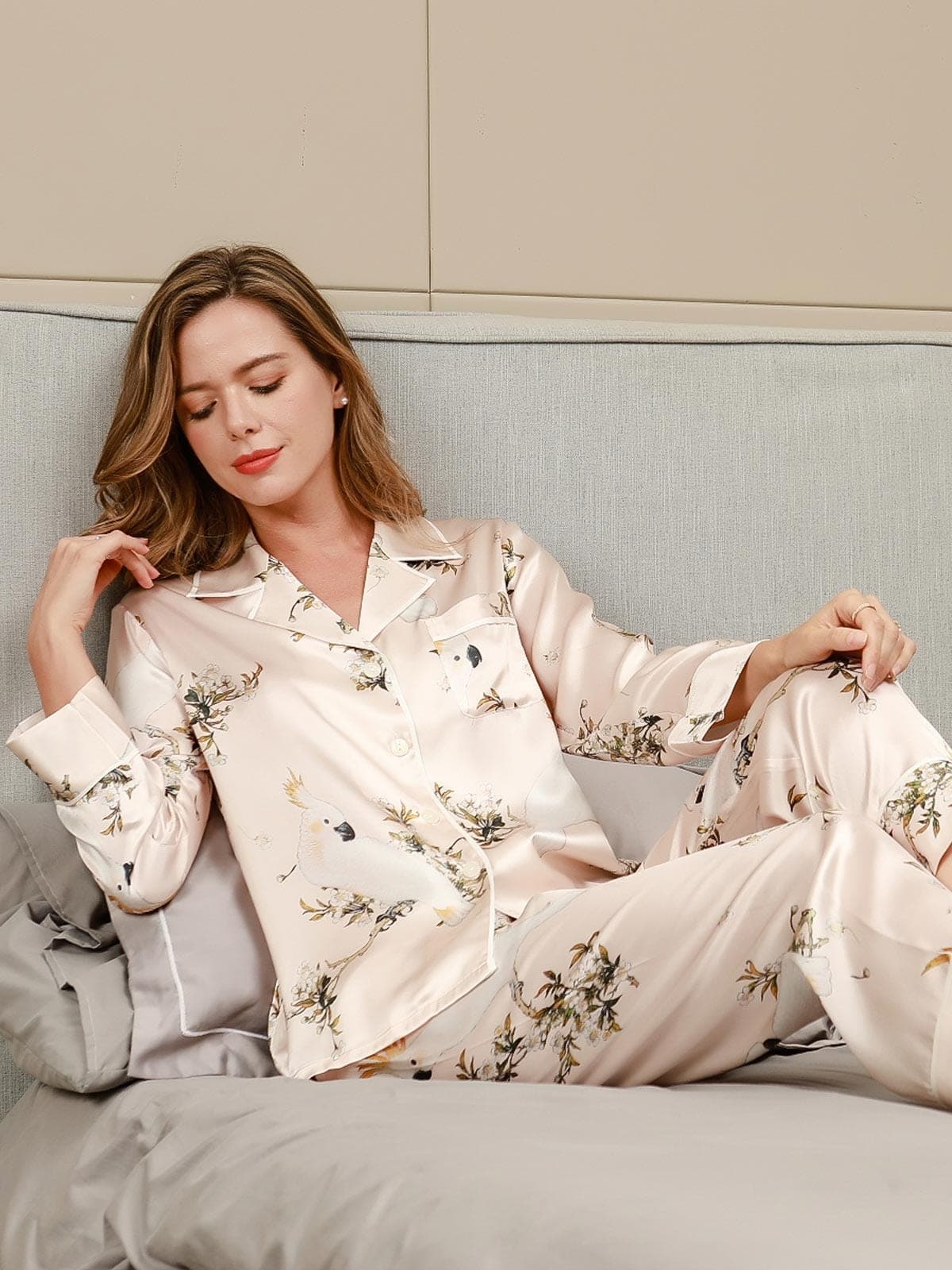
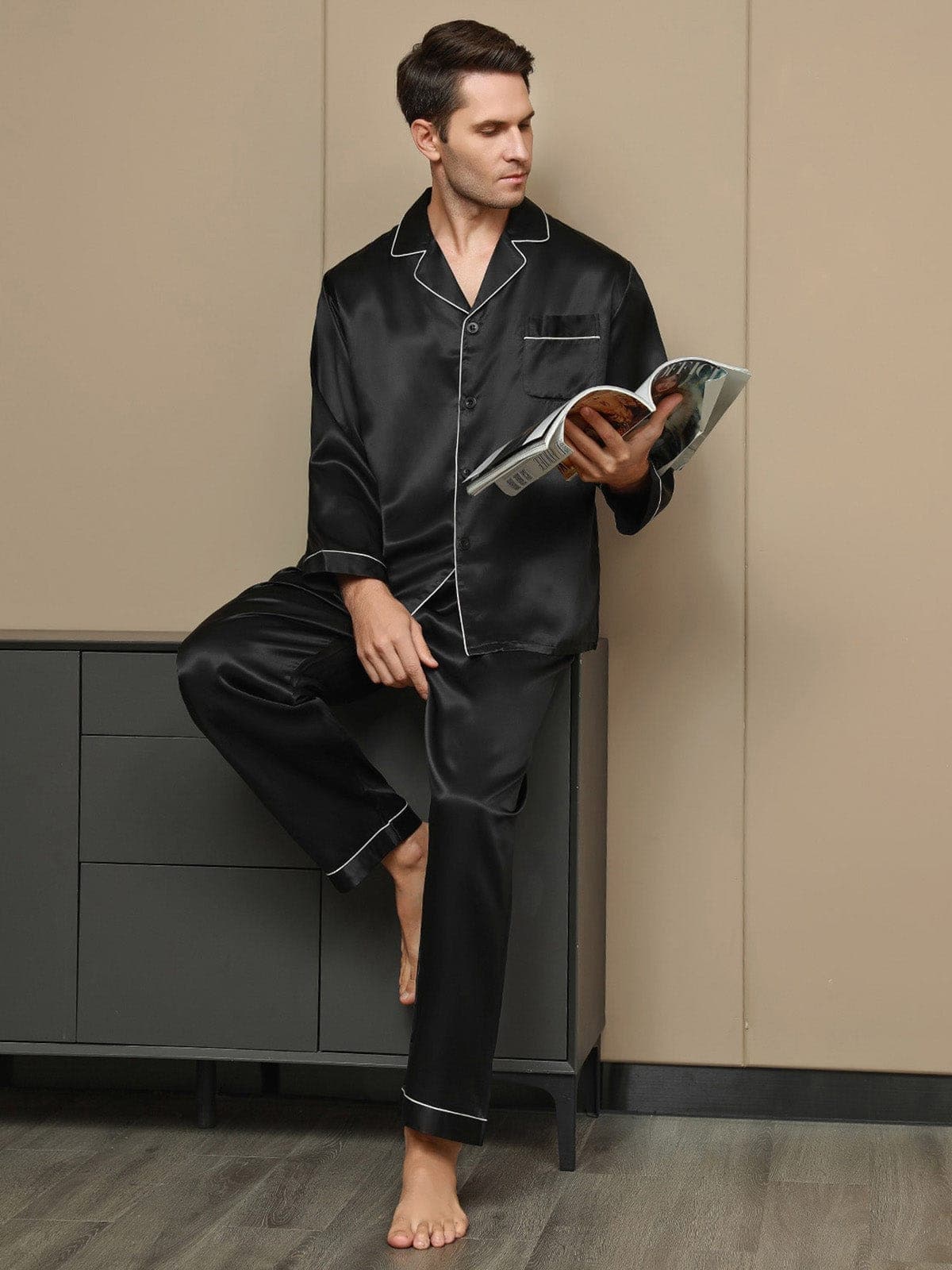
Sample and scores
Most common materials
Counted by distinct product, not fiber percentage. One product can appear in several rows.
| Material | Products |
|---|---|
| Silk | 6 |
Category mix
| Category | Products |
|---|---|
| Pajamas | 6 |
| Shorts | 2 |
| Pants | 1 |
How these scores are produced
Product scores on this page are produced automatically. We read the composition and certification details a retailer discloses on the product page, match each material to our research database, and apply the published clothing-score process: every product starts at 100; five material factors — microplastics, PFAS, material half-life, production energy, and fiber shedding — apply penalties weighted by how much of the garment that material makes up; a sixth factor, azo dyes, applies to the garment as a whole; and a small adjustment reflects whether any certification was disclosed. GOTS, bluesign, OEKO-TEX Standard 100, and Cradle to Cradle can also mark a product azo-dye-free. We do not lab-test garments. The Analyzed Product Profile then summarizes those product scores. It is not a corporate sustainability score, and it is not the retired LLM brand assessment.
Are you this brand?
If a figure on this page is wrong, send a correction. We aim to respond within 24 hours. A review can temporarily hide a disputed claim; it is not an automatic permanent removal.
Sourced corporate evidence
These are sourced claims, not a corporate score. Missing topics are not assessed, not scored as zero.
SilkSilky sells silk apparel, including shirts, blouses, dresses, pants, camisoles, skirts, and underwear.
company_disclosure
SilkSilky states that its products are made in China and that orders generally ship from China.
company_disclosure
SilkSilky states that it holds OEKO-TEX certification No. 2406198 and ECOCERT GREENLIFE certification No. 00297582.
company_disclosure
SilkSilky states that its clothing range is primarily made from 100% pure mulberry silk, while some styles use silk knit or silk blends; the company says product pages list the exact composition.
company_disclosure
The Better Business Bureau states that it opened an investigation into Silksilky on August 20, 2025, following complaints and Scam Tracker reports concerning non-delivery, poor-quality merchandise, unanswered requests for updates or refunds, and the company’s business practices.
other
Published 2025-08-20
The Better Business Bureau states that Silksilky was not BBB accredited and that its listed Denver address was a postal mailbox rather than a verified physical business location.
other
- Not assessed — Carbon emissions, energy use, water use, waste, and quantified environmental targets
- Not assessed — Labour conditions, worker welfare, forced labour, child labour, wages, and supply-chain audits
- Not assessed — Animal welfare and silk-production practices
- Not assessed — Certification verification in an independent certification registry