
Greener Closet

Pajamas and sleepwear

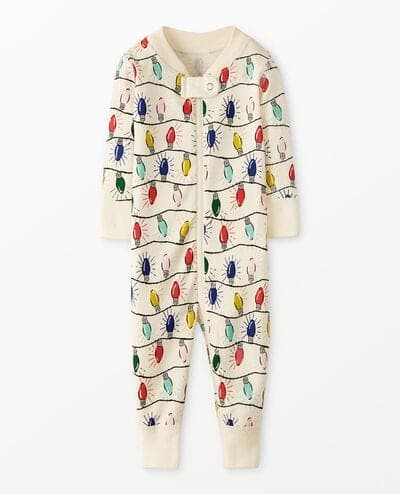
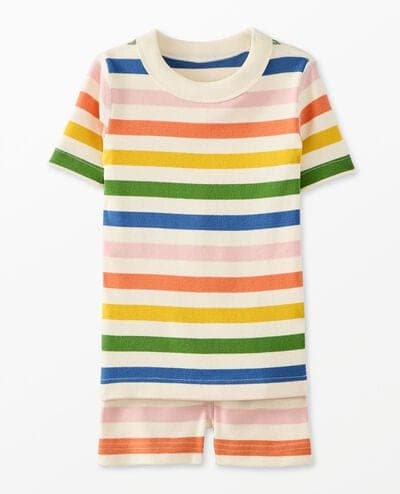
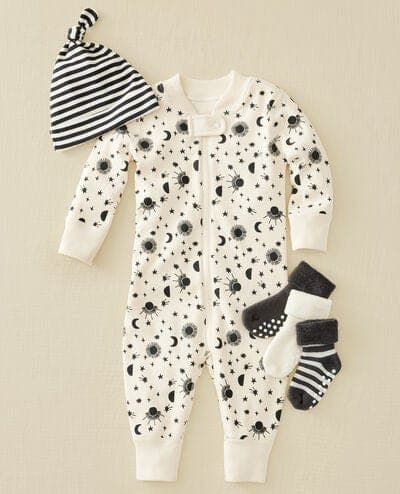
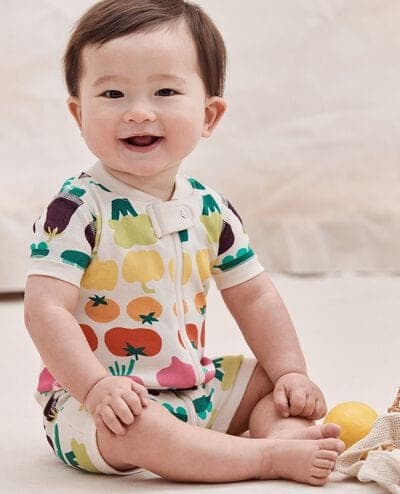
PFAS-aware pajamas and sleepwear: scored picks

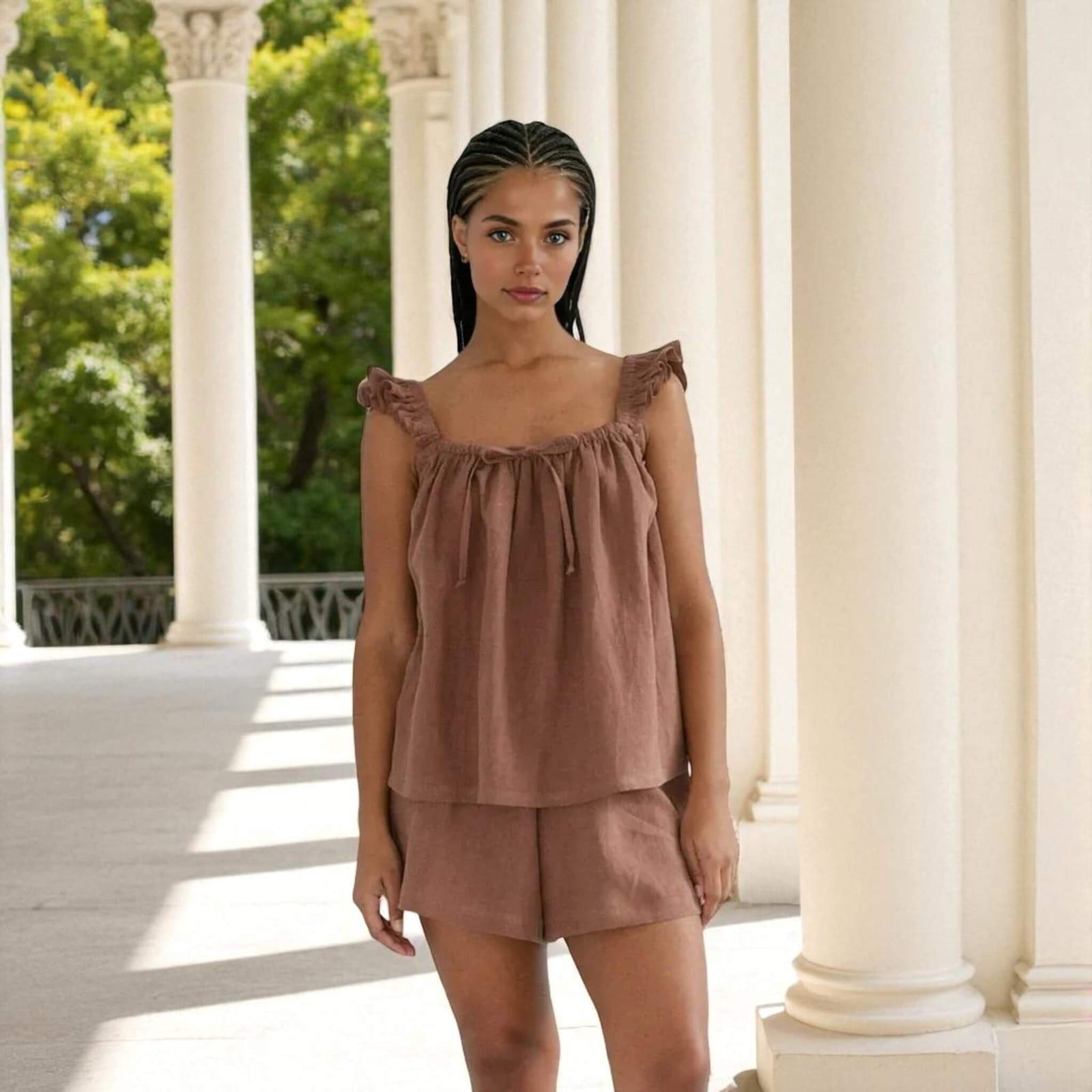
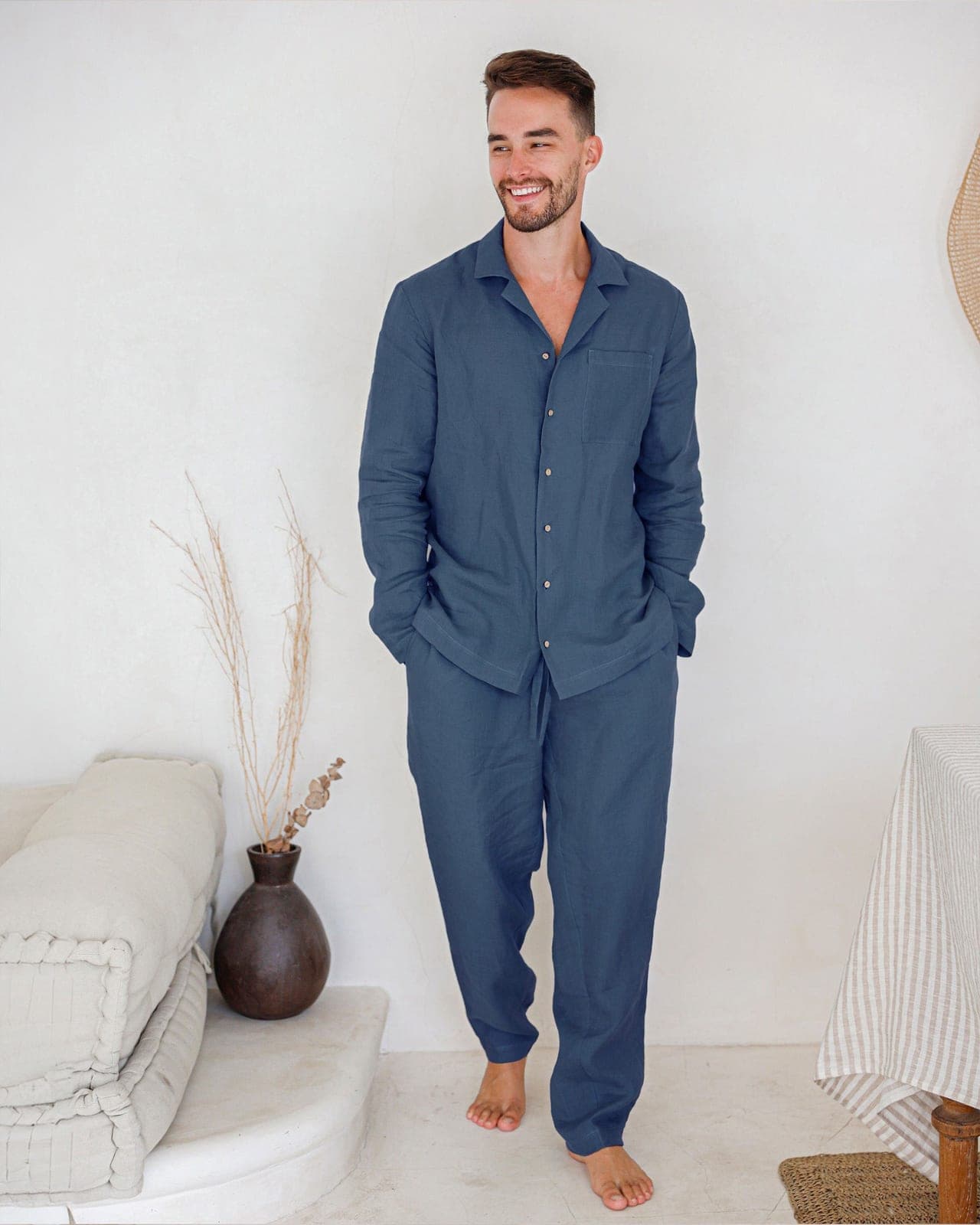
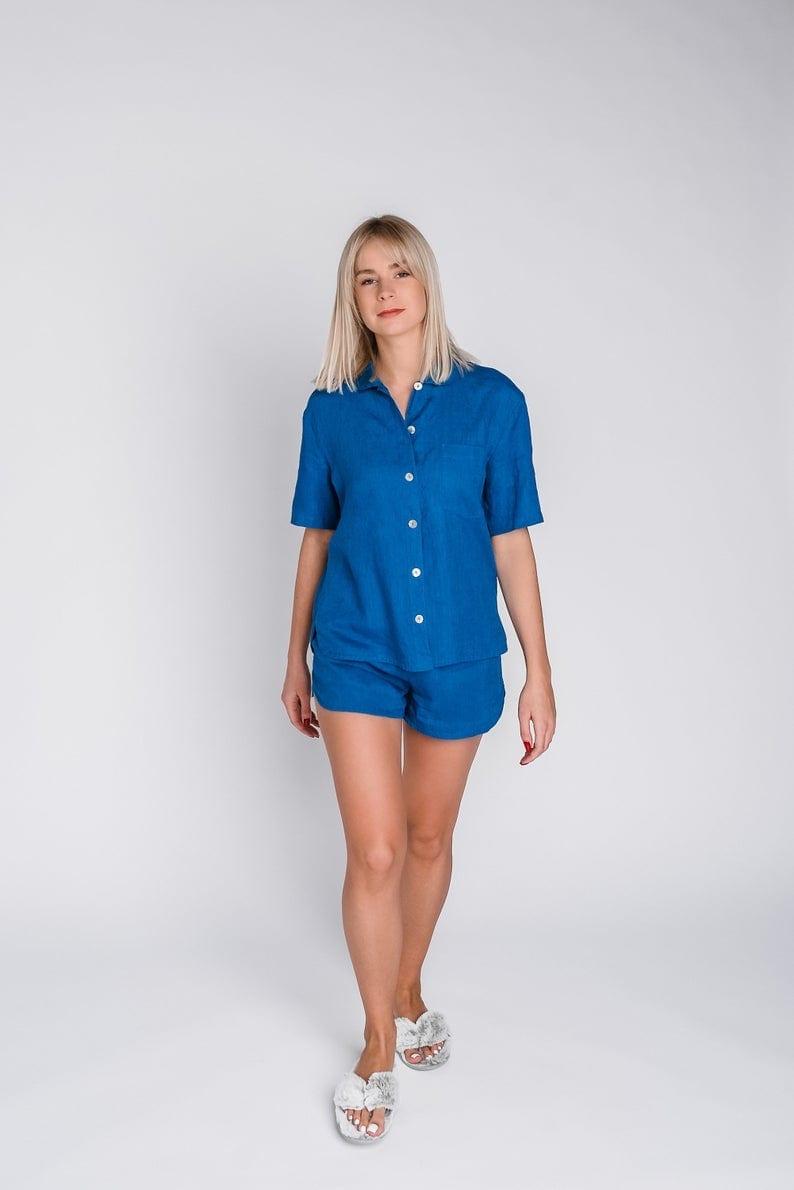
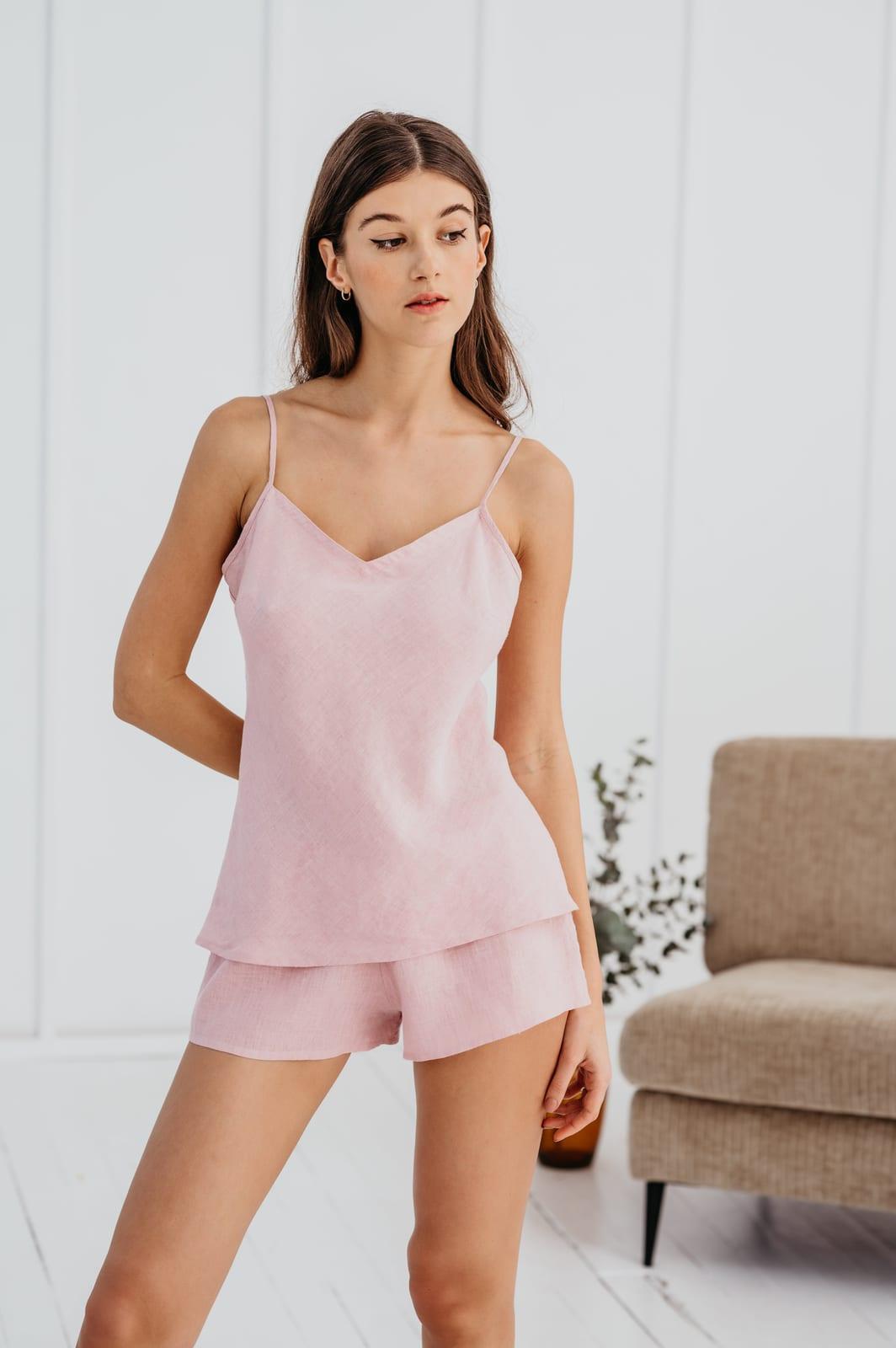
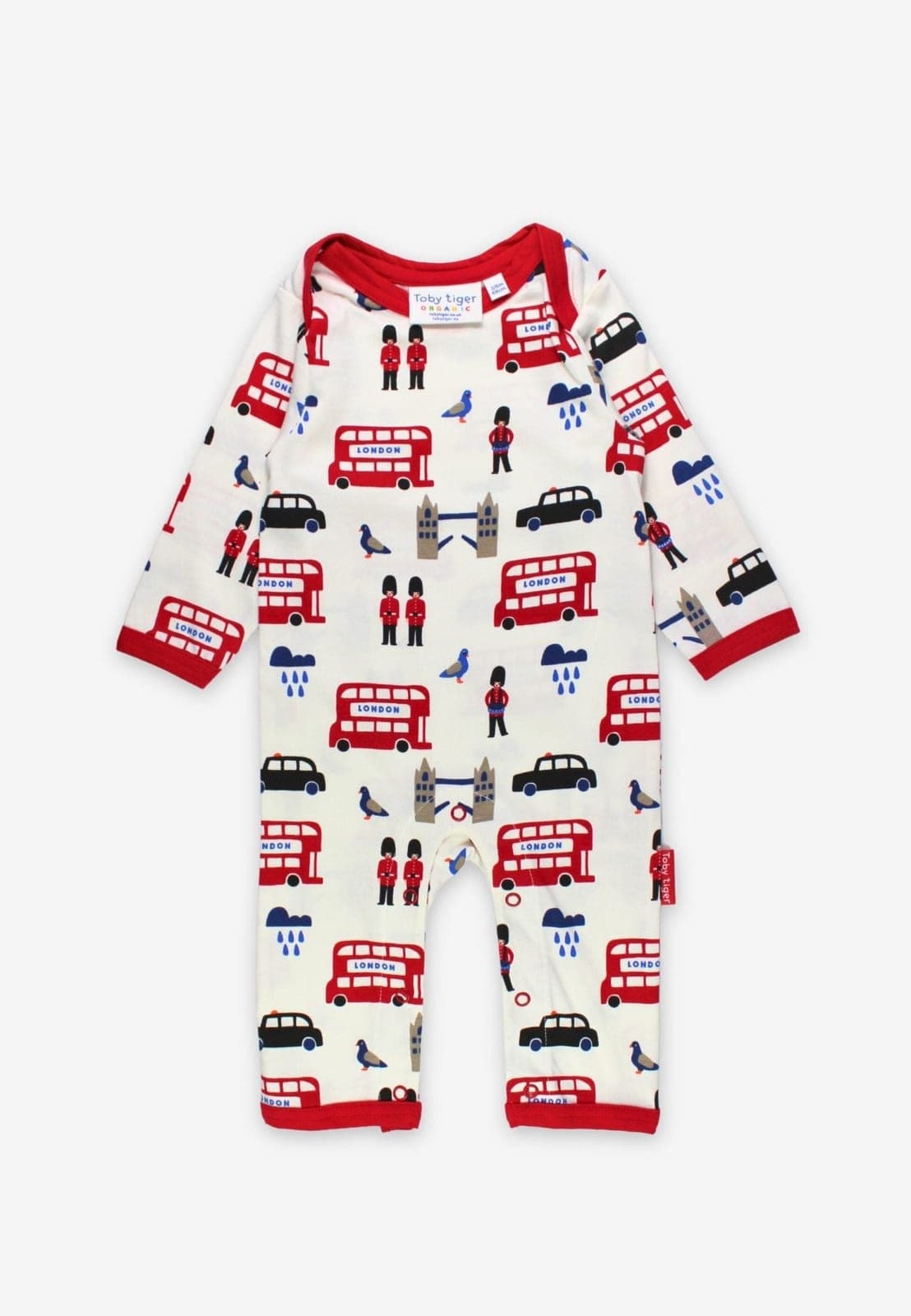
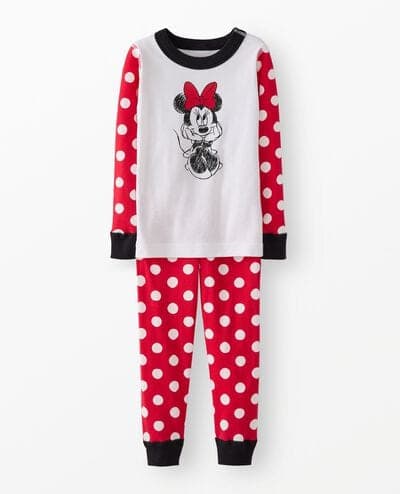
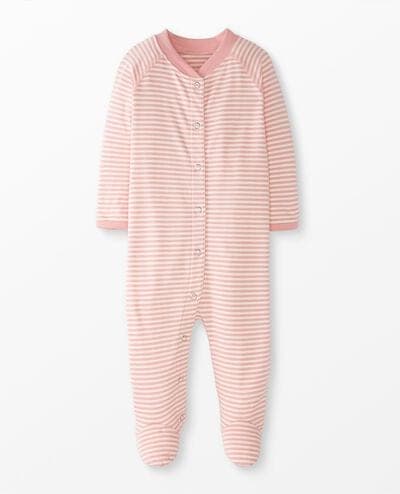
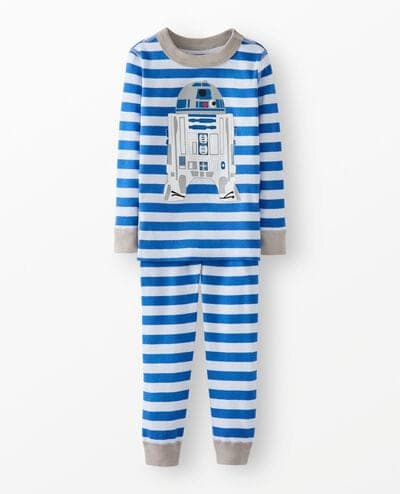
Looking for PFAS-free pajamas or sleepwear? Start with product-specific evidence, not the fiber label alone. The scored products below let you compare disclosed materials and available certifications, but inclusion does not mean every item is PFAS-free or free of other treatments.

Kids and adult sleepwear can share this ranking. Each card shows the department when we have it. A high score is not a safety claim for children, allergies, or chemical sensitivity.

Highest-scoring pajamas and sleepwear we have analyzed

184 visible scored products match this category.

See all pajamas, highest score first

What to check before you buy sleepwear

  1. Read the full fiber-percentage label. Organic cotton, linen, silk, modal, and Tencel often score better on shedding than polyester, but the fiber line cannot prove a finish is absent.
  2. Look for a current, product-specific PFAS-free or fluorine-free statement and read what it actually covers. A brand-wide page is not the same thing as a claim for this garment.
  3. For children’s sleepwear, check the size and fit against the CPSC rules linked below. Those rules set flammability tests. They do not tell you that a synthetic pair was chemically treated or that a natural-fiber pair is exempt or safer.

Fibers that often score better in sleepwear

Use these guides to compare fiber-level microplastic, biodegradability, and shedding factors. A preferred fiber score is not a PFAS-free, treatment-free, or medical-safety claim about the finished garment.

What the fiber label cannot confirm

Fiber composition alone cannot establish whether a finished product received a PFAS, flame-retardant, stain-resistant, antimicrobial, or other chemical treatment. When a retailer or manufacturer does not provide product-specific evidence, treatment status is unknown, not proof that a treatment is absent.

For children’s sleepwear, U.S. flammability rules distinguish garments covered by 16 CFR parts 1615 and 1616 from qualifying infant and tight-fitting garments. The rules set testing and labeling requirements; they do not show that every synthetic garment was chemically treated or that a natural-fiber garment is exempt or safer.

Shopping for a specific brand?

See how popular pajamas and sleepwear brands stack up and find higher-scoring picks.

Have a specific item in mind?

Paste the product URL into the analyzer or paste the fabric label into the homepage checker. Both work without an account.

Pajamas questions

Are all pajamas listed here PFAS-free?

No. Products are listed and ranked from disclosed materials and available certifications; inclusion is not a product-level PFAS-free claim. We rely on a PFAS-free or fluorine-free statement only when a retailer or manufacturer makes it for the specific product and states what the claim covers. Without that evidence, treatment status is unknown.

Can fiber composition show whether pajamas received chemical treatments?

No. Fiber composition alone cannot establish whether a finished product received a PFAS, flame-retardant, stain-resistant, antimicrobial, or other chemical treatment. Check product-specific finish disclosures and certification scope. Absent retailer or manufacturer evidence is unknown, not proof of absence.

What should I check when shopping for PFAS-aware sleepwear?

Look for a current, product-specific PFAS-free or fluorine-free statement and check exactly what it covers. Review the complete fiber-percentage label, performance-finish claims, and the scope of any certification. Greener Closet scores help compare disclosed material impacts; they do not promise safety for allergies, dermatitis, chemical sensitivity, children, or any medical condition.

How do U.S. children’s sleepwear flammability rules affect shopping?

CPSC guidance says children’s sleepwear covered by 16 CFR parts 1615 or 1616 must pass those standards’ flammability tests. Qualifying infant and tight-fitting garments are excepted from those specific sleepwear tests and remain subject to applicable general wearing-apparel flammability requirements. The rules do not establish that a particular garment uses synthetic fibers or received a flame-retardant treatment; check its labels and manufacturer information.

How does Greener Closet score pajamas and sleepwear?

Each product starts at 100 and is scored from its disclosed material composition and available certification information. Material-level penalties across six factors are combined in proportion to the stated fiber blend. The score compares available evidence and is not a medical or product-safety certification.