
Greener Closet

Sweaters and cardigans

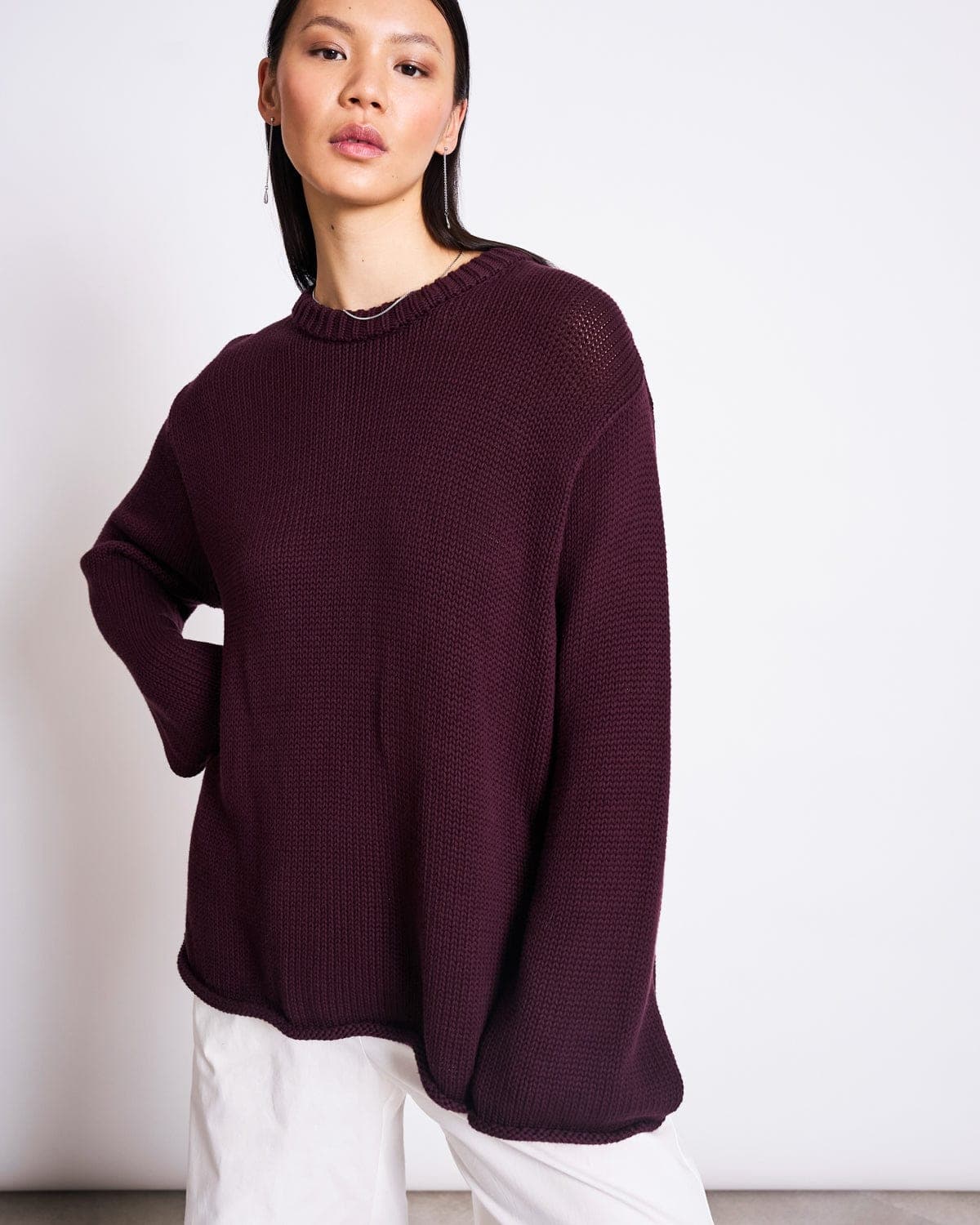
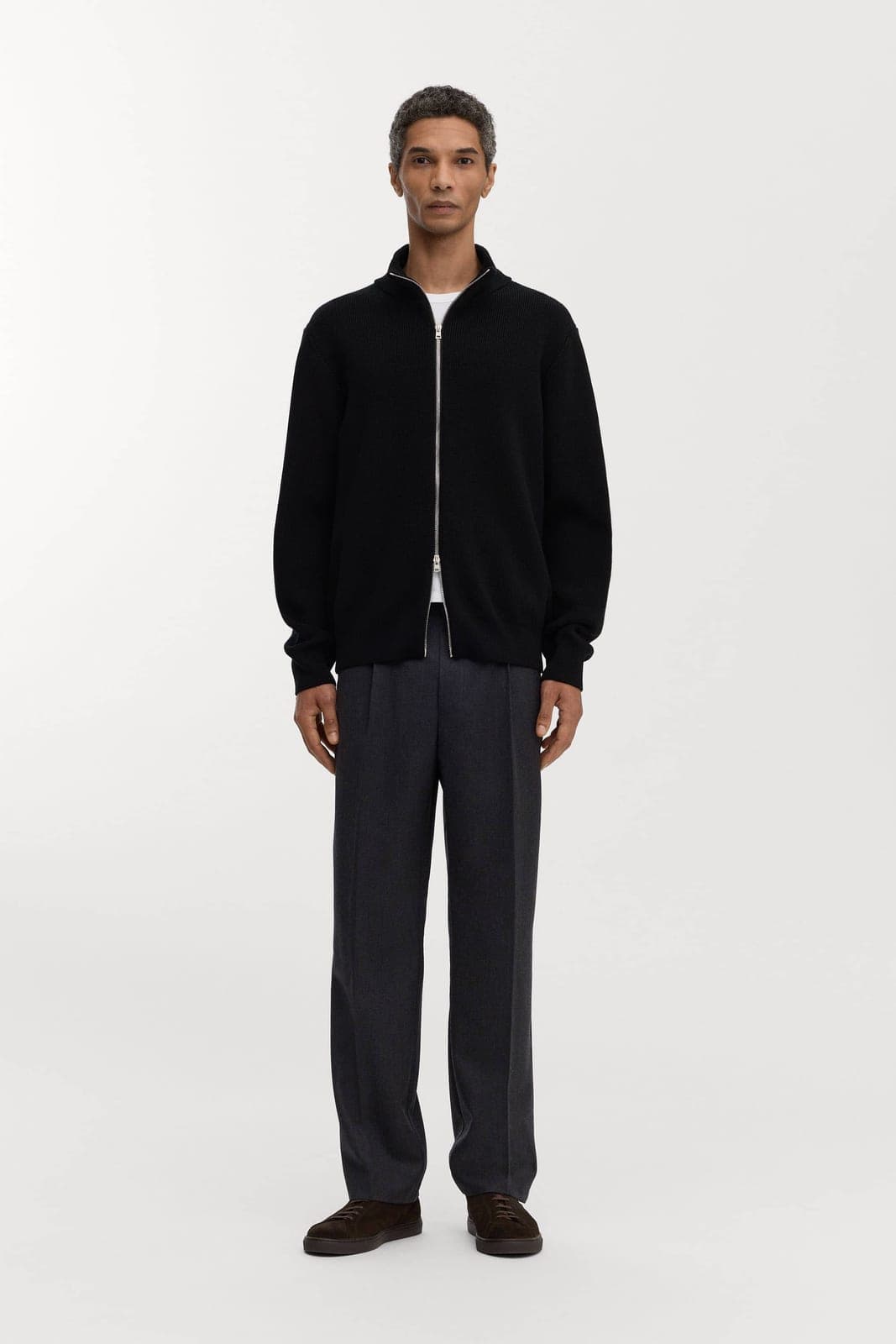
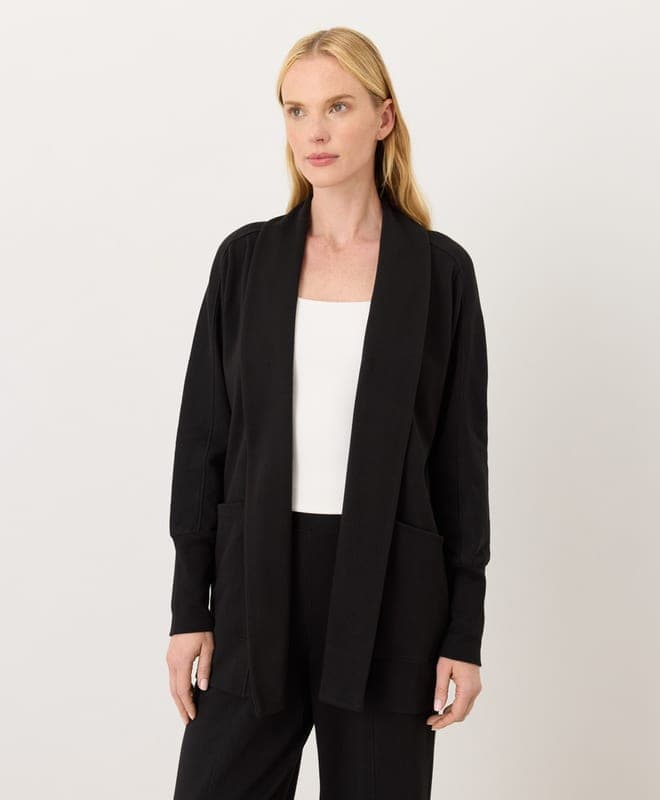
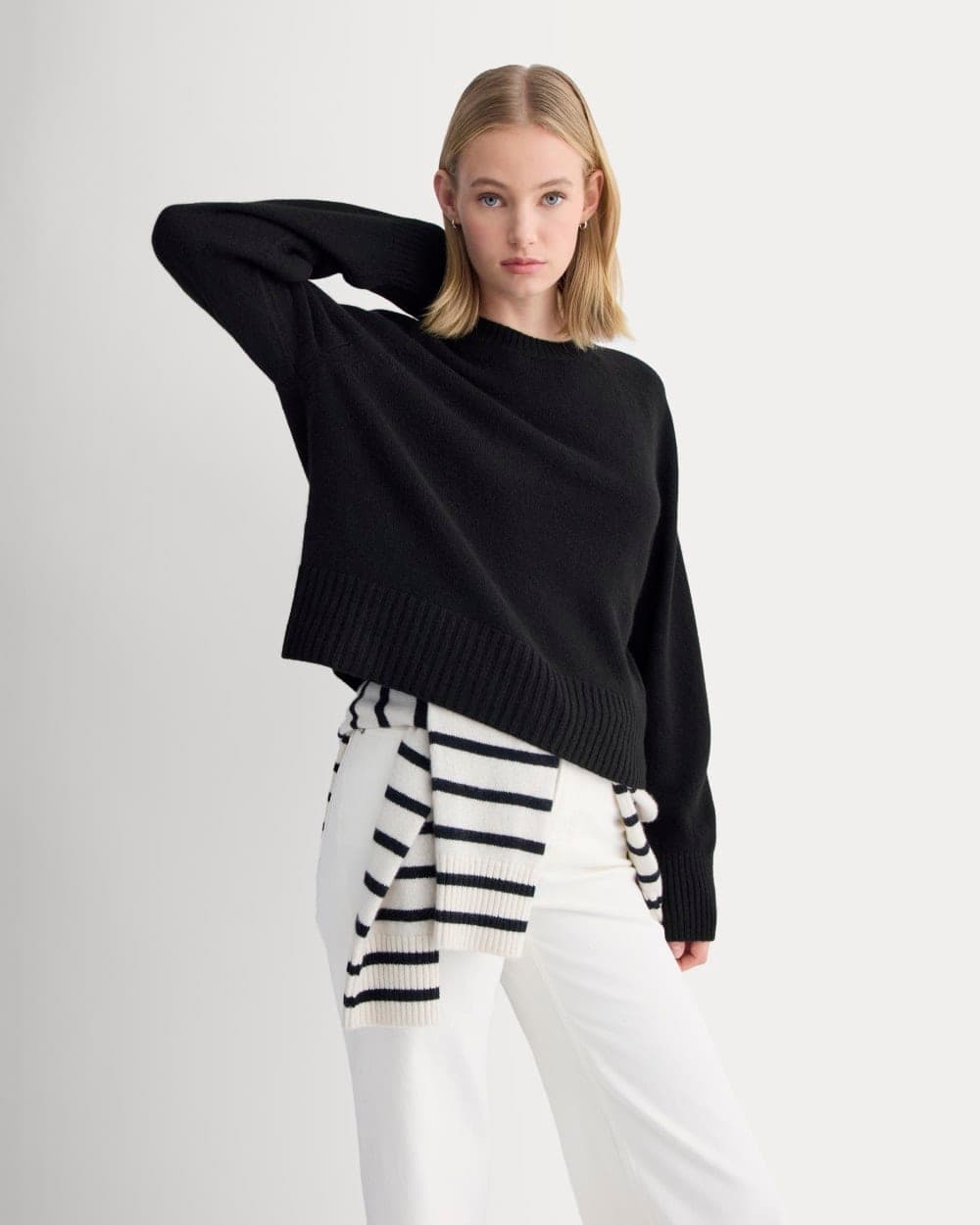
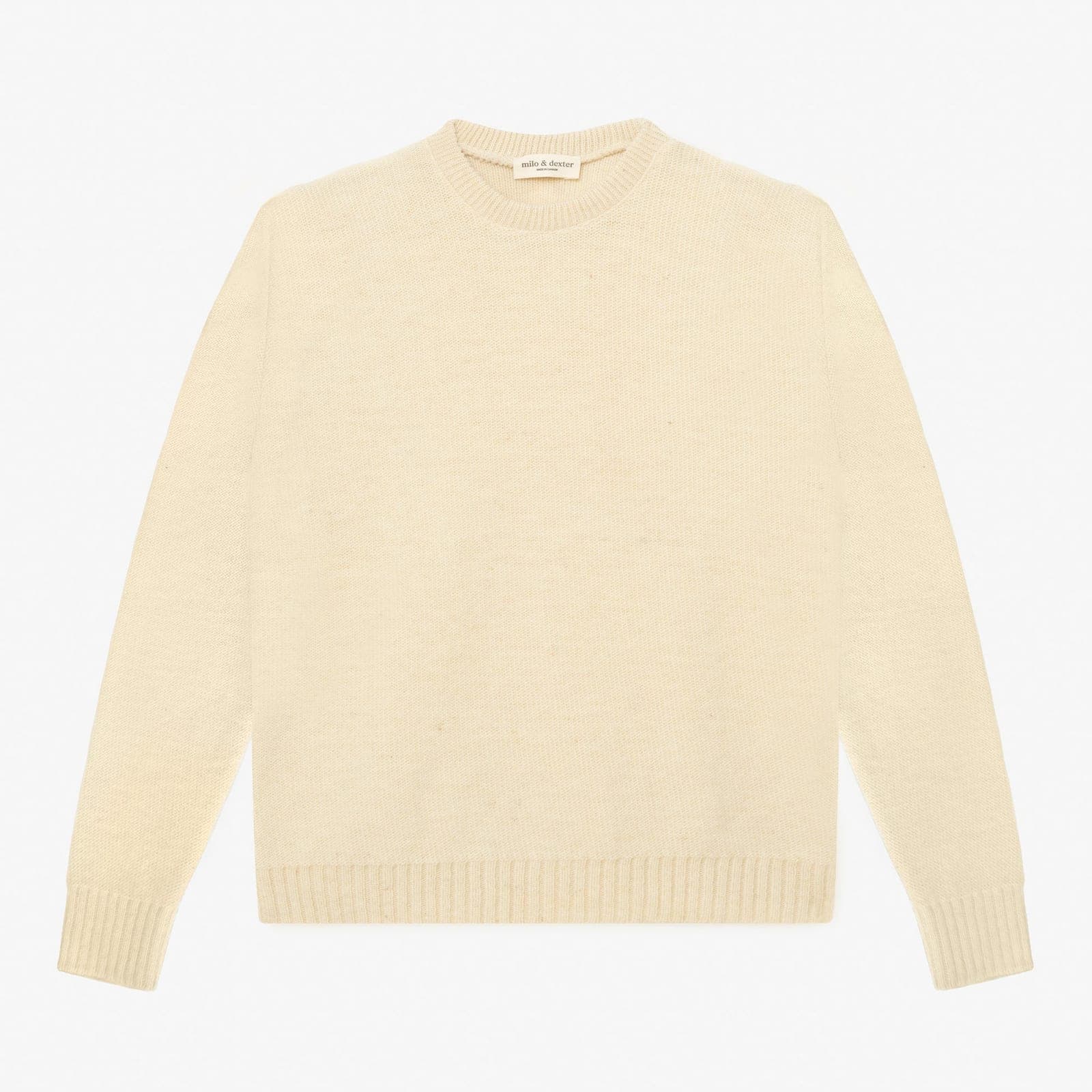
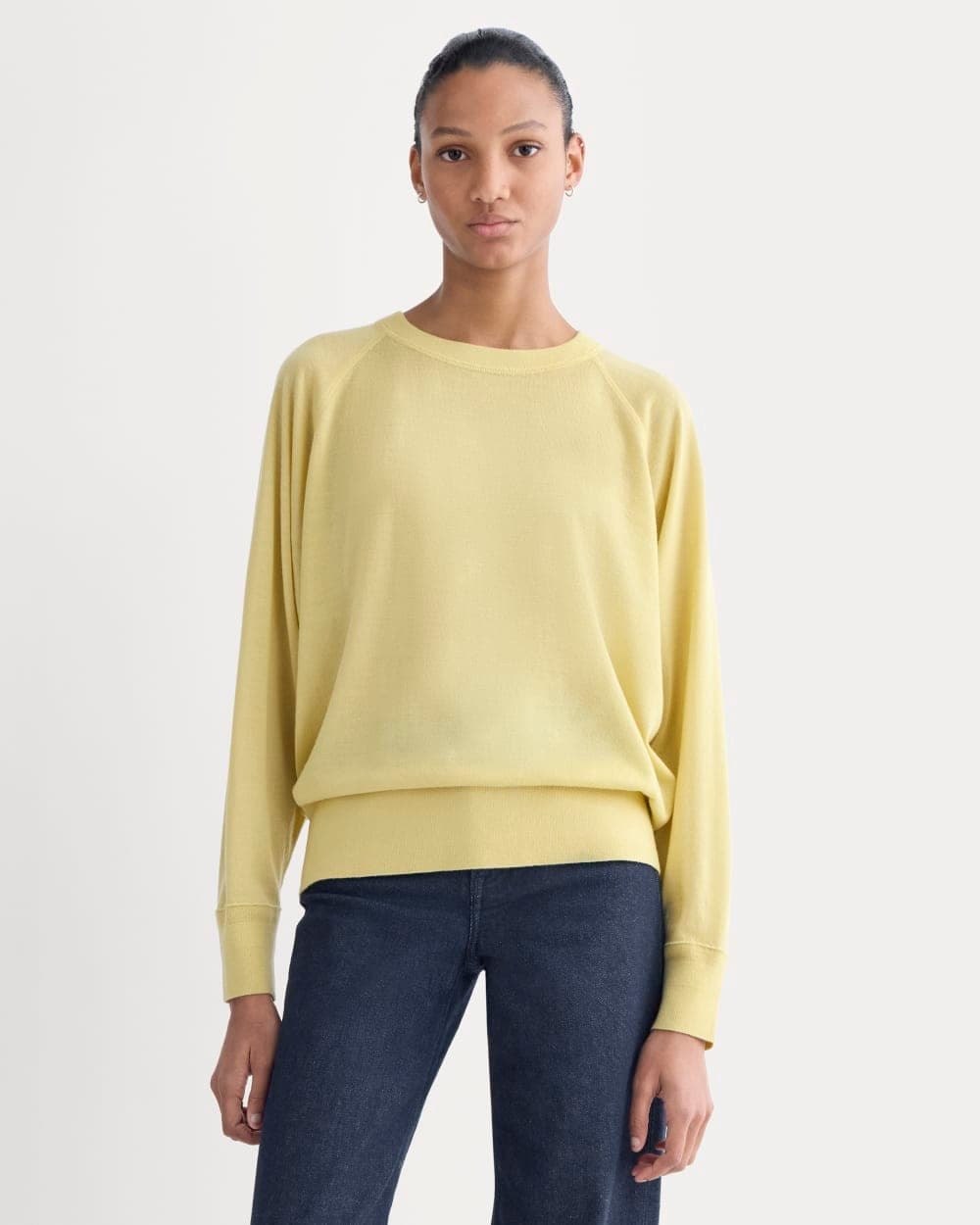
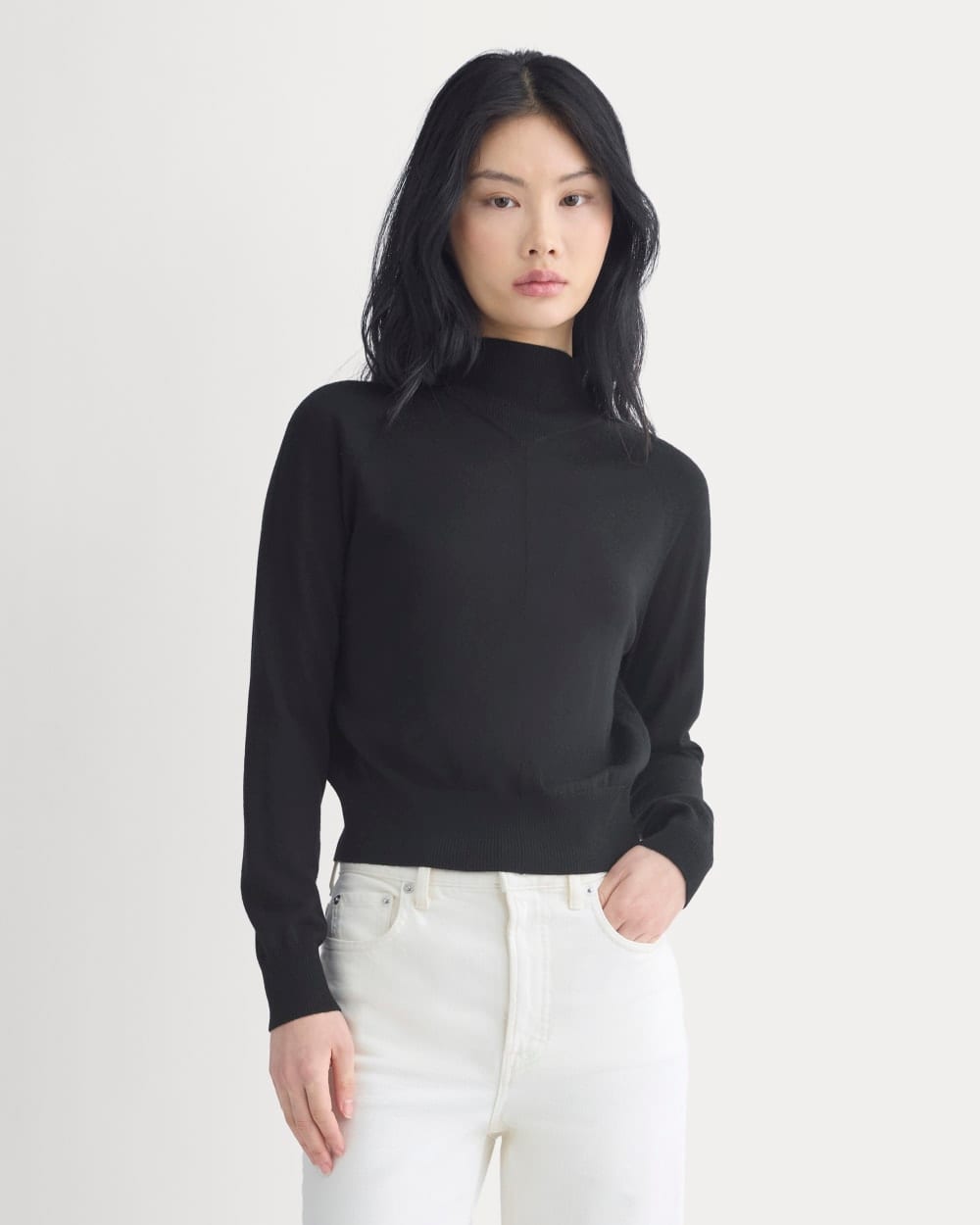
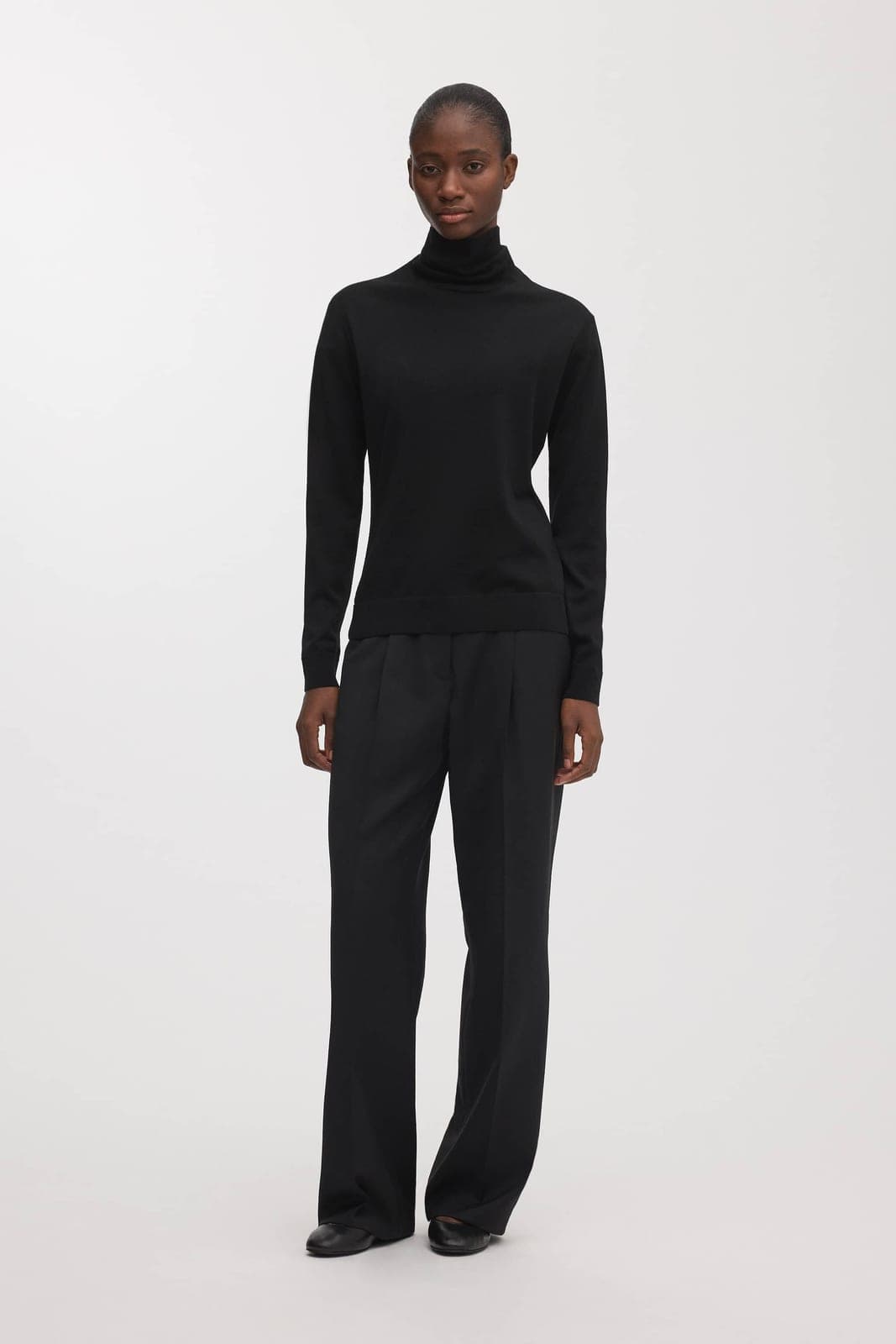
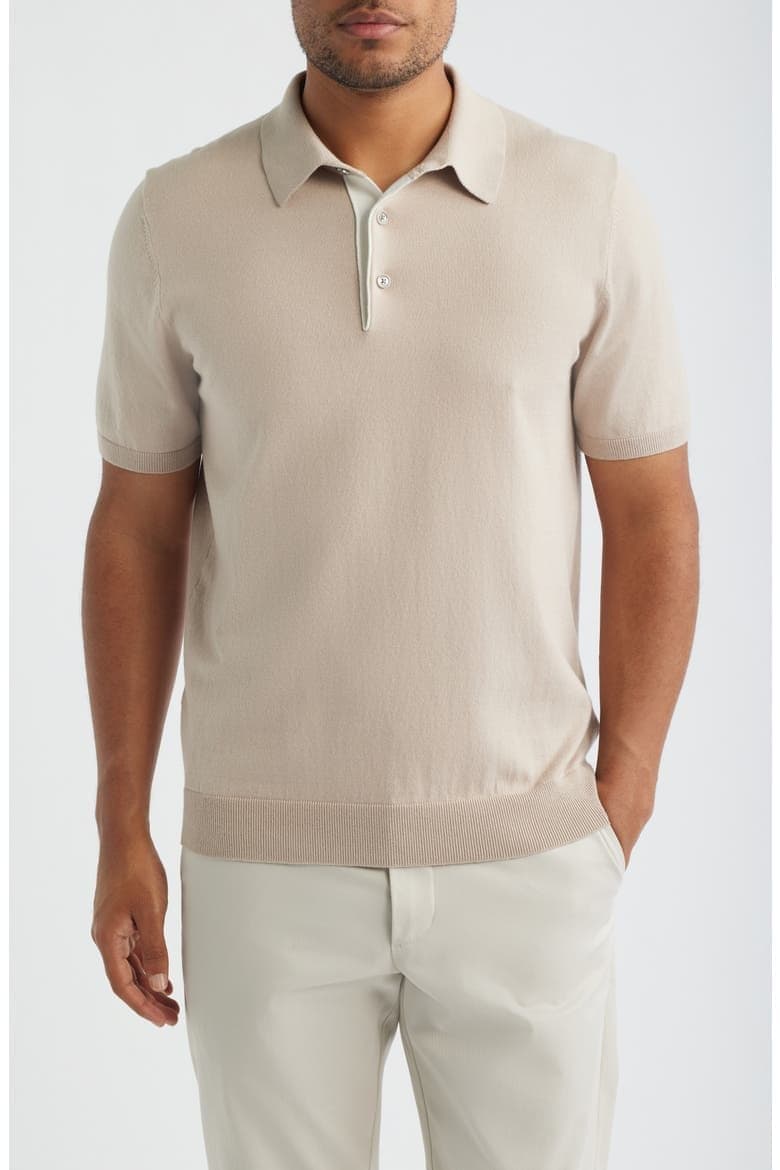
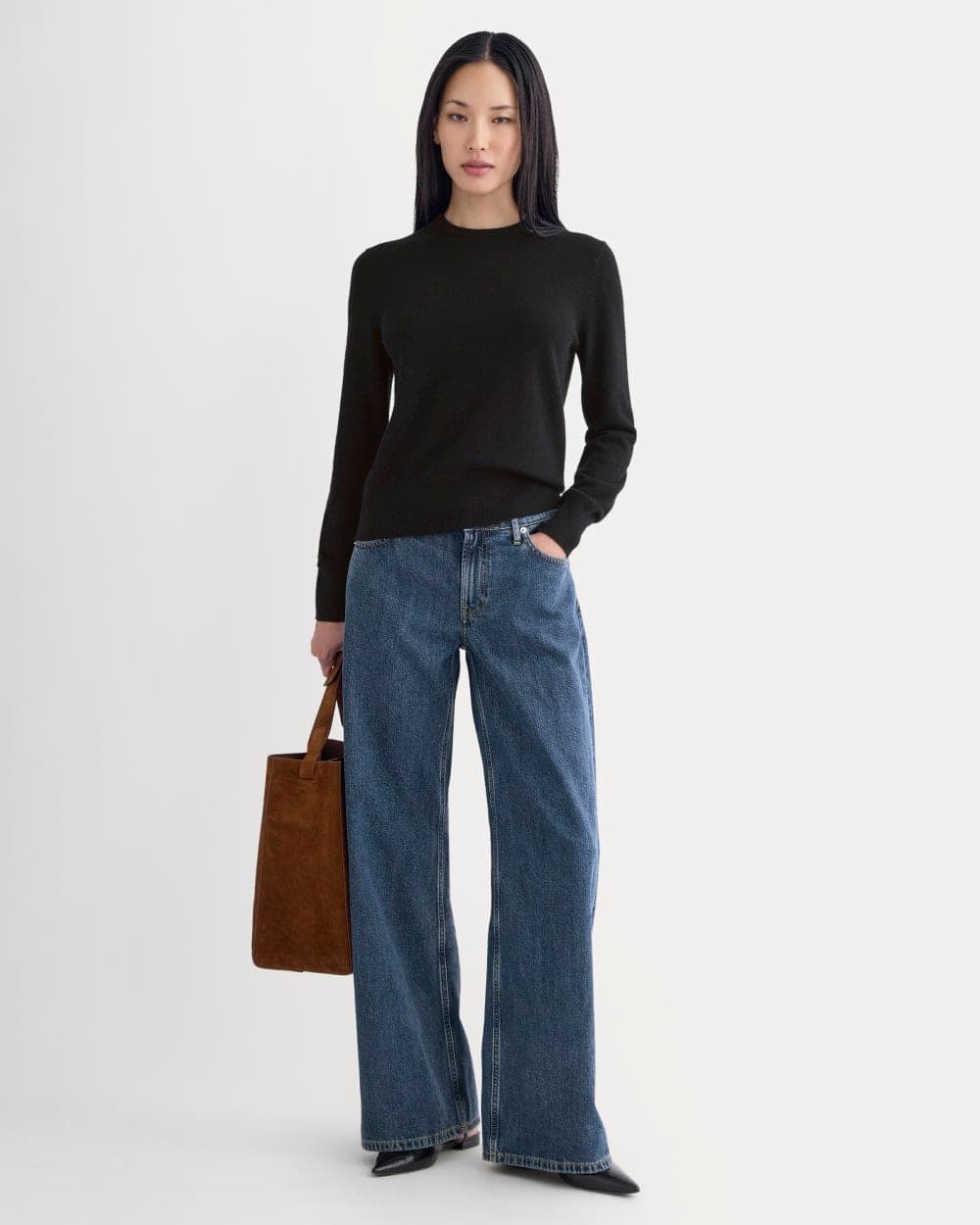
Scored sweaters, ranked by disclosed materials

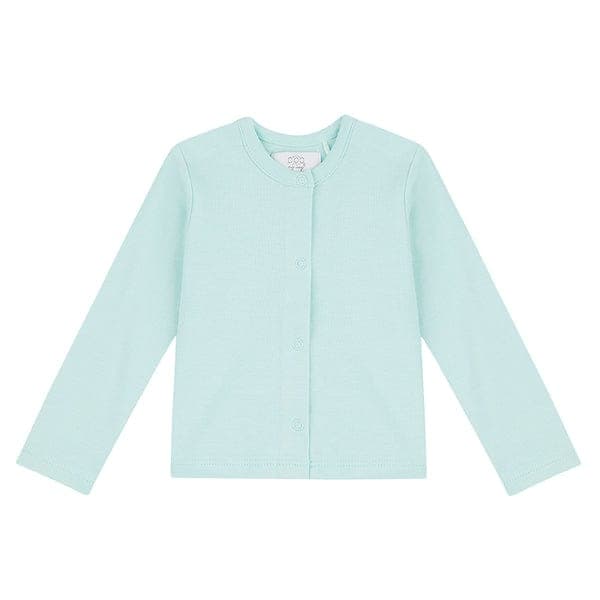
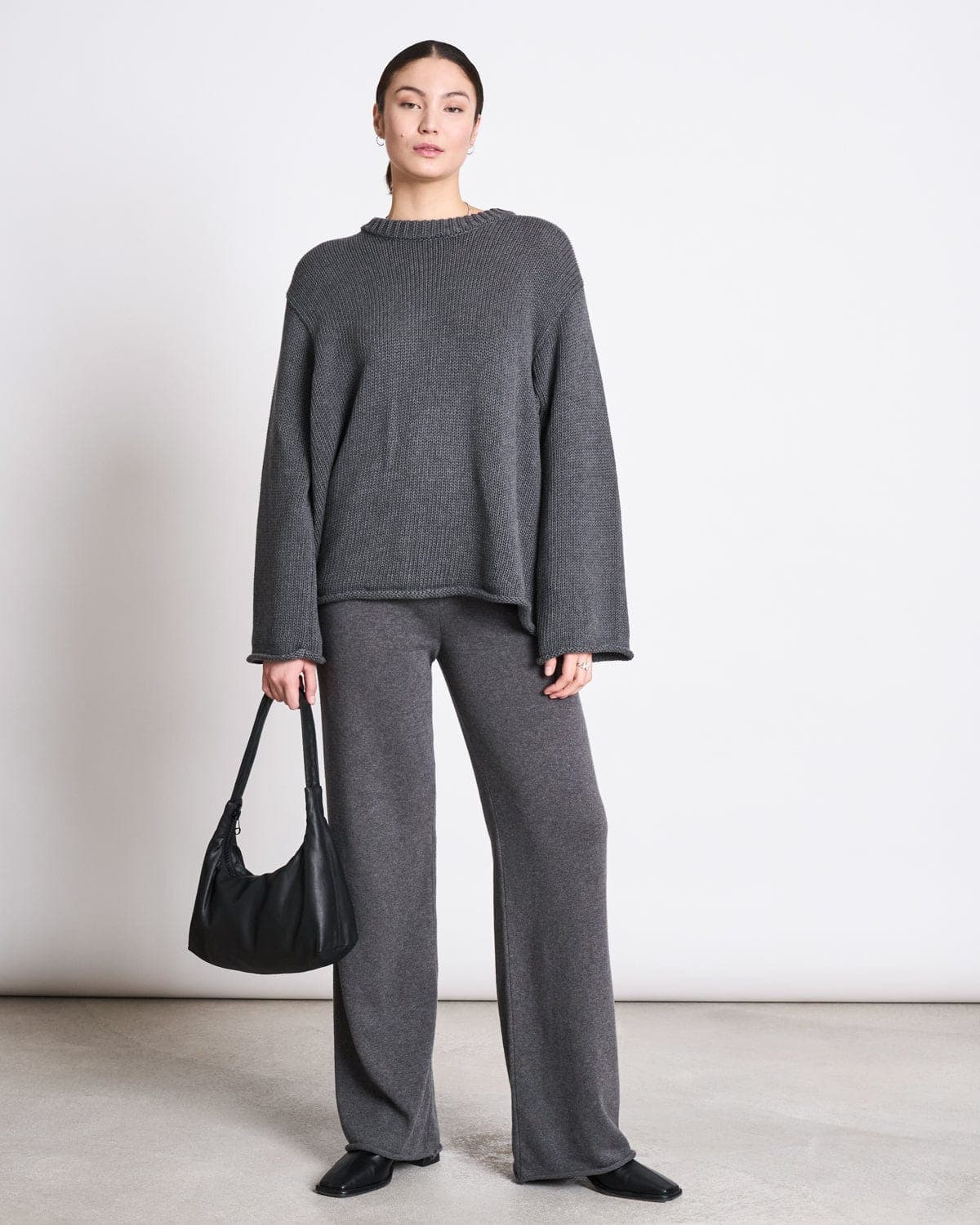
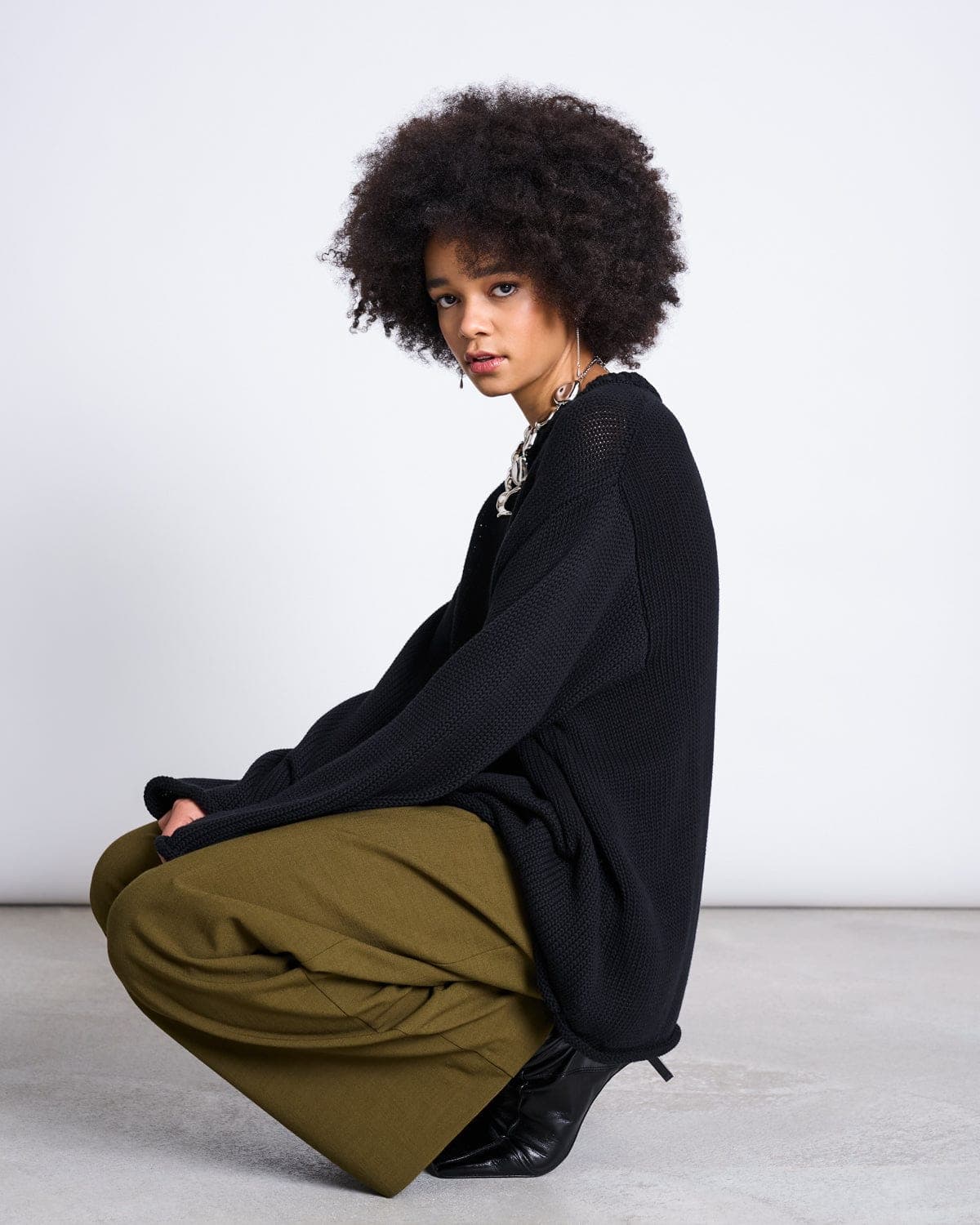
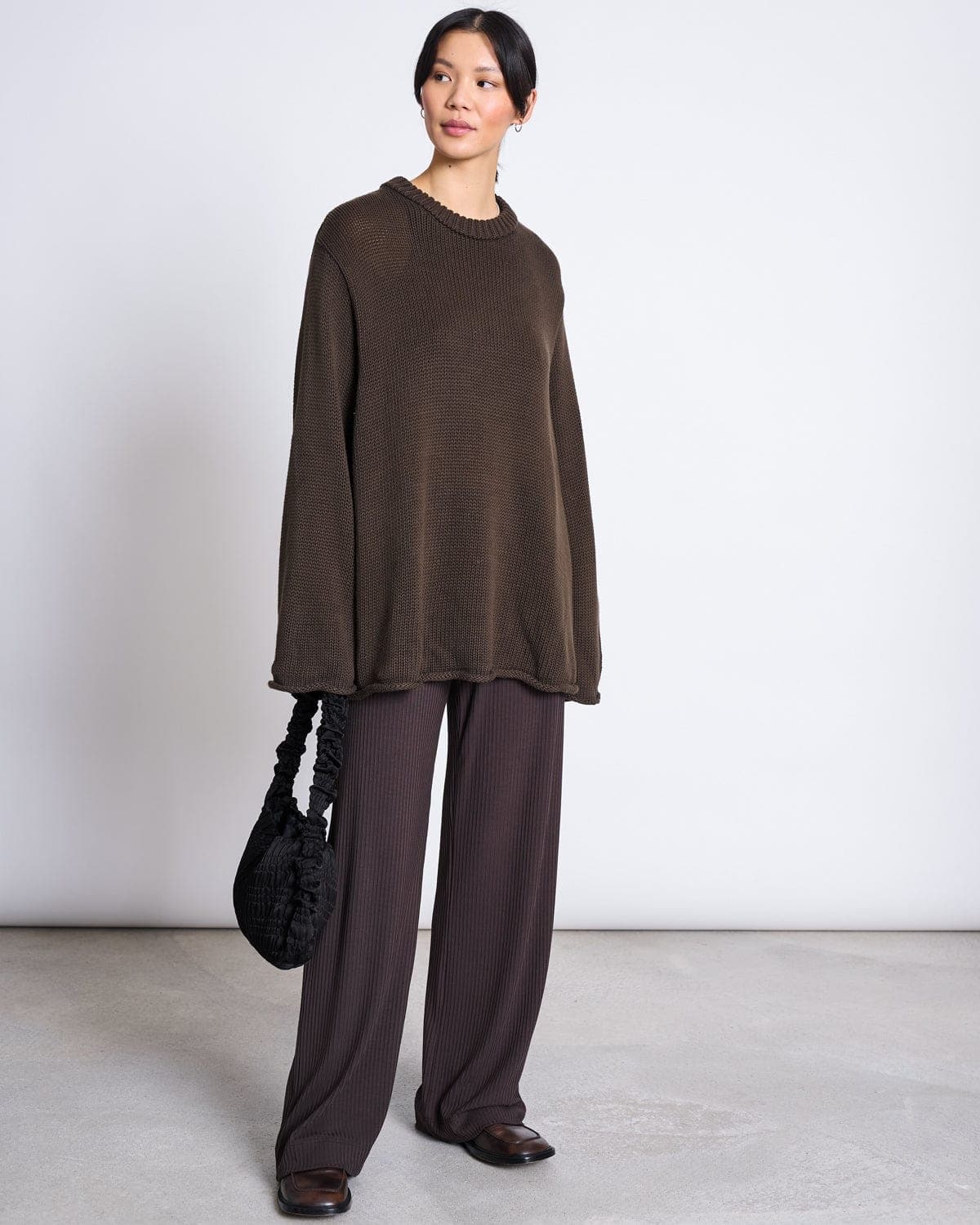
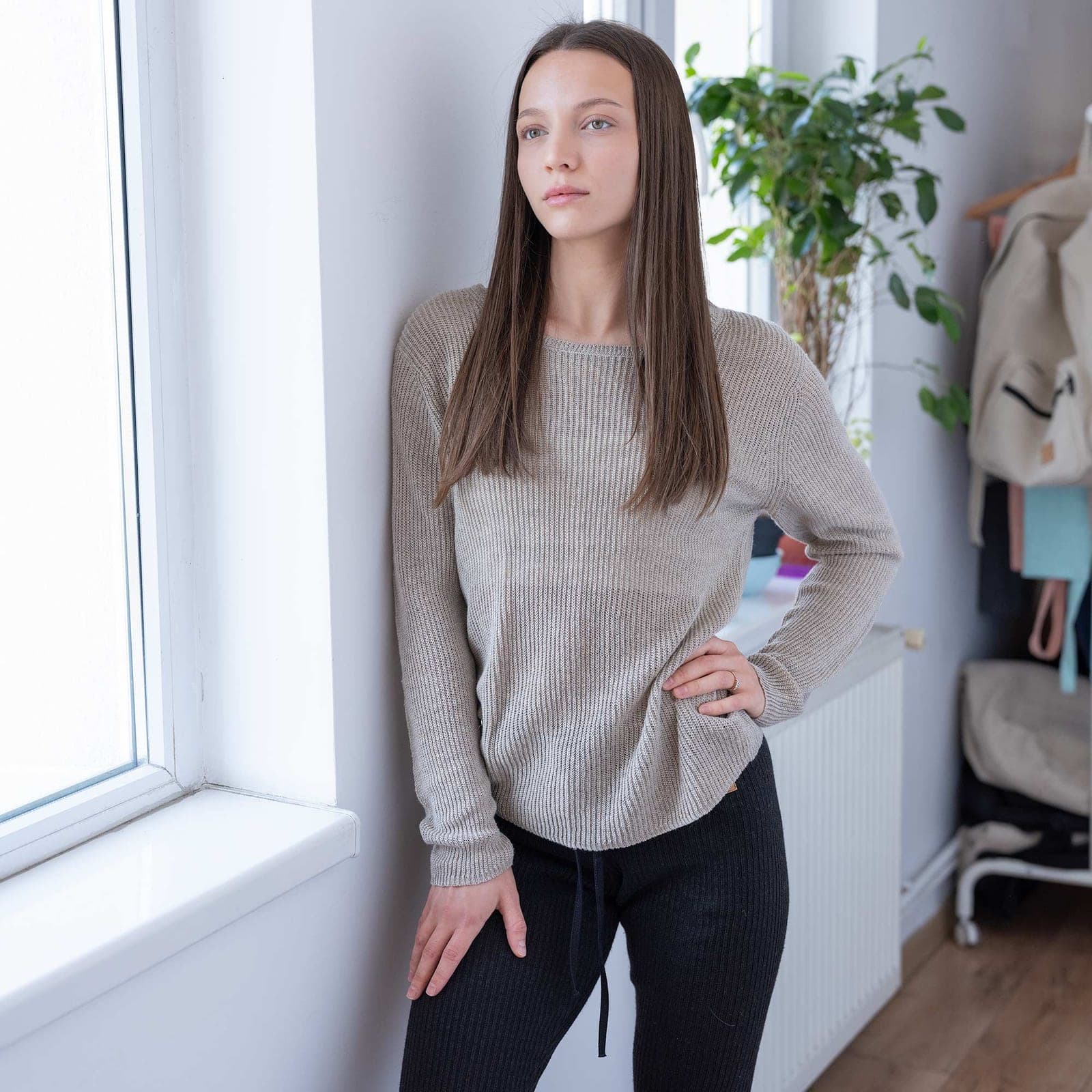
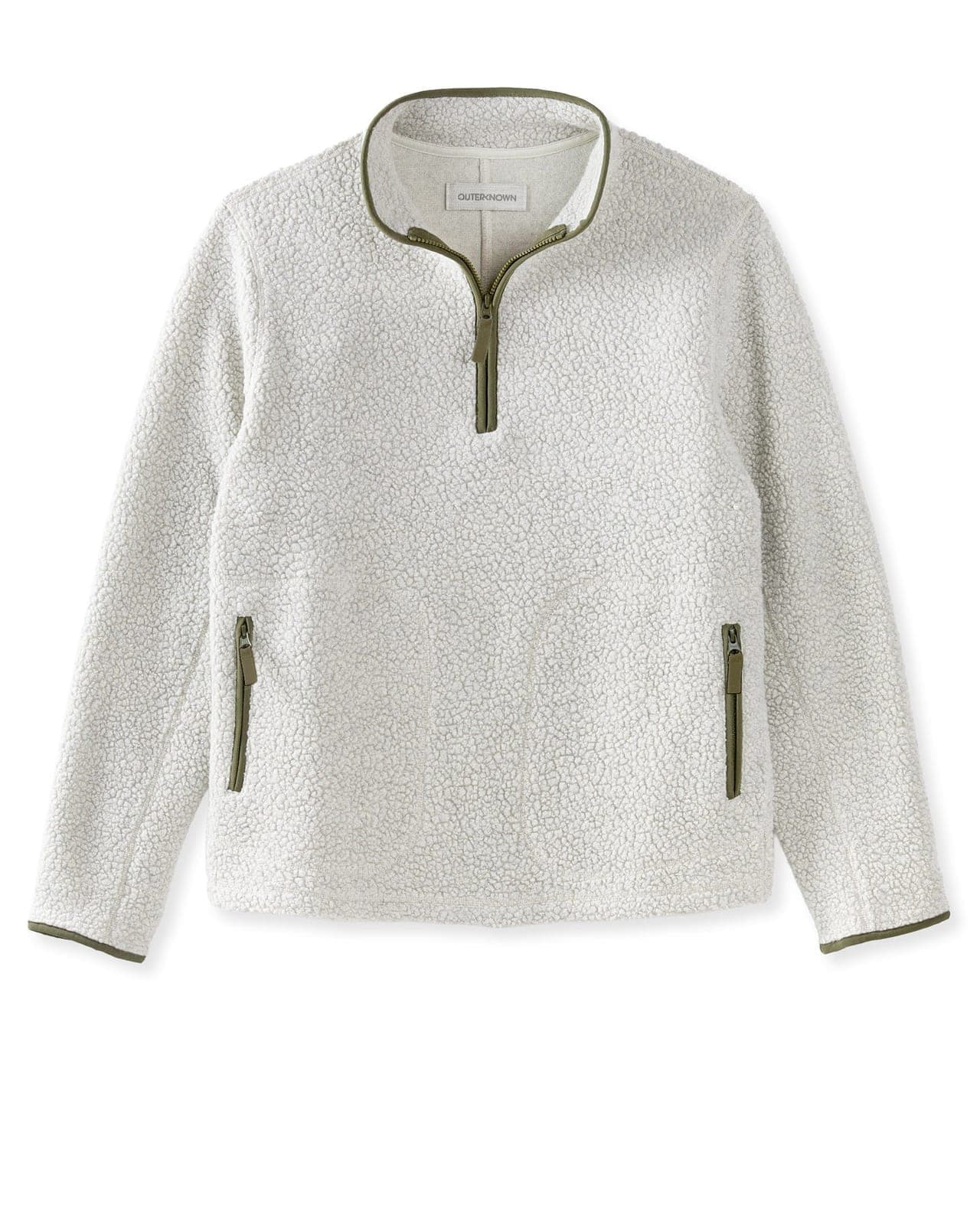
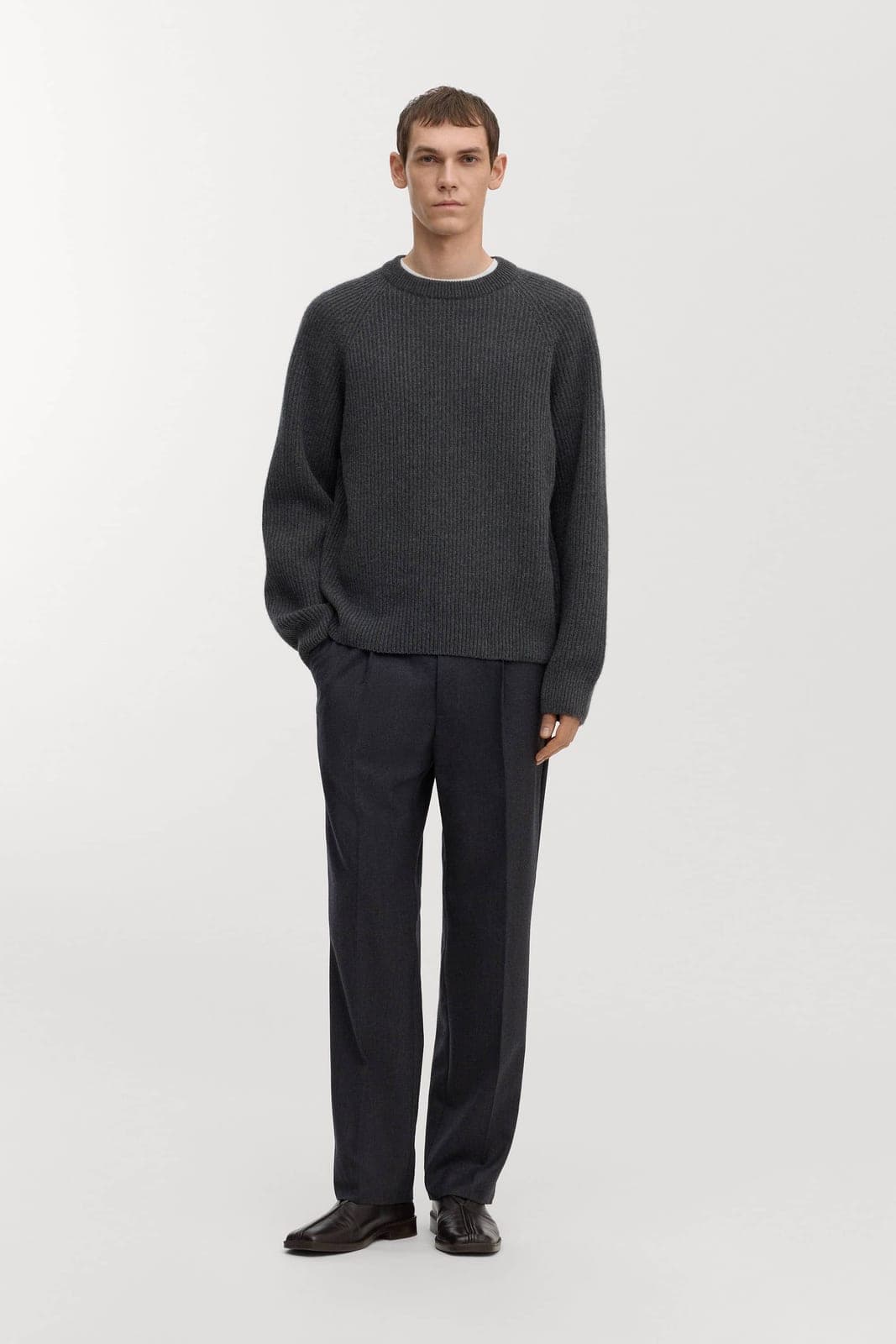
A sweater sold as cashmere or wool can be a blend with acrylic, nylon, or polyester, and the name rarely says how much. This page ranks the sweaters and cardigans we have already scored from the fiber percentages on the listing. Kids and adult knits can share the list; each card shows the department when we have it.

The ranking compares disclosed fibers. It does not grade how a knit wears or pills, and it is not a PFAS-free or medical claim.

Highest-scoring sweaters we have analyzed

124 visible scored products match this category.

View all top-scored products

What to check on a sweater label

  1. Read the full blend. A “cashmere blend” can be mostly wool, viscose, or acrylic with a few percent cashmere, and it scores like whatever makes up most of the yarn.
  2. Cashmere, merino, and other wools are animal fibers. Cotton and linen sweaters are plant fibers. Both groups usually score better than acrylic or polyester knits when they are most of the sweater.
  3. Machine-washable wool is often treated to resist shrinking. The listing rarely names the treatment, so treat it as unknown rather than absent.

Have a specific item in mind?

Paste the product URL into the analyzer or paste the fabric label into the homepage checker. Both work without an account.

Sweaters questions

Is a cashmere sweater always a top pick here?

A sweater that is mostly cashmere usually ranks well. Cashmere blends vary a lot, so the percentage label on the exact sweater matters more than the word cashmere in the name.

Are cardigans and turtlenecks on this page?

Yes, when we have scored them. Cardigans, turtlenecks, and crewneck sweaters share this list. Sweatshirts and hoodies are not included.

Are these sweaters PFAS-free?

Not as a claim from us. We rank disclosed fibers and available certifications, and we only rely on a PFAS-free or fluorine-free statement when it is product-specific and says what it covers.

How do you score sweaters?

Each product starts at 100 and is scored from its disclosed material composition and available certification information. Material-level penalties across six factors are combined in proportion to the stated fiber blend. The score compares available evidence. It is not a medical or product-safety certification. The methodology page has the details.