
Analyzed Product Profile
Outerknown
This Analyzed Product Profile is based on 63 distinct analyzed products in the Greener Closet catalogue. 64 catalogue rows collapse to this distinct-product count. Median, range, and material mix are computed from those products' disclosed composition. They are not a corporate sustainability score.
Highest-scoring analyzed products

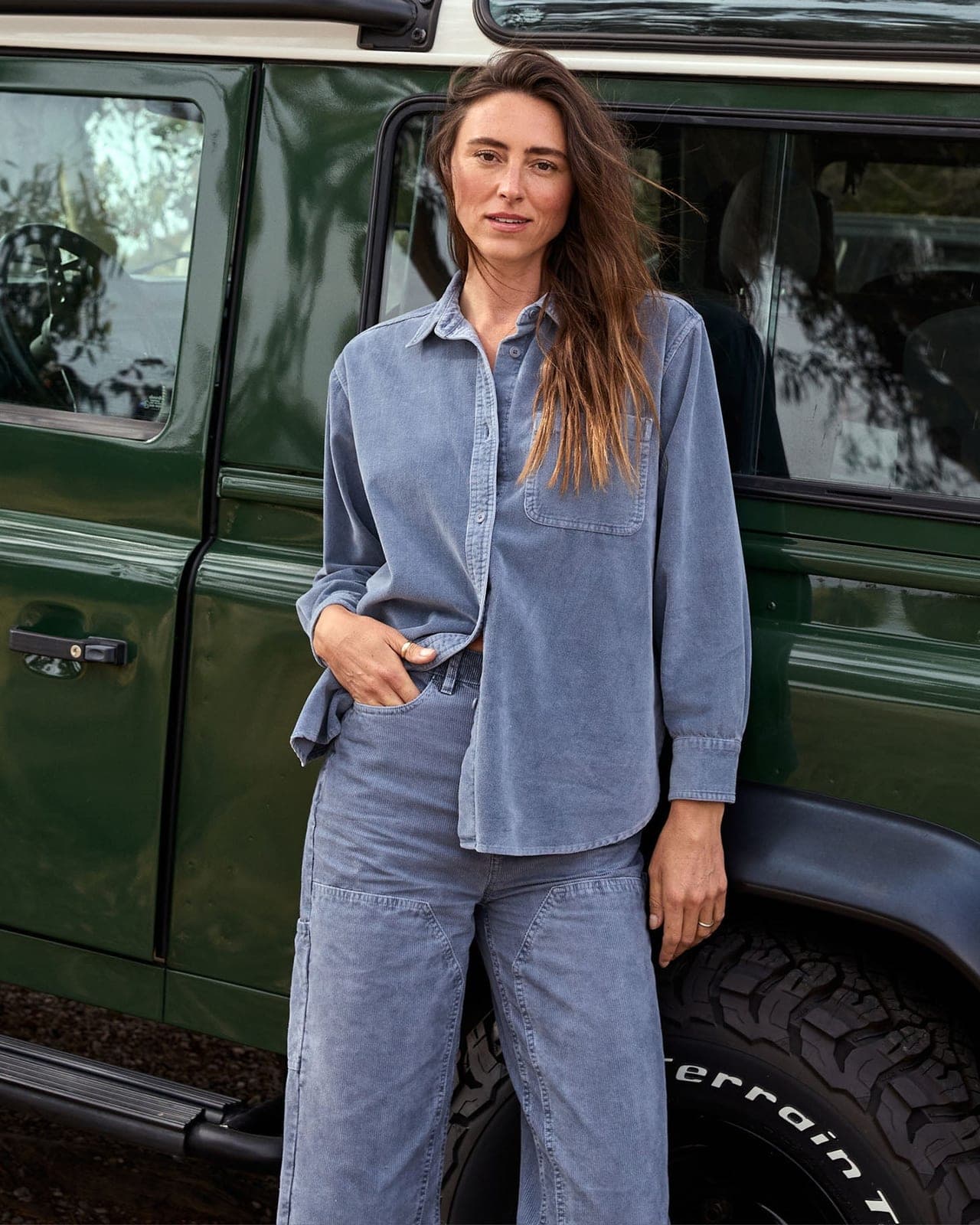
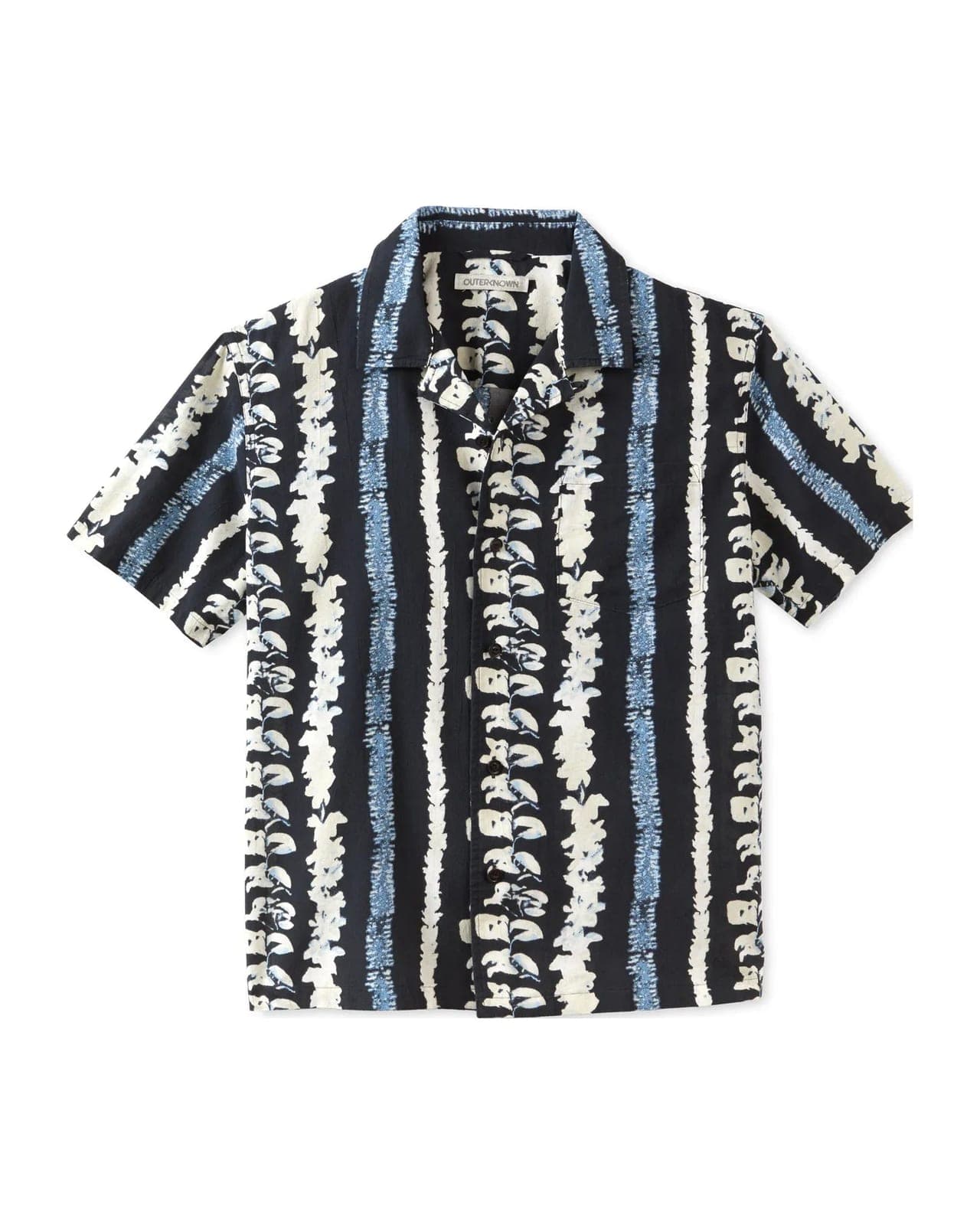
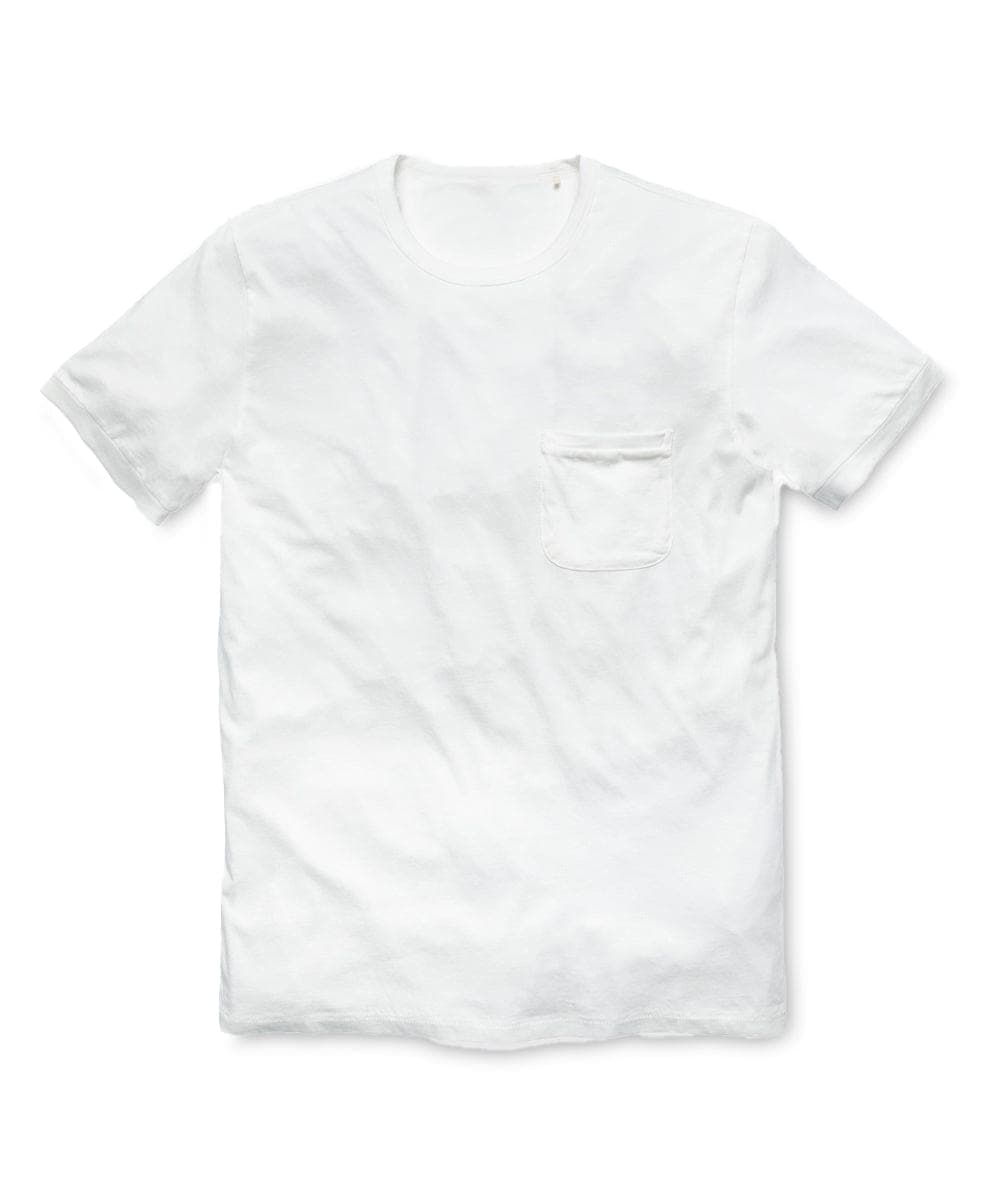
Sample and scores
64 catalogue rows collapse to 63 distinct products: 1 duplicate row folded into a product already counted.
Most common materials
Counted by distinct product, not fiber percentage. One product can appear in several rows.
| Material | Products |
|---|---|
| Organic Cotton | 27 |
| Regenerative Organic Cotton | 15 |
| Recycled Polyester | 11 |
| Spandex | 10 |
| Recycled Wool | 6 |
| Cotton | 4 |
Category mix
| Category | Products |
|---|---|
| Shirts | 27 |
| Pants | 10 |
| Coats and Jackets | 9 |
| Shorts | 5 |
| Denim | 4 |
| Sweaters | 4 |
How these scores are produced
Product scores on this page are produced automatically. We read the composition and certification details a retailer discloses on the product page, match each material to our research database, and apply the published clothing-score process: every product starts at 100; five material factors — microplastics, PFAS, material half-life, production energy, and fiber shedding — apply penalties weighted by how much of the garment that material makes up; a sixth factor, azo dyes, applies to the garment as a whole; and a small adjustment reflects whether any certification was disclosed. GOTS, bluesign, OEKO-TEX Standard 100, and Cradle to Cradle can also mark a product azo-dye-free. We do not lab-test garments. The Analyzed Product Profile then summarizes those product scores. It is not a corporate sustainability score, and it is not the retired LLM brand assessment.
Are you this brand?
If a figure on this page is wrong, send a correction. We aim to respond within 24 hours. A review can temporarily hide a disputed claim; it is not an automatic permanent removal.
Sourced corporate evidence
These are sourced claims, not a corporate score. Missing topics are not assessed, not scored as zero.
Outerknown states that preferred-fiber usage improved from 87% to 95% in 2022. It lists Regenerative Organic Certified cotton, organic cotton, hemp, recycled cotton, recycled nylon, and responsible wool among its preferred fibers.
company_disclosure
Outerknown states that it works with two B Corp Certified suppliers and has eight facilities running on renewable energy.
company_disclosure
Outerknown states that it has mapped 100% of its supply chain and shares its Tier 1 partners through the Open Apparel Registry.
company_disclosure
Outerknown states that its labor standards are aligned with the Fair Labor Association and that it has publicly shared a Fair Compensation Commitment.
company_disclosure
The Fair Labor Association lists Outerknown as a member and records a public commitment related to fair compensation, published May 3, 2022.
certification_registry
Published 2022-05-03
Outerknown states that its use of Regenerative Organic Certified cotton increased from 4.07% to 14.29% by fiber weight between 2023 and 2024, with projects in Peru and India.
company_disclosure
Outerknown states that its Outerworn resale platform had kept 1,818 pieces of Outerknown clothing out of landfills and in circulation at the time of the disclosure.
company_disclosure
- Not assessed — Carbon and greenhouse-gas emissions
- Not assessed — Water
- Not assessed — Animal welfare