Microplastics
Material-class model assumption
Cotton is recorded as Natural Fiber with no listed microplastic polymer, so it does not add a microplastic-source penalty.

Cotton is a plant cellulose fiber. A cotton label identifies the disclosed fiber, not the pesticides used in farming, the dye, or any wrinkle or stain finish. Conventional cotton is not automatically safer or more hazardous than a synthetic on every factor.
Everyday tees, underwear, denim, and kids' basics where breathability matters more than stretch or water resistance.
U.S. fiber labels must name cotton when it is present, but they are not required to list processing chemicals. Farming inputs and finishing chemistry are separate questions from the fiber name.
Without a product-specific certification or finish disclosure, dyes and residuals remain unknown. Organic farming claims need their own standard; they are not implied by the word cotton.
Reviewed 2026-09-05.
MaterialsDB records cotton as a natural cellulose fiber with no listed microplastic polymer. Remaining score pressure, if any, comes from other recorded defaults such as processing energy—not from a test of a particular shirt.
Cotton is recorded as Natural Fiber with no listed microplastic polymer, so it does not add a microplastic-source penalty.
MaterialsDB does not apply a base PFAS penalty to Cotton. Product-level water, stain, or performance finishes can still change PFAS risk.
Cotton has no persistence penalty in MaterialsDB, which generally reflects better biodegradability than petroleum-based synthetics.
Cotton has no default microfiber-shedding penalty in MaterialsDB. Garment construction and laundering still matter.
Cotton carries a manufacturing-energy penalty, so production impacts remain part of the score even when microplastic risk is low.
Paste the full fabric label into the homepage checker. A 95% cotton, 5% elastane garment will not score the same as 100% cotton, and the checker handles those percentages.
Use the material-label checker1293 visible scored products include Cotton.
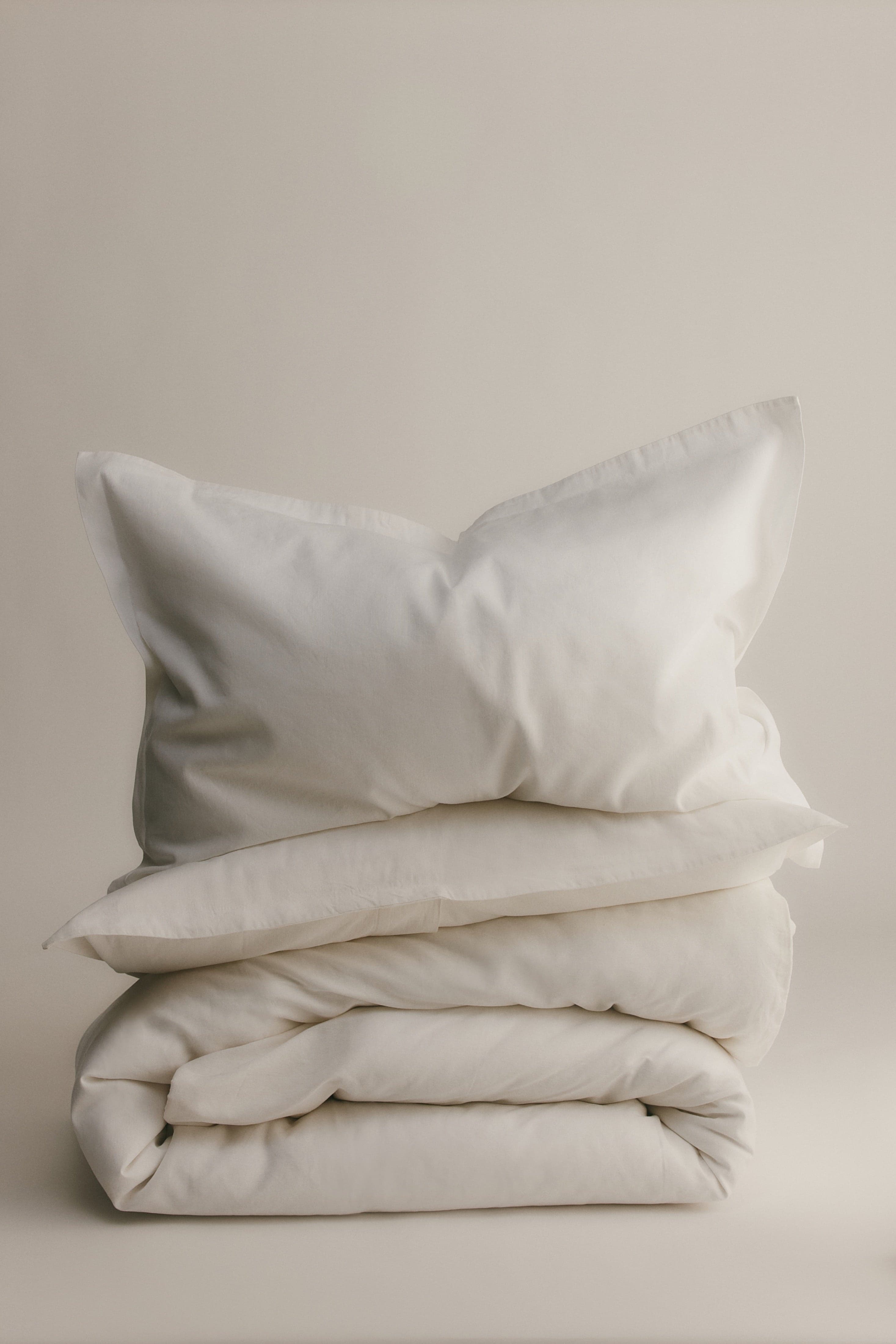
Brand: Kotn
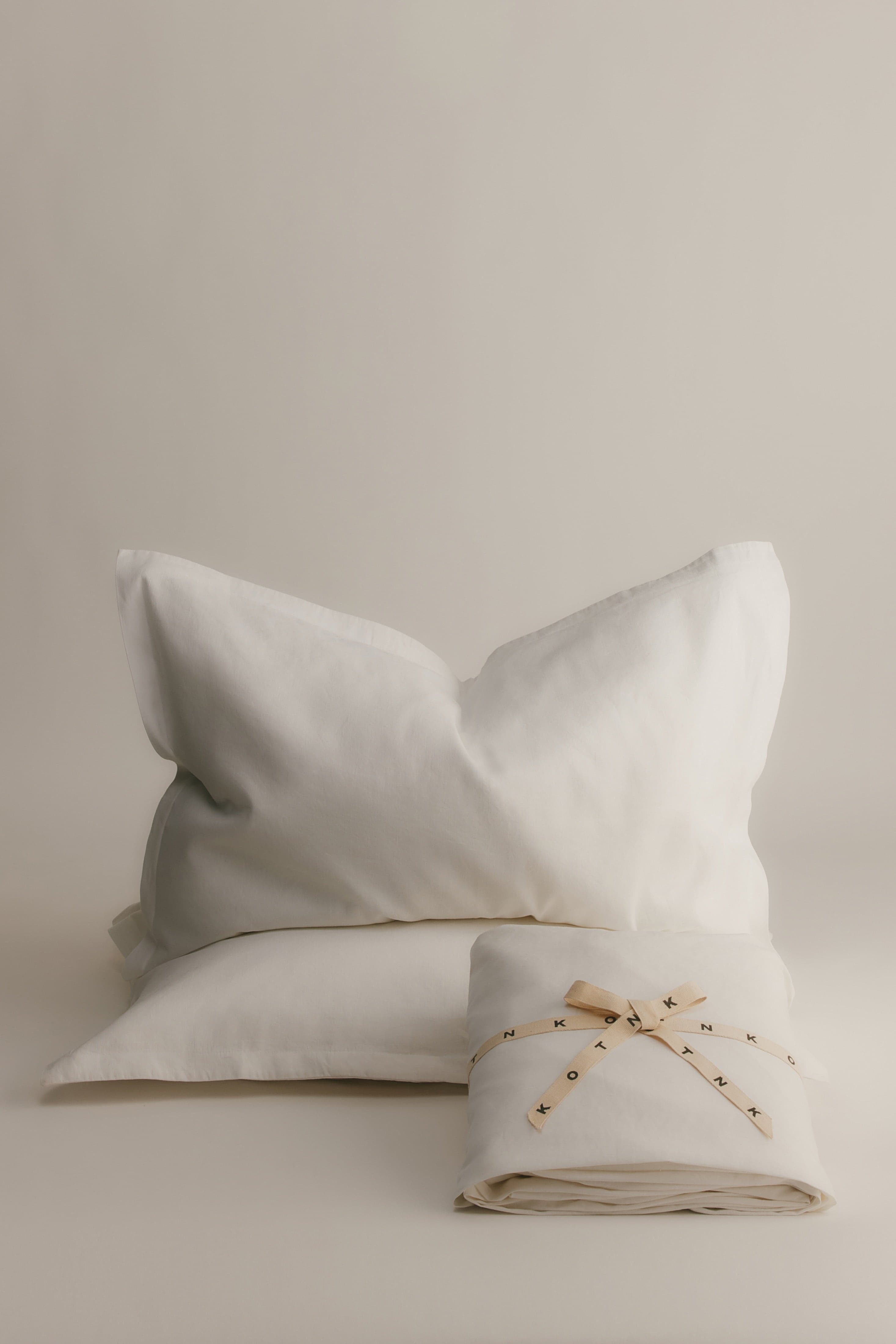
Brand: Kotn
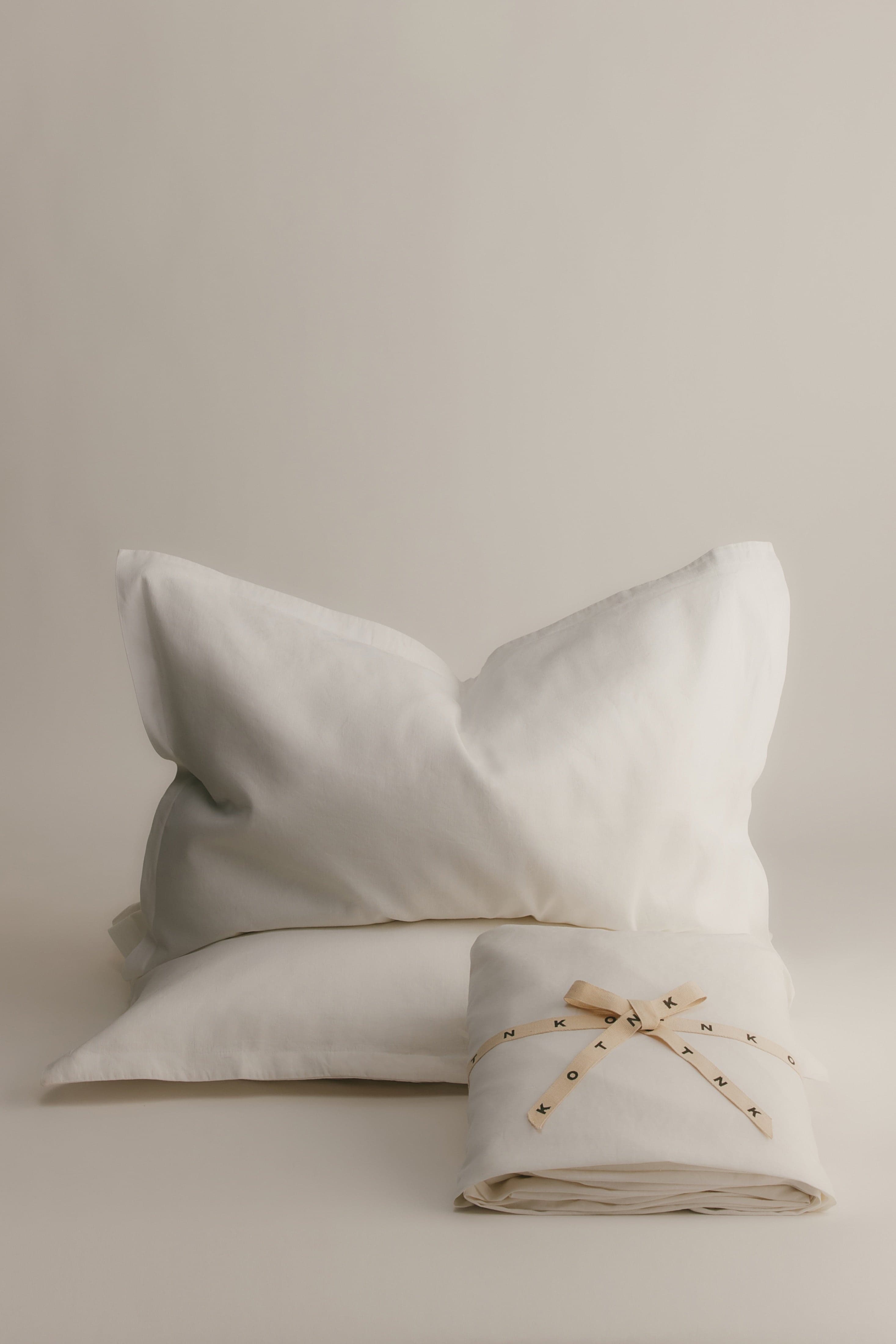
Brand: Kotn
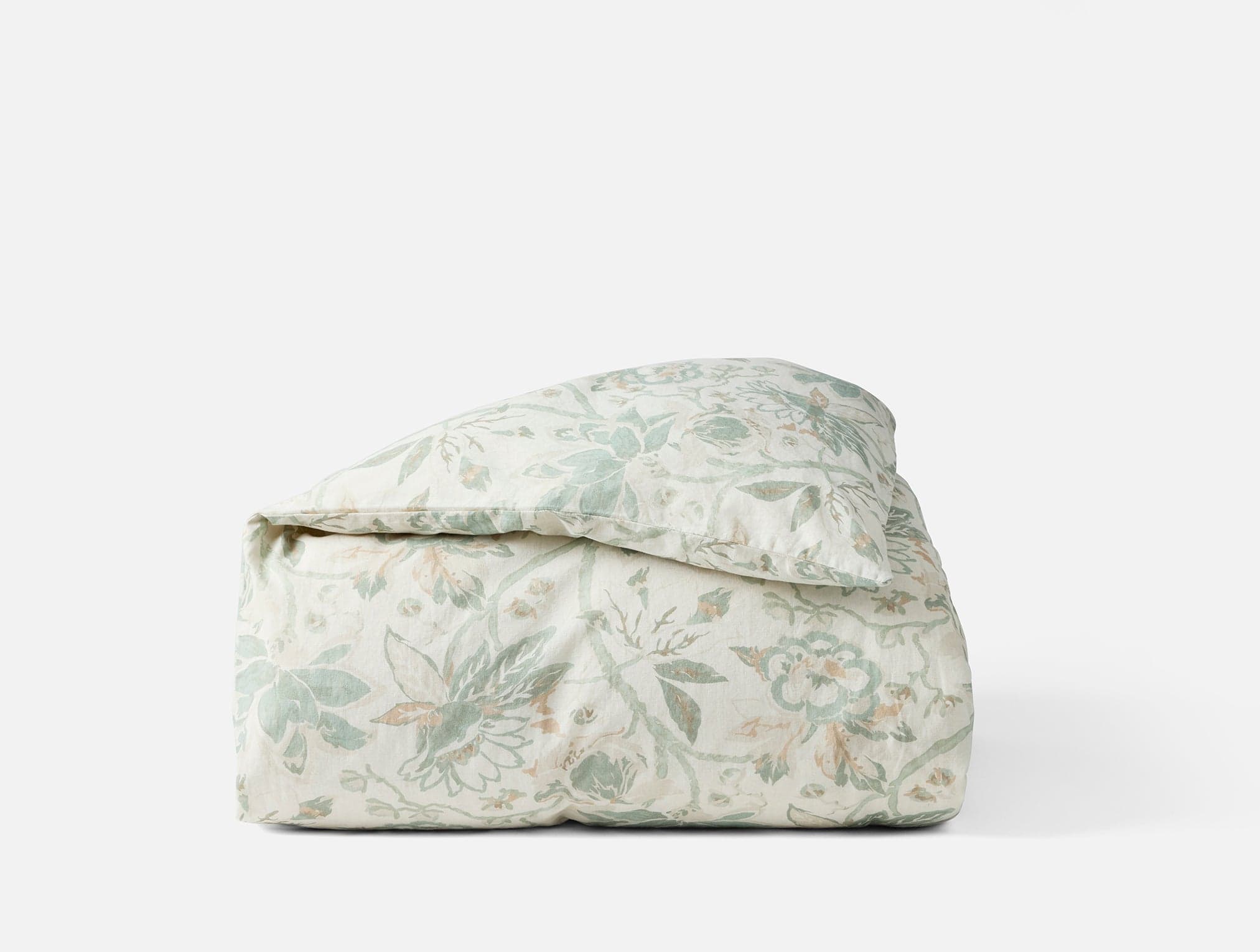
Brand: Coyuchi
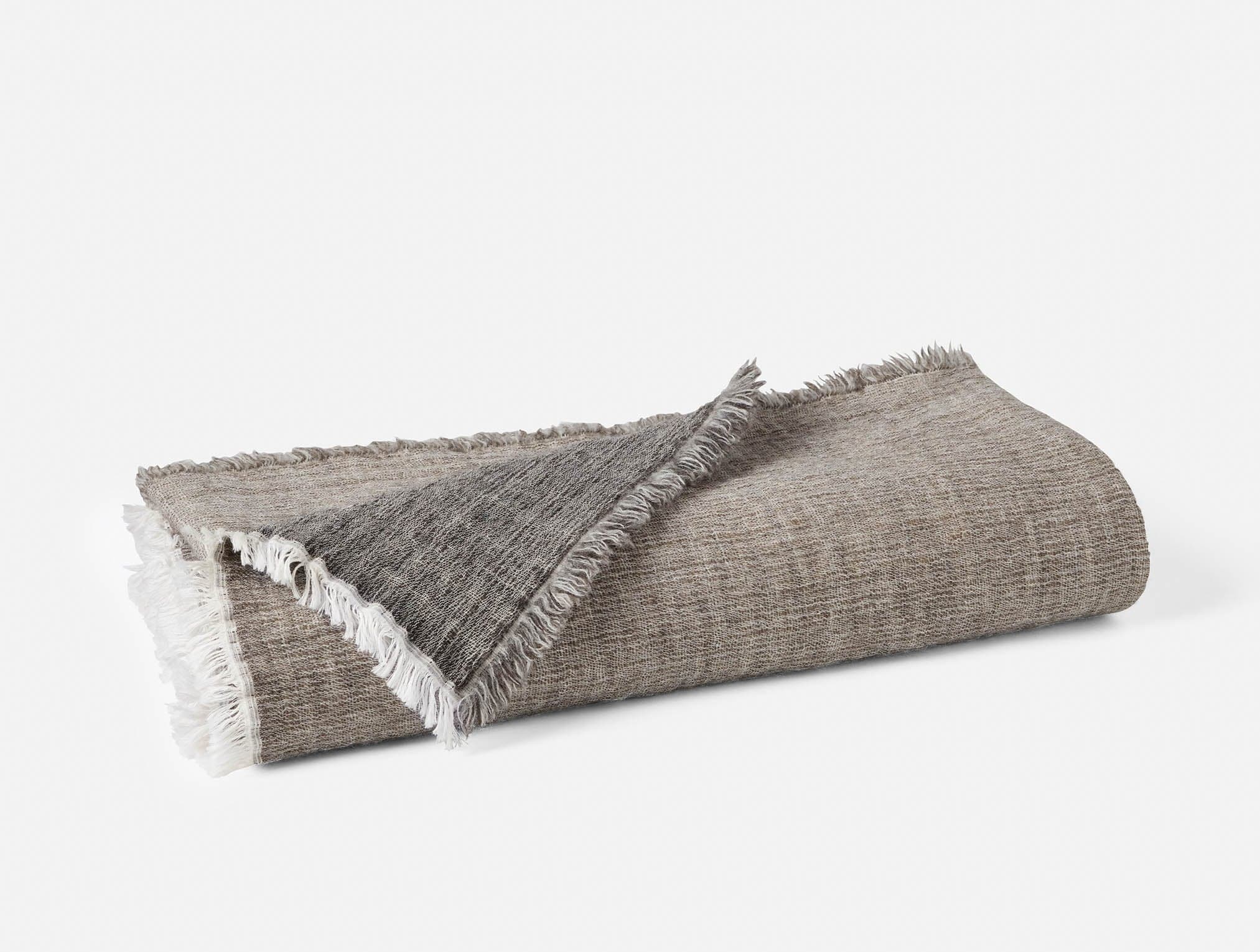
Brand: Coyuchi
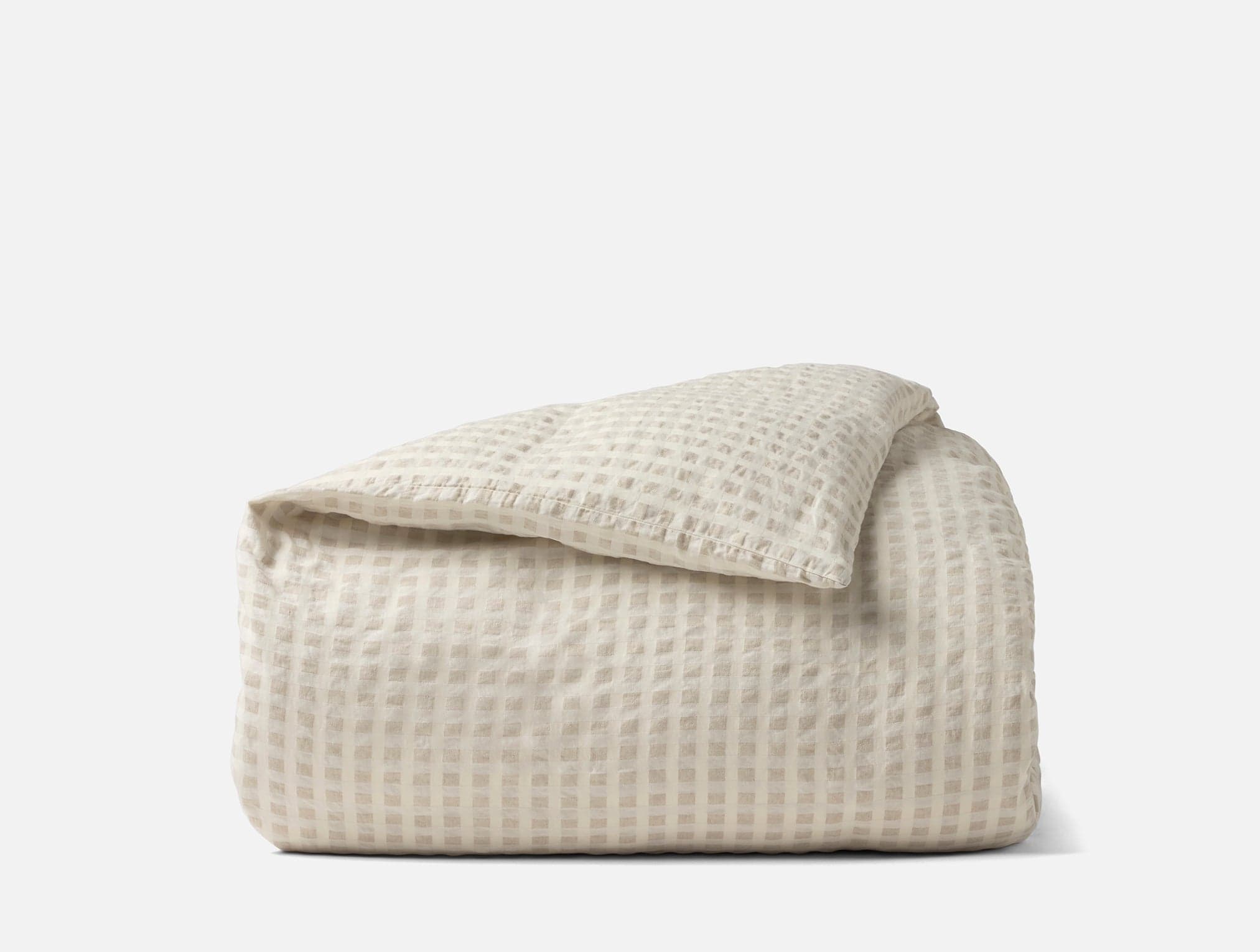
Brand: Coyuchi
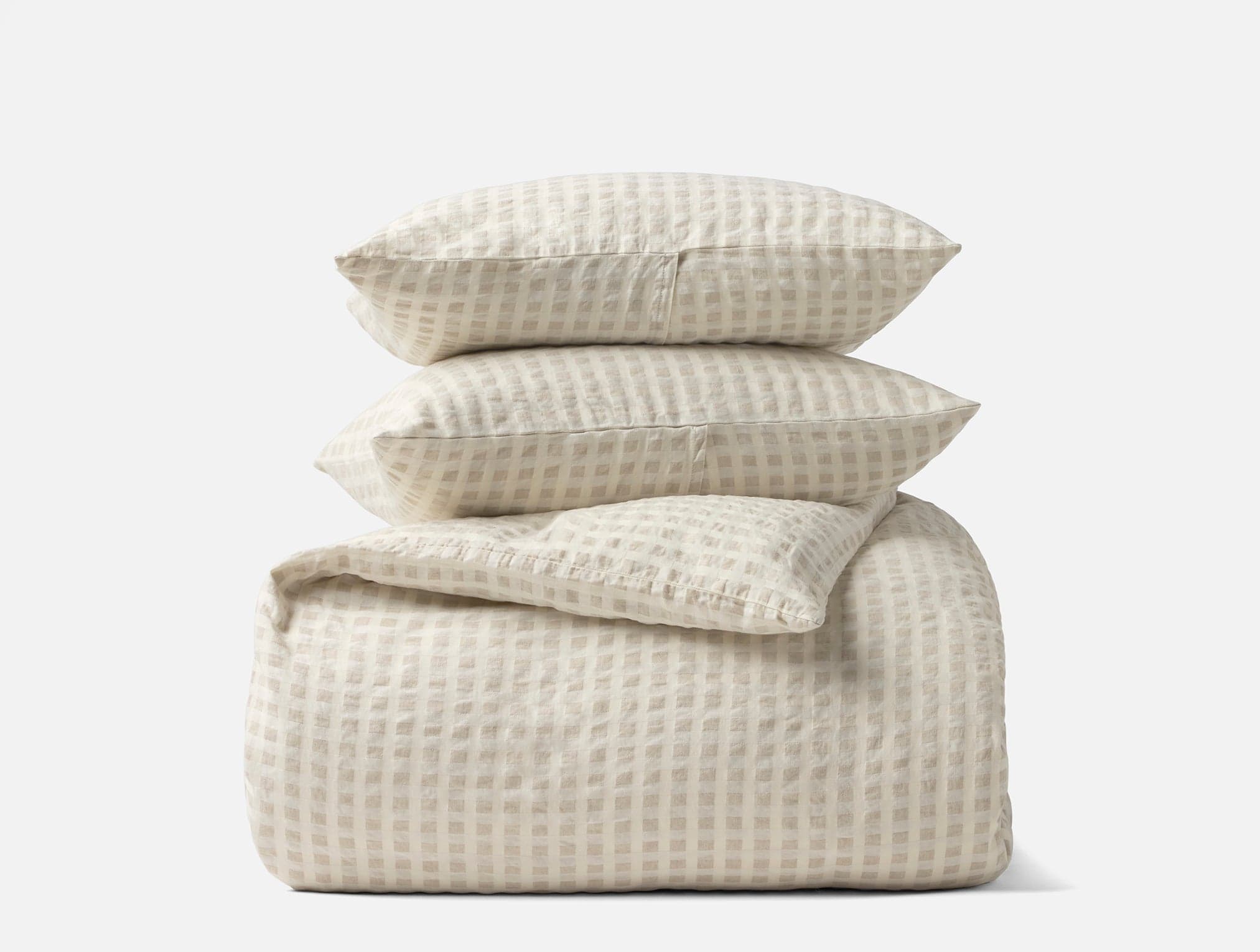
Brand: Coyuchi
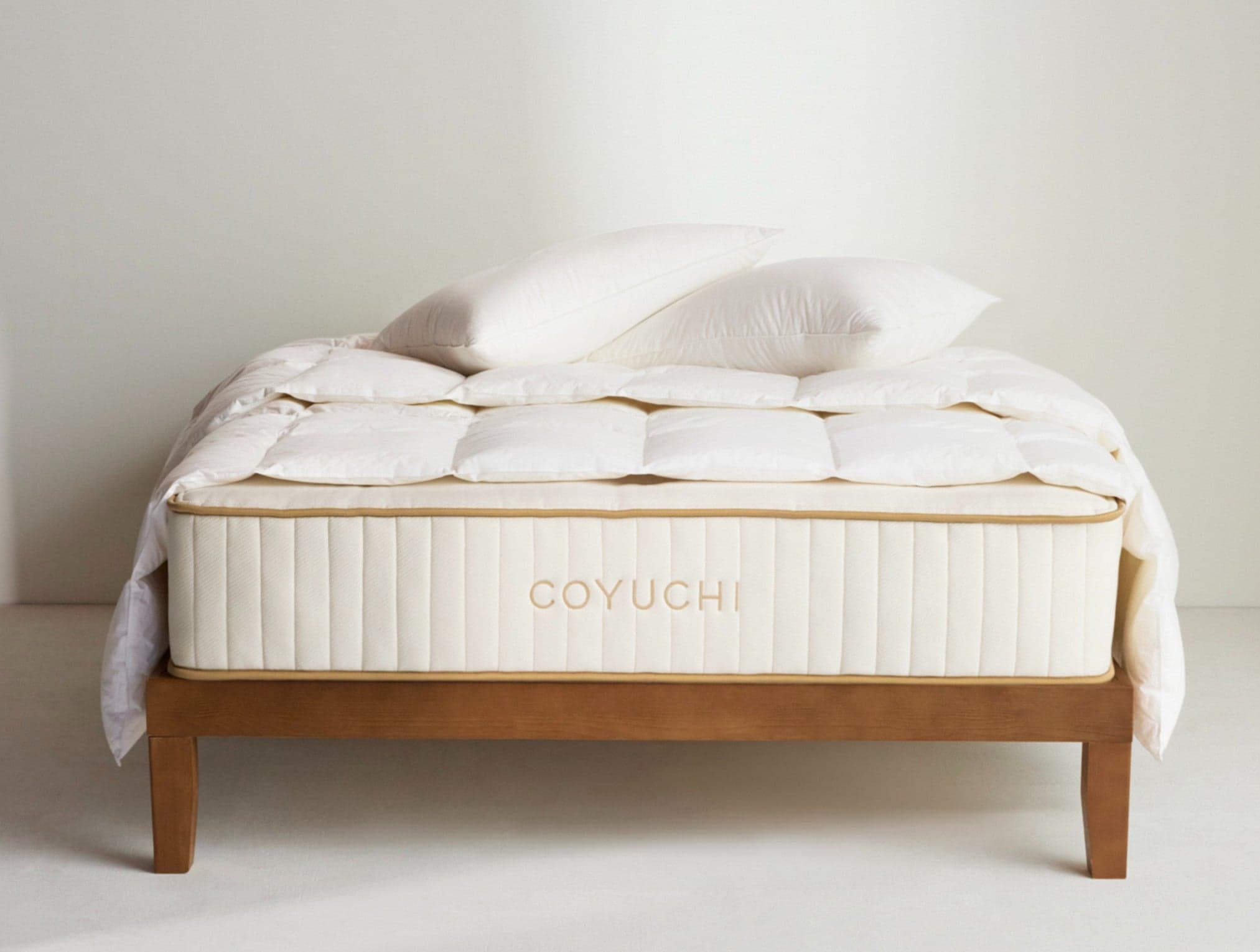
Brand: Coyuchi
Cotton is on the look-for or watch-out list for these categories. Each guide ranks scored products and explains what the fiber label can tell you.
Cotton has no listed microplastic polymer in MaterialsDB. Garment construction and washing can still release fibers.
Cotton has no half-life penalty in MaterialsDB, which is a better biodegradability signal than petroleum-based synthetics.
Use the Greener Closet material-label checker with the full percentage label, because blends can change the final score even when Cotton is only one part of the garment.