Microplastics
Material-class model assumption
Organic Cotton is recorded as Natural Fiber with no listed microplastic polymer, so it does not add a microplastic-source penalty.

Organic cotton describes how the fiber was grown under an organic standard. It does not automatically describe the dye, finish, or factory. GOTS is a separate garment-level standard that also restricts processing chemicals for certified goods.
Close-contact basics when you want a plastic-free fiber plus a farming claim you can check. Still verify the exact certificate and product.
GOTS sets organic fiber-content thresholds and restricted-substance rules for certified textiles. A hangtag that only says organic cotton may cover farming and not the finished-article chemistry.
Certificate numbers, product class, and whether blends or trims are covered have to be checked per item. Organic cotton can still be blended with elastane or treated with finishes that the fiber name does not mention.
Reviewed 2026-09-05.
MaterialsDB treats organic cotton as a natural cellulose fiber with no listed microplastic polymer. The score does not certify that a finished garment is GOTS or chemical-free.
Organic Cotton is recorded as Natural Fiber with no listed microplastic polymer, so it does not add a microplastic-source penalty.
MaterialsDB does not apply a base PFAS penalty to Organic Cotton. Product-level water, stain, or performance finishes can still change PFAS risk.
Organic Cotton has no persistence penalty in MaterialsDB, which generally reflects better biodegradability than petroleum-based synthetics.
Organic Cotton has no default microfiber-shedding penalty in MaterialsDB. Garment construction and laundering still matter.
Organic Cotton carries a manufacturing-energy penalty, so production impacts remain part of the score even when microplastic risk is low.
Paste the full fabric label into the homepage checker. A 95% cotton, 5% elastane garment will not score the same as 100% cotton, and the checker handles those percentages.
Use the material-label checker437 visible scored products include Organic Cotton.
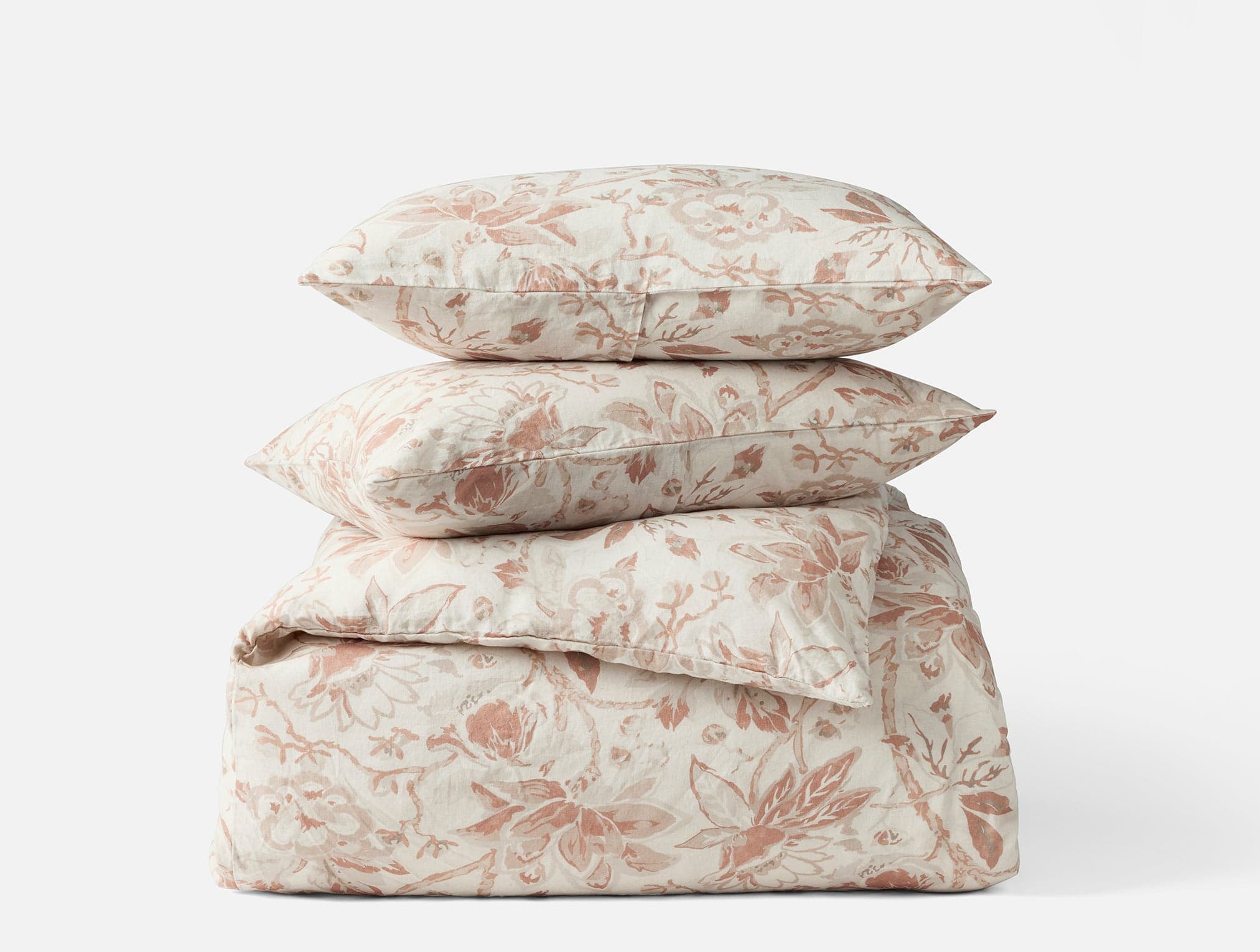
Brand: Coyuchi
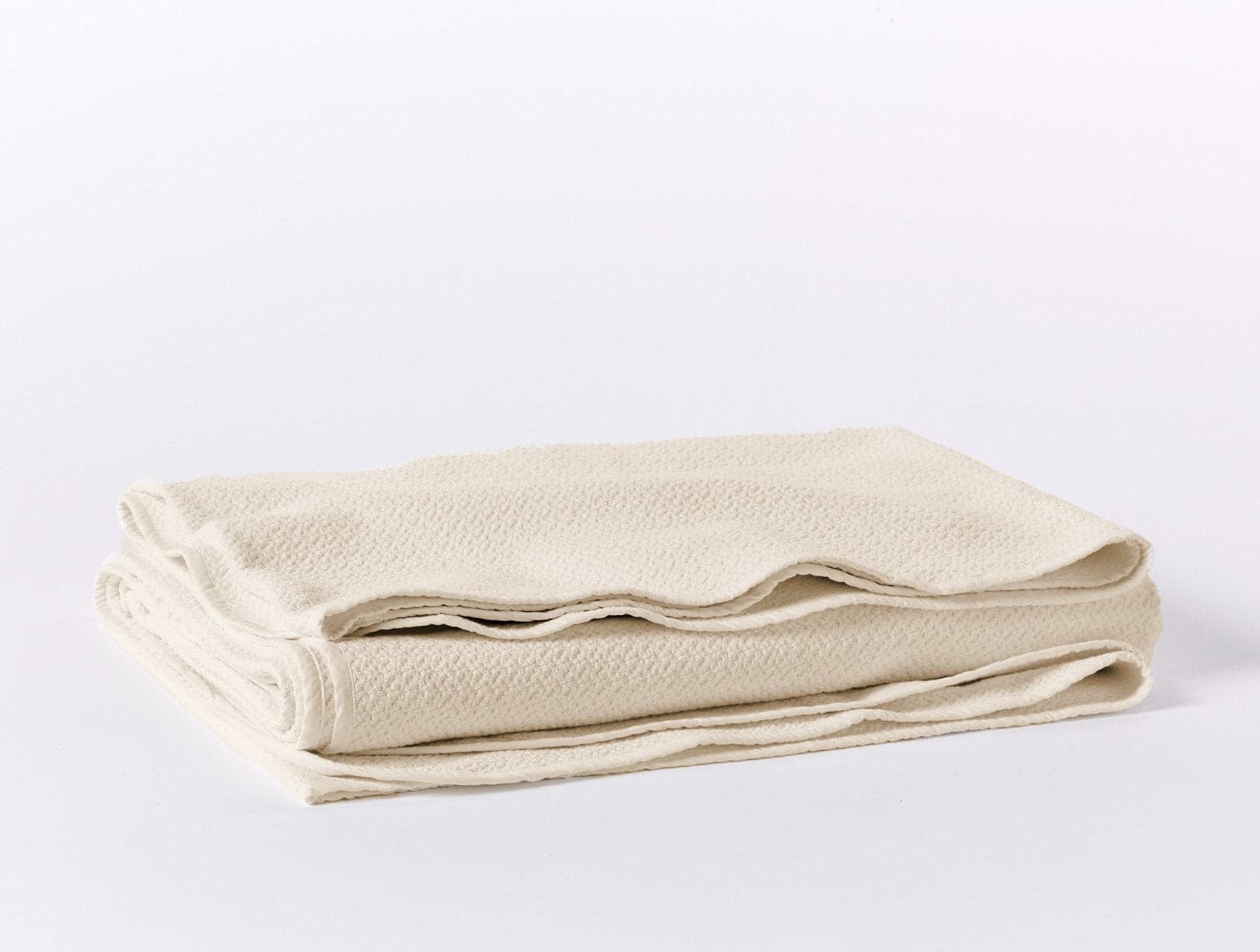
Brand: Coyuchi
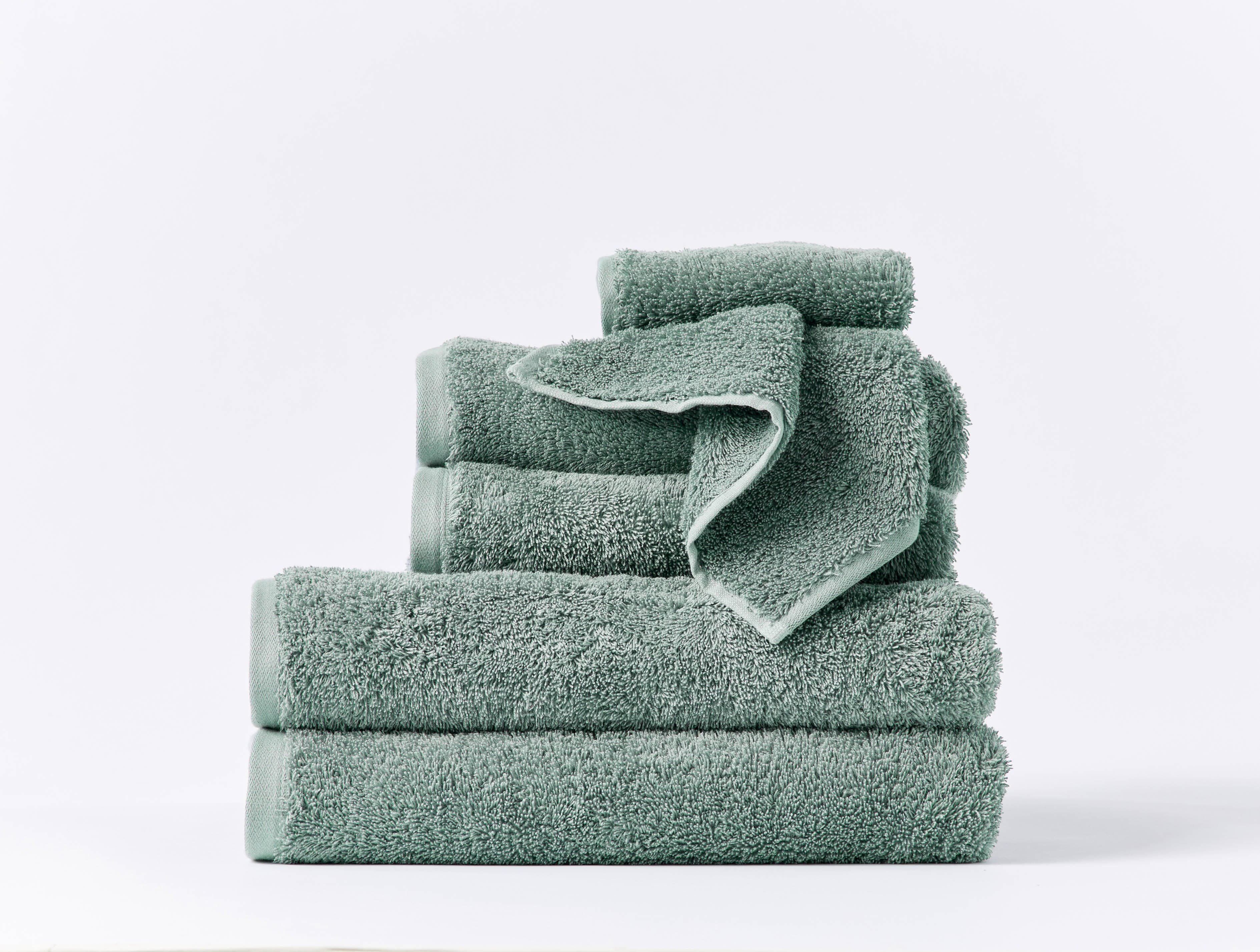
Brand: Coyuchi
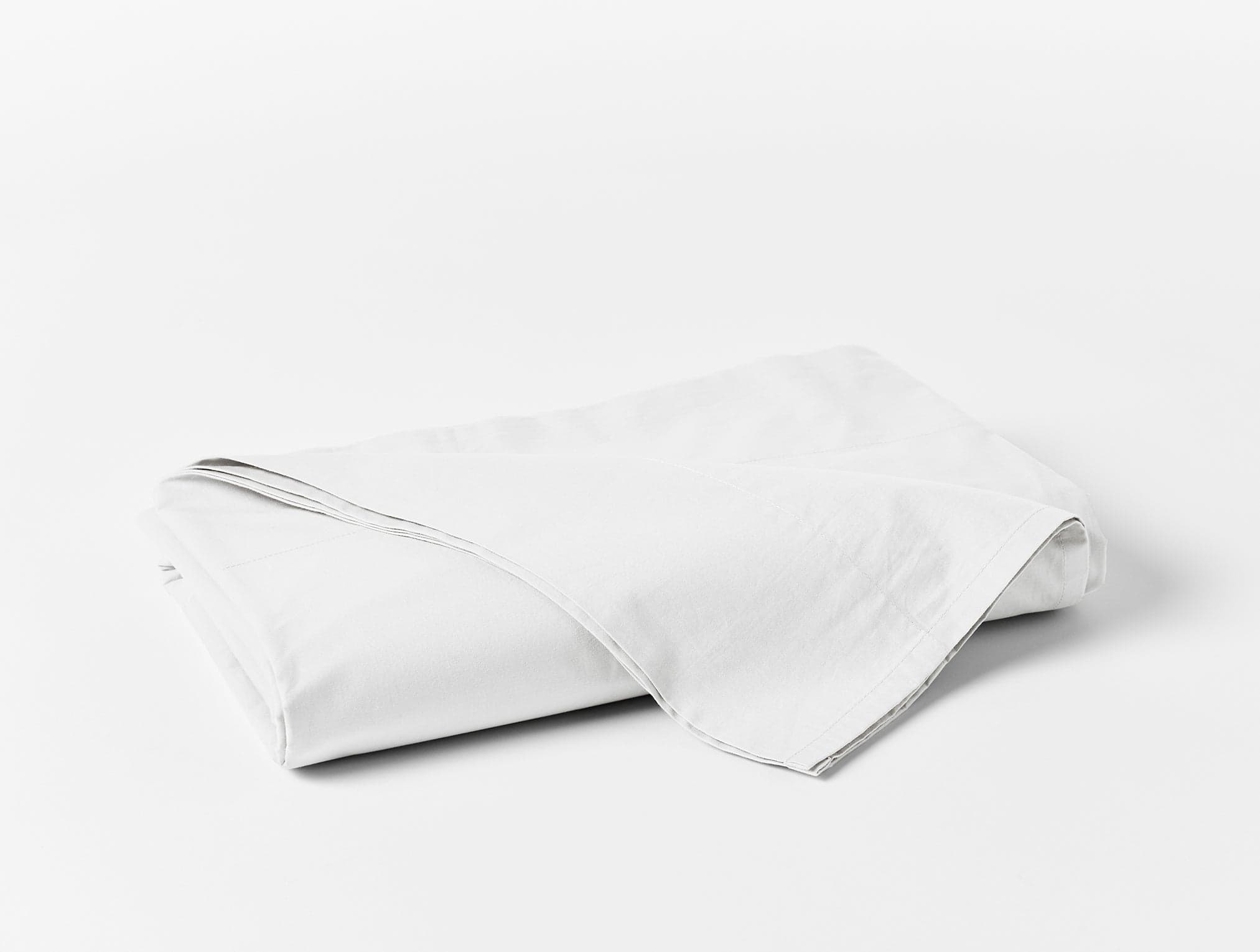
Brand: Coyuchi
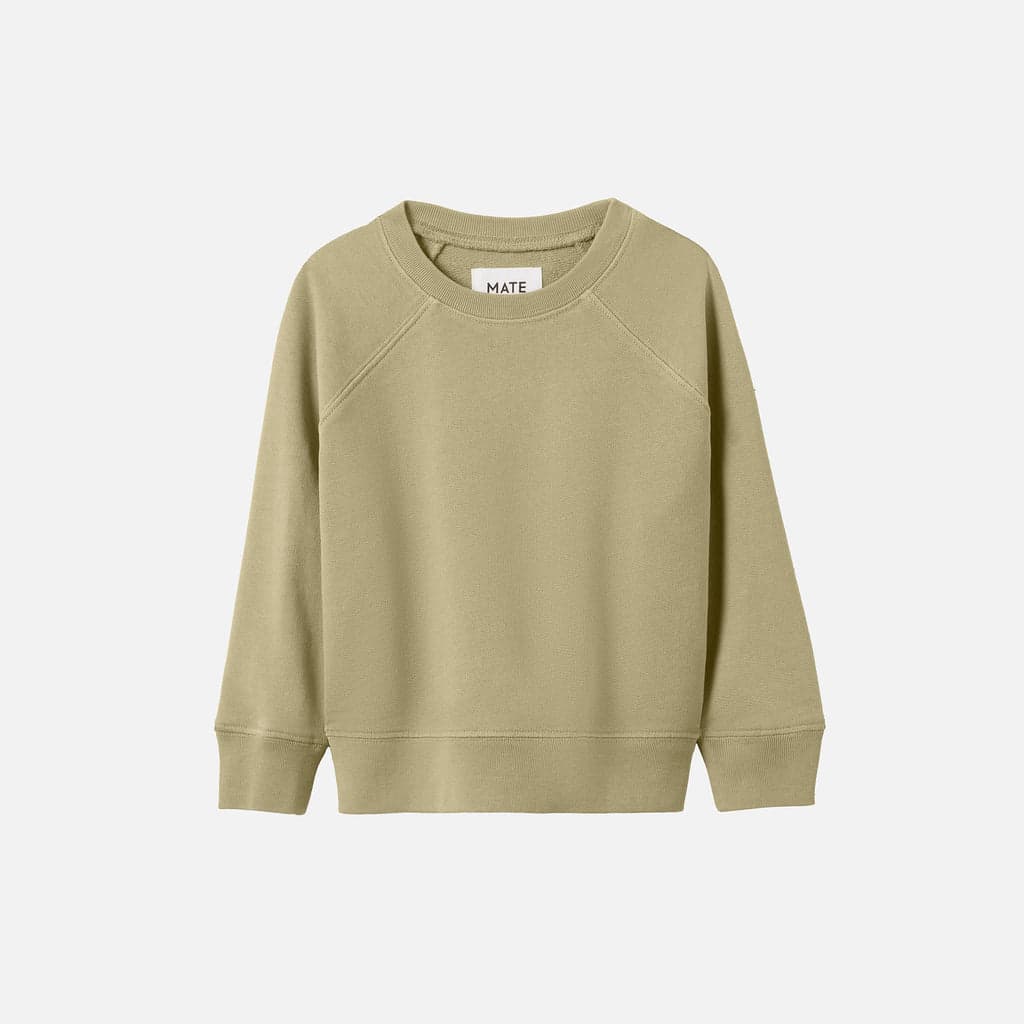
Brand: MATE the Label
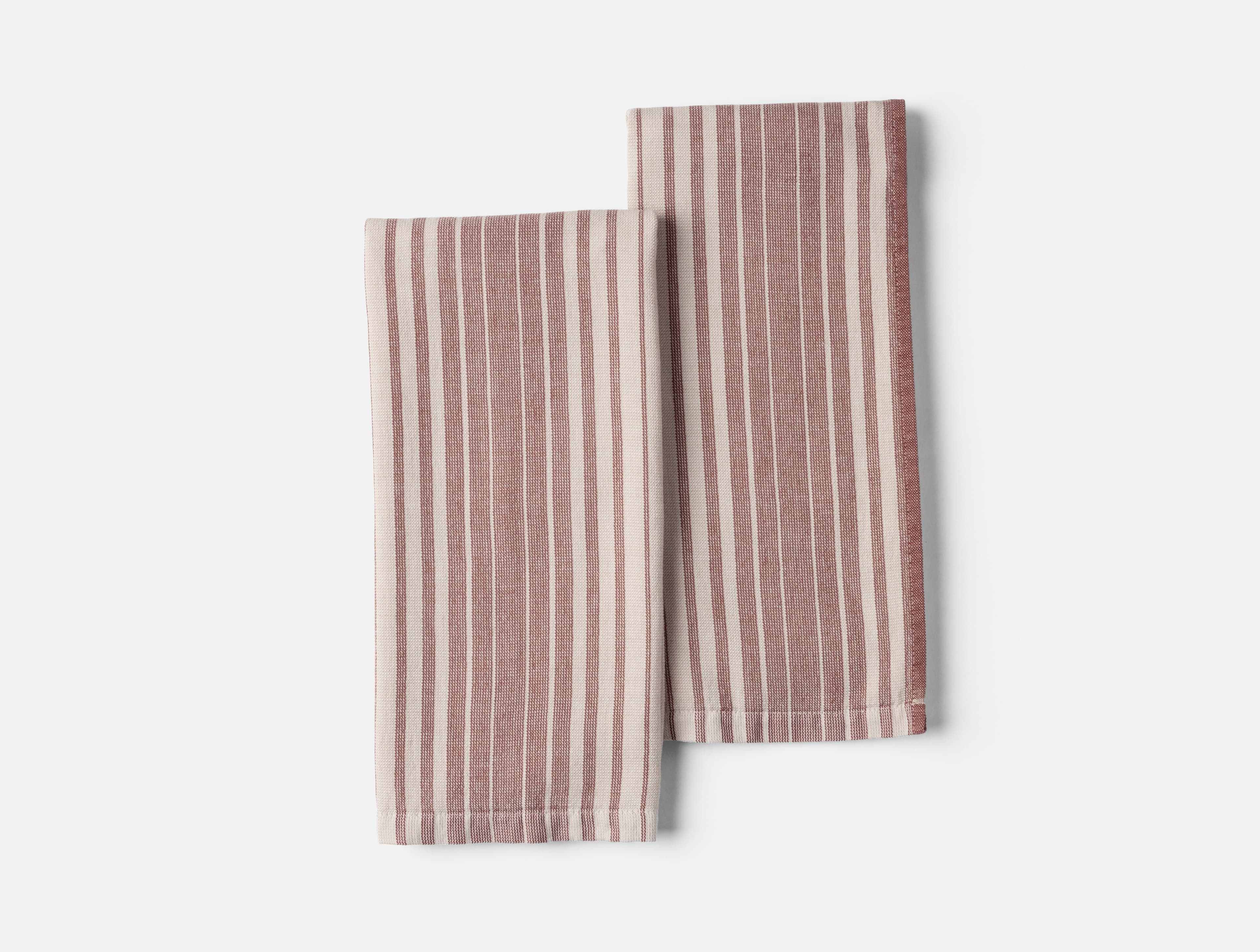
Brand: Coyuchi
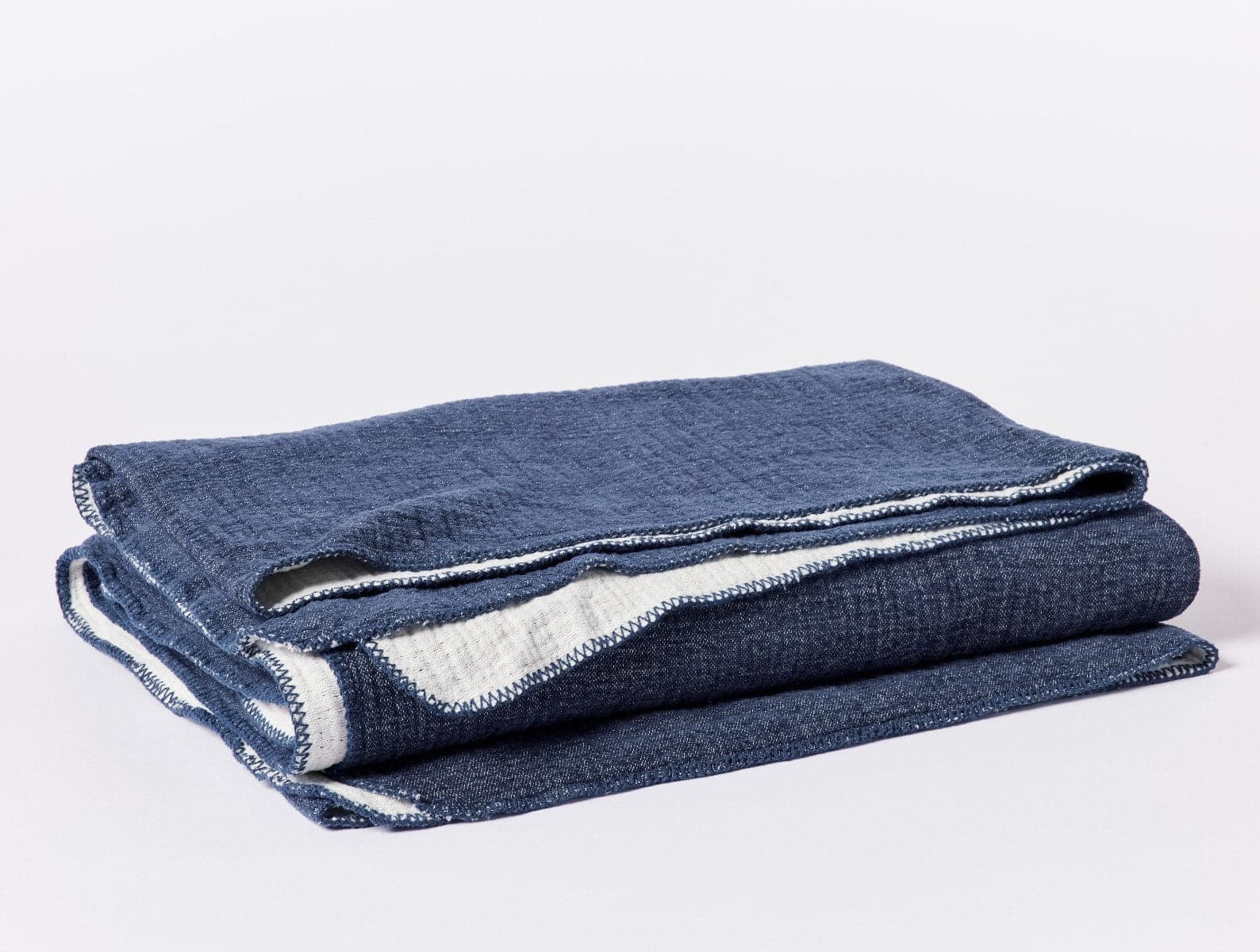
Brand: Coyuchi
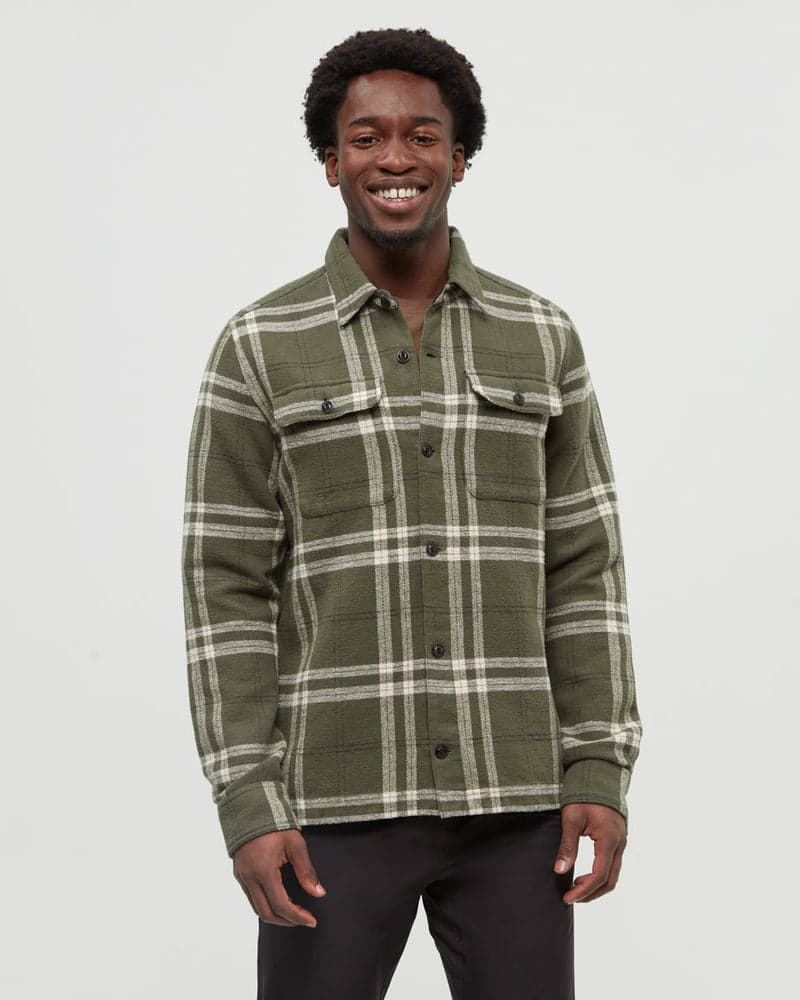
Brand: tentree
Organic Cotton is on the look-for or watch-out list for these categories. Each guide ranks scored products and explains what the fiber label can tell you.
Organic Cotton has no listed microplastic polymer in MaterialsDB. Garment construction and washing can still release fibers.
Organic Cotton has no half-life penalty in MaterialsDB, which is a better biodegradability signal than petroleum-based synthetics.
Use the Greener Closet material-label checker with the full percentage label, because blends can change the final score even when Organic Cotton is only one part of the garment.