Microplastics
Material-class model assumption
Elastane is recorded as Synthetic and tied to Polyurethane, which drives the material's microplastics score pressure.

Elastane, also called spandex, is a synthetic stretch fiber. A small percentage can be part of a cotton, wool or regenerated-cellulose blend; the headline fiber is not the whole garment.
Compare leggings, underwear and fitted basics using the full blend, waistband and seams. Removing stretch fiber may change fit, so do not assume a lower-synthetic option performs identically.
Textile definitions identify elastane by its polymer and elastic properties. They do not identify dyes, finishes or measured performance of one garment.
The fiber share does not tell you how long the fabric retains its shape, how much it sheds or whether a finish contains PFAS.
Reviewed 2026-09-05.
Greener Closet scores the disclosed share using the corresponding MaterialsDB record. Its factor defaults are model assumptions, not product testing, a factory life-cycle assessment or independently validated quantitative calibration.
Elastane is recorded as Synthetic and tied to Polyurethane, which drives the material's microplastics score pressure.
Elastane receives a PFAS uncertainty penalty because performance synthetics and finish-dependent uses can make PFAS claims harder to verify from a label alone.
Elastane is treated as slow to break down, so half-life and biodegradability are major sustainability concerns.
Elastane can shed fibers during wear and washing; the MaterialsDB shedding penalty captures that release risk.
Elastane carries a manufacturing-energy penalty, so production impacts remain part of the score even when microplastic risk is low.
Paste the full fabric label into the homepage checker. A 95% cotton, 5% elastane garment will not score the same as 100% cotton, and the checker handles those percentages.
Use the material-label checker537 visible scored products include Elastane.
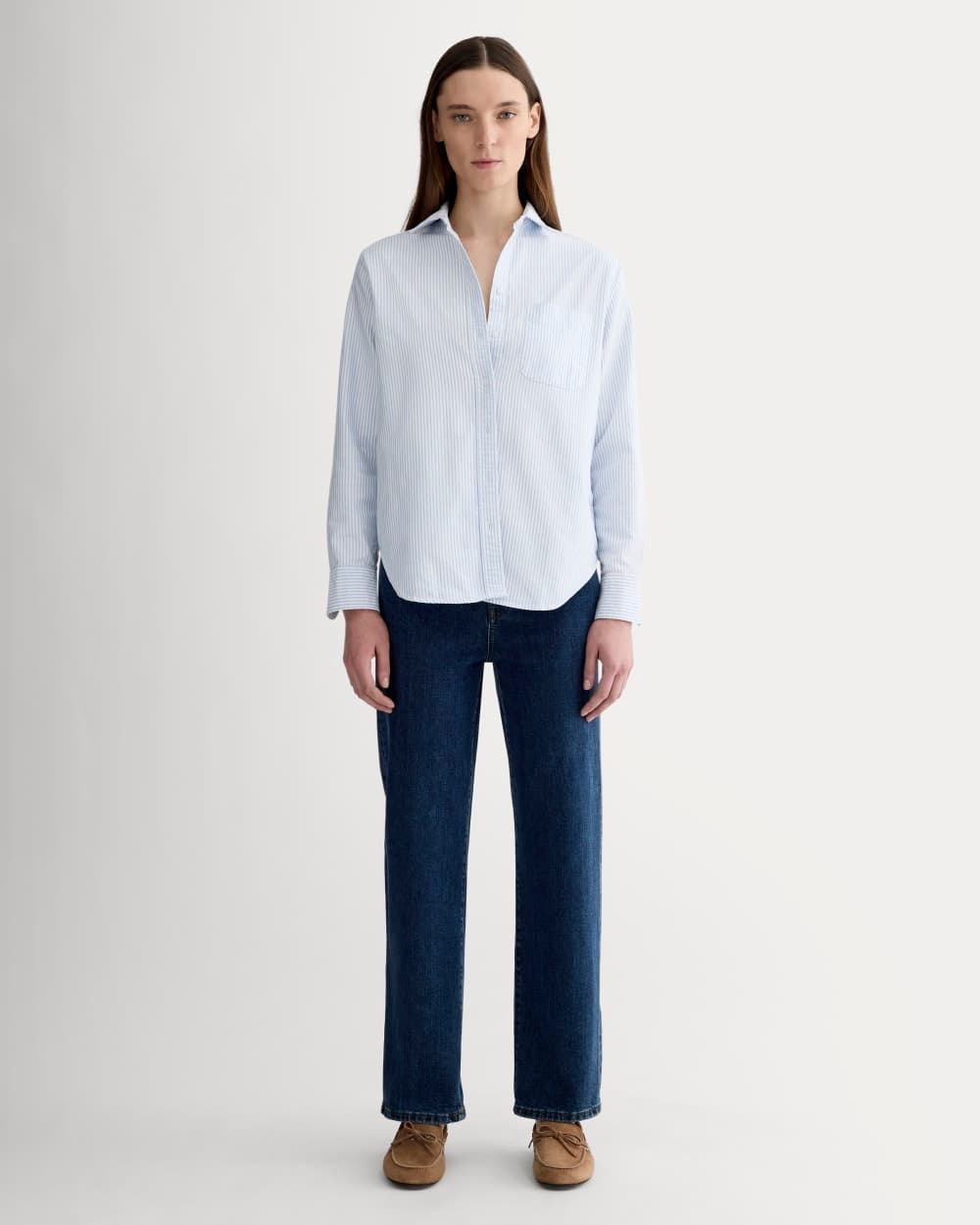
Brand: Everlane
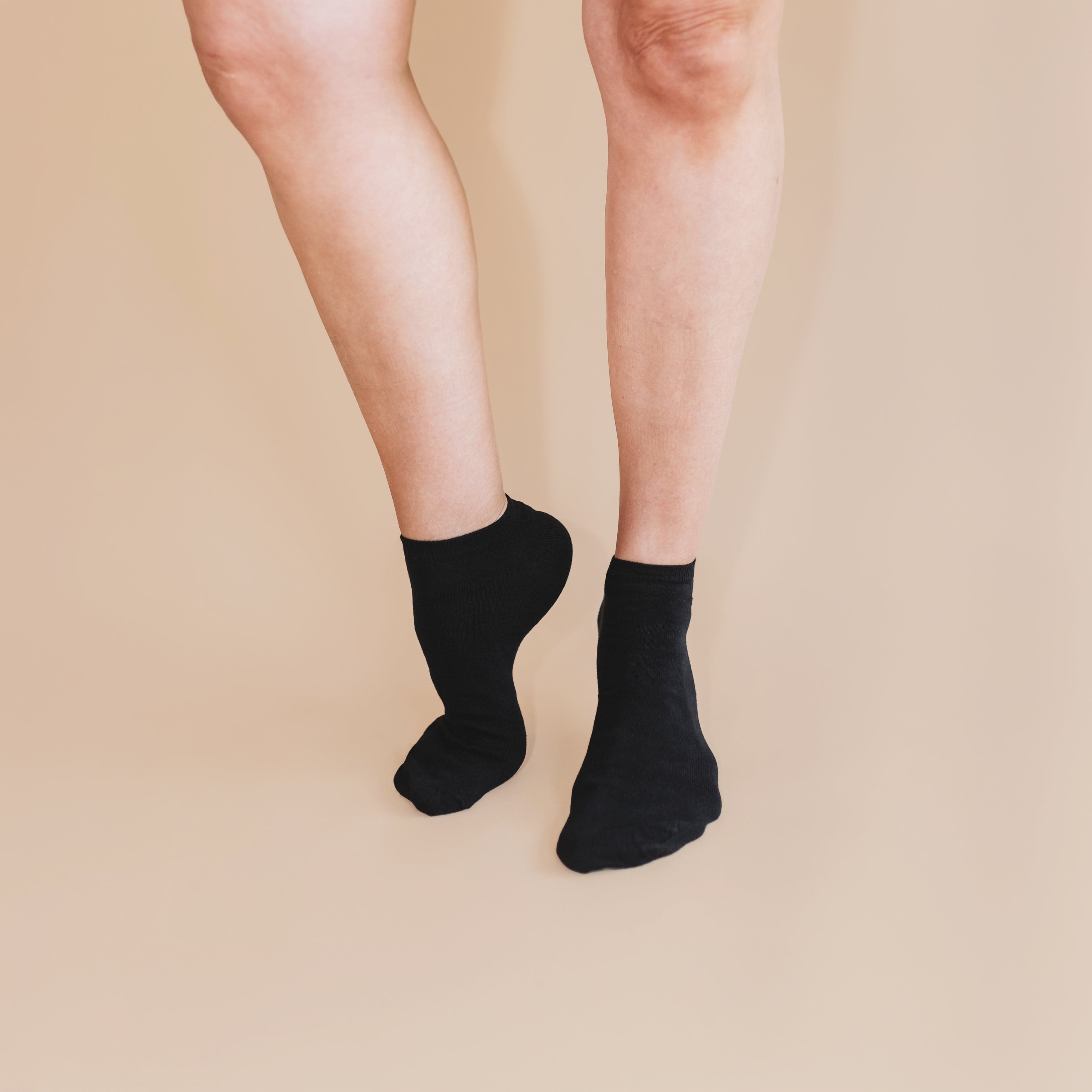
Brand: Q for Quinn
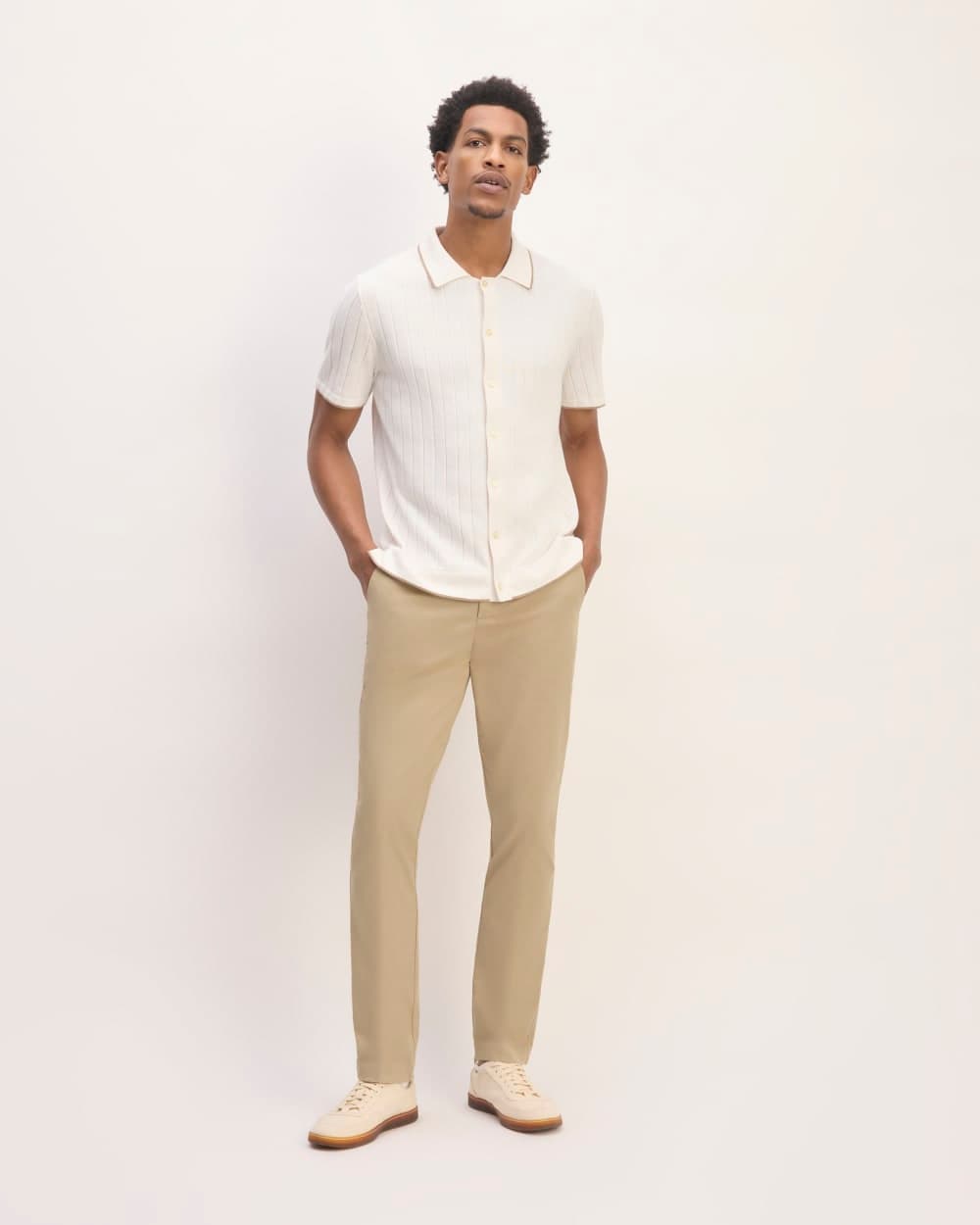
Brand: Everlane
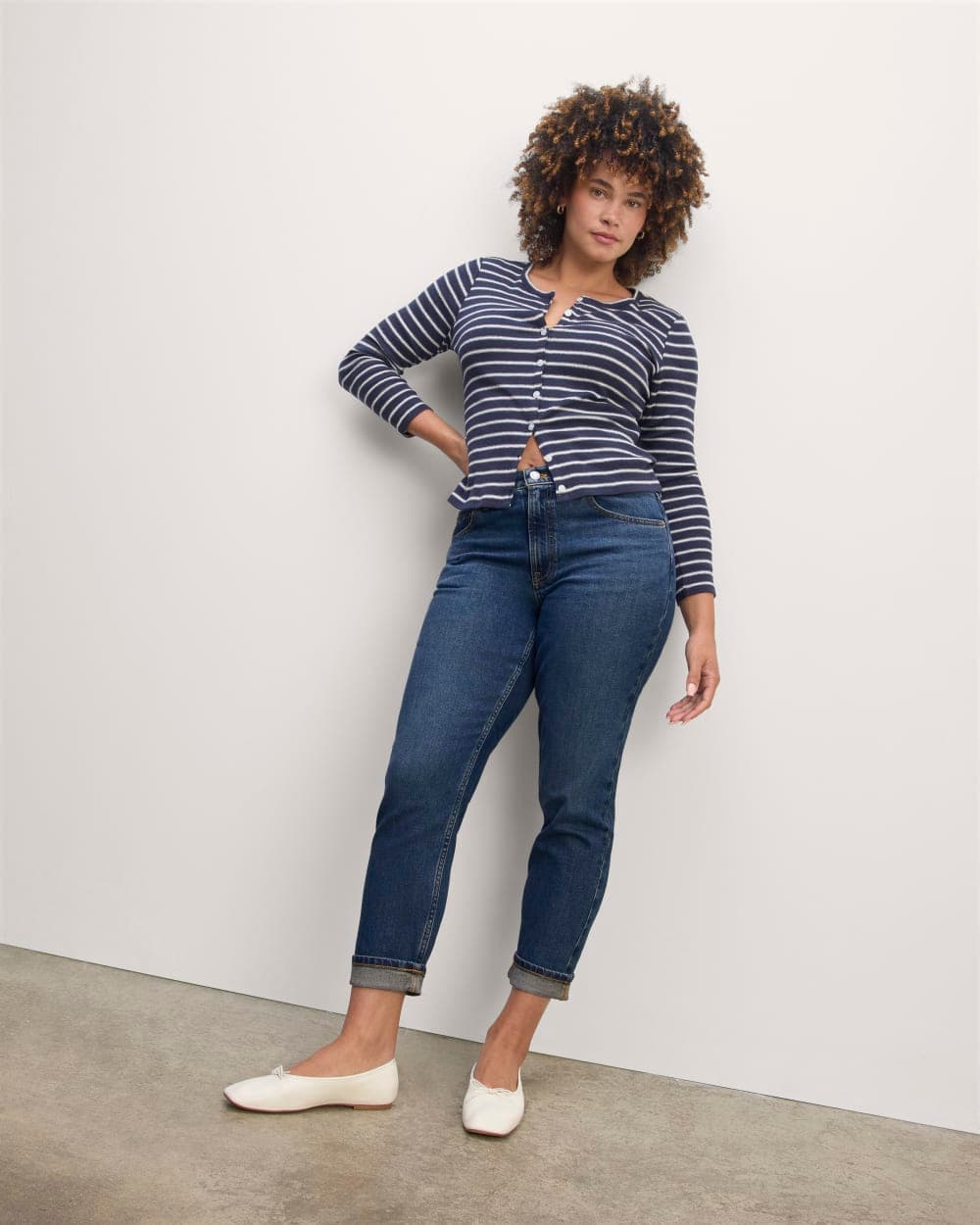
Brand: Everlane
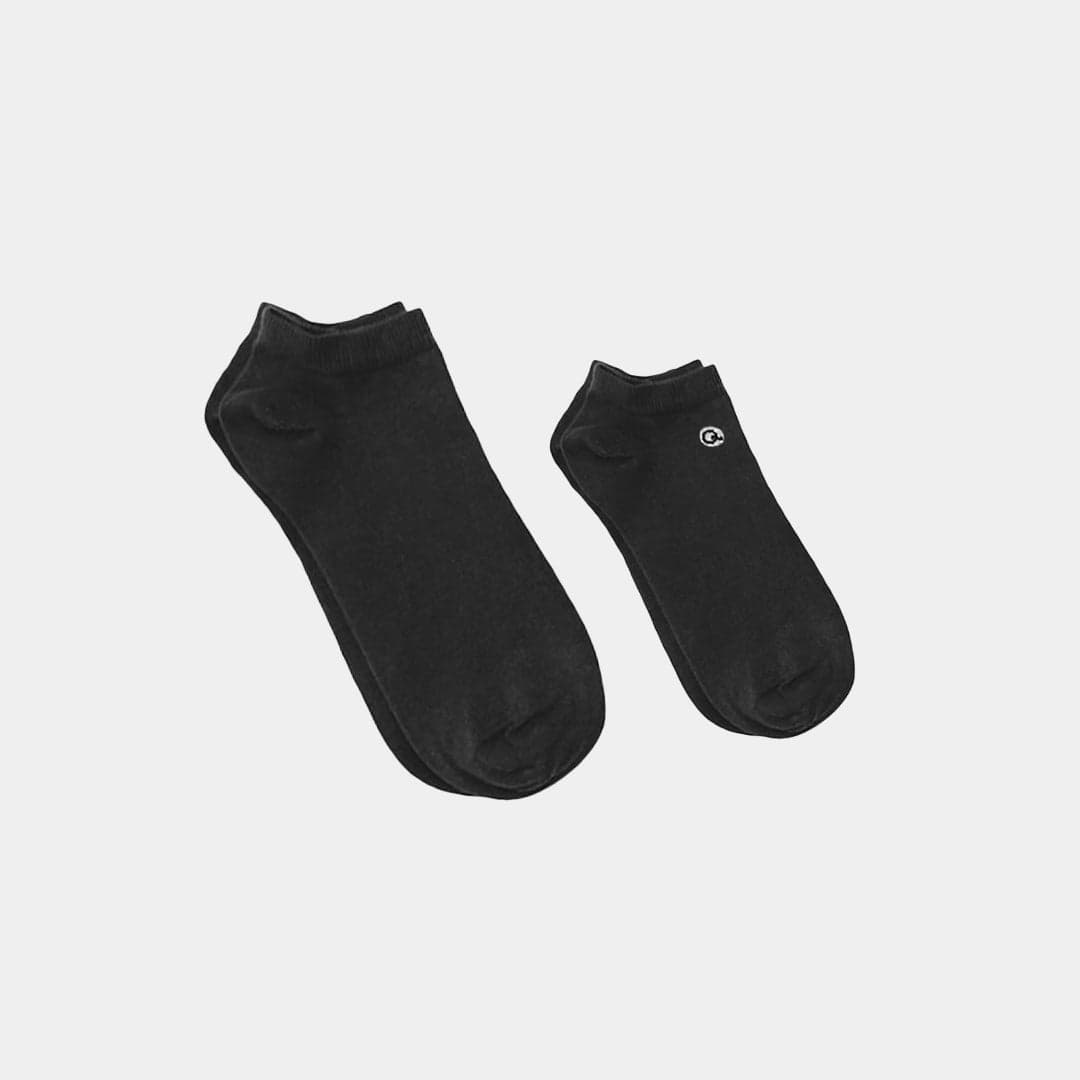
Brand: Q for Quinn
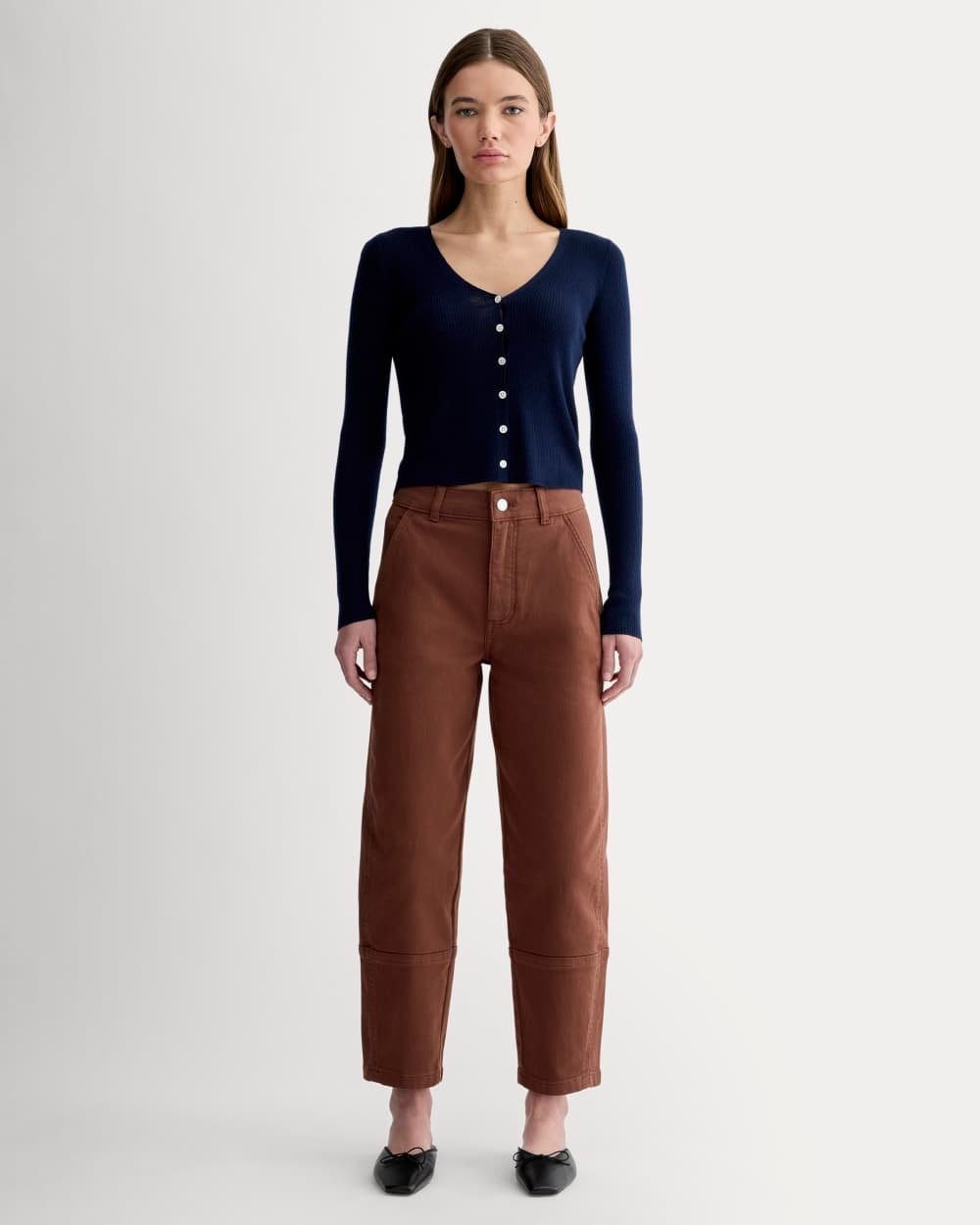
Brand: Everlane
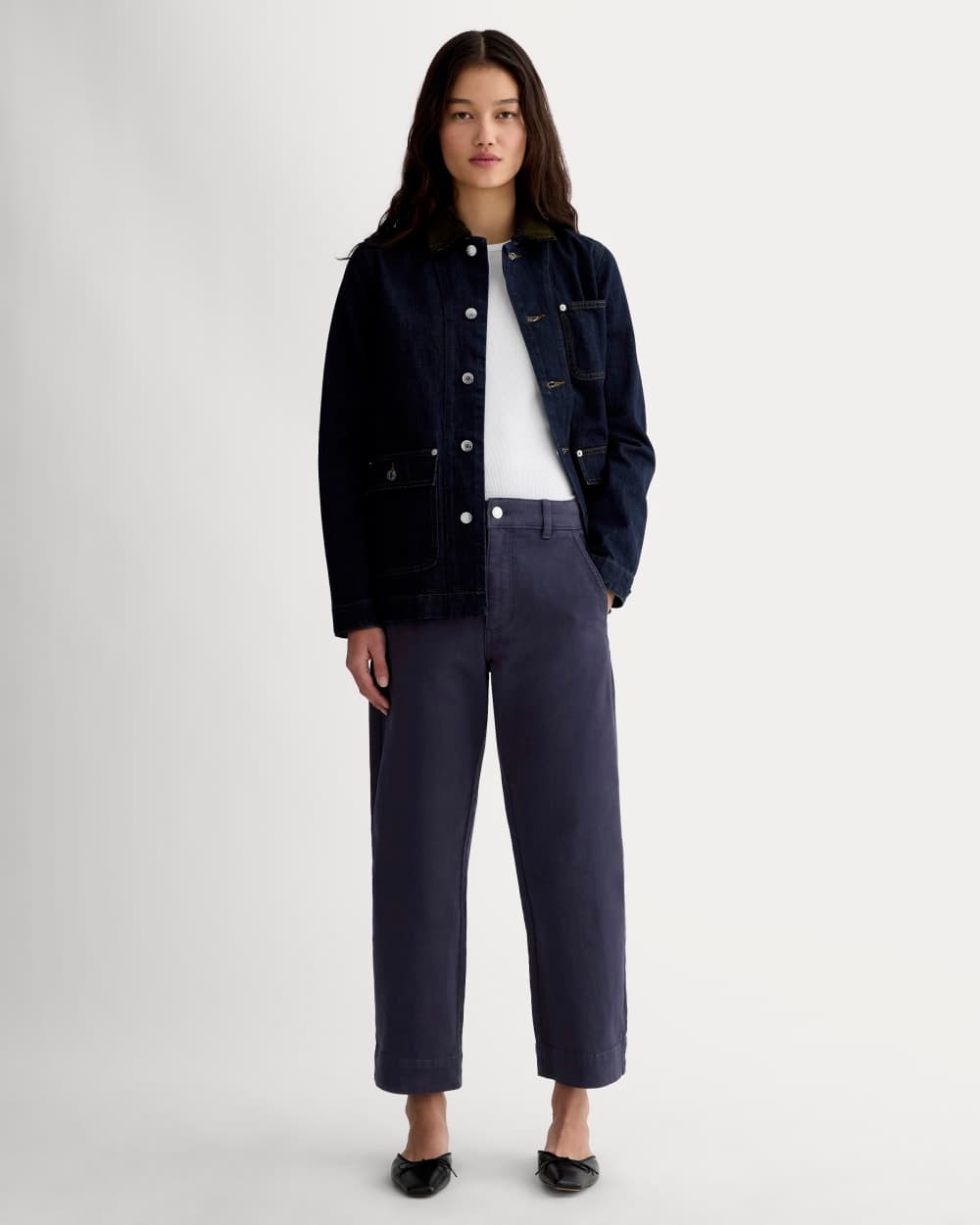
Brand: Everlane
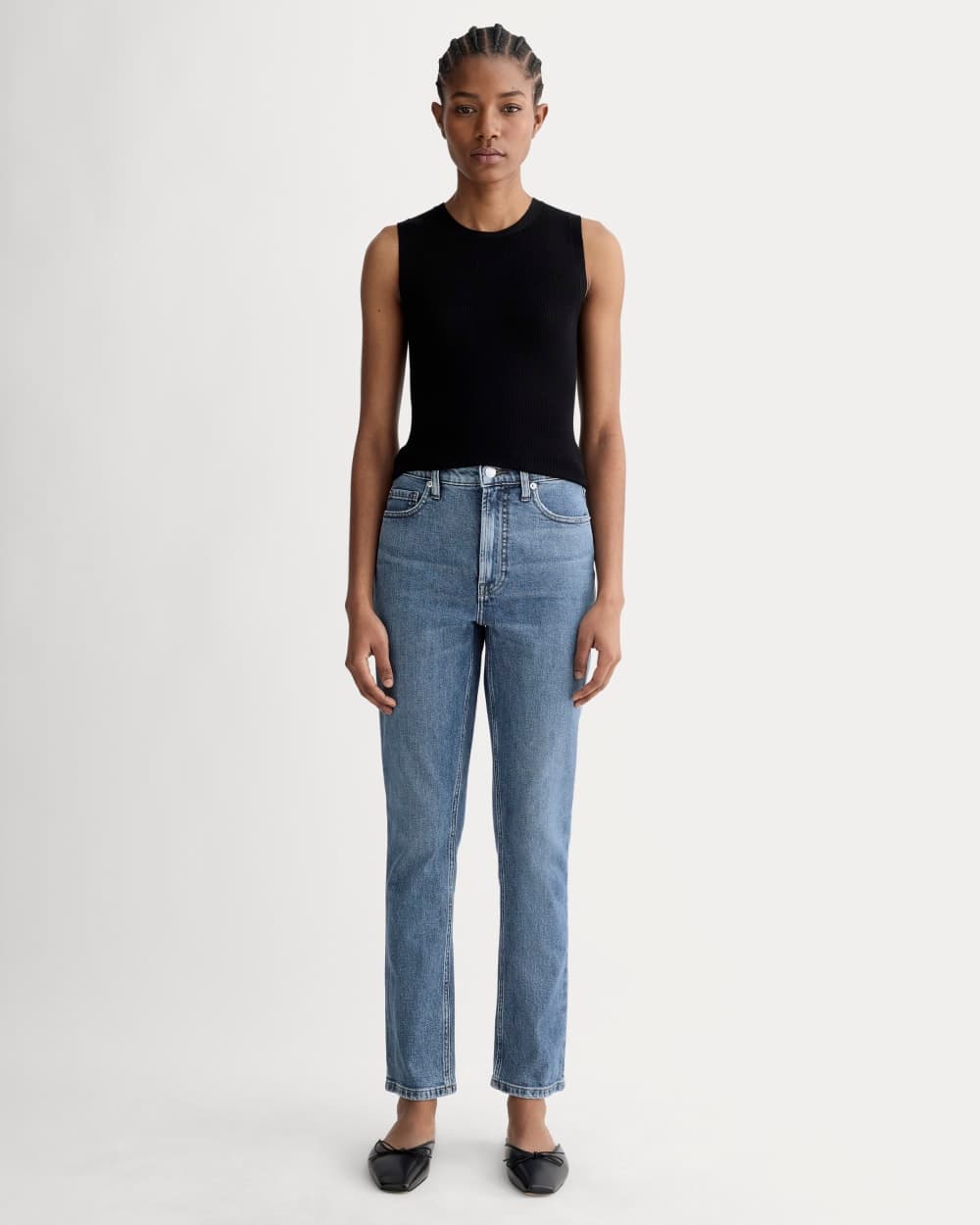
Brand: Everlane
Elastane is on the look-for or watch-out list for these categories. Each guide ranks scored products and explains what the fiber label can tell you.
Elastane is listed in MaterialsDB with Polyurethane. That is a default scoring input for microplastic shedding, not a lab result for every finished garment.
Elastane carries a half-life penalty in MaterialsDB, meaning persistence and biodegradability are important concerns.
Use the Greener Closet material-label checker with the full percentage label, because blends can change the final score even when Elastane is only one part of the garment.