Microplastics
Material-class model assumption
Nylon is recorded as Synthetic and tied to Polyamide, which drives the material's microplastics score pressure.

Nylon is a synthetic polyamide. The label tells you the disclosed nylon share. It does not prove water-repellent chemistry, dye identity, or a shedding rate for that garment.
Hosiery, swim, wind shells, and high-abrasion activewear. Those uses explain why nylon shows up; they do not establish chemical safety.
As a synthetic textile, nylon can shed plastic microfibers during washing. PFAS, if present, would come from a finish or membrane, not from the word nylon by itself.
Blends with elastane, coatings, and laminated membranes change both performance and what a shopper cannot see on the fiber label.
Reviewed 2026-09-05.
MaterialsDB records nylon as a synthetic microplastic source with default persistence and shedding pressure. These are model assumptions rather than product measurements.
Nylon is recorded as Synthetic and tied to Polyamide, which drives the material's microplastics score pressure.
Nylon receives a PFAS uncertainty penalty because performance synthetics and finish-dependent uses can make PFAS claims harder to verify from a label alone.
Nylon is treated as slow to break down, so half-life and biodegradability are major sustainability concerns.
Nylon can shed fibers during wear and washing; the MaterialsDB shedding penalty captures that release risk.
Nylon carries a manufacturing-energy penalty, so production impacts remain part of the score even when microplastic risk is low.
Paste the full fabric label into the homepage checker. A 95% cotton, 5% elastane garment will not score the same as 100% cotton, and the checker handles those percentages.
Use the material-label checker255 visible scored products include Nylon.

Brand: Harvest & Mill
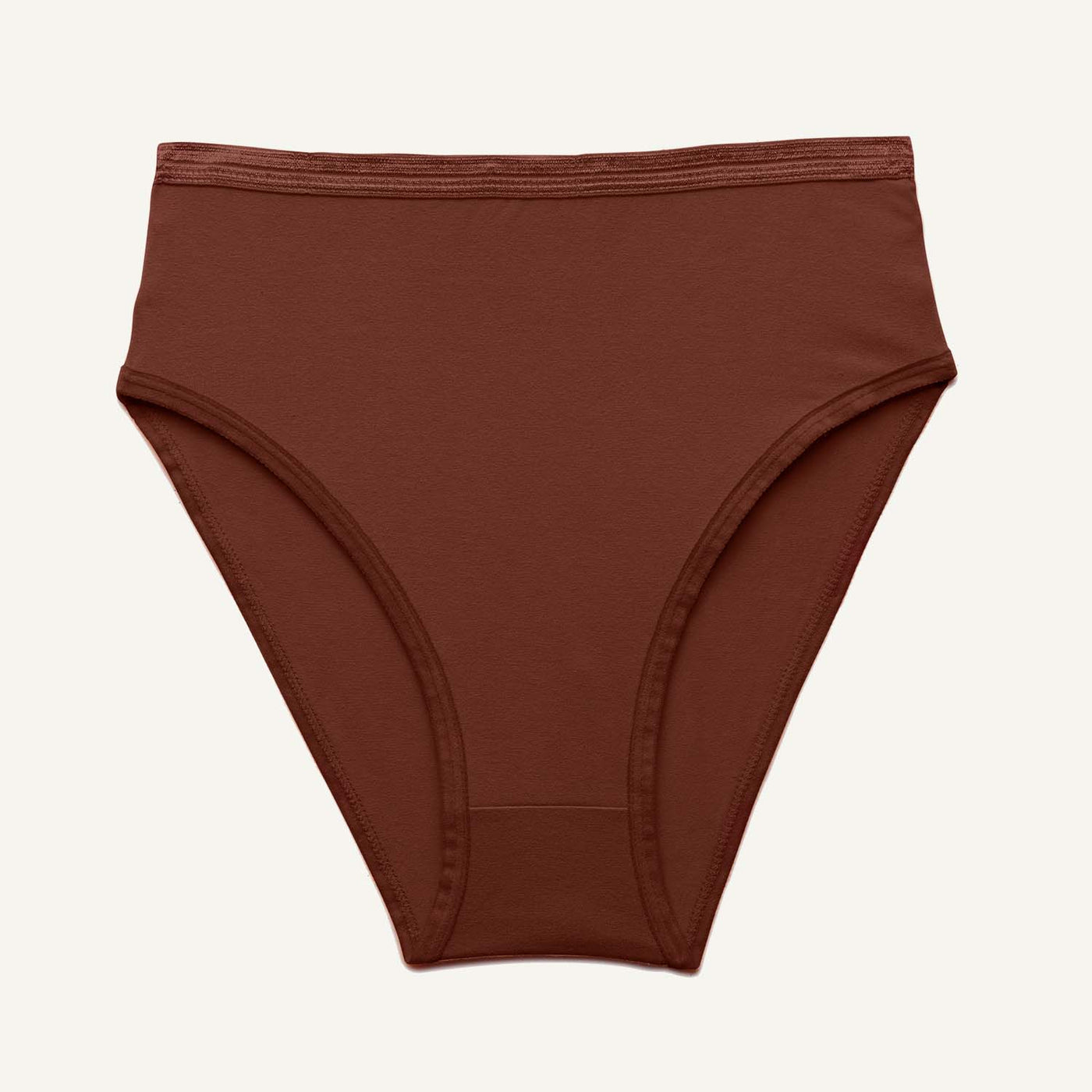
Brand: Subset
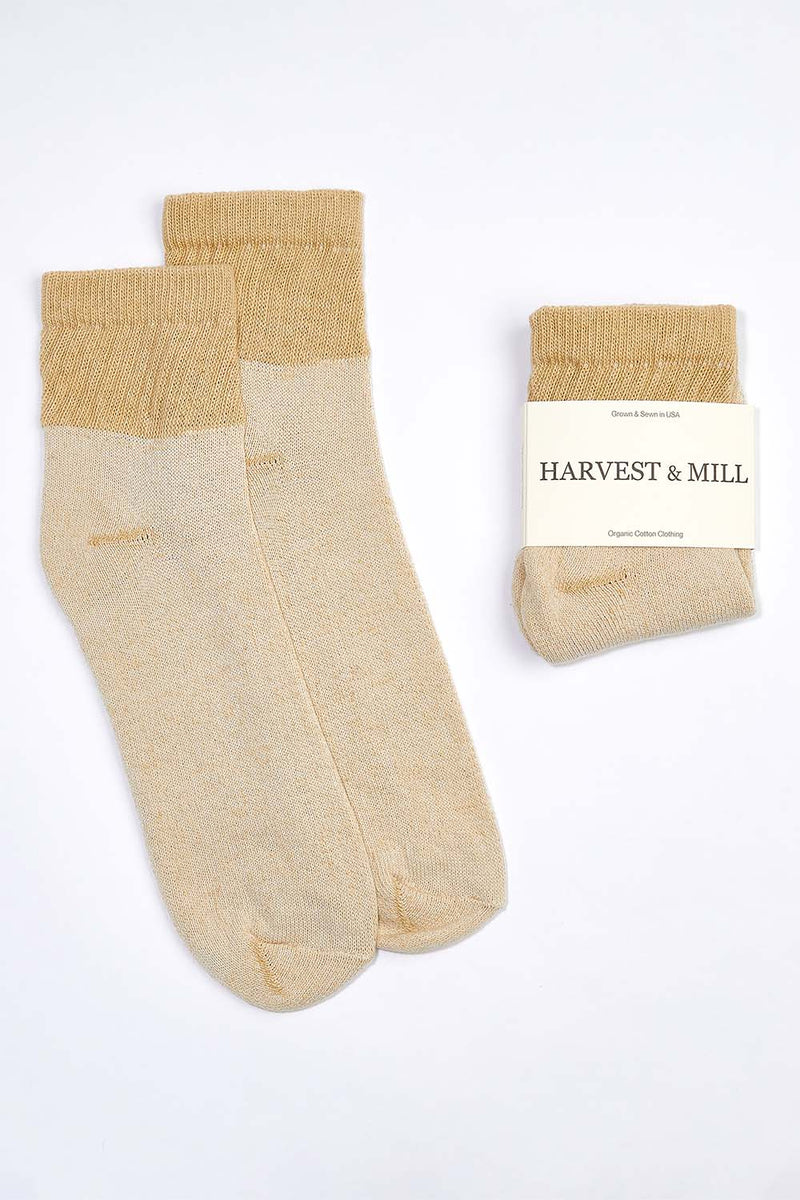
Brand: Harvest & Mill

Brand: Harvest & Mill

Brand: Harvest & Mill

Brand: Harvest & Mill

Brand: Harvest & Mill
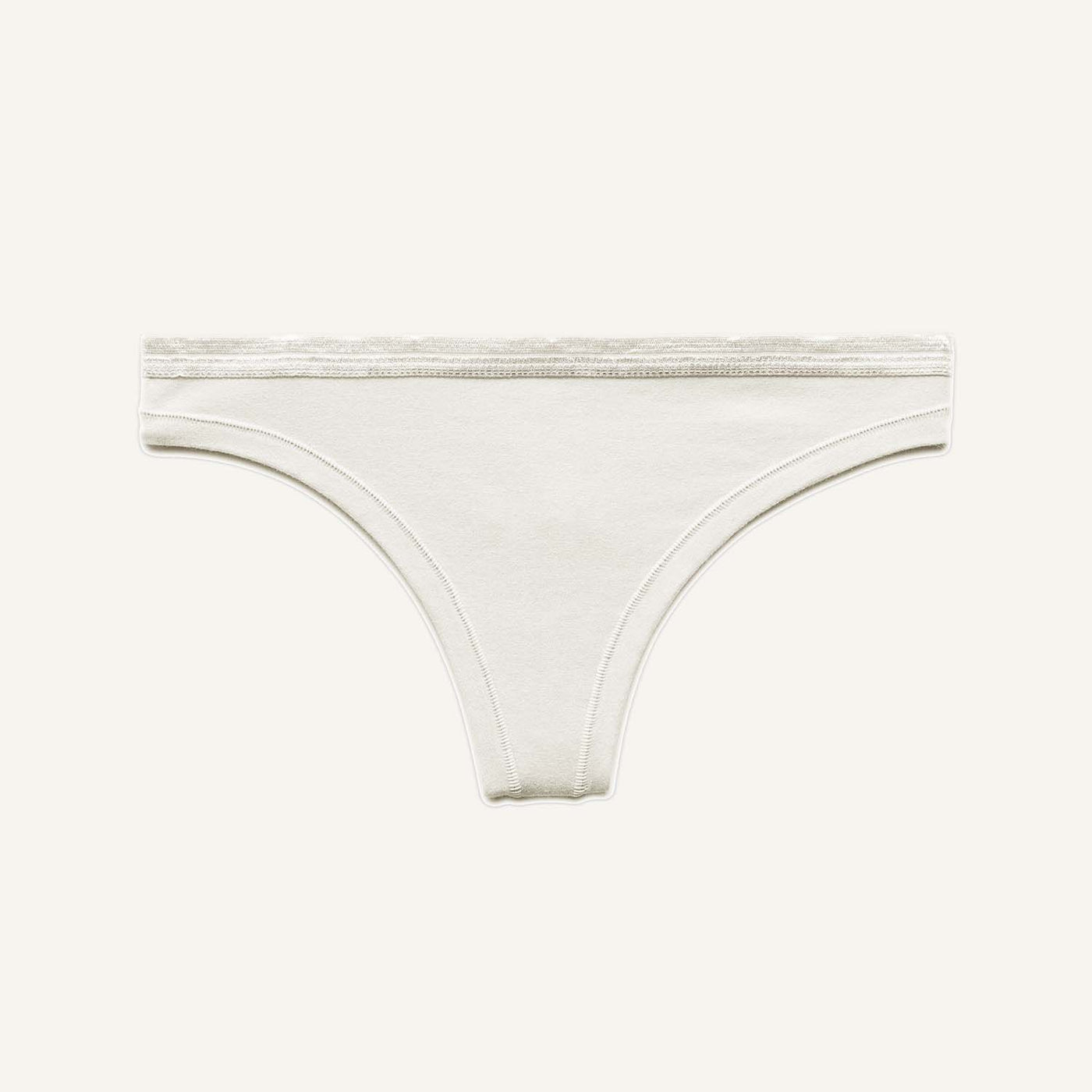
Brand: Subset
Nylon is on the look-for or watch-out list for these categories. Each guide ranks scored products and explains what the fiber label can tell you.
Nylon is listed in MaterialsDB with Polyamide. That is a default scoring input for microplastic shedding, not a lab result for every finished garment.
Nylon carries a half-life penalty in MaterialsDB, meaning persistence and biodegradability are important concerns.
Use the Greener Closet material-label checker with the full percentage label, because blends can change the final score even when Nylon is only one part of the garment.