
Analyzed Product Profile
Allbirds
This Analyzed Product Profile is based on 15 distinct analyzed products, a small catalogue sample. Median, range, and material mix describe those products only — not Allbirds as a whole.
Highest-scoring analyzed products
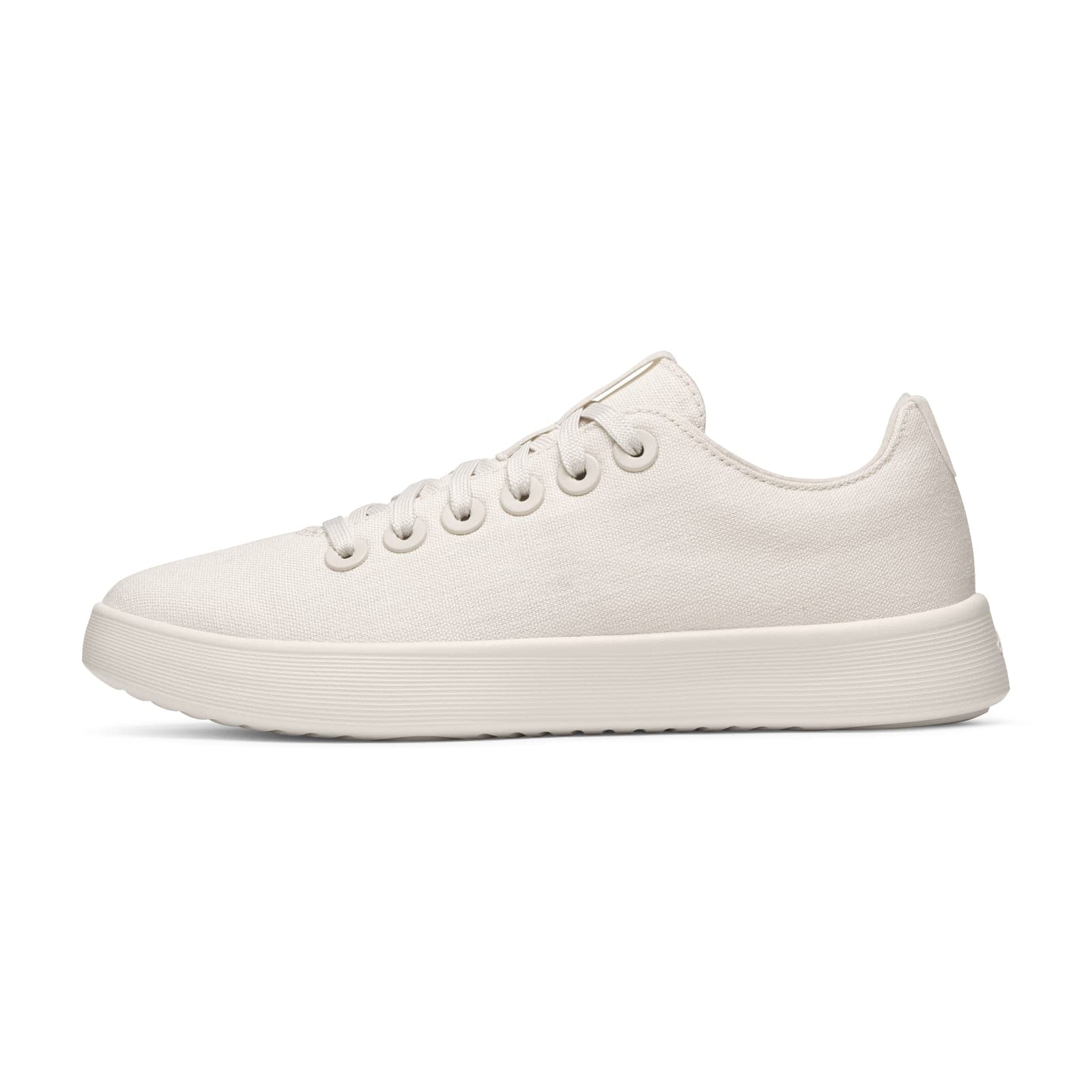
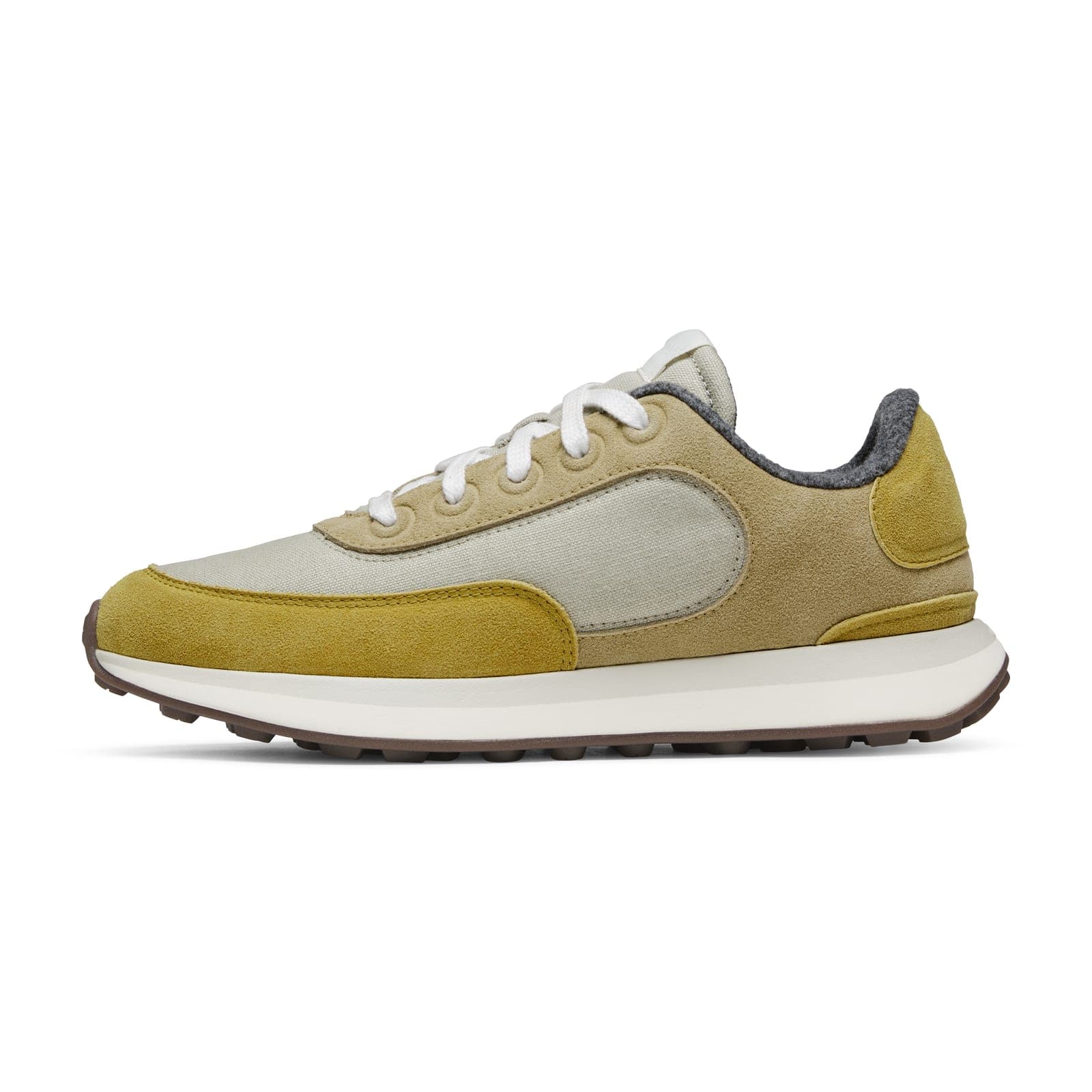
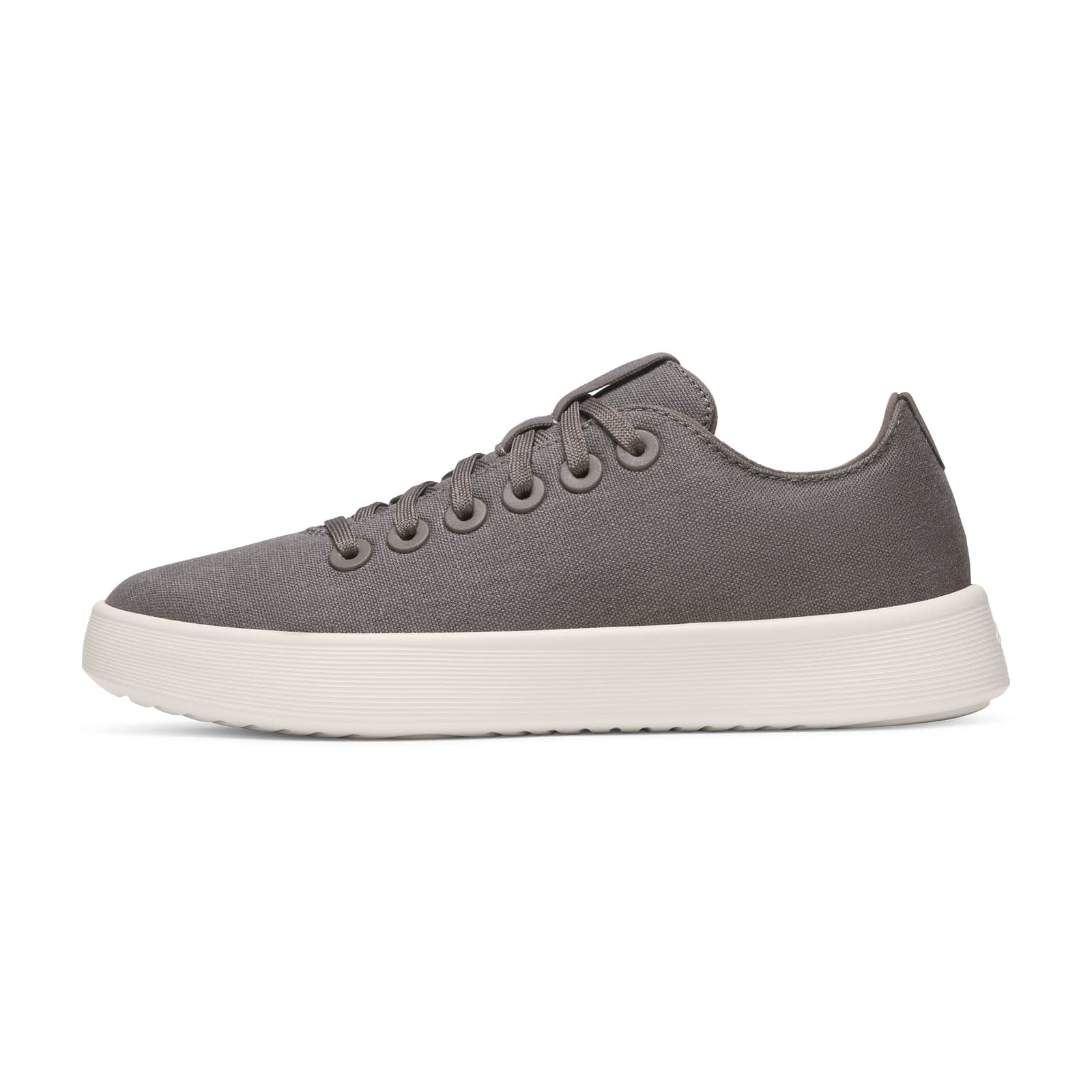
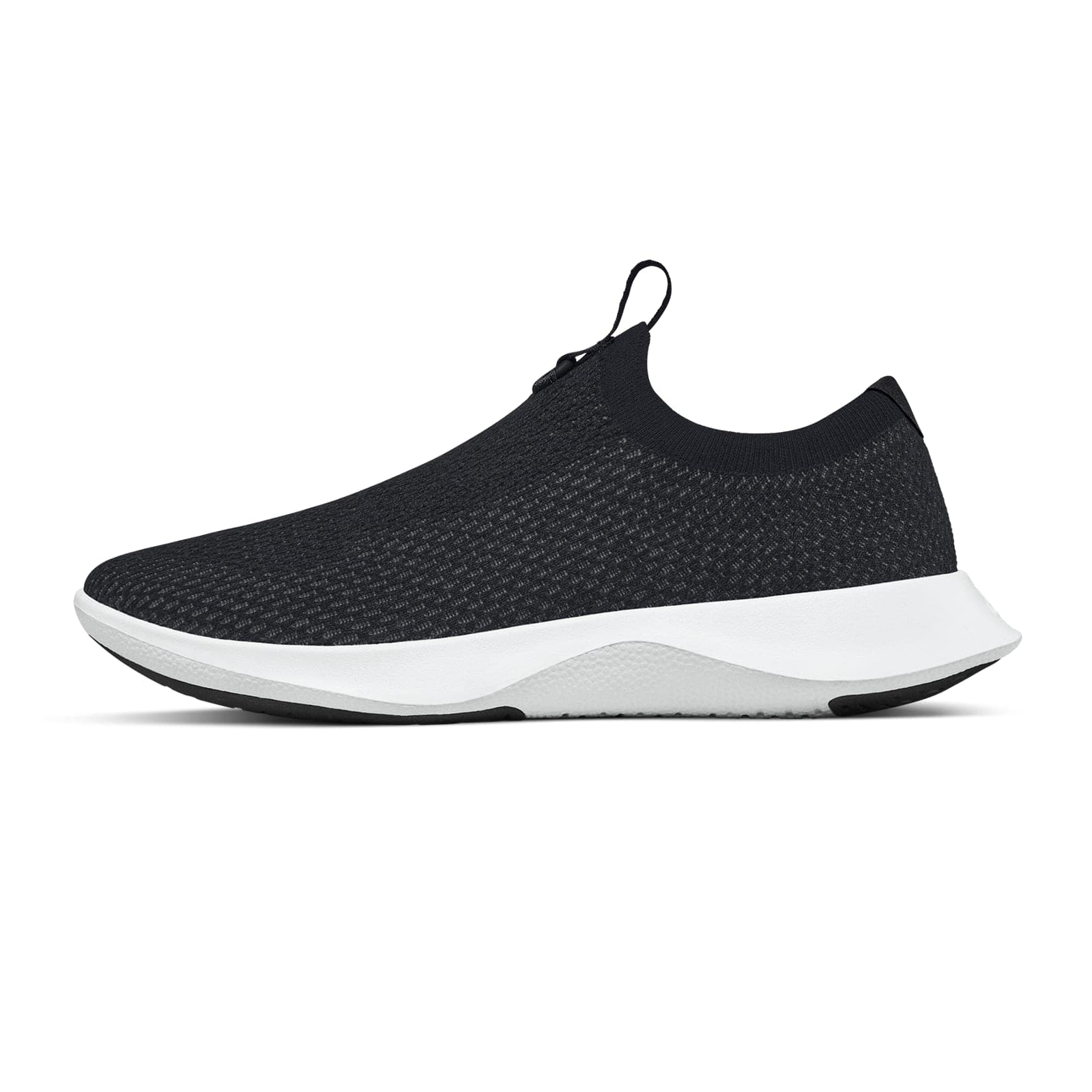
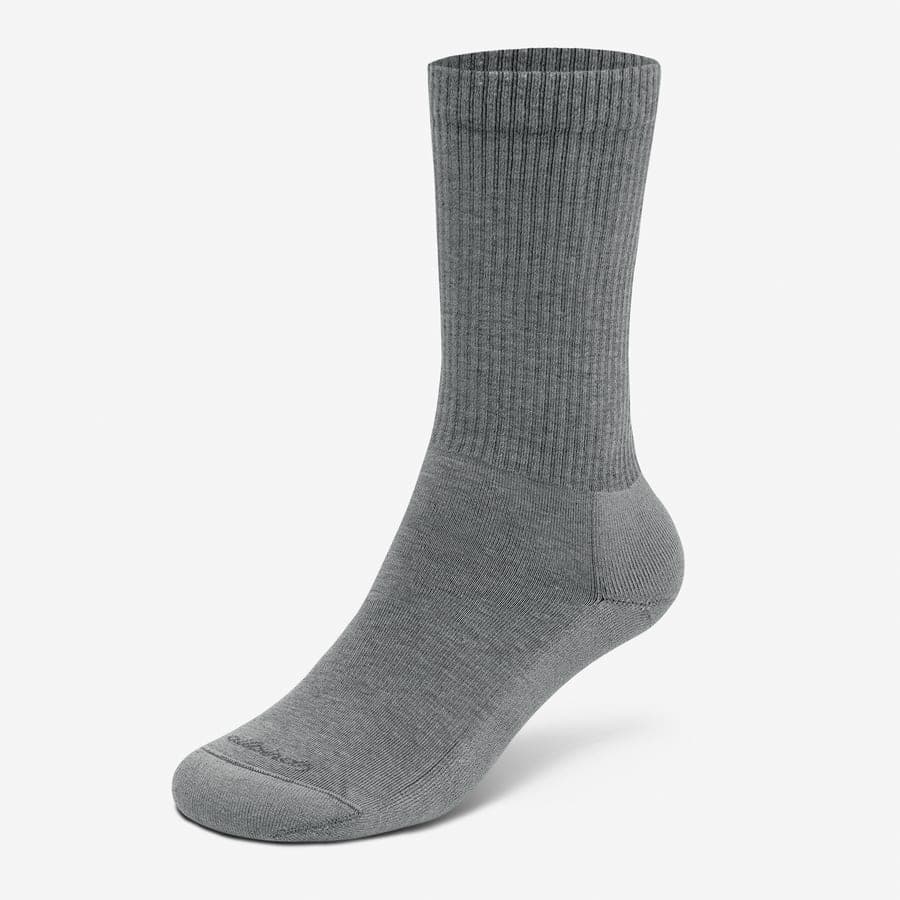
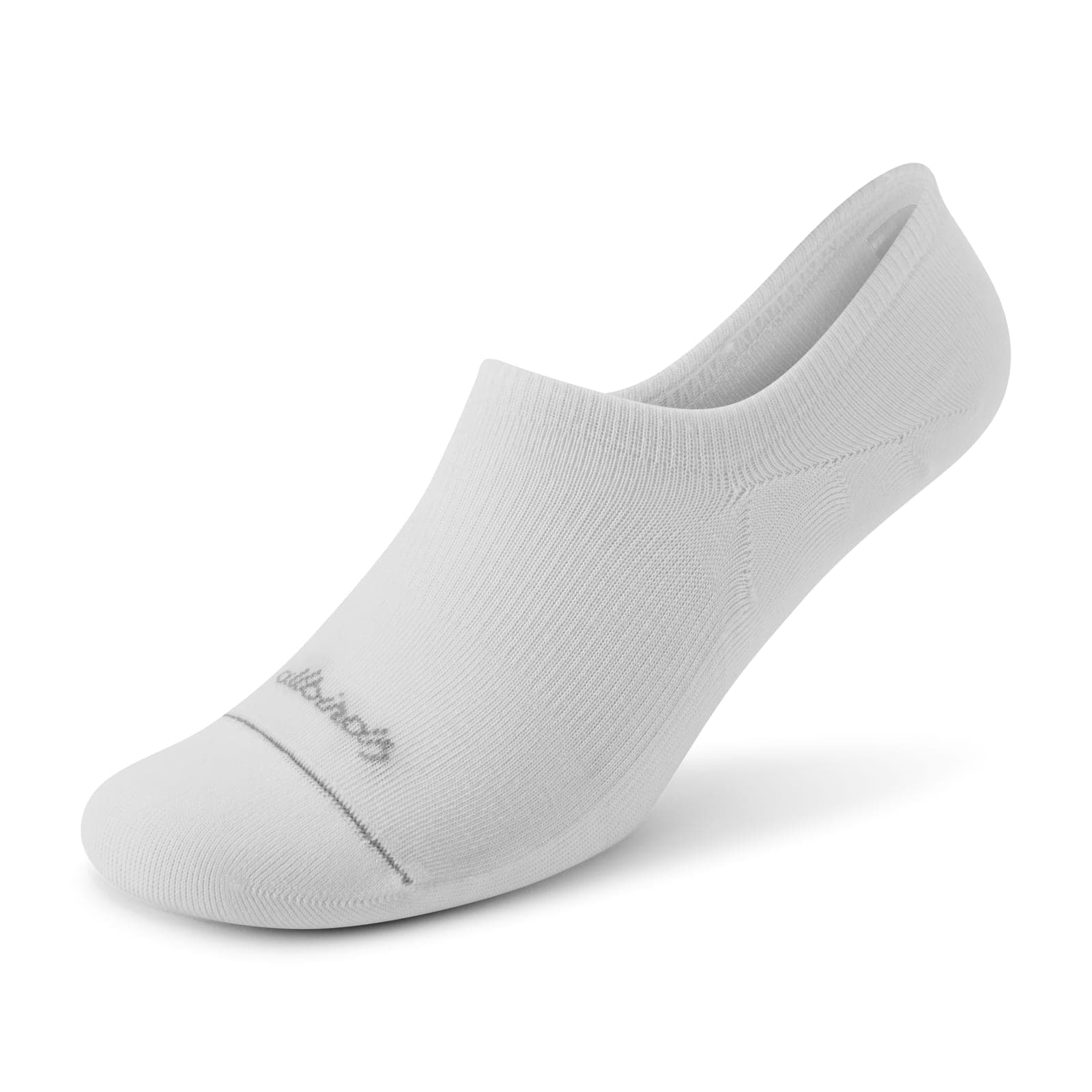
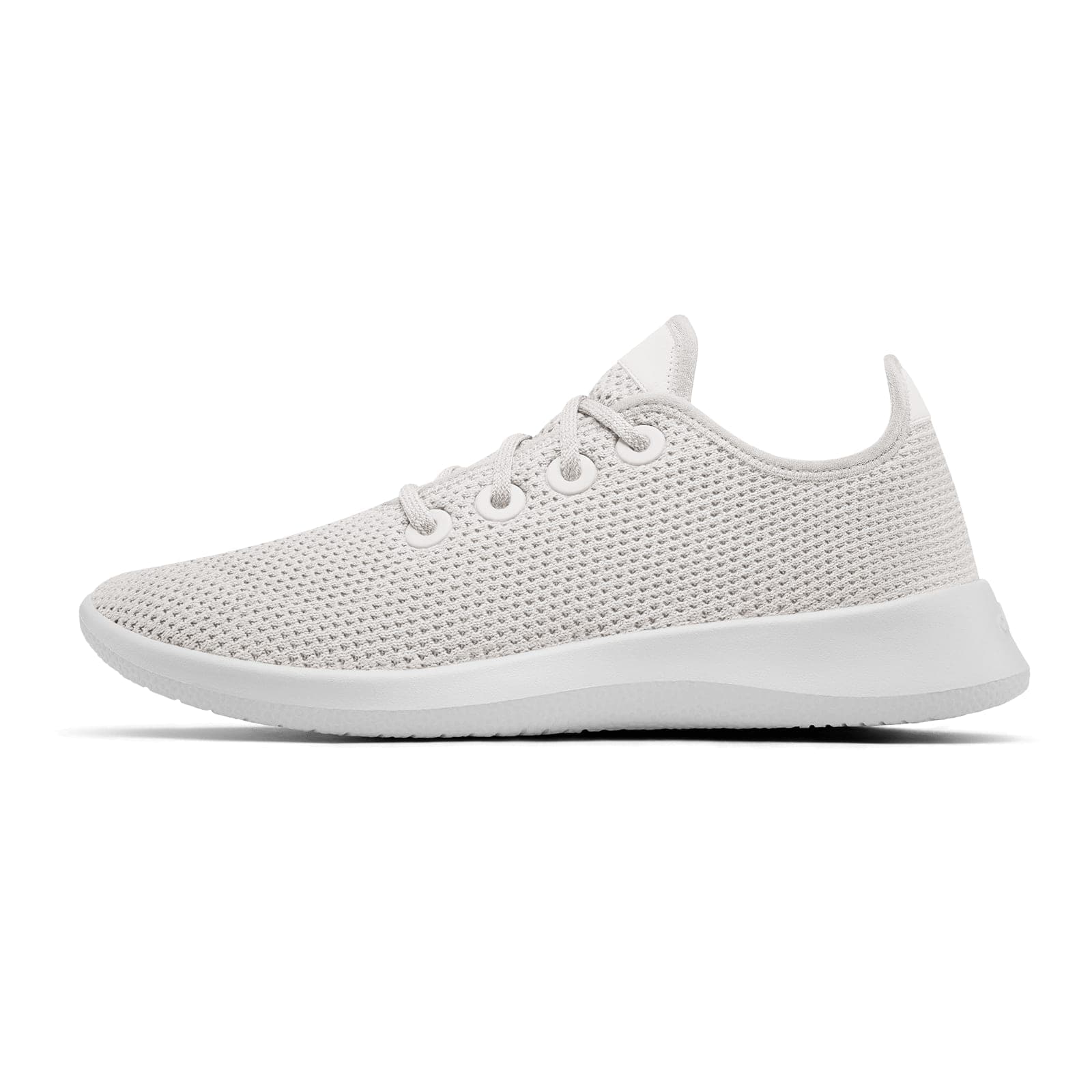
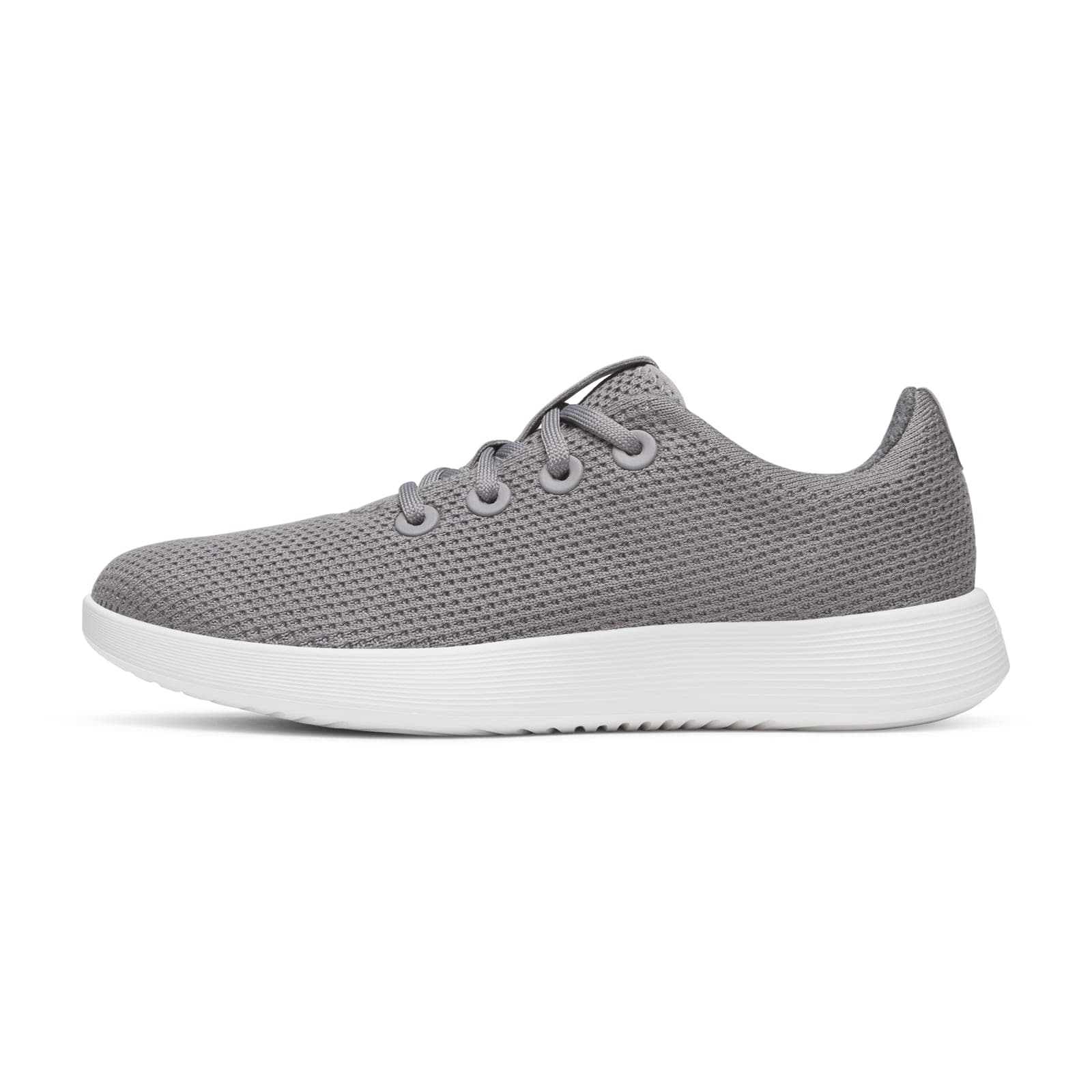
Sample and scores
Most common materials
Counted by distinct product, not fiber percentage. One product can appear in several rows.
| Material | Products |
|---|---|
| Tencel Lyocell | 11 |
| Recycled Polyester | 8 |
| Organic Cotton | 6 |
| Hemp | 3 |
| Recycled Nylon | 3 |
| Spandex | 2 |
Category mix
| Category | Products |
|---|---|
| Shoes | 12 |
| Socks | 3 |
How these scores are produced
Product scores on this page are produced automatically. We read the composition and certification details a retailer discloses on the product page, match each material to our research database, and apply the published clothing-score process: every product starts at 100; five material factors — microplastics, PFAS, material half-life, production energy, and fiber shedding — apply penalties weighted by how much of the garment that material makes up; a sixth factor, azo dyes, applies to the garment as a whole; and a small adjustment reflects whether any certification was disclosed. GOTS, bluesign, OEKO-TEX Standard 100, and Cradle to Cradle can also mark a product azo-dye-free. We do not lab-test garments. The Analyzed Product Profile then summarizes those product scores. It is not a corporate sustainability score, and it is not the retired LLM brand assessment.
Are you this brand?
If a figure on this page is wrong, send a correction. We aim to respond within 24 hours. A review can temporarily hide a disputed claim; it is not an automatic permanent removal.
Sourced corporate evidence
These are sourced claims, not a corporate score. Missing topics are not assessed, not scored as zero.
Allbirds reported that its average per-product carbon footprint fell by 22% during 2023, reaching 5.54 kg CO2e, while it continued pursuing a goal to halve per-product carbon emissions by 2025.
company_disclosure
Published 2024-10-14
Allbirds states that it calculates cradle-to-grave carbon footprints for its products using material composition, supplier energy data, transportation and distribution, consumer use, and other inputs.
company_disclosure
Allbirds states that its 2023 average product carbon footprint across footwear and apparel was 5.54 kg CO2e.
company_disclosure
Allbirds states that it uses materials including Merino wool, tree fiber, and sugarcane, and favors recycled and natural materials.
company_disclosure
Allbirds states that its suppliers are required to adopt responsible environmental measures and comply with applicable local and international environmental laws and regulations.
company_disclosure
Allbirds states that it has held B Corp certification since 2016 and that its ESG oversight includes board-level responsibility through its sustainability, nomination, and governance committee.
company_disclosure
Allbirds states that its M0.0NSHOT Zero shoe has a reported net carbon footprint of 0.0 kg CO2e and that the result was achieved without relying on carbon offsets.
company_disclosure
- Not assessed — Labour practices and worker outcomes
- Not assessed — Water use and water stewardship
- Not assessed — Animal welfare