
What Is OEKO-TEX? What Standard 100 Means for Clothing and Bedding
OEKO-TEX is a family of textile labels. The one you see most on clothing, sheets and towels, STANDARD 100, means the certified item was tested against a list of more than 1,000 harmful substances, with the strictest limits for baby products.
It is not an organic, chemical-free or medical-safety claim, and it says nothing about what the fabric is made of.
The four STANDARD 100 product classes
STANDARD 100 sets its limits by how an item is used. Class 1 has the strictest limits. For baby clothes and crib bedding, class 1 is the one that matters.
- Class 1: items for babies and children up to age 3.
- Class 2: items with direct skin contact, such as underwear, T-shirts and bed linens.
- Class 3: items without direct skin contact, such as jackets.
- Class 4: home textiles used for decoration, such as curtains.
What the label does not prove
- It tests for listed substances at set limits. It is not a promise that an item is free of every chemical.
- It says nothing about the fiber. A 100% polyester shirt can carry STANDARD 100, and our score still counts polyester as a microplastic source.
- It is not an organic label. Organic content is certified separately, for example by GOTS or OEKO-TEX ORGANIC COTTON.
- A brand's claim is not the certificate. In our October 2026 check of 242 retailer product pages that credited GOTS or OEKO-TEX, about 1 in 12 credits applied only to the dyes, and about 1 in 7 had no product-level basis on the page, such as a factory or supplier certificate.
PFAS
OEKO-TEX bans the intentional use of PFAS in all of its certifications. Since January 2024, STANDARD 100 has also limited total fluorine to 100 mg/kg. Total fluorine is a lab measure that catches PFAS along with other fluorine compounds. That limit is being lowered to 50 ppm in 2026.
A STANDARD 100 claim on a product page is still the brand's statement until you check the label number.
How to check an OEKO-TEX label
Find the label number on the product's OEKO-TEX label or listing, then enter it in OEKO-TEX Label Check at oeko-tex.com/en/label-check. You can also scan the label's QR code. Label numbers are case sensitive.
Make sure the label is on the item you are buying, not only on the brand's About page.
How Greener Closet scores OEKO-TEX
Listing a certification adds a small adjustment to a product's score. Our score also treats STANDARD 100, like GOTS, as evidence that the dyes avoid restricted azo colorants, so the product is not marked down for unverified azo dyes.
Neither changes how the fiber itself scores: a certified polyester top still scores as polyester.
OEKO-TEX vs GOTS
GOTS certifies organic fiber content and restricts the chemicals used to process it. STANDARD 100 tests the finished item for listed substances, whatever its fiber. A product can carry one, both or neither.
For organic cotton, look for GOTS. For a check on the finished item, look for STANDARD 100.
Other OEKO-TEX labels
- MADE IN GREEN: tested for harmful substances and made under sustainable, socially responsible conditions.
- ORGANIC COTTON: organic cotton verified from farm to product, including GMO testing.
- LEATHER STANDARD: leather articles tested for harmful substances.
- STeP: certifies production facilities, not products.
- ECO PASSPORT: certifies the chemicals, colorants and auxiliaries used in production, not the finished item.
Primary sources
- OEKO-TEX STANDARD 100 (OEKO-TEX)
- Our standards (OEKO-TEX)
- New limit value for total fluorine (OEKO-TEX)
- PFAS restrictions and testing (Hohenstein)
- Label Check (OEKO-TEX)
- The Standard (Global Organic Textile Standard)
Reviewed 2026-10-28.
Scored products that list OEKO-TEX STANDARD 100
219 scored products in our catalog list STANDARD 100, and each product page ties the certification to that product rather than to its dyes, a factory or the brand. These are the retailer's statements, so check the label number before you rely on one. Highest scores first. A few brands whose pages we could not read yet are left out until we can.
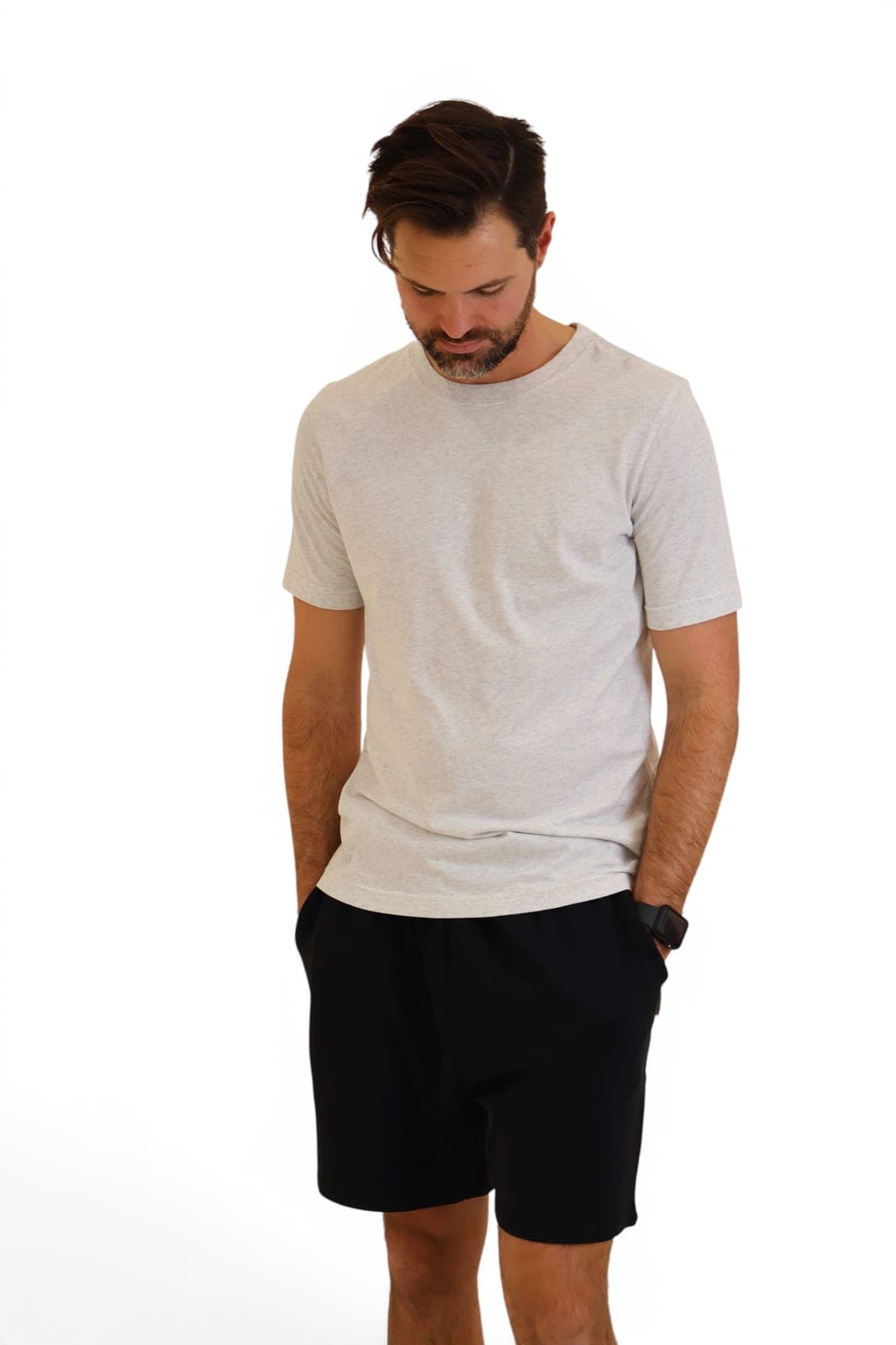
Everyday T-shirt - Regenerative Organic Certified Cotton
STAPLE Co

Everyday Trackpants - Regenerative Organic Certified
STAPLE Co
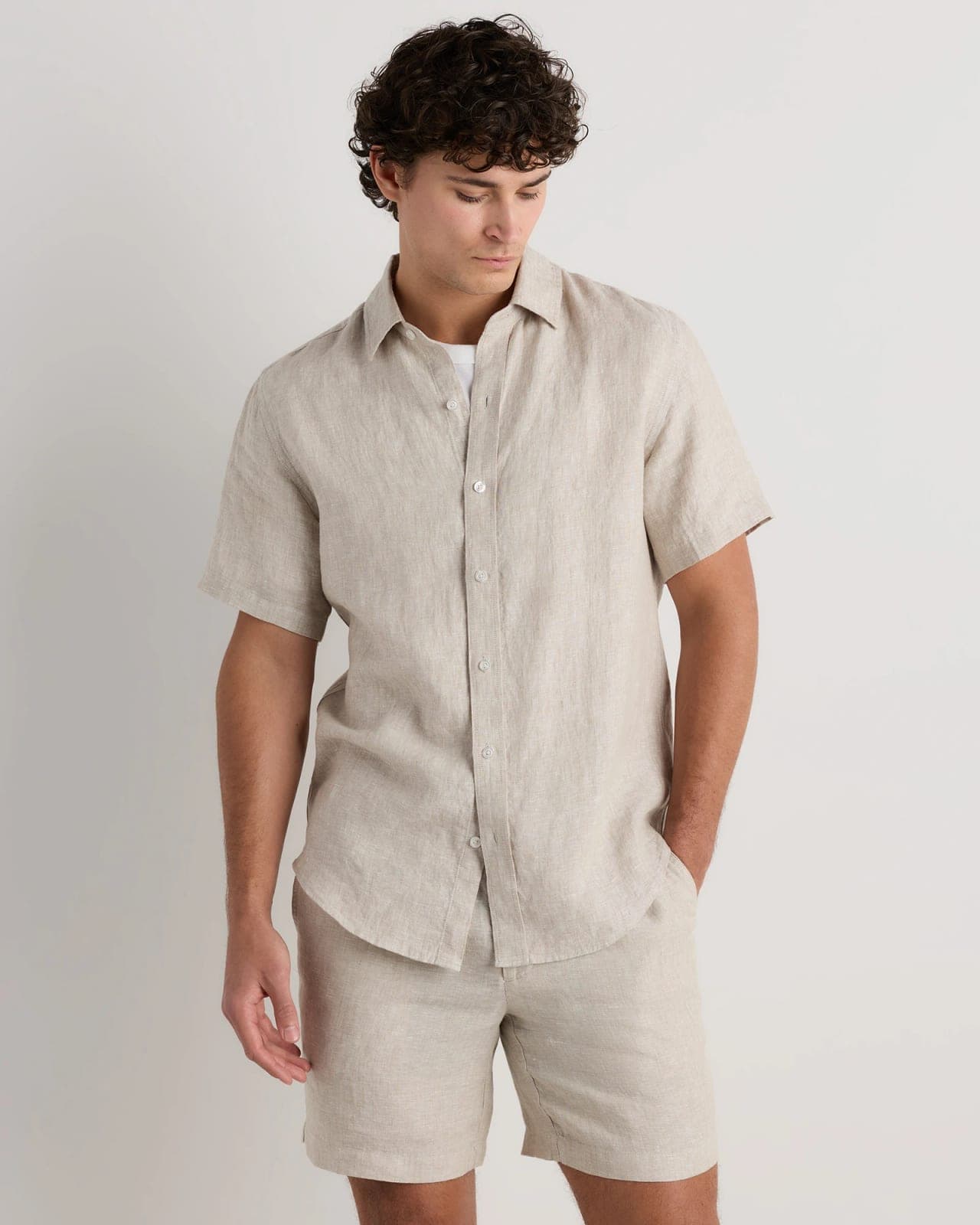
Men's 100% European Linen Short Sleeve Shirt
Quince
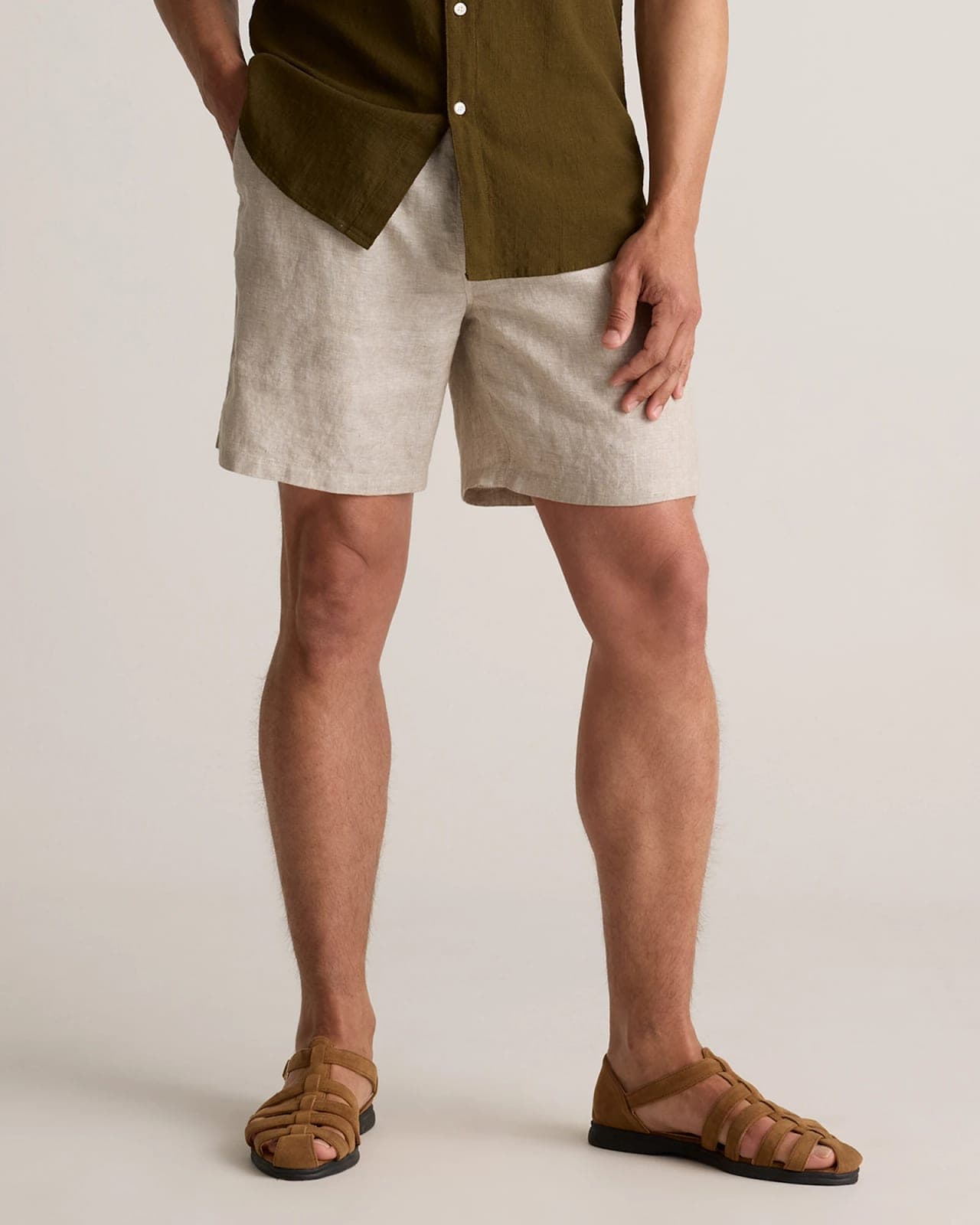
100% European Linen Drawstring Beach Shorts - 7"
Quince
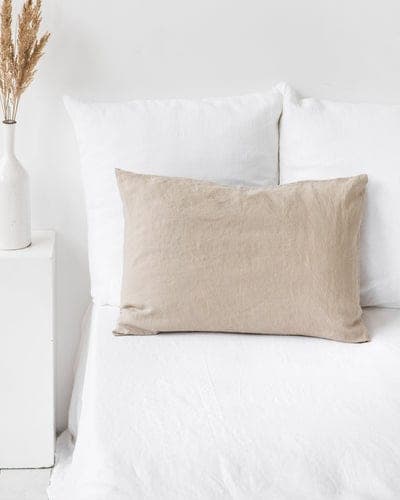
Natural linen pillowcase
MagicLinen
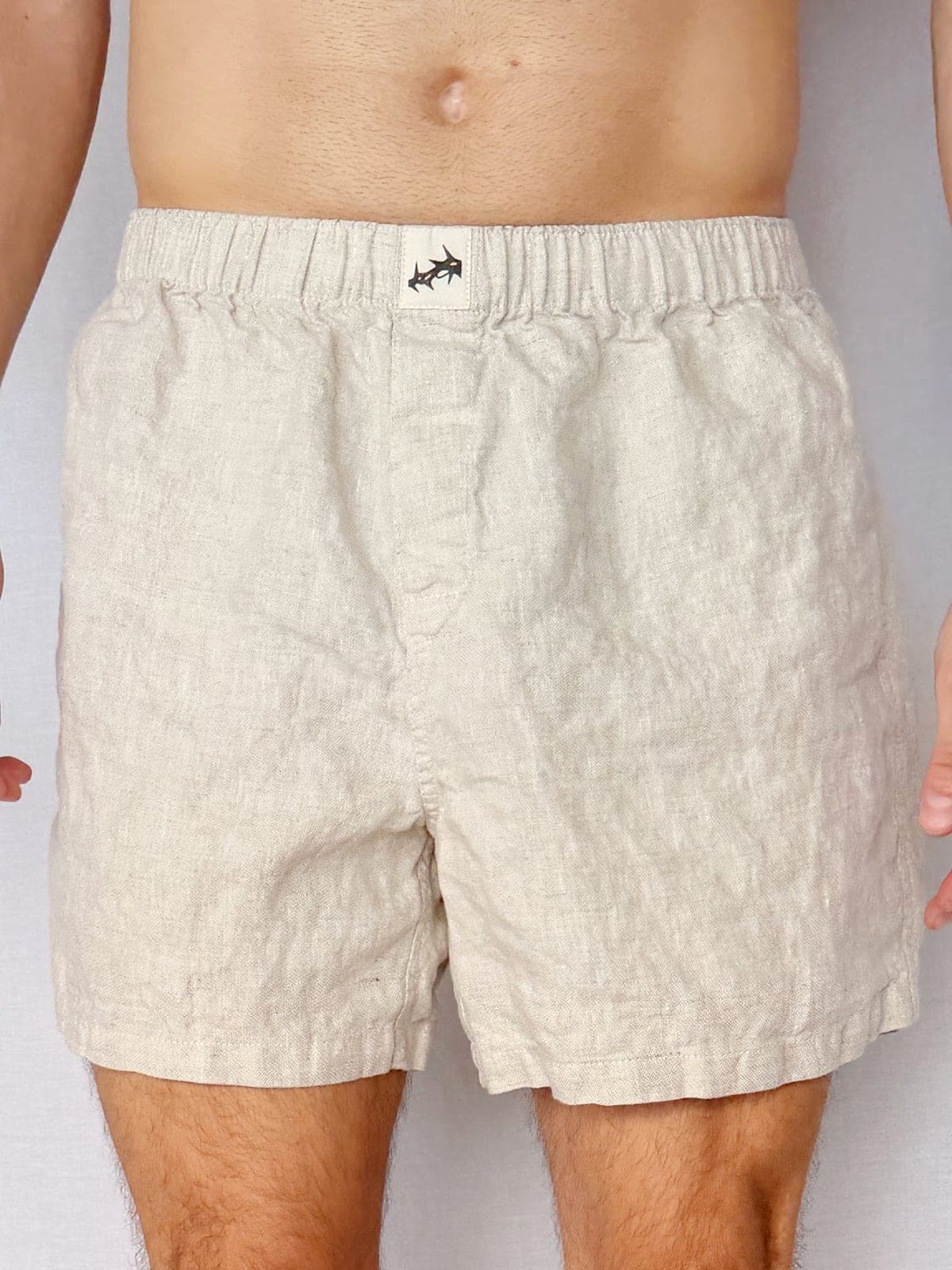
The Linen Short
Vessel of Thrns

Men's linen pajama set VIGO in Deep Navy Blue
MagicLinen

Men’s Linen T-Shirt LINDEN in White
Black Ficus Store
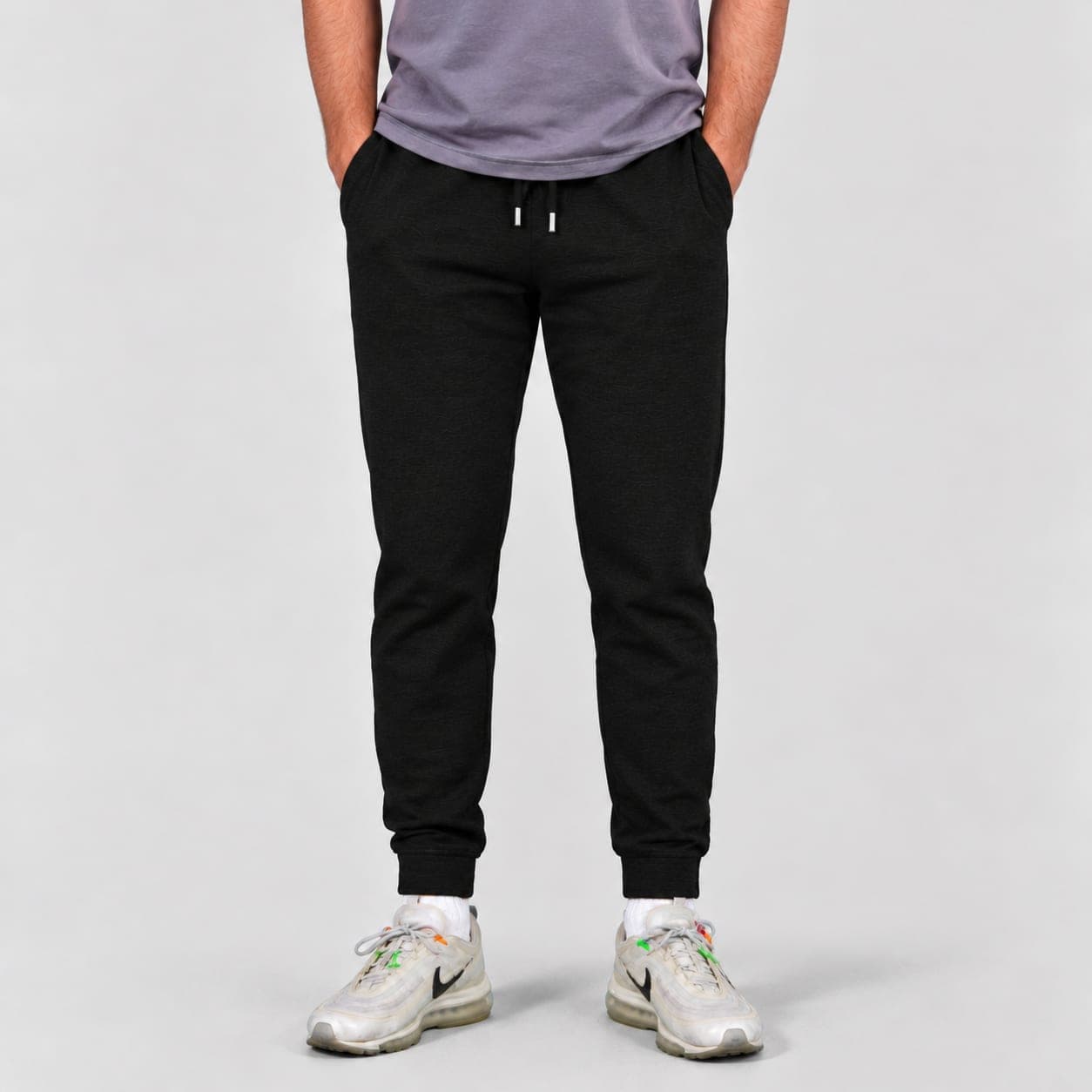
The Ranger Jogger
Ryker
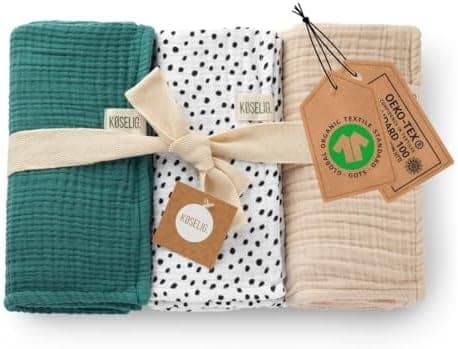
Premium Muslin Cloths 80 x 80 cm 100% Organic Cotton Gift for Birth: Baby Blankets, Burp Cloths Extra Soft & Absorbent, Wash at 60 °C, Set of 3 Muslin Cloths
KØSELIG

Organic Fleece Straight Leg Sweatpant
Mate the Label
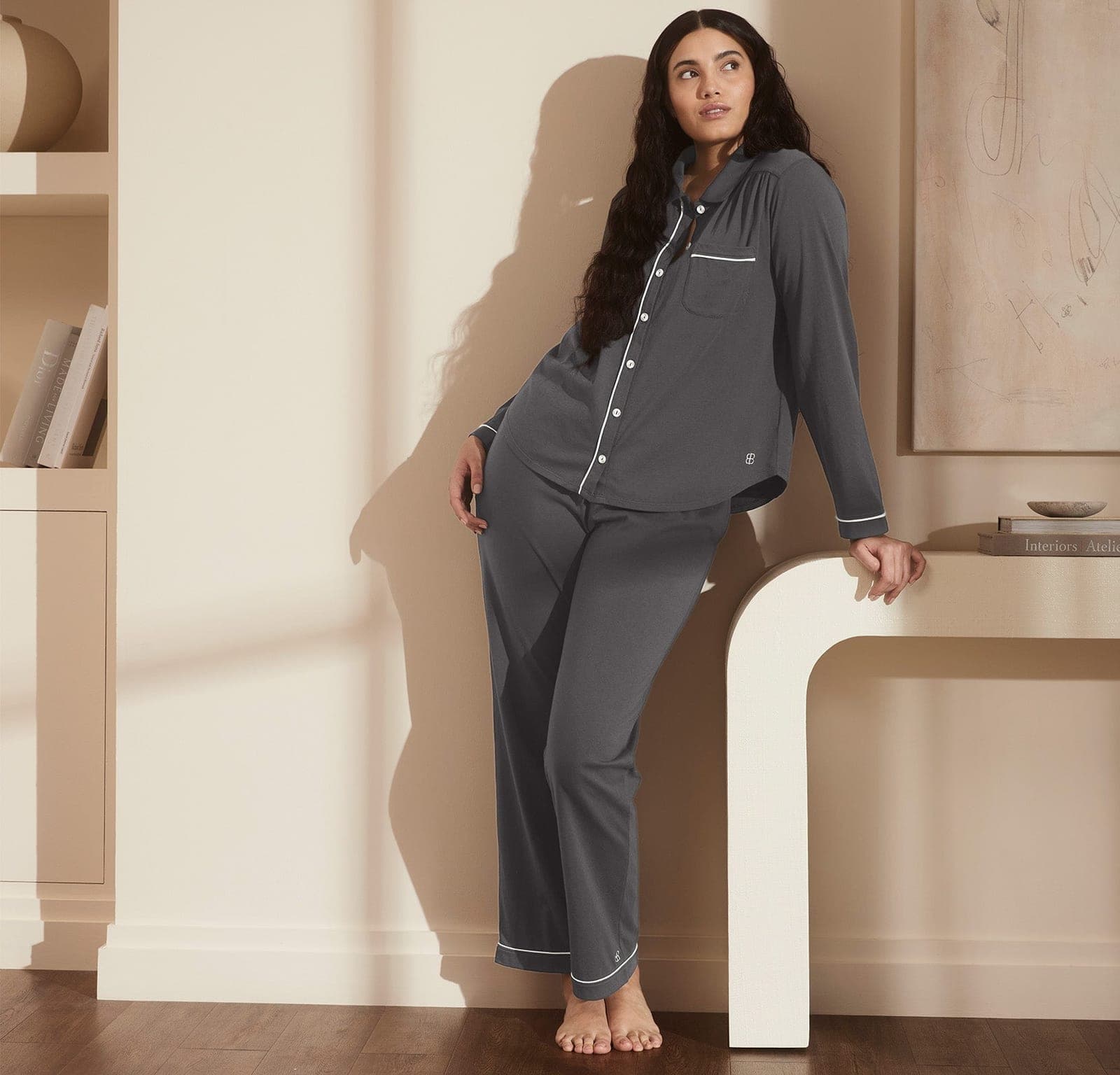
Soft Knit Long Sleeve & Pants Pajama Set
Boll & Branch
Related guides
Why a certified polyester item still scores as polyester.
The fiber GOTS certifies, scored on its own.
Scored pajamas, where class 1 and class 2 certificates matter most.
Scored underwear compared by fiber and disclosure.
The full scoring method and its sources.
Common questions
What does OEKO-TEX certified mean?
Usually it means STANDARD 100: the certified item was tested against OEKO-TEX's list of harmful substances at the limits for its product class. Check which OEKO-TEX label it is, because some cover facilities or chemicals rather than the item.
Is OEKO-TEX certified clothing non-toxic?
STANDARD 100 means the item passed tests for a list of harmful substances. It does not mean chemical-free, and it says nothing about the fiber, so a certified polyester garment still sheds microplastics.
Is OEKO-TEX better than GOTS?
They certify different things. GOTS covers organic fiber and how it is processed. STANDARD 100 tests the finished item for listed substances. A product can carry both.
Does OEKO-TEX ban PFAS?
Yes. OEKO-TEX bans the intentional use of PFAS in all of its certifications, and STANDARD 100 limits total fluorine, which is being lowered from 100 to 50 ppm in 2026.
How do I check if an OEKO-TEX label is real?
Enter the label number in OEKO-TEX Label Check at oeko-tex.com/en/label-check, or scan the label's QR code. Label numbers are case sensitive.