Microplastics
Material-class model assumption
Polyester is recorded as Synthetic and tied to Polyethylene terephthalate, which drives the material's microplastics score pressure.

Polyester is a synthetic fiber, usually polyethylene terephthalate (PET). The label tells you the disclosed fiber share. It does not tell you which dyes, catalyst residues, or water-repellent finishes were used, and it cannot prove that a garment contains or lacks PFAS.
Common in activewear, fleece, outerwear, and blends that need stretch, quick dry, or durability. Those performance traits are not a chemical-safety claim.
Polyester textiles can release plastic microfibers during washing, with amounts that vary by fabric and wash conditions. Some textile facilities use PFAS for water, grease, or stain resistance; that industry use does not mean every polyester garment has a PFAS finish.
A public product page cannot establish a wearer's exposure or health outcome. Construction, finishes, and care change both shedding and any finish residues.
Reviewed 2026-09-05.
MaterialsDB records polyester as a synthetic microplastic source and applies default persistence, shedding, and PFAS-association penalties. These are model assumptions, not lab results for a finished SKU.
Polyester is recorded as Synthetic and tied to Polyethylene terephthalate, which drives the material's microplastics score pressure.
Polyester receives a PFAS uncertainty penalty because performance synthetics and finish-dependent uses can make PFAS claims harder to verify from a label alone.
Polyester is treated as slow to break down, so half-life and biodegradability are major sustainability concerns.
Polyester can shed fibers during wear and washing; the MaterialsDB shedding penalty captures that release risk.
Polyester carries a manufacturing-energy penalty, so production impacts remain part of the score even when microplastic risk is low.
Paste the full fabric label into the homepage checker. A 95% cotton, 5% elastane garment will not score the same as 100% cotton, and the checker handles those percentages.
Use the material-label checker346 visible scored products include Polyester.
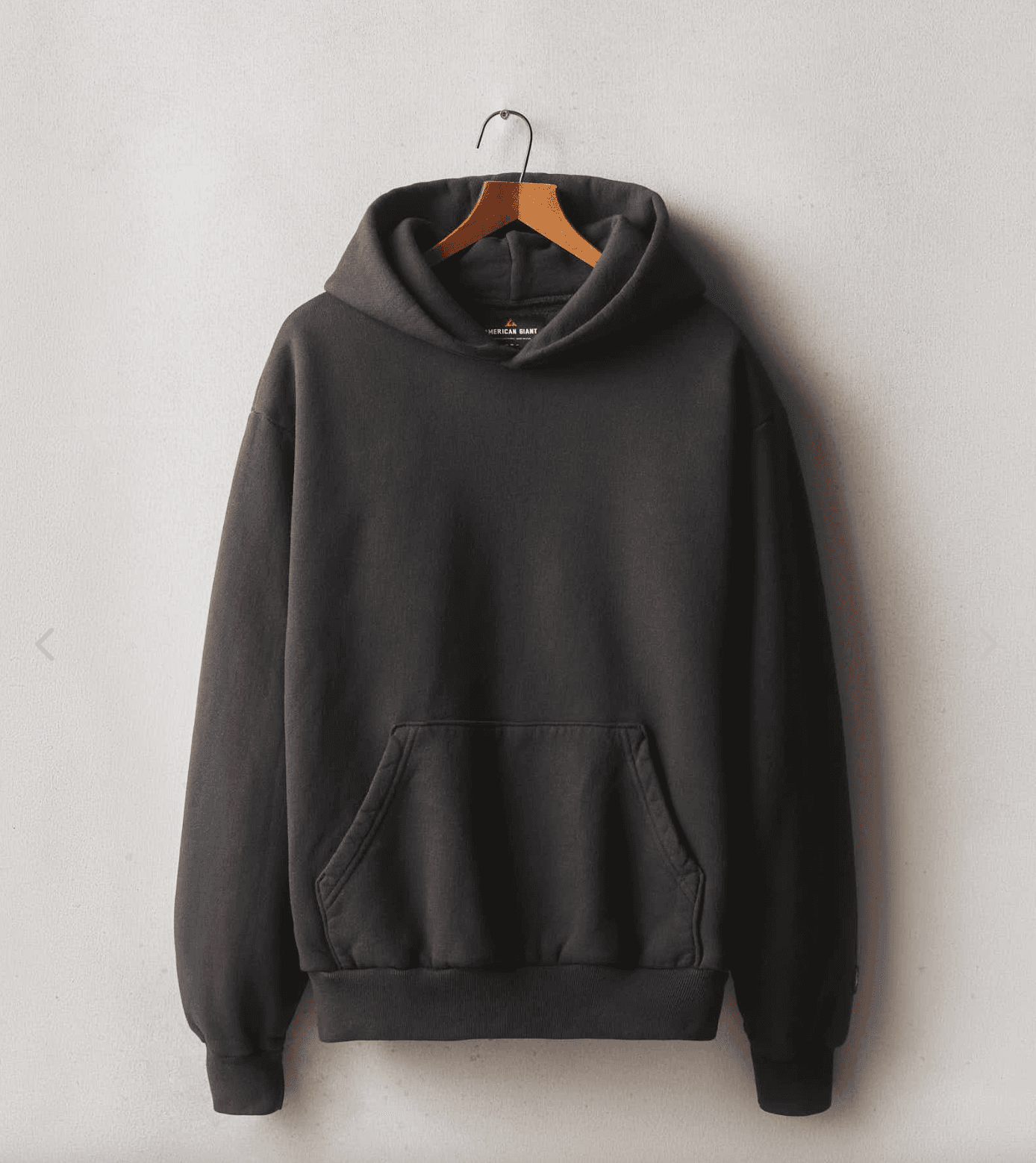
Brand: American Giant
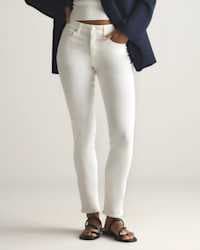
Brand: Quince

Brand: H&M
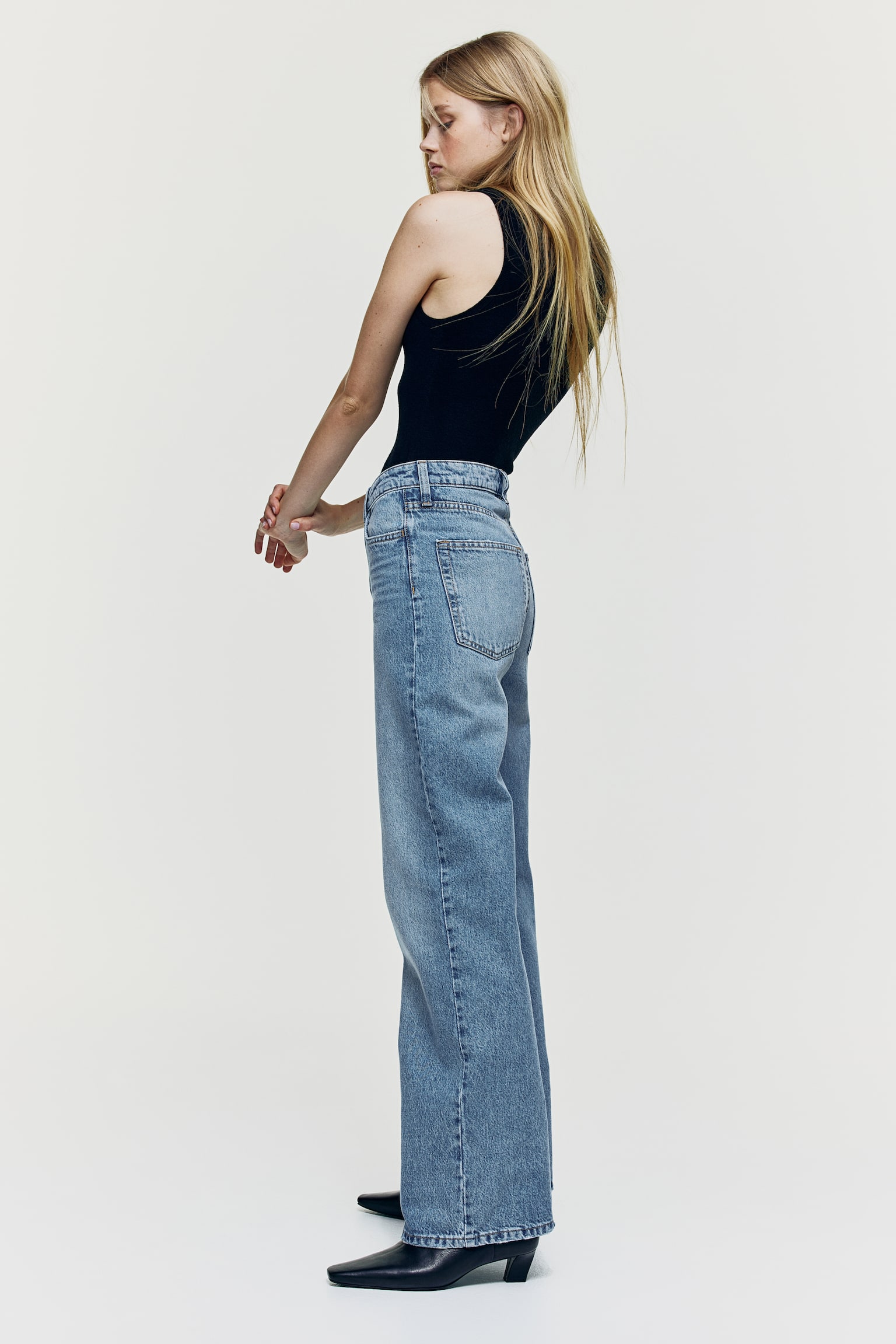
Brand: H&M

Brand: Reformation

Brand: The Reformation
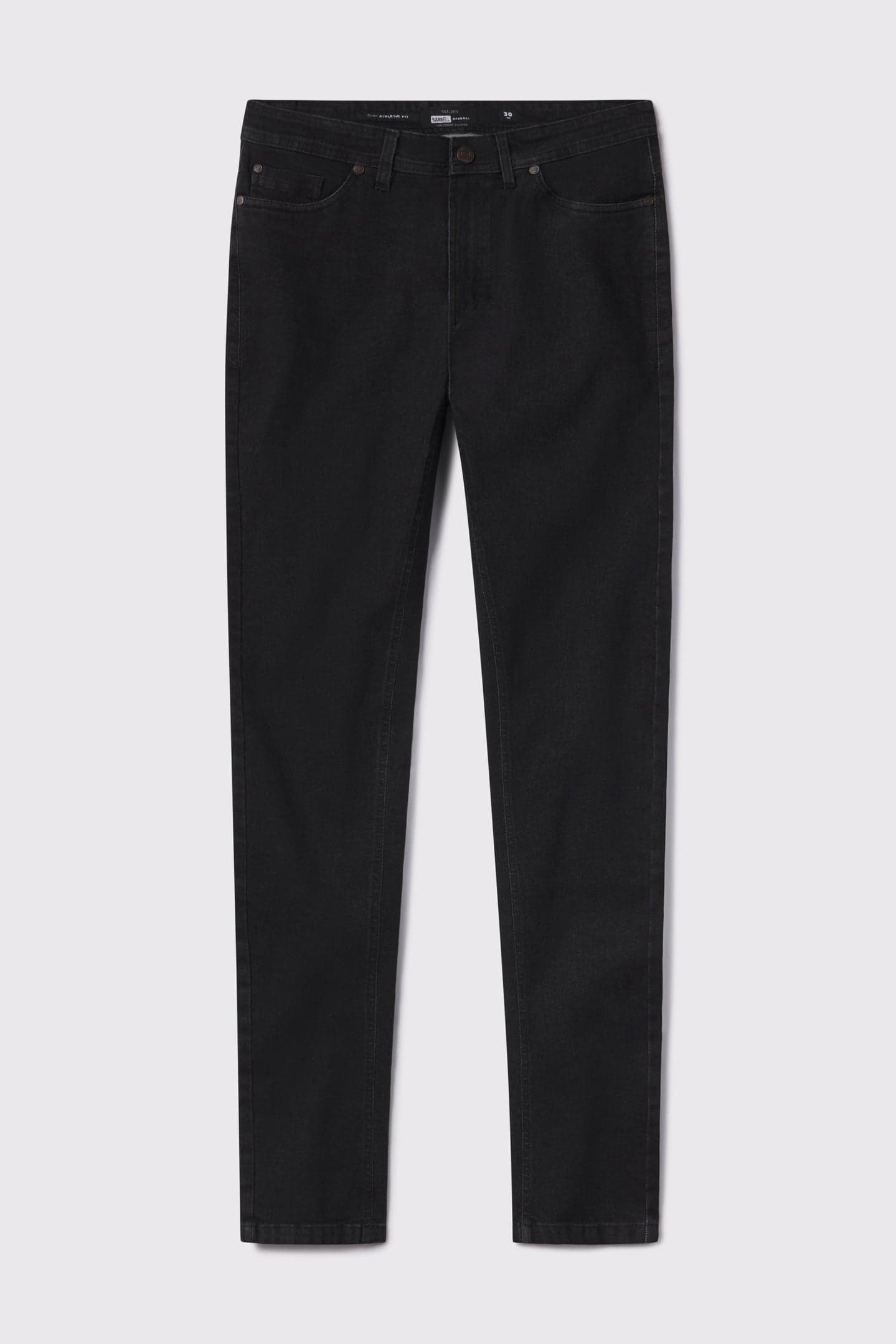
Brand: Barbell Apparel
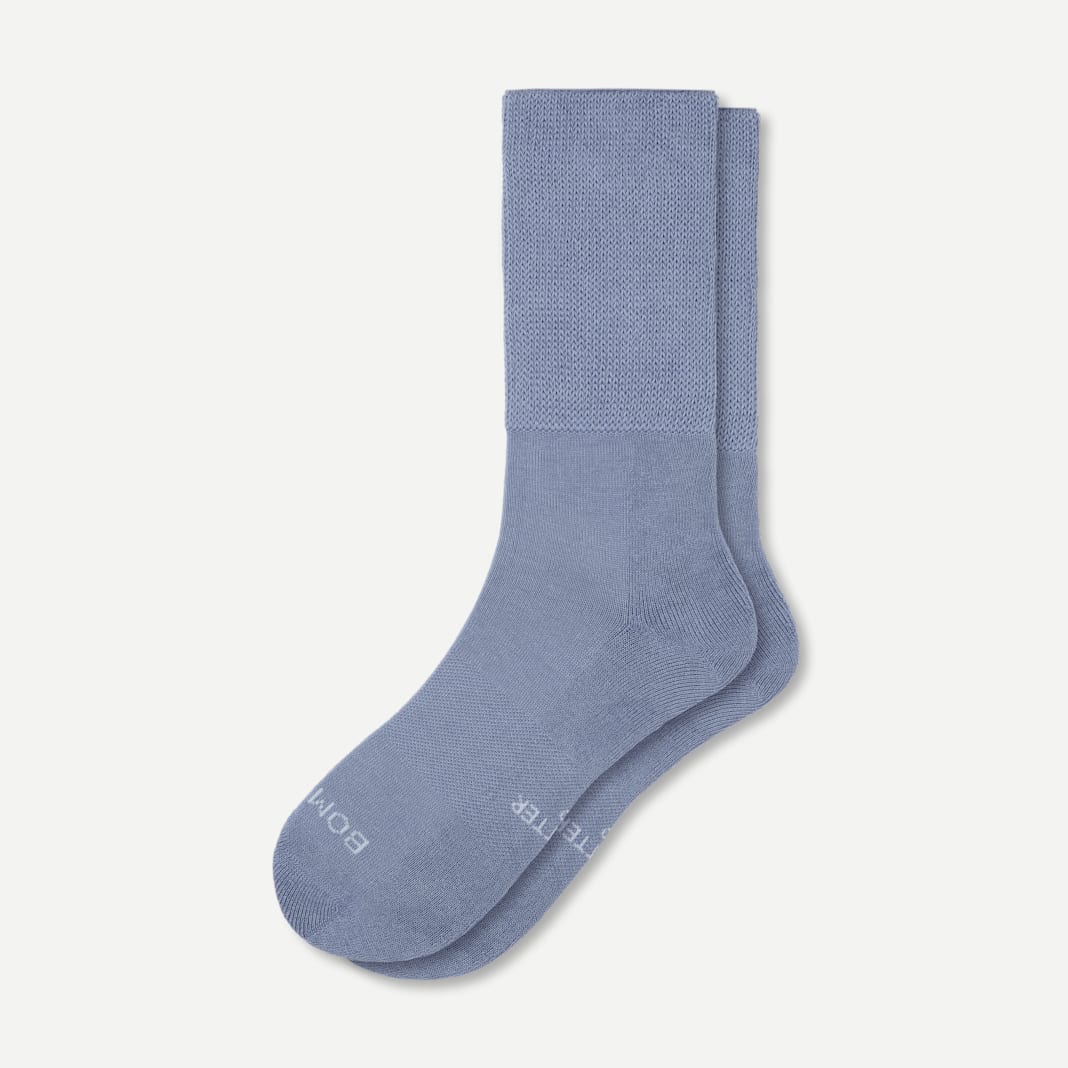
Brand: Bombas
Polyester is on the look-for or watch-out list for these categories. Each guide ranks scored products and explains what the fiber label can tell you.
Polyester is listed in MaterialsDB with Polyethylene terephthalate. That is a default scoring input for microplastic shedding, not a lab result for every finished garment.
Polyester carries a half-life penalty in MaterialsDB, meaning persistence and biodegradability are important concerns.
Use the Greener Closet material-label checker with the full percentage label, because blends can change the final score even when Polyester is only one part of the garment.