Microplastics
Material-class model assumption
Bamboo Viscose is recorded as Regenerated Cellulose Fiber and tied to no listed microplastic polymer, which drives the material's microplastics score pressure.

Most soft clothing marketed as bamboo is viscose or rayon made from bamboo cellulose. The FTC treats that as rayon, not as a mechanically processed bamboo plant fiber. The word bamboo on a hangtag is not a health or eco verdict.
Loungewear, underwear, and baby sleepwear sold for a silky hand feel. Mechanically processed bamboo linen exists but is uncommon and feels more like linen than viscose.
Viscose production uses chemical solvents. Occupational hazards in viscose plants are not the same question as residue on a finished garment a shopper wears. OEKO-TEX STANDARD 100 can test a certified article against its current limits; it does not make viscose into a plant-fiber equivalent of cotton.
A fiber label does not report solvent residues, dyes, or finishes. Closed-loop or lyocell processes have to be named and evidenced for the exact item.
Reviewed 2026-09-05.
The bamboo viscose record is scored as regenerated cellulose, not as unprocessed bamboo. Compare Tencel lyocell or organic cotton when you want a different process or fiber class.
Bamboo Viscose is recorded as Regenerated Cellulose Fiber and tied to no listed microplastic polymer, which drives the material's microplastics score pressure.
MaterialsDB does not apply a base PFAS penalty to Bamboo Viscose. Product-level water, stain, or performance finishes can still change PFAS risk.
Bamboo Viscose has no persistence penalty in MaterialsDB, which generally reflects better biodegradability than petroleum-based synthetics.
Bamboo Viscose has no default microfiber-shedding penalty in MaterialsDB. Garment construction and laundering still matter.
Bamboo Viscose carries a manufacturing-energy penalty, so production impacts remain part of the score even when microplastic risk is low.
Paste the full fabric label into the homepage checker. A 95% cotton, 5% elastane garment will not score the same as 100% cotton, and the checker handles those percentages.
Use the material-label checker12 visible scored products include Bamboo Viscose.

Brand: Nest Designs

Brand: glas

Brand: Nest Designs
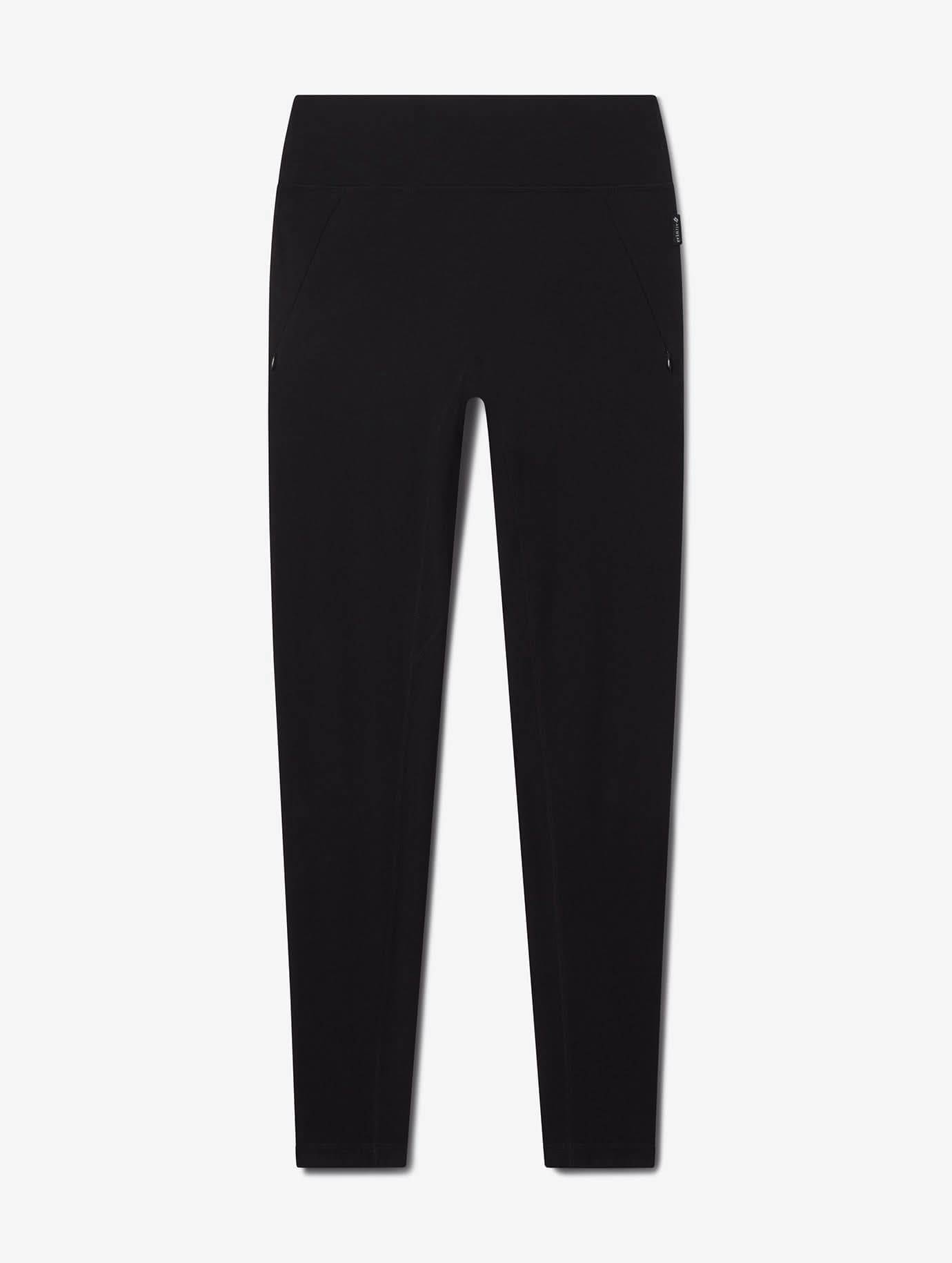
Brand: Allwear
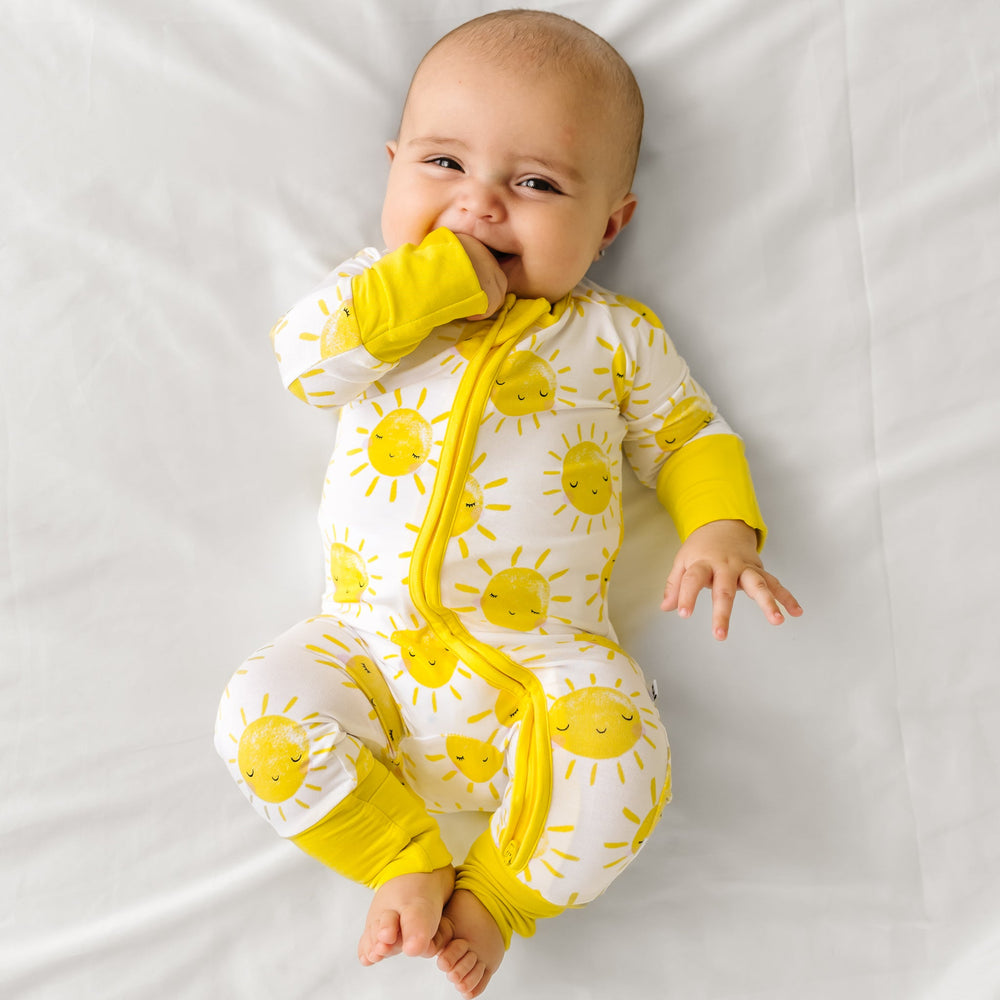
Brand: Little Sleepies
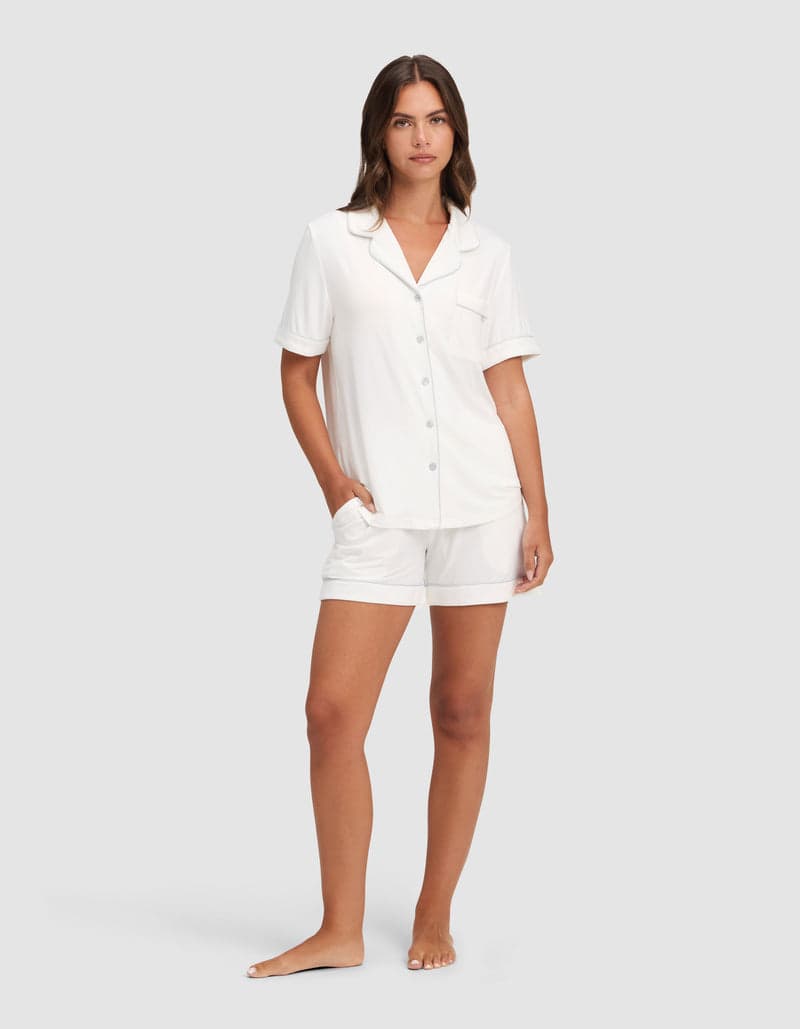
Brand: Cozy Earth
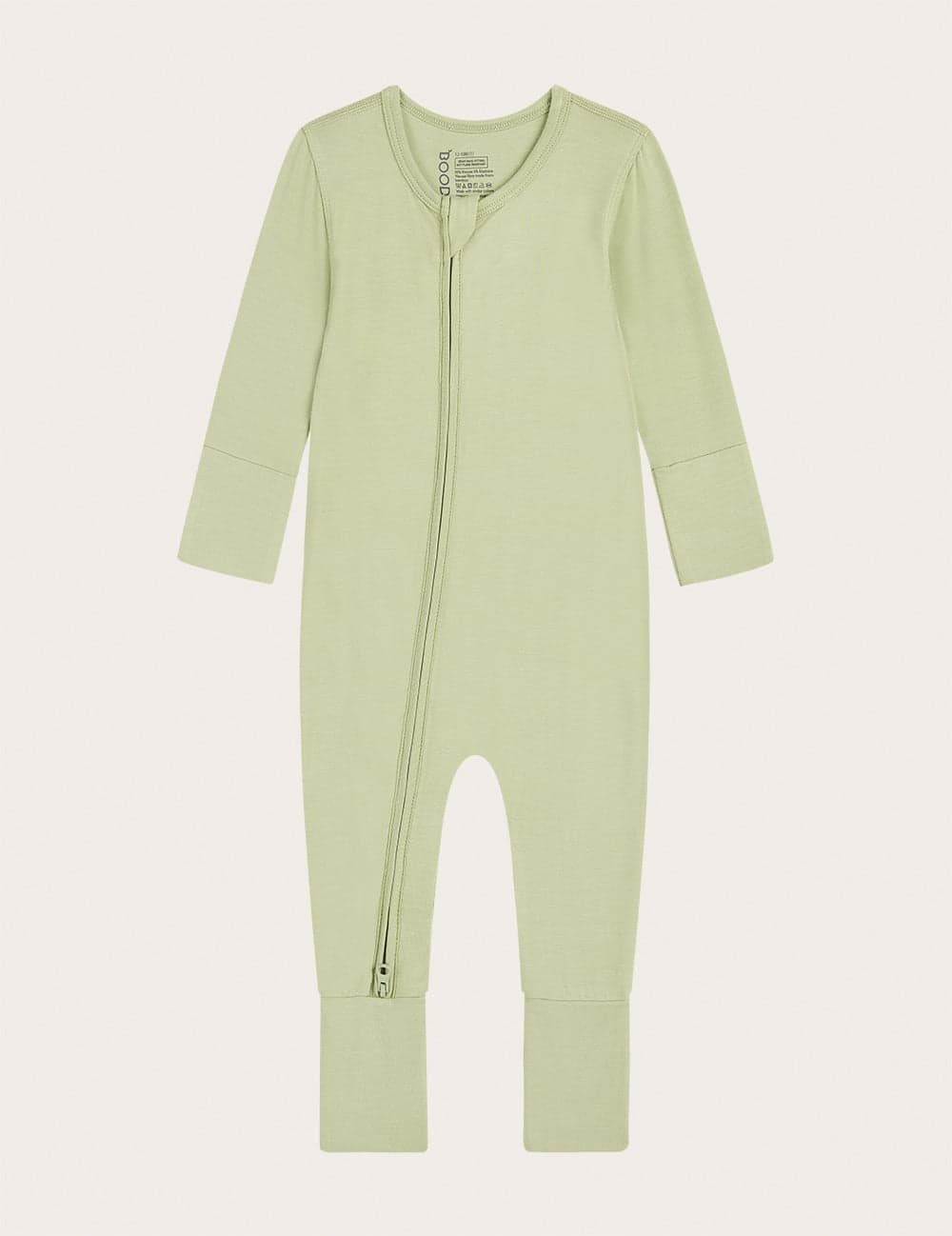
Brand: Boody

Brand: BAMBOO COOL
Bamboo Viscose has no listed microplastic polymer in MaterialsDB. Garment construction and washing can still release fibers.
Bamboo Viscose has no half-life penalty in MaterialsDB, which is a better biodegradability signal than petroleum-based synthetics.
Use the Greener Closet material-label checker with the full percentage label, because blends can change the final score even when Bamboo Viscose is only one part of the garment.