



Materials to be cautious with
Polyester and poly-blend tees shed microplastic fibers in every wash. Azo dyes used in cheap synthetic dyeing have also been flagged. Natural-fiber tees usually score significantly better.
Tees and basics are the easiest place to swap to plant-fiber materials without sacrificing fit or care. The picks below are the highest-scoring scored t-shirts in our catalog.
Polyester and poly-blend tees shed microplastic fibers in every wash. Azo dyes used in cheap synthetic dyeing have also been flagged. Natural-fiber tees usually score significantly better.
These score better on microplastics, biodegradability, or shedding for t-shirts and tees. Tap into a material guide for the full breakdown.
226 visible scored products match this category.

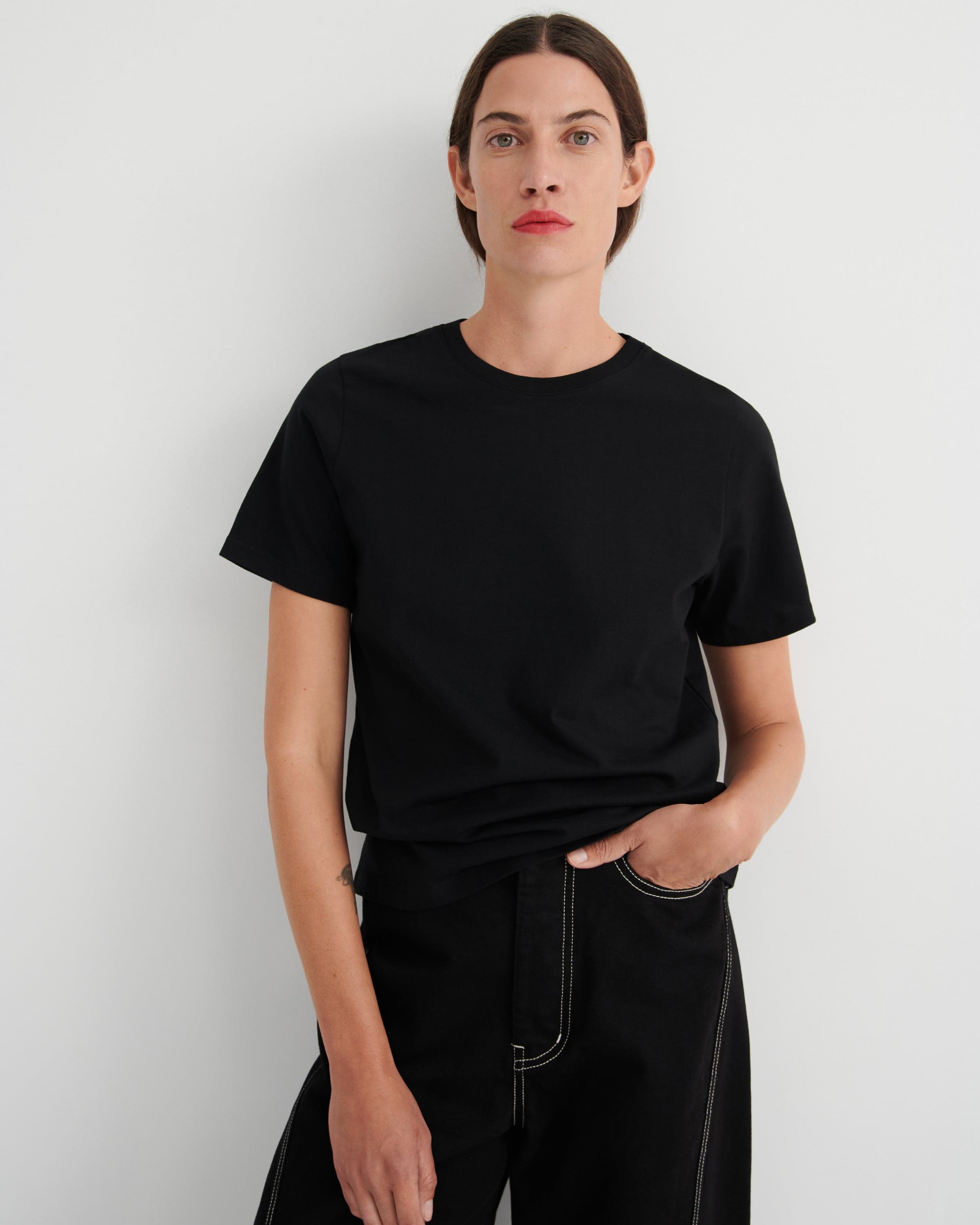
Brand: Maggie's Organics

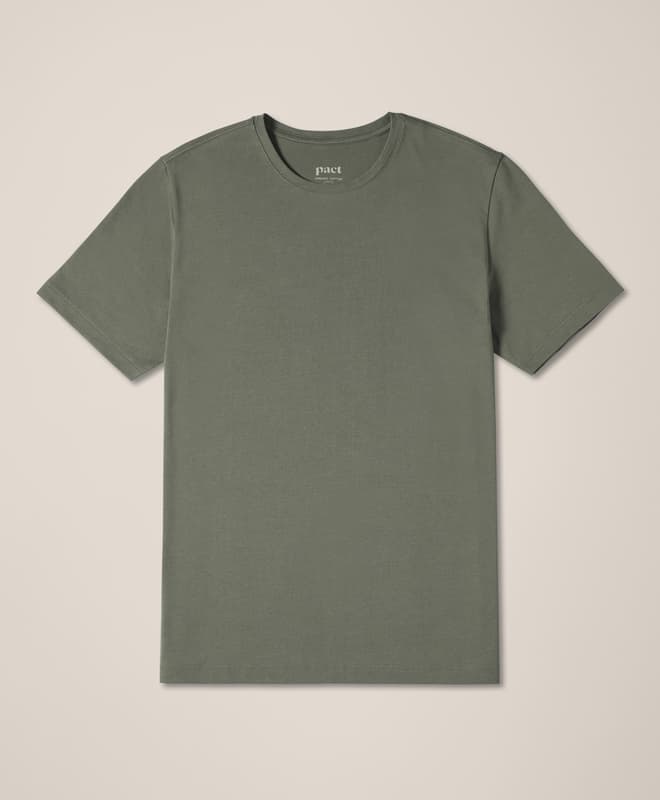
Brand: Pact

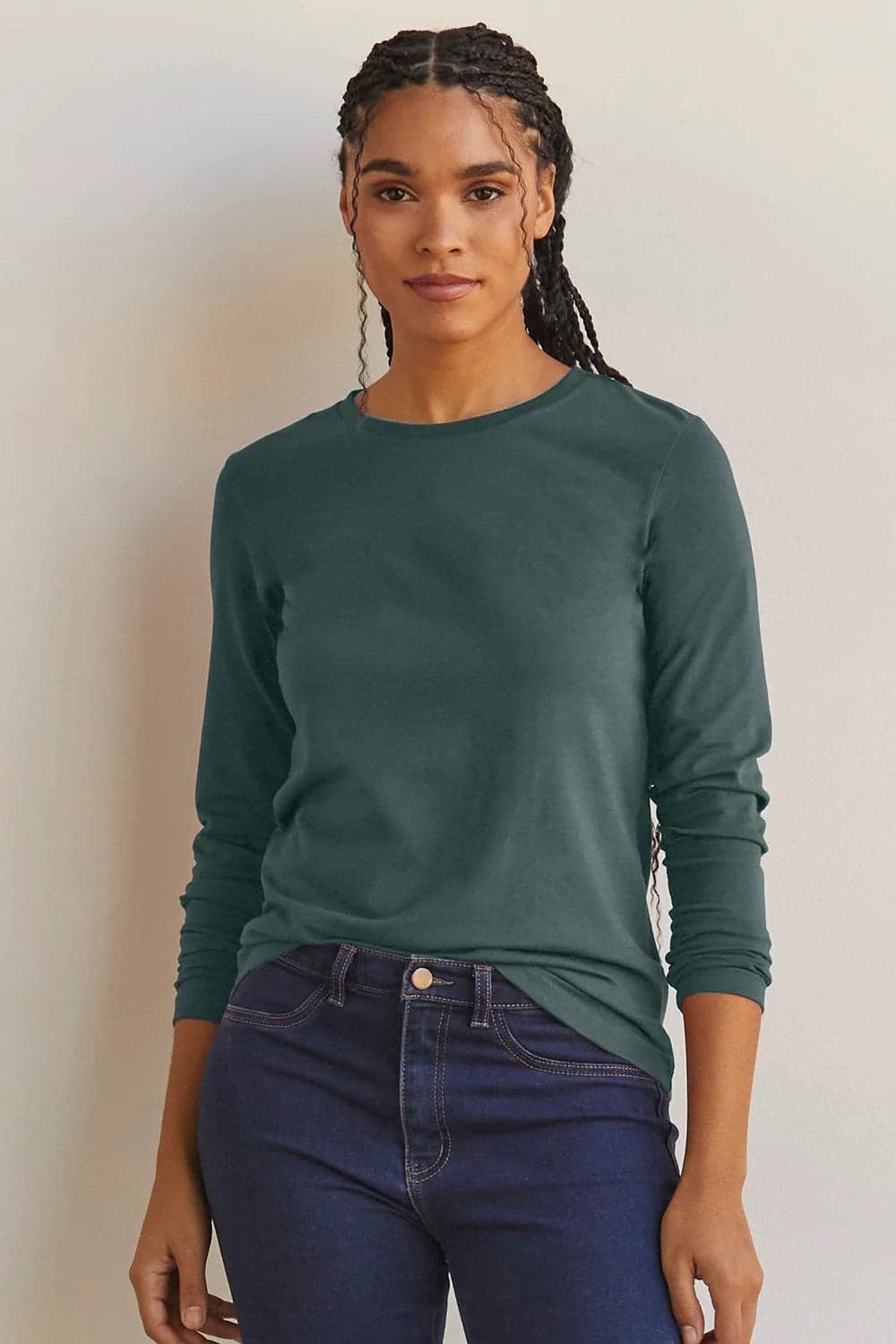
Brand: Everlane

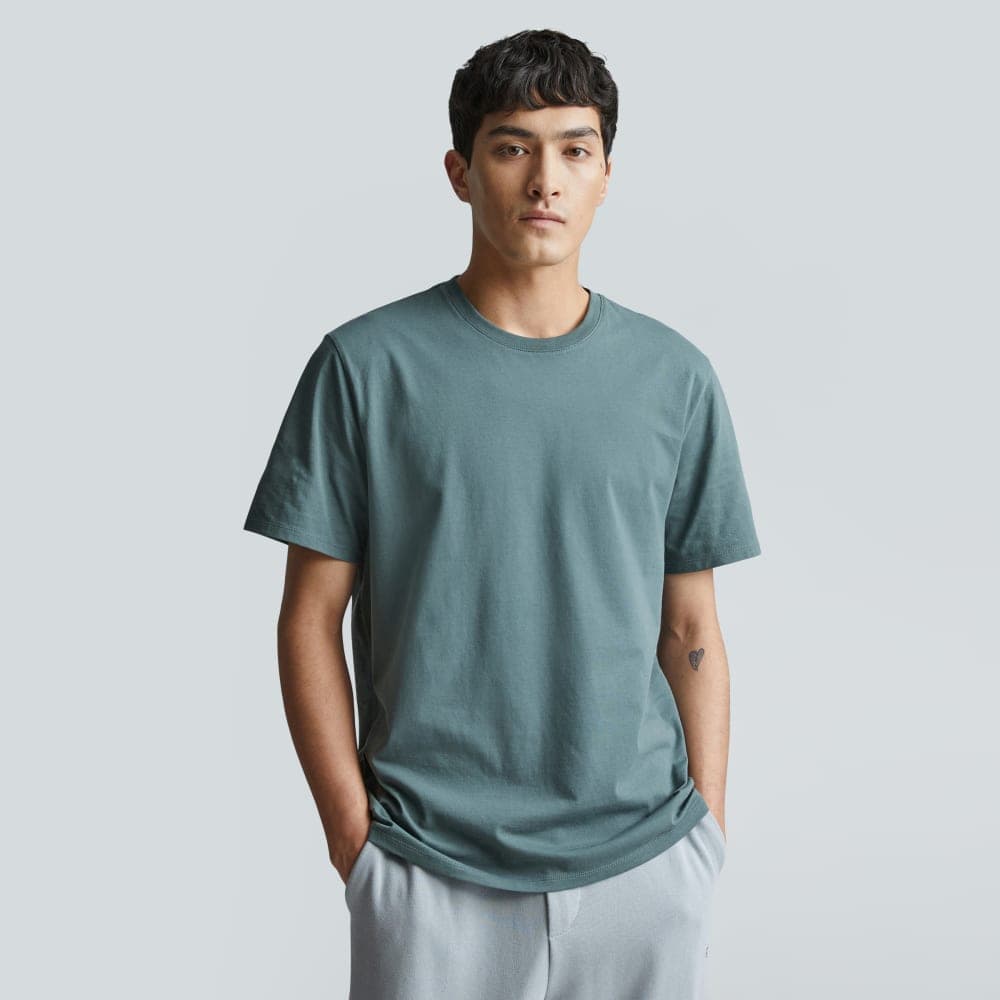
Brand: Patagonia

Brand: Patagonia

Brand: Patagonia

Brand: PLAINANDSIMPLE

Brand: LA Relaxed

Brand: Yes Friends

Brand: Fair Indigo

Brand: Fair Indigo

Brand: AYA

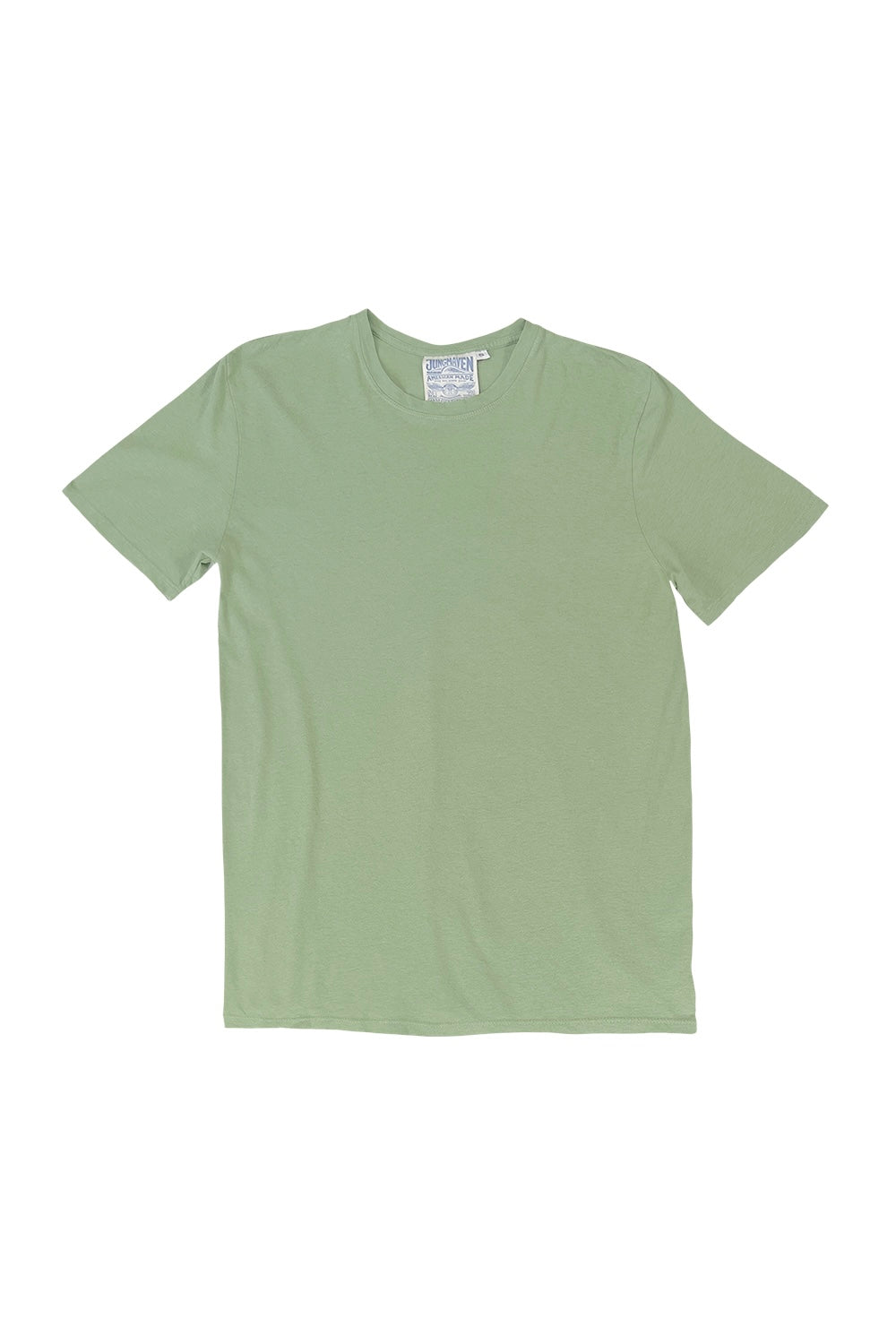
Brand: Jungmaven

Brand: Kotn

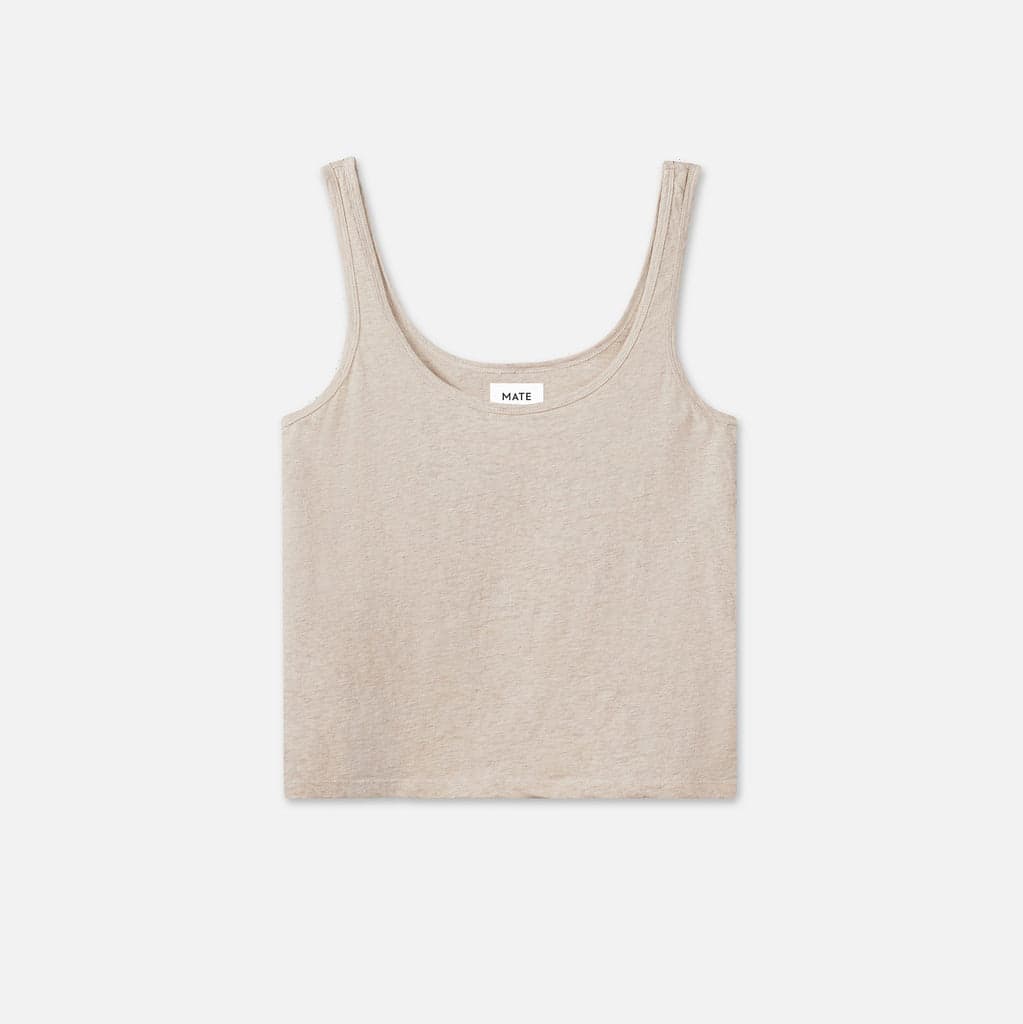
Brand: MATE the Label

Brand: MATE the Label

Brand: Hanna Andersson

Brand: Outerknown

Brand: Pact

Brand: PACT

Brand: MATE the Label

Brand: PACT

Brand: Primary

Brand: Primary
See how popular t-shirts and tees brands stack up and find higher-scoring picks.
Have a specific t-shirts item in mind? Paste the product URL into the analyzer or paste the fabric label into the homepage checker. Both work without an account.
Greener Closet treats t-shirts as non-toxic when the fiber composition avoids high-shedding synthetics, when there is no evidence of PFAS-based water- or stain-repellent finishes, and when the manufacturing inputs score reasonably on microplastics, half-life, shedding, and energy. Polyester and poly-blend tees shed microplastic fibers in every wash. Azo dyes used in cheap synthetic dyeing have also been flagged. Natural-fiber tees usually score significantly better.
Look for Organic Cotton, Tencel Lyocell, Modal. These score better on microplastics, biodegradability, or shedding compared with the petroleum-based synthetics that dominate this category.
Be cautious with Polyester, Recycled Polyester, especially when they appear with stain- or water-resistant finishes. These materials drive most of the score pressure for t-shirts.
Each product is scored from the full material label and any available certifications. The scoring weights microplastics at 45%, PFAS at 15%, half-life and biodegradability at 15%, energy at 10%, azo dyes at 10%, and fiber shedding at 5%.